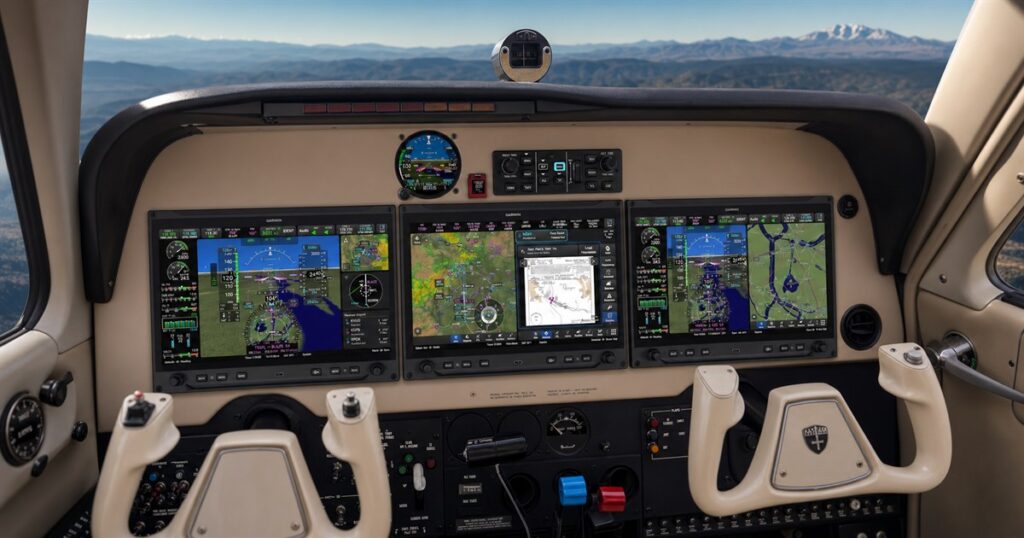
Most dashboards ask you to politely monitor a few gauges. An aircraft cockpit asks you to become a caffeinated octopus with a weather degree, a radio license, and the emotional stability to remember which knob talks to which other knob while the ground is doing its little shrink-away routine.
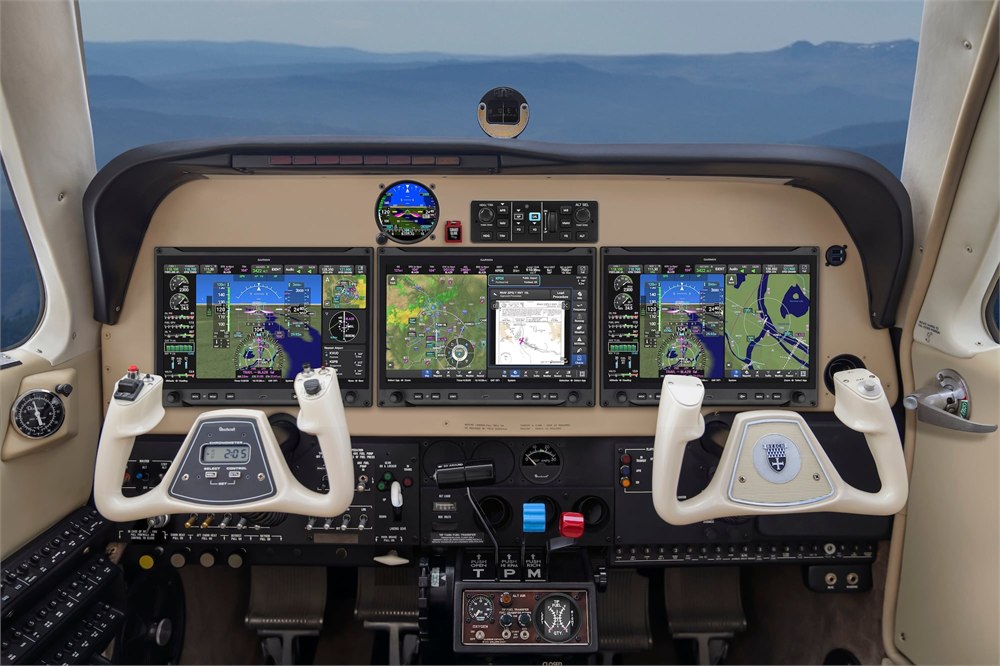
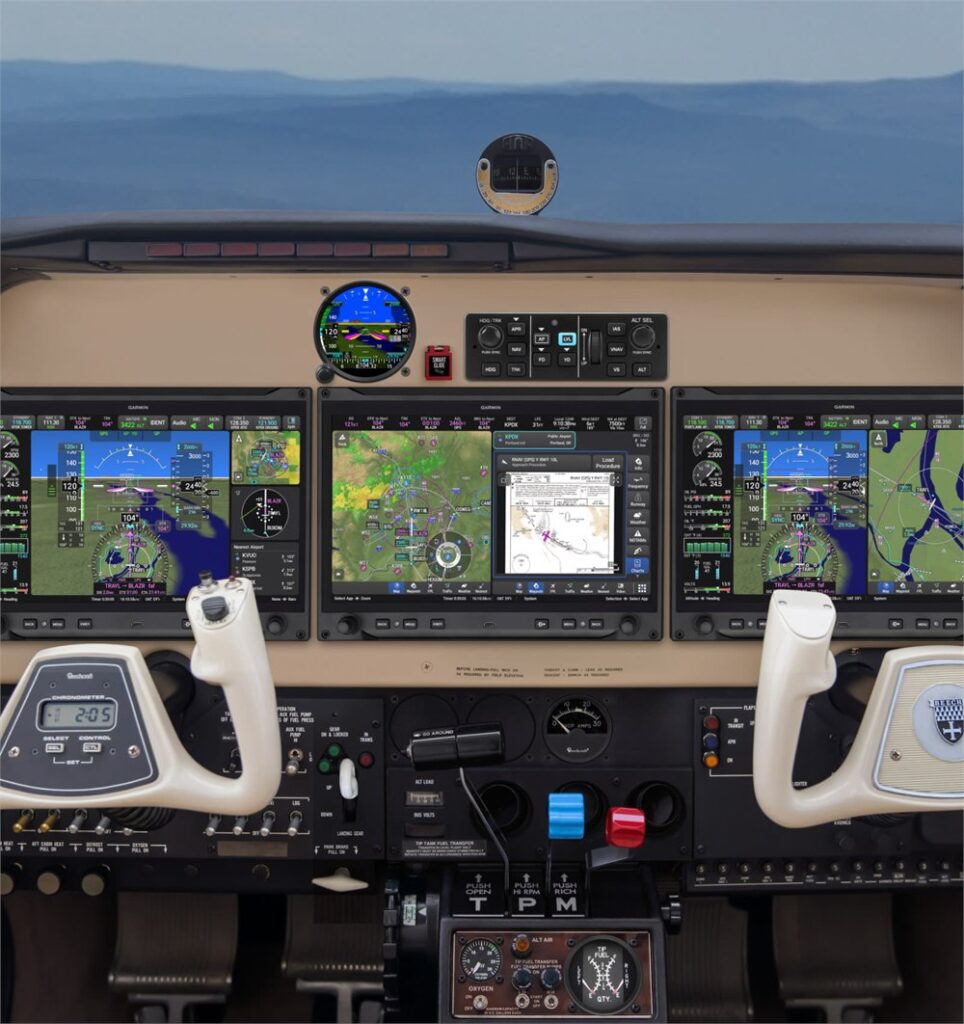
The Garmin AXIS Integrated Flight Display System is built for exactly that little circus. It is a new family of touchscreen aviation displays that can combine a primary flight display, multifunction display, IFR GPS, NAV/COMM radio, audio panel controls, engine information, maps, traffic, weather, synthetic vision, and other cockpit functions into one highly integrated panel system.
In normal non-pilot language, it is the kind of screen that makes an older instrument panel look like it has been replaced by mission control, except mission control now has a touchscreen, physical knobs, emergency tools, and a USB-C port because even airplanes have entered the era of cable management shame.
Garmin announced AXIS on July 8, 2026 as a flight display family for certified piston-powered single-engine and twin-engine aircraft, experimental aircraft, and LSA aircraft. The big headline is not just that the displays look clean and modern. It is that certain 11.6-inch AXIS models can build several major avionics jobs into a single display, which can reduce panel clutter, wiring, installation complexity, and aircraft weight.
A Cockpit Screen That Wants Several Jobs At Once
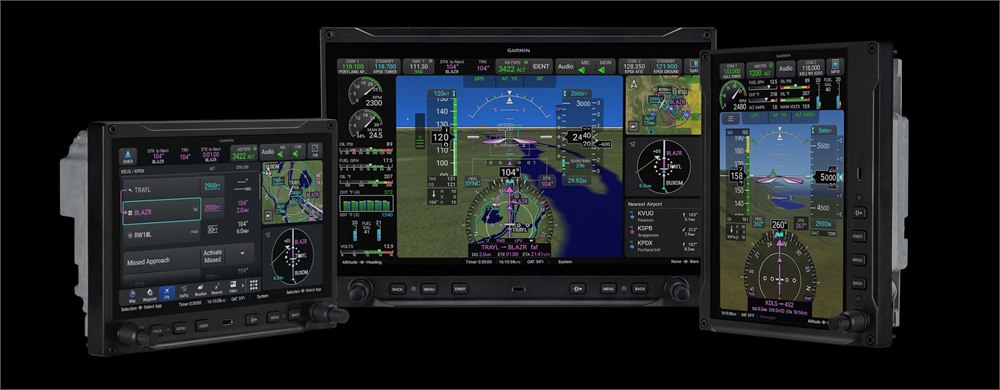
The AXIS family comes in three display layouts: an 11.6-inch landscape display, an 8-inch portrait display, and an 8-inch landscape display. Each display uses a responsive touchscreen and keeps physical controls around the bezel for quick access, which is reassuring because nobody wants to pinch-zoom their way through every important flying task like they are trying to crop a vacation photo.




Each AXIS display can be configured as a primary flight display or a multifunction display, with an optional engine indication system. That gives aircraft owners and builders a lot of panel flexibility, especially when an installation needs more than one screen or a mix of display sizes.
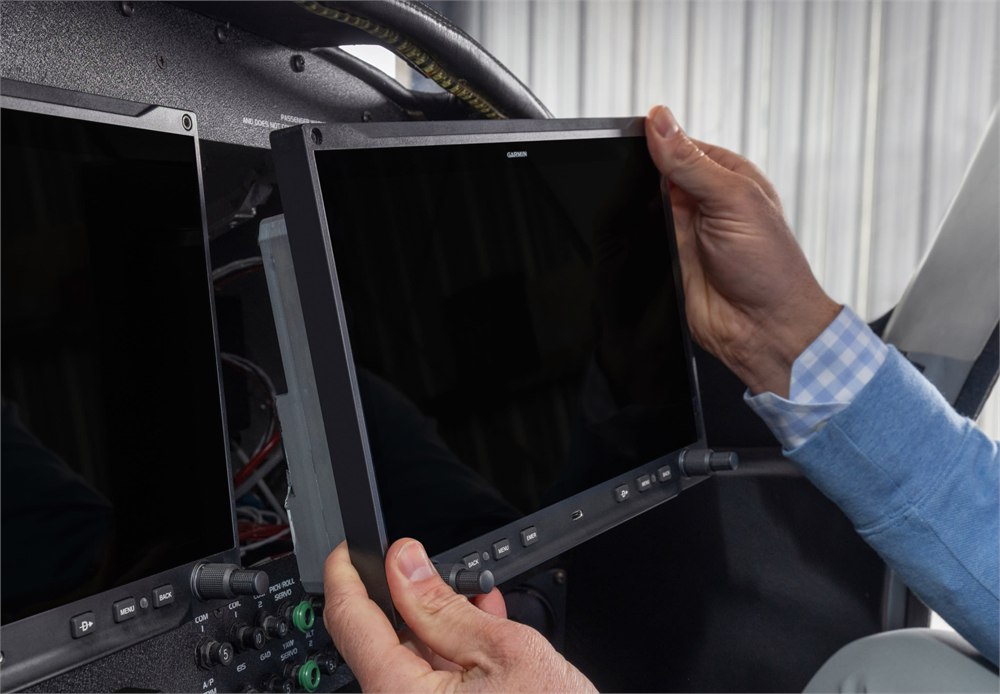
Garmin is also making AXIS compatible with many of the same navigators, radios, modules, and sensors used with its G3X Touch flight displays. For experimental aircraft builders and existing G3X Touch users, Garmin says AXIS has an upgrade path that can reuse most existing sensors, LRUs, panel cutouts, and mounting holes. That is the avionics version of finding out your new couch actually fits through the door, except the couch can talk to air traffic control.
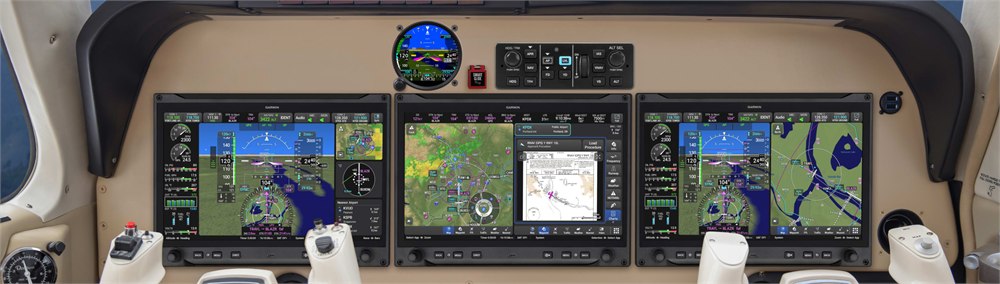
The 11.6-inch AXIS displays are the real showoffs here. Garmin says these displays are optionally available with TSO-certified IFR GPS, COMM radio, NAV radio, and audio panel capability built into one unit. The COMM radio supports 10 watts of transmit power, 8.33 kHz frequency tuning, and standby COMM monitoring, so pilots can monitor a standby frequency while staying tuned to the active ATC frequency.
That integrated audio panel supports a built-in 4-place intercom, dual-comm switching with support for one external radio, comm playback, and Bluetooth for music and phone calls. It is a very official way of saying the aircraft can stop collecting little separate boxes like a drawer full of mystery chargers.
What AXIS Pulls Into The Panel
Here is the practical part, because at some point the shiny cockpit wizardry has to justify itself to whoever pays the avionics bill and says things like “do we really need synthetic runway rectangles?” with a straight face.
- Configurable PFD or MFD layouts for different aircraft panels and pilot preferences.
- Optional engine indication system for real-time engine monitoring on supported aircraft.
- Built-in IFR GPS, COMM, NAV, and audio panel capability on certain 11.6-inch models.
- Full-screen and split-screen views for maps, flight planning, traffic, weather, and engine data.
- Touchscreen operation backed by physical knobs and buttons for quick cockpit access.
- Upgrade-friendly compatibility with many G3X Touch ecosystem components.
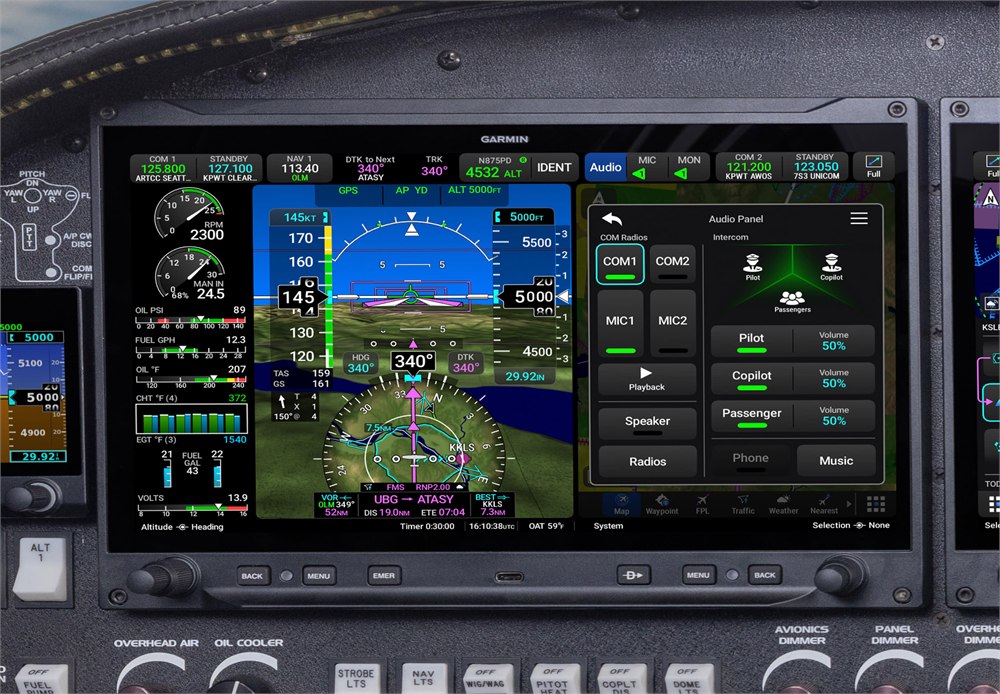
The display software is meant to keep primary information close. On the PFD, pilots can view primary flight data along with a horizontal situation indicator that can include an embedded map or traffic view. Widgets can show compact views of MFD functions such as map, flight plan, weather, traffic, and other situational awareness tools.
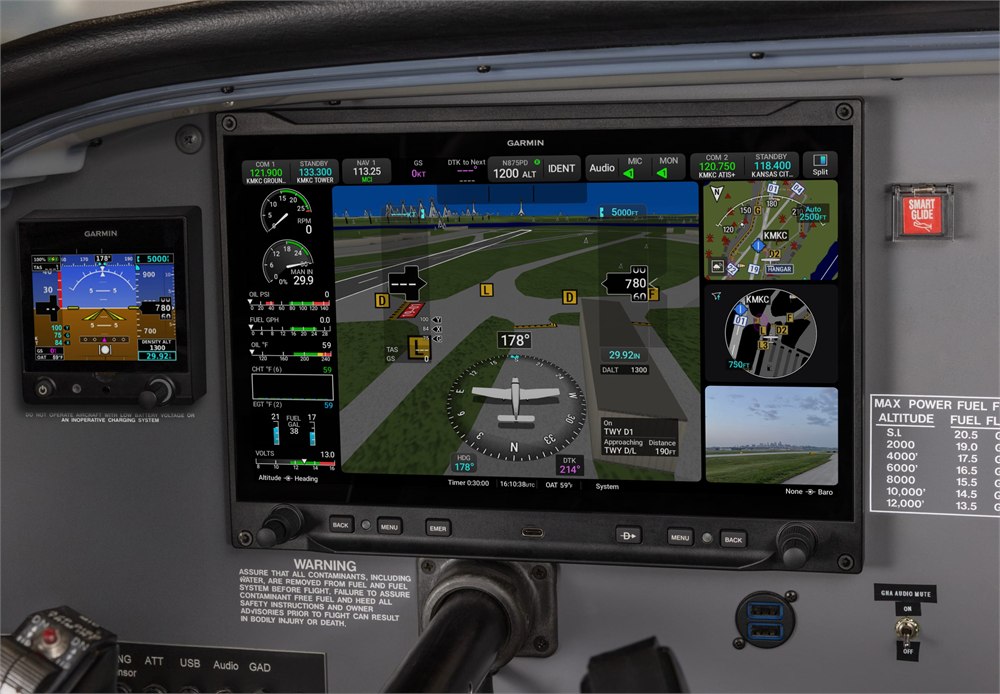
Enhanced Synthetic Vision Technology brings 3D depictions of terrain, obstacles, runways, taxiway markings, and other surroundings to the display. Pathway rectangles can show the flight path ahead, including enroute legs, course intercepts, flight track, and other navigation cues. It is basically a glowing highway in the sky, which sounds like a video game until you remember it is helping a real pilot keep the metal bird pointed at the correct invisible math.
| AXIS detail | What Garmin lists | Why it matters |
|---|---|---|
| Display sizes | 11.6-inch landscape, 8-inch portrait, 8-inch landscape | Fits different panel layouts and aircraft types |
| Display roles | PFD or MFD, with optional EIS | Lets one display family handle several cockpit roles |
| Integrated avionics | IFR GPS, NAV/COMM, and audio panel options on 11.6-inch models | Can reduce separate hardware in the panel |
| Connectivity | Wi-Fi, Bluetooth, Garmin Pilot sharing, USB-C data and charging | Supports updates, flight data, and connected cockpit workflows |
| Availability | 11.6-inch displays available in July 2026; 8-inch displays expected in early 2027 | Large-display installs arrive first, smaller options follow later |
It Also Has The Nervous-System Stuff
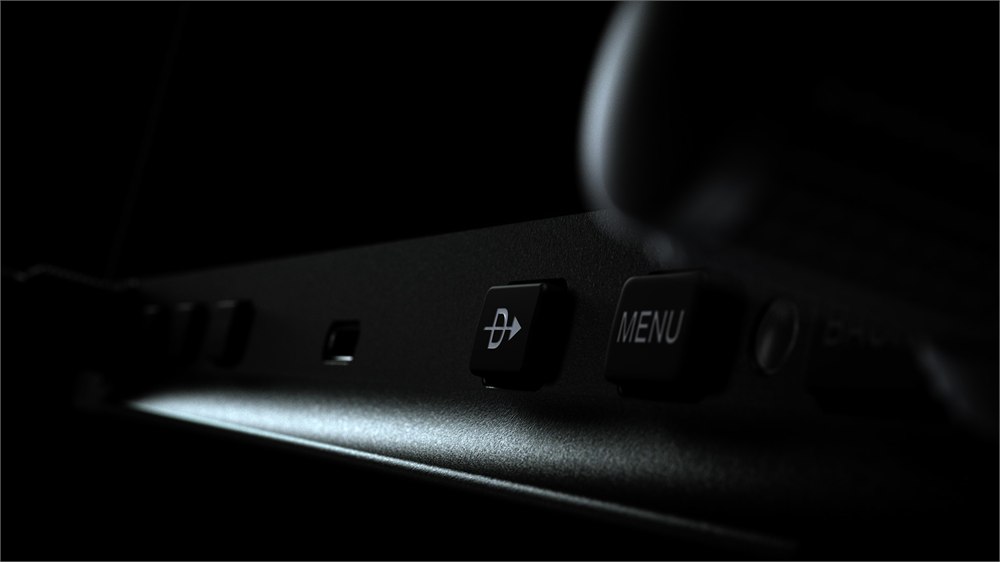
AXIS includes access to several Garmin safety tools, including a dedicated emergency button on the display bezel. That button can pull up emergency procedure options quickly, which is the kind of design decision that feels boring until the exact second it is not boring.
Smart Glide, part of Garmin’s Autonomi technology family, is supported for loss-of-engine-power emergencies. When paired with compatible equipment, it can help navigate toward an airport in range, and with a GFC 500 or GFC 600 autopilot equipped, Garmin says the system can auto-engage to fly the aircraft enroute.
The system also supports Runway Occupancy Awareness, which uses ADS-B traffic to alert crews to potential runway incursions from nearby aircraft or ground vehicles. Optional SurfaceWatch runway monitoring can add visual and aural cues to help prevent pilots from taking off or landing on a taxiway. That is a very polite way for the airplane to say, “please do not confuse this strip of pavement with the other strip of pavement.”
AXIS also supports 3D SafeTaxi, which gives pilots a three-dimensional view of the airport environment directly on the PFD. The MFD can show dynamic mapping, ADS-B traffic and weather with compatible datalink equipment, waypoint information including terminal charts, expanded engine data, and HDMI video input for live-camera monitoring.
For engine monitoring, the EIS can display real-time engine data with large gauges, color-coded pointers, data bands, and bar gauges. With the right interface adapter and sensors, Garmin says AXIS can serve as the primary EIS display in piston-powered aircraft with many normally aspirated or turbocharged 4- to 6-cylinder engines, plus radial and turbine-powered experimental aircraft.
Connected, Updated, And Slightly Too Smart For Your Glovebox
Built-in Wi-Fi and Bluetooth let pilots connect with Garmin Pilot in flight and share GPS, traffic, weather, flight plans, and other data. A USB-C data port supports database downloads, flight log offloads, and device charging up to 27 watts, which is enough to make the cockpit feel more modern than half the airports it visits.
PlaneSync, powered by the GDL 60 datalink, can support automatic database downloads, remote aircraft status, and automatic flight log uploads when the required subscriptions and connectivity are in place. Database Concierge can also help move updates from the Garmin Pilot app to compatible avionics wirelessly.
That does not mean every feature is built into every installation. Garmin notes that compatible datalink equipment, active PlaneSync and database subscriptions, sensors, adapters, and other supporting hardware may be required for some capabilities. Aviation gear is rarely a single-box fairy tale. It is more like a very expensive group project, except the group project has to satisfy the FAA.
The Bottom Line On Garmin AXIS
The 11.6-inch AXIS flight displays have achieved FAA and EASA Technical Standard Order status and are listed as available in July 2026. Garmin says the 8-inch displays are expected in early 2027, and the FAA Supplemental Type Certificate is intended to cover hundreds of certified Part 23 Class I/II piston singles and twins, with other civil aviation authority approvals expected later.
Key product details:
- Product: Garmin AXIS Integrated Flight Display System.
- Main function: integrated aircraft flight display for PFD, MFD, navigation, communications, audio, maps, safety tools, and engine data.
- Display options: 11.6-inch landscape, 8-inch portrait, and 8-inch landscape.
- Best fit: certified piston aircraft, experimental aircraft, and LSA aircraft depending on configuration and approvals.
- Availability: 11.6-inch models available in July 2026; 8-inch models expected in early 2027.
- Price: Garmin directs buyers to contact an authorized Garmin Aviation dealer for configured hardware and installation pricing.
- Source: Garmin Aviation dealer network through Garmin’s AXIS product page.
So no, this is not the kind of gadget you impulse-buy after seeing a neat square photo on the internet unless your impulse purchases already require a hangar. But for pilots, aircraft owners, builders, and avionics nerds, AXIS is a genuinely wild little command center: a touchscreen flight display family trying to consolidate a serious amount of cockpit responsibility without making the panel look like it lost a fight with a radio catalog.
Images via Garmin.
| Pros | Cons |
|---|---|
| Can combine flight display, IFR GPS, NAV/COMM, and audio panel functions in certain 11.6-inch models | Dealer-configured aviation hardware means pricing is not a simple shelf number |
| Available in multiple display sizes for different aircraft panels | 8-inch displays are expected later than the 11.6-inch models |
| Supports synthetic vision, SafeTaxi, Smart Glide, and runway awareness tools | Some safety and connected features require compatible equipment or subscriptions |
| Can reduce panel clutter, wiring, installation complexity, and weight | Installation still belongs in the serious avionics-planning category |
| Works as PFD or MFD, with optional engine indication system | Feature availability depends on aircraft, approvals, sensors, and configuration |
| Upgrade path can reuse many G3X Touch ecosystem components | Certified twin EIS, 8-inch displays, and some compatibility details are marked as coming soon |
Where to find This All-In-One Aircraft Flight Display Replaces a Stack of Cockpit Avionics
OddityMall may earn a commission from qualifying purchases at no extra cost to you.