There comes a point in every gadget person’s life when looking at a perfectly normal phone screen starts to feel primitive, like churning your own butter or printing MapQuest directions before a road trip.
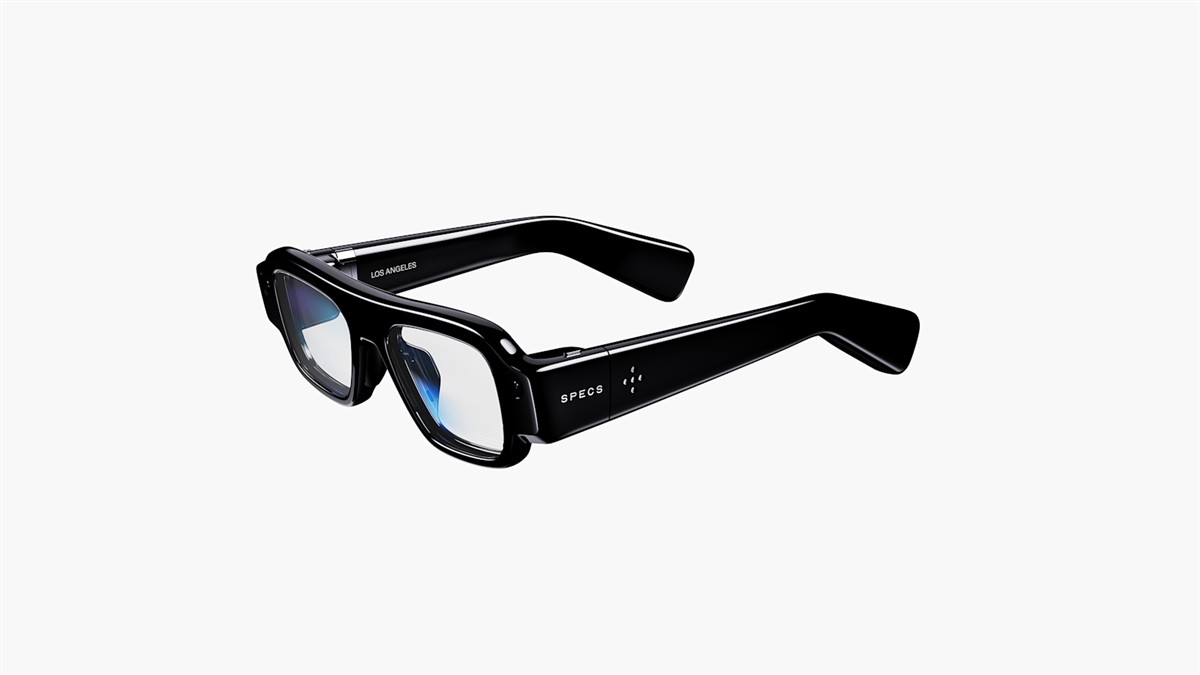
Snap’s new SPECS are here to make that feeling much worse. These are standalone augmented reality glasses, meaning the computer is built into the glasses themselves instead of being tethered to a little pocket puck, a phone, or the emotional support cable nest that usually follows futuristic hardware around.
The basic pitch is simple: put a capable spatial computer on your face, let the real world remain visible, and layer useful digital stuff into your line of sight. Snap describes SPECS as see-through AR glasses for AI assistance, work tools, entertainment, shared experiences, and the general modern dream of doing three tasks while still pretending to be present in the room.
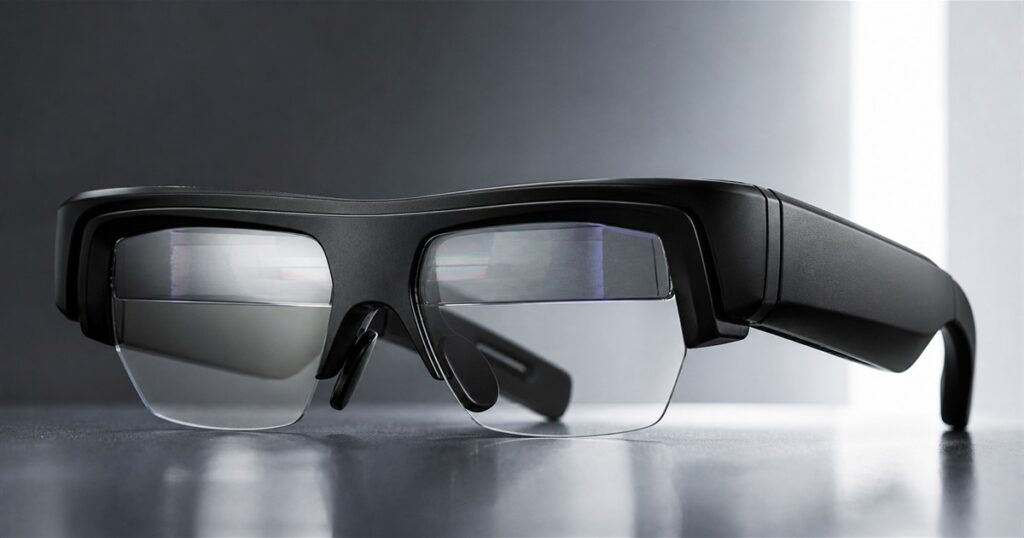
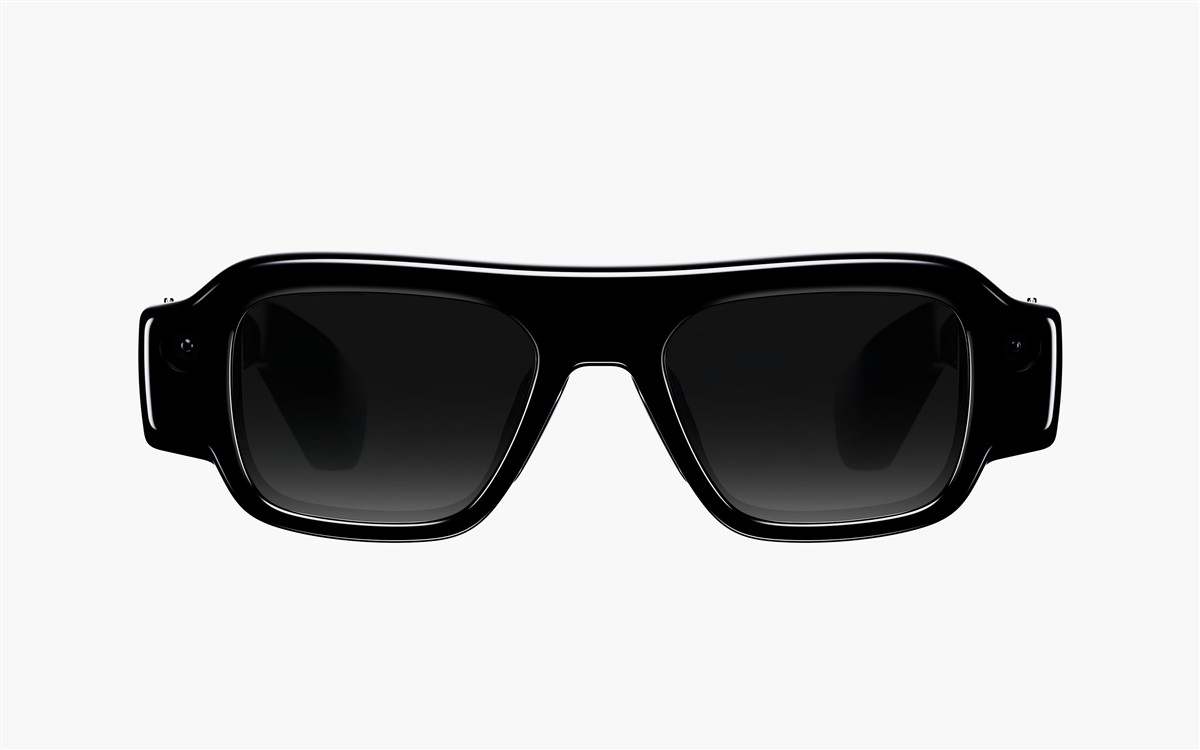
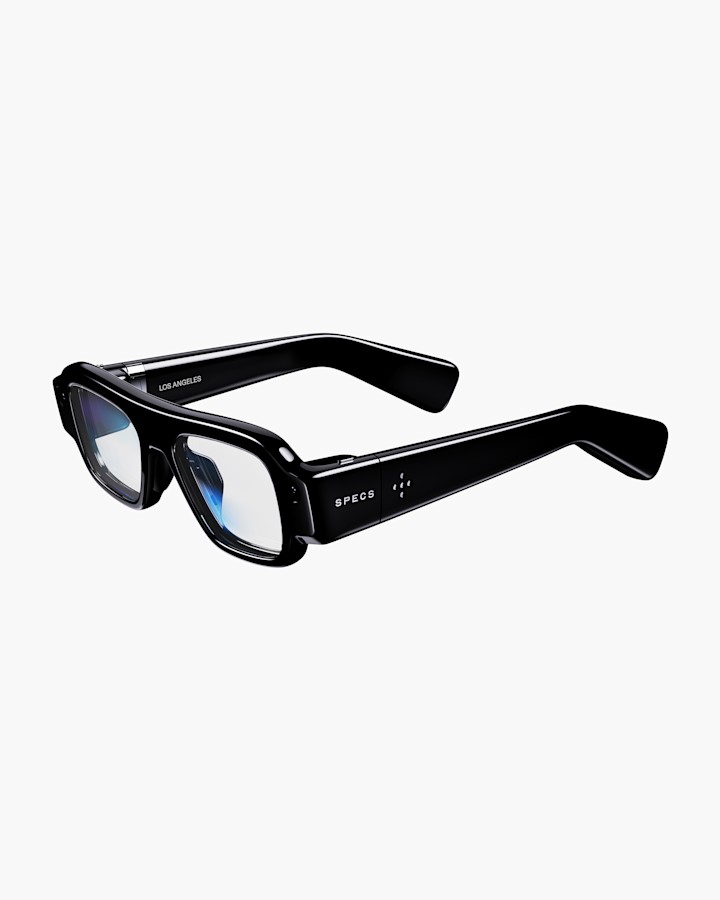
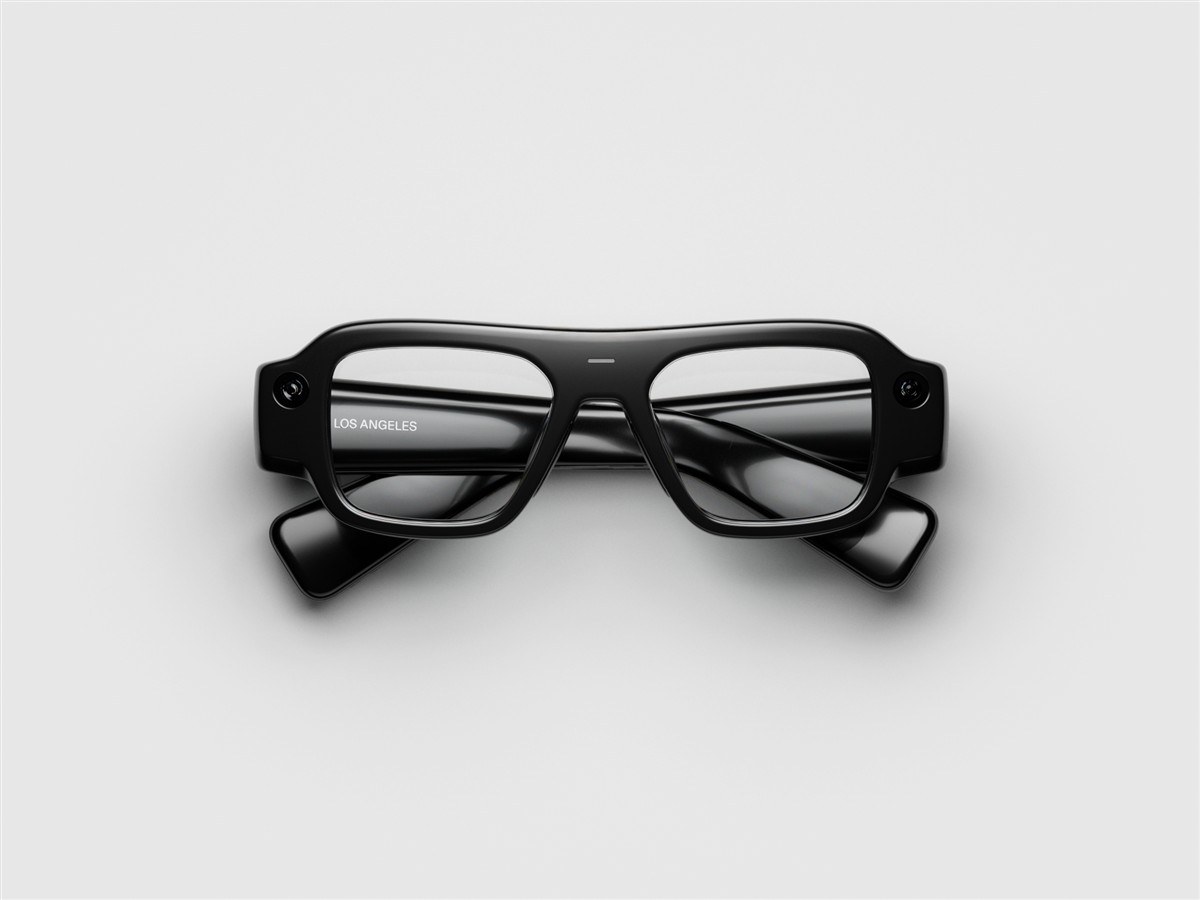
They look like chunky black glasses that have been quietly doing pushups. The temples are thick because that is where the small miracle of batteries, processors, speakers, radios, sensors, and other tiny electronic furniture has to live. The lenses use a see-through waveguide display that Snap says provides a 51-degree field of view with 16 million colors, which is the sort of spec that makes regular sunglasses feel like they dropped out of community college.
Snap is positioning these less like a novelty camera pair and more like a real wearable computer. The glasses run Snap OS, support Lenses, and are supposed to handle things like web browsing, music, photos, calls, translation, spatial timers, games, learning experiences, navigation, and other hands-free tasks that currently require you to pull out your phone like a tiny glowing anxiety tile.
Related posts:

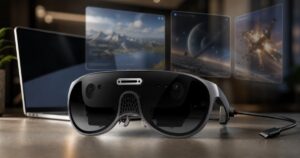

That is probably the funniest and most interesting part. We have spent years being told that the future is a headset, then immediately being shown a headset that makes the wearer look like they are beta-testing a scuba mask in a waiting room. SPECS are going for the more socially survivable version: actual glasses, open-ear audio, transparent lenses, and a design that at least tries to let you stay in the same room as other humans.
Snap says the glasses are made from high-performance Swiss TR90 polymer and come in two sizes. The 47 mm model is listed at 132 grams, while the 52 mm model is 136 grams. That is not featherweight reading-glasses territory, but for a standalone AR computer with display hardware in the frame, it is impressively close to something you might wear without needing a neck day at the gym.
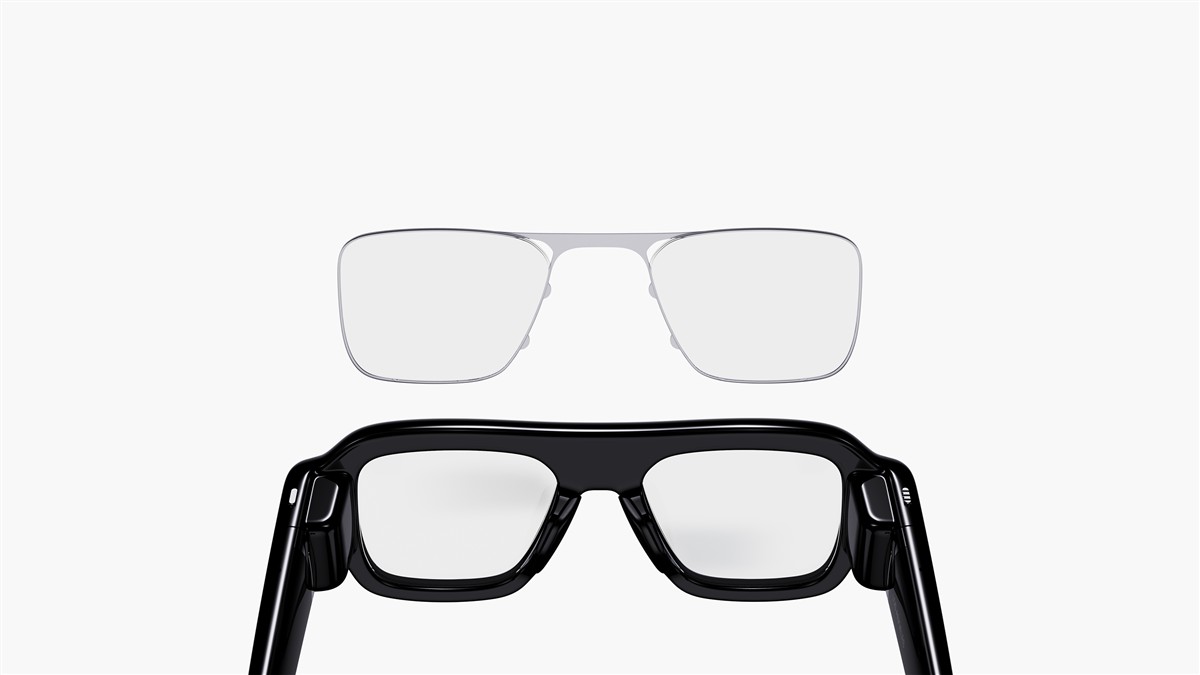
There is prescription support too, through removable inserts designed to support a wide range of prescriptions. That matters because smart glasses that only work for people with perfect vision are basically a luxury club for people who have never squinted at a microwave clock from across the kitchen.
The use cases are very Snap: social, visual, playful, and slightly unhinged in the way good AR probably has to be. The official examples include spatial games, drawing lessons, stargazing and learning apps, basketball training, real-time translation, saved measurements, browser tabs, photo galleries, and hands-free calls. In other words, they want to be part productivity tool, part toy, part personal cinema, part invisible intern living inside your glasses.
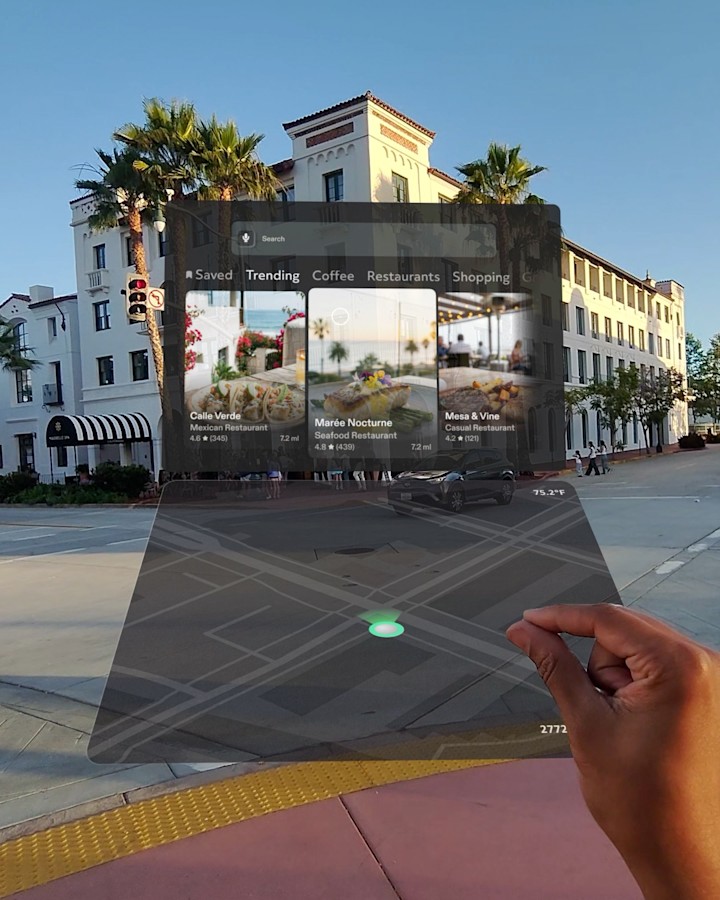
For developers, Snap is also leaning hard into the platform side. The company says developers have already published hundreds of Lenses for SPECS, and it is rolling out more tools, including a Native Development Kit and agentic development support for building SPECS Lenses in tools like Claude Code, Codex, and Cursor. That is a very 2026 sentence, and somewhere a product manager just shed a single KPI-shaped tear.
The big question, of course, is whether these are everyday glasses or an early-adopter fever dream with excellent cheekbones. Probably a little of both. Snap says they are expected to ship this fall in the United States, United Kingdom, and France, so this is still preorder territory. That means anyone buying in is signing up for the glorious first wave of futuristic hardware, where the demos look magical and the real test is whether you still reach for them after the honeymoon week.
What SPECS Can Do
The headline features are a standalone design, transparent AR display, Snap OS, Lens support, open-ear audio, web browsing, calls, translation, spatial timers, saved measurements, entertainment, games, and photo or video viewing on a larger virtual screen. Snap also describes them as a way to work and play while staying present, which sounds lovely until someone uses them to check basketball drills while making eye contact at brunch.
Still, the promise is compelling. If the software ecosystem grows, SPECS could be the kind of gadget that makes small everyday tasks feel oddly cinematic. Imagine measuring furniture without crouching on the floor, checking directions without staring down at your phone, translating signs while traveling, or keeping a timer floating nearby while cooking something that is already threatening to become smoke.
Price And Availability
SPECS are available for preorder at Specs.com for ,195, with a refundable deposit. Snap says shipping is expected in fall 2026 for the United States, the United Kingdom, and France.
So yes, these are expensive. They are not impulse-buy gas station sunglasses unless your gas station also sells developer previews and spatial computing dreams. But for anyone obsessed with AR, wearable computers, or the slow march toward putting the internet directly in front of our eyeballs, SPECS are one of the more interesting face computers to watch this year.
At minimum, they are a fantastic way to make your phone feel old, your regular glasses feel underemployed, and your face feel like it just got promoted to workstation.
Where to find These Standalone AR Glasses Put A Floating Computer On Your Face
OddityMall may earn a commission from qualifying purchases at no extra cost to you.