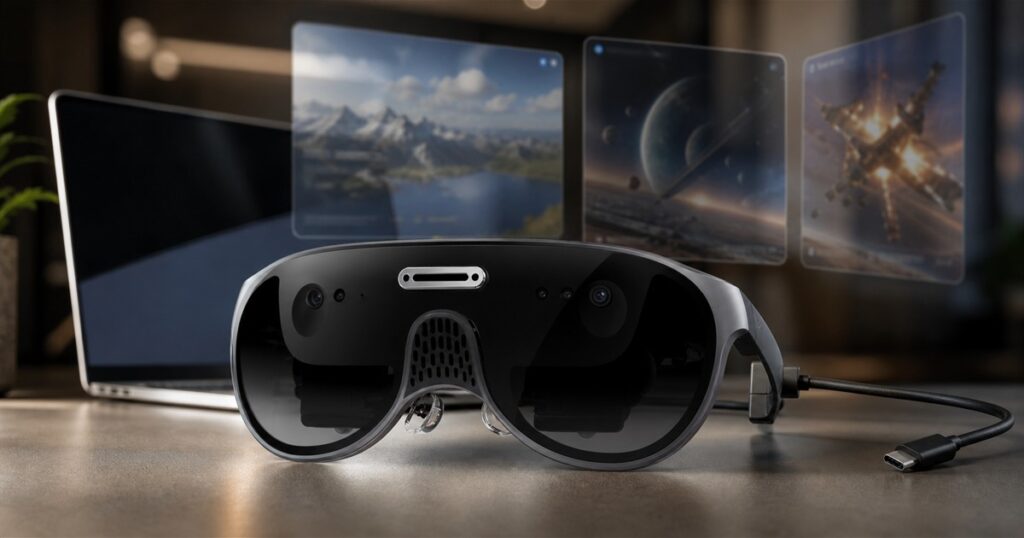
The modern laptop has become a very expensive apology for not owning a second, third, and fourth monitor. You open it at a coffee shop, pretend one 14-inch rectangle is enough, then spend the next two hours alt-tabbing like a raccoon with a tax deadline. URXR One is for the person who looked at that mess and decided the correct number of screens is simply “yes.”
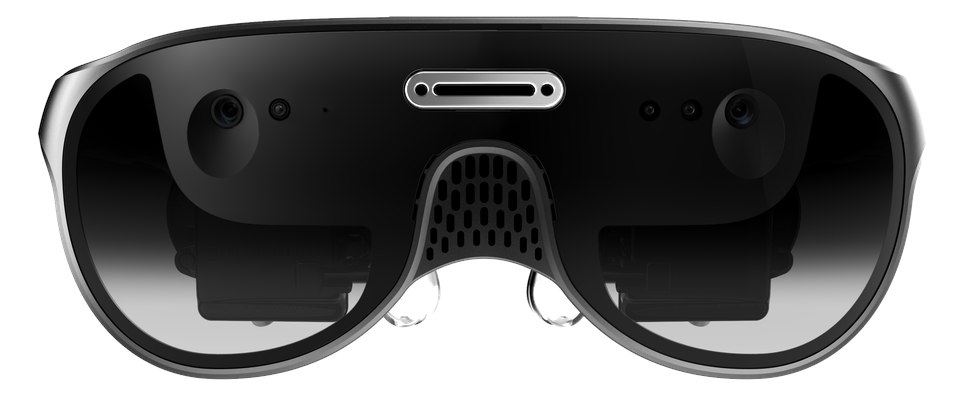
The Unseen Reality URXR One is a pair of 93-gram spatial computing glasses that plugs into the devices you already use and turns them into a giant private display setup. Instead of strapping a full helmet to your head just to answer email like a cybernetic intern, these look closer to thick wraparound sunglasses with a USB-C cable and a serious amount of tiny optical wizardry hiding behind the lenses.
The company pitches them as lightweight spatial display glasses built for everyday use, which is a fancy way of saying you can bring a floating workstation, gaming screen, or private cinema into places where a normal person would bring only a laptop and a brittle sense of optimism. The big promise is full spatial computing in a frame that weighs under 93 grams, with the battery kept off your face so your nose does not become the unpaid support beam for your digital lifestyle.
Huge Screens Without Packing a Huge Desk
URXR One is built around dual 1.03-inch Micro-OLED displays, each listed at 2448 x 2064, with a 90 Hz refresh rate and about 36 pixels per degree. The official page describes the experience as a 5K dual-eye retinal display with a 90-degree field of view, which means it is trying to move beyond the usual “little rectangle floating in front of your face” approach found in simpler display glasses.
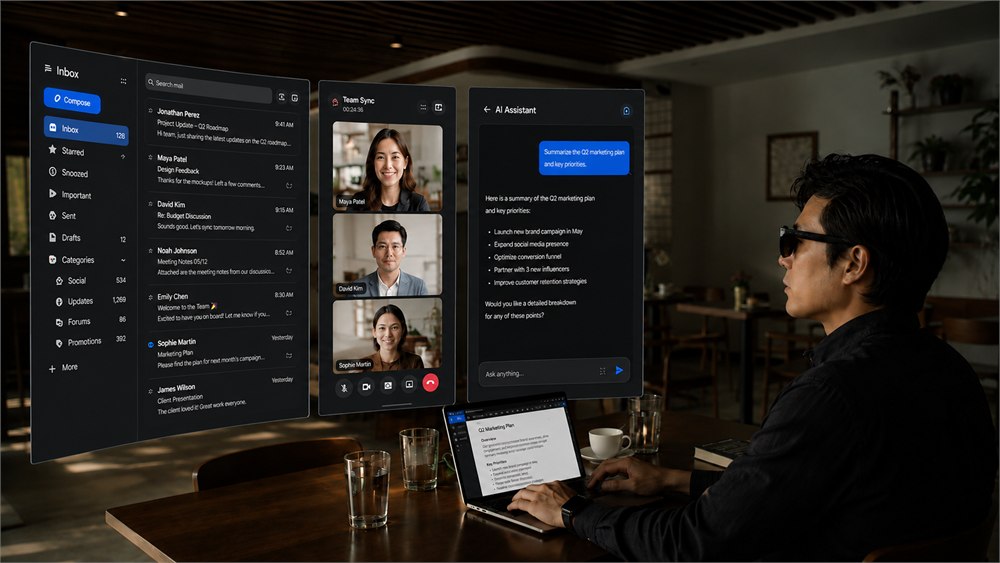
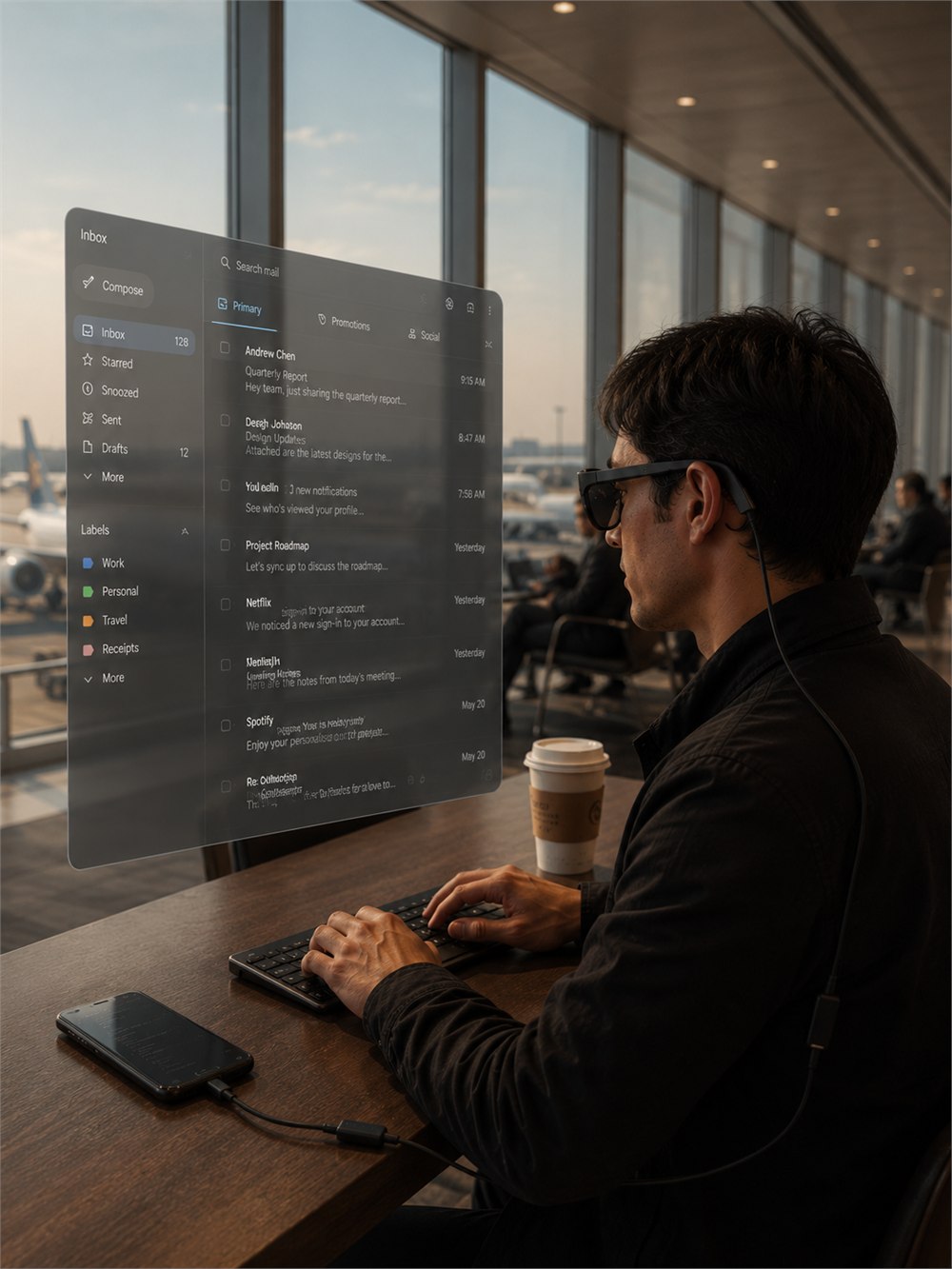
The practical magic trick is that the glasses can create one large spatially locked screen or, when paired with the URXR Connect app, up to three virtual screens around your laptop. That is the part that feels especially dangerous for anyone who already has 37 browser tabs open and calls that a workflow. Suddenly your portable office can expand into a floating command center, and your tiny cafe table can pretend it is mission control until someone needs the outlet.
Related posts:
 This Unique Spatial Communication Display Puts Your Face On A Robot During Video Calls
 These Power Screens Automatically Screen-In Your Patio With The Push of a Button
 This Mama Pig USB Hub Has Three Feeding Piglets That Work as USB Flash Drives
 Prepdeck Is an All-In-One Food-Prepping and Cooking Hub
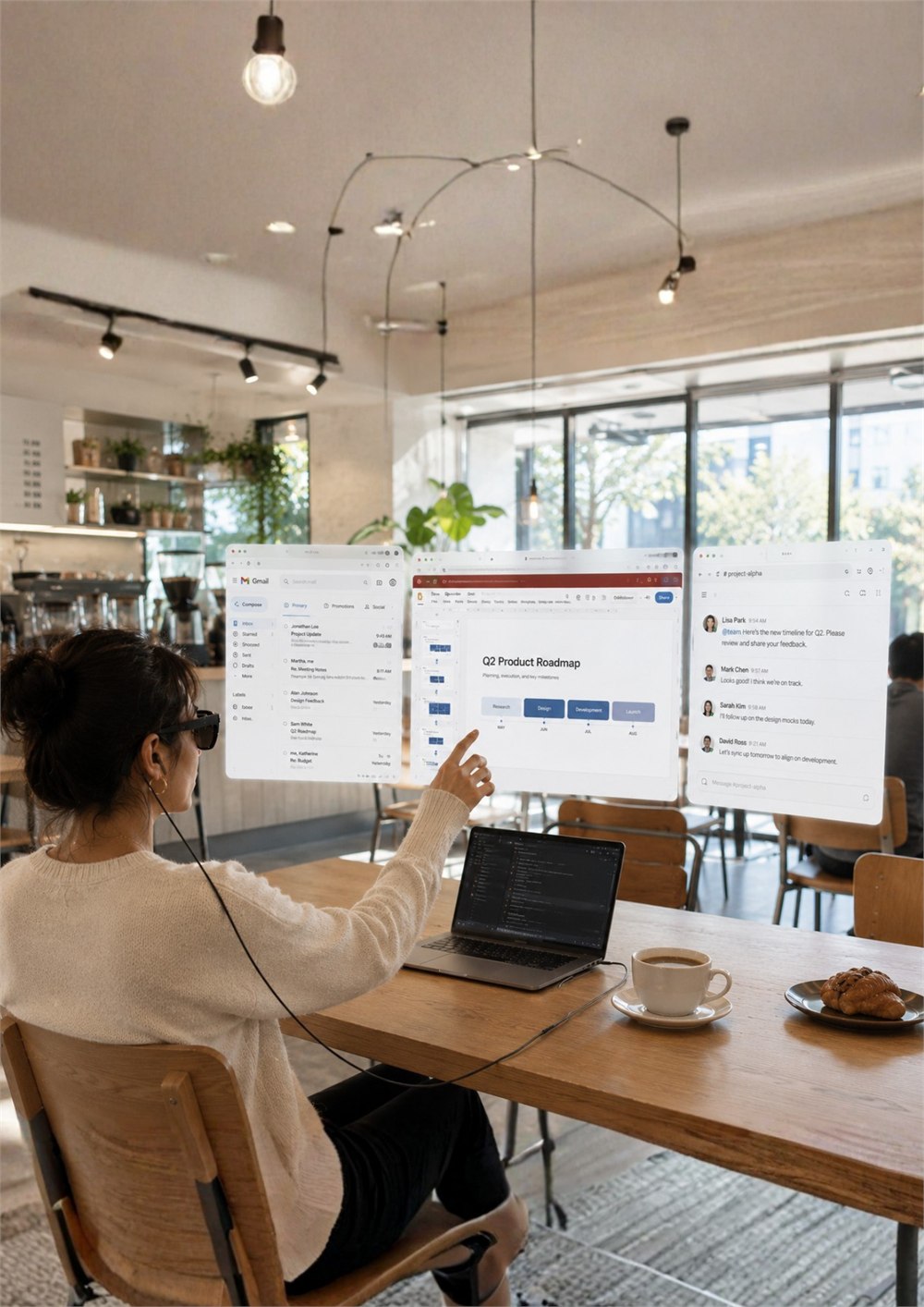
The glasses support 6DoF spatial tracking, which lets the virtual display stay pinned in physical space as you move your head. Unseen Reality says the on-glasses spatial processing unit handles tracking, video see-through, and reprojection locally, so your laptop or phone is not responsible for doing all the spatial math while also trying to survive your spreadsheet.
Here is the useful version of what these glasses are trying to do:
- Give laptops and compatible handhelds a large private display without carrying a portable monitor.
- Open up to three virtual screens through the companion app on supported computers.
- Use head tracking and hand gesture control for a more spatial workspace.
- Keep the frame light by moving battery duty to the host device or optional Power Hub.
- Work as plug-and-play display glasses for many USB-C devices with DP Alt Mode.
The Specs Are Doing Their Best To Sound Casual
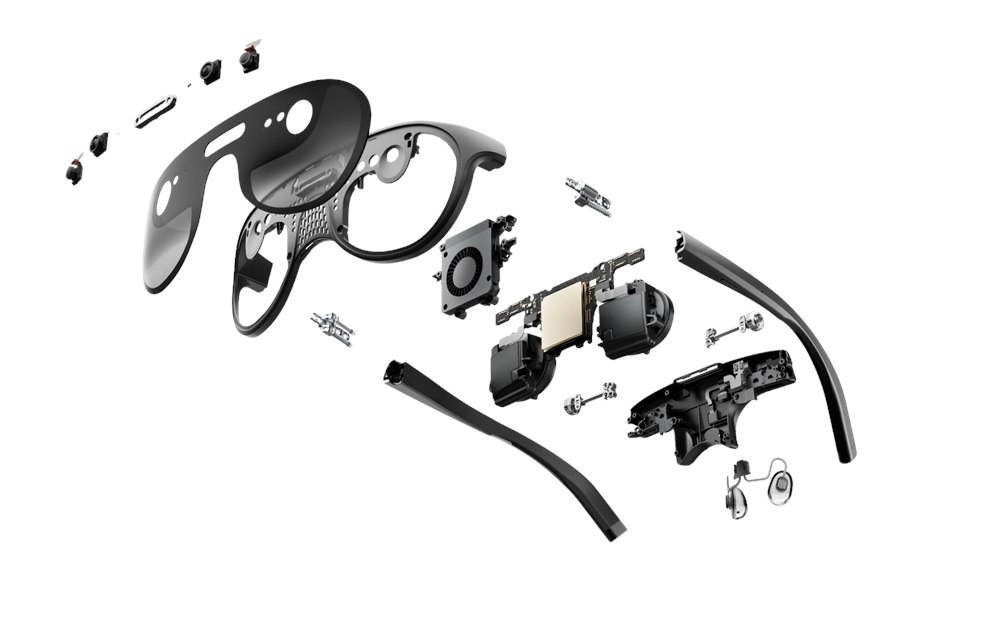
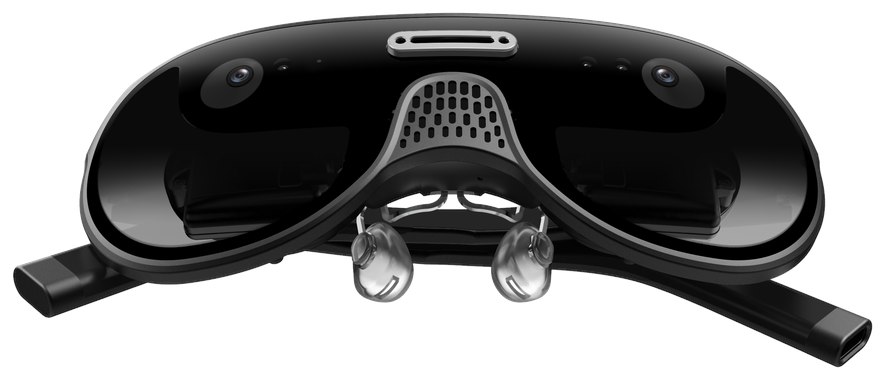
The funny part about URXR One is that the exterior says “sleek sunglasses from the future,” while the spec sheet is quietly doing pushups in the corner. The frame includes forward-facing cameras for video see-through, dual-eye SLAM, a 1000 Hz IMU, hand tracking, a physical mode-switch button, and a four-microphone array. It does not include built-in speakers, so audio comes from the host device or your own earbuds.
| Feature | Official Detail | Why It Matters |
|---|---|---|
| Weight | Under 93 grams | Much lighter than a typical VR headset, with the battery kept off the frame. |
| Display | 2448 x 2064 per eye Micro-OLED | Designed for sharper text and private screen use. |
| Field of view | 90-degree diagonal | Aims for a larger, more immersive view than many display glasses. |
| Tracking | 3DoF and 6DoF with on-glasses processing | Keeps screens spatially locked instead of drifting around your face. |
| Connection | USB-C DP Alt Mode | Works with compatible laptops and other devices through a wired connection. |
| Audio | Four microphones, no built-in speakers | Voice input is built in, but listening uses your device or earbuds. |
That no-speaker choice is actually one of the more practical details. It keeps the glasses focused on display and tracking instead of becoming a whole head-mounted entertainment appliance. If you already have earbuds, you probably do not need tiny speakers shouting from your temples anyway, unless your dream is to become the person everyone avoids in an airport lounge.
Plug In, Then Decide How Weird Your Workday Should Get
URXR One has two main personalities. In simple plug-and-play use, it acts like a large spatial display for USB-C devices that support DisplayPort Alt Mode. That means compatible PCs, Macs, Windows handhelds, and some other devices can feed it video directly. It is the low-drama mode for anyone who wants a bigger screen without conducting a small software ritual every time.
The more ambitious mode uses the URXR Connect companion app, which Unseen Reality says unlocks the full spatial workspace on Windows and Mac first, with iOS and Android support planned later. That is where the multiple virtual screens, ultra-wide canvas, hand gestures, and cinema environment come in. The glasses also have a physical button for switching modes, because sometimes the most advanced interface is still “press the thing.”
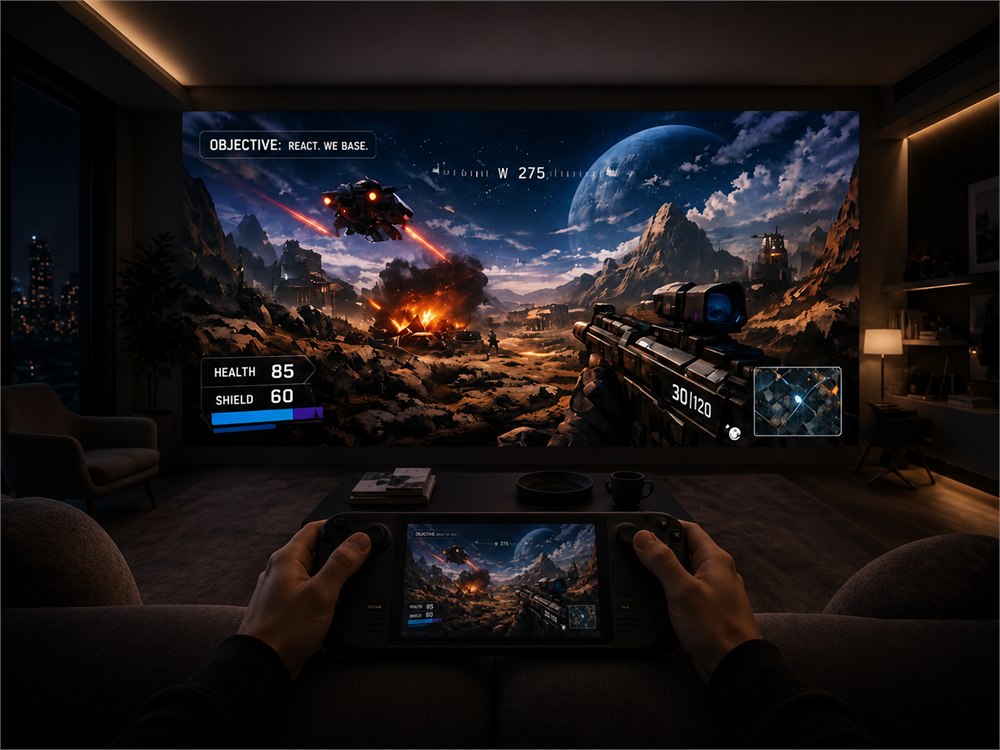
For gaming, the appeal is obvious: a large private screen without mounting a television to your forehead. The official page shows handheld and console-style scenarios, including Steam Deck and Nintendo Switch notes. The Switch needs the Power Hub and a third-party USB-C display adapter, while Windows handhelds are described as working more like PCs. That is exactly the kind of compatibility fine print you want to read before promising your couch that it has become an IMAX theater.
For entertainment, URXR One offers a private cinema-style setup through the companion app on PC and Mac. The company describes it as a front-row virtual cinema with a wide 90-degree field of view. The more grounded translation: you can lie back and watch a big floating screen without negotiating with your actual television, your actual living room, or the actual person who has already claimed the remote.

The Power Hub Keeps Your Face Out of Battery Jail
The glasses themselves do not have an internal battery. They draw power through USB-C, either from the host device or from the optional Power Hub. That design is part of how the frame stays at 93 grams, and it is probably the correct tradeoff if the goal is something you can wear longer than a novelty demo. Nobody needs their cheekbones competing against a lithium pack.
The Power Hub is meant for phones, tablets, Nintendo Switch setups, and longer sessions where your host device either cannot provide the right power or would rather not become a drained husk by lunch. Unseen Reality lists it as a 10,000 mAh pocket battery, and its FAQ says the Power Hub is available on its own for . Full URXR One pricing has not been announced on the product page yet, with the Kickstarter campaign listed as coming in August 2026.
Unseen Reality says URXR One is scheduled around a 2026 rollout, with the glasses targeted for September, the Power Hub following later, and mobile app support planned after the initial Windows and Mac launch. Those dates are engineering targets, so treat them like future tech dates in the normal adult way: interesting, exciting, and best written in pencil.
Images courtesy of Unseen Reality.
Key Details
- Product: Unseen Reality URXR One spatial computing glasses.
- Main function: creates large spatially locked virtual screens from compatible USB-C devices.
- Display: dual 1.03-inch Micro-OLED panels at 2448 x 2064 per eye and 90 Hz.
- Tracking: 3DoF and 6DoF with on-glasses spatial processing, SLAM, IMU, and hand gestures.
- Weight: under 93 grams, with no battery built into the frame.
- Availability: Kickstarter campaign planned for August 2026 through Unseen Reality.
- Price: full glasses pricing has not been announced; the Power Hub is listed at .
URXR One is for people who want the giant-screen fantasy without committing to a full VR headset every time they open a spreadsheet, play a game, or watch a movie in peace. It is still an upcoming product, so the smart move is to watch the Kickstarter details closely, especially around bundle pricing, compatibility, and shipping timing. But as a concept, these glasses are wonderfully overqualified for the ancient human dream of having more screen than desk.
| Pros | Cons |
|---|---|
| Very light 93-gram frame for a spatial display product. | Full pricing for the glasses has not been announced yet. |
| Wide 90-degree field of view with high-resolution Micro-OLED panels. | Requires compatible USB-C video output for basic plug-and-play use. |
| Can create up to three virtual screens through the companion app. | Advanced app features launch on Windows and Mac before mobile. |
| On-glasses spatial processing handles tracking locally. | No built-in speakers, so audio needs the host device or earbuds. |
| Optional Power Hub keeps battery weight off your face. | Phones, tablets, and Nintendo Switch setups may need the Power Hub or adapters. |
| Useful for work, gaming, travel, and private entertainment. | Shipping and app timelines are still future targets. |
Where to find These Spatial Computing Glasses Turn Your Laptop Into a Floating Multi-Screen Setup
OddityMall may earn a commission from qualifying purchases at no extra cost to you.
Related posts:
This Unique Spatial Communication Display Puts Your Face On A Robot During Video Calls
These Power Screens Automatically Screen-In Your Patio With The Push of a Button
This Mama Pig USB Hub Has Three Feeding Piglets That Work as USB Flash Drives
Prepdeck Is an All-In-One Food-Prepping and Cooking Hub