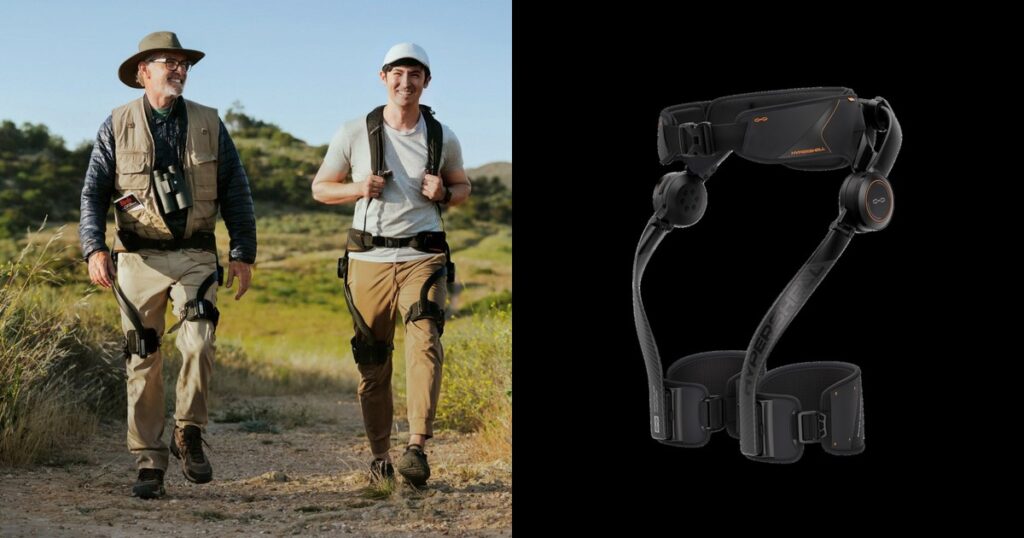
There are two types of hikers: people who say they enjoy the climb, and people who have simply accepted that complaining at a mountain does not flatten it. The Hypershell X Ultra S is for that second group, plus anyone else who has ever looked at a hill and thought, ?What if my legs came with a tasteful amount of robotics??

This thing is a wearable hiking exoskeleton that straps around your hips and legs, then adds powered assistance as you walk, climb, descend stairs, or wander into the kind of trail decision that seemed more reasonable in the parking lot. It is not a full Iron Man suit, which is probably good for both airport security and family gatherings. It is more like giving your lower half an e-bike motor, except the bike is you.
The new X Ultra S sits at the top of Hypershell?s updated X Series. According to Hypershell, the lineup uses its HyperIntuition motion-control system to predict and respond to your movement in real time. In plain human terms, the device is trying to help at the moment your stride actually needs help, instead of awkwardly shoving your legs around like an overconfident dance instructor.
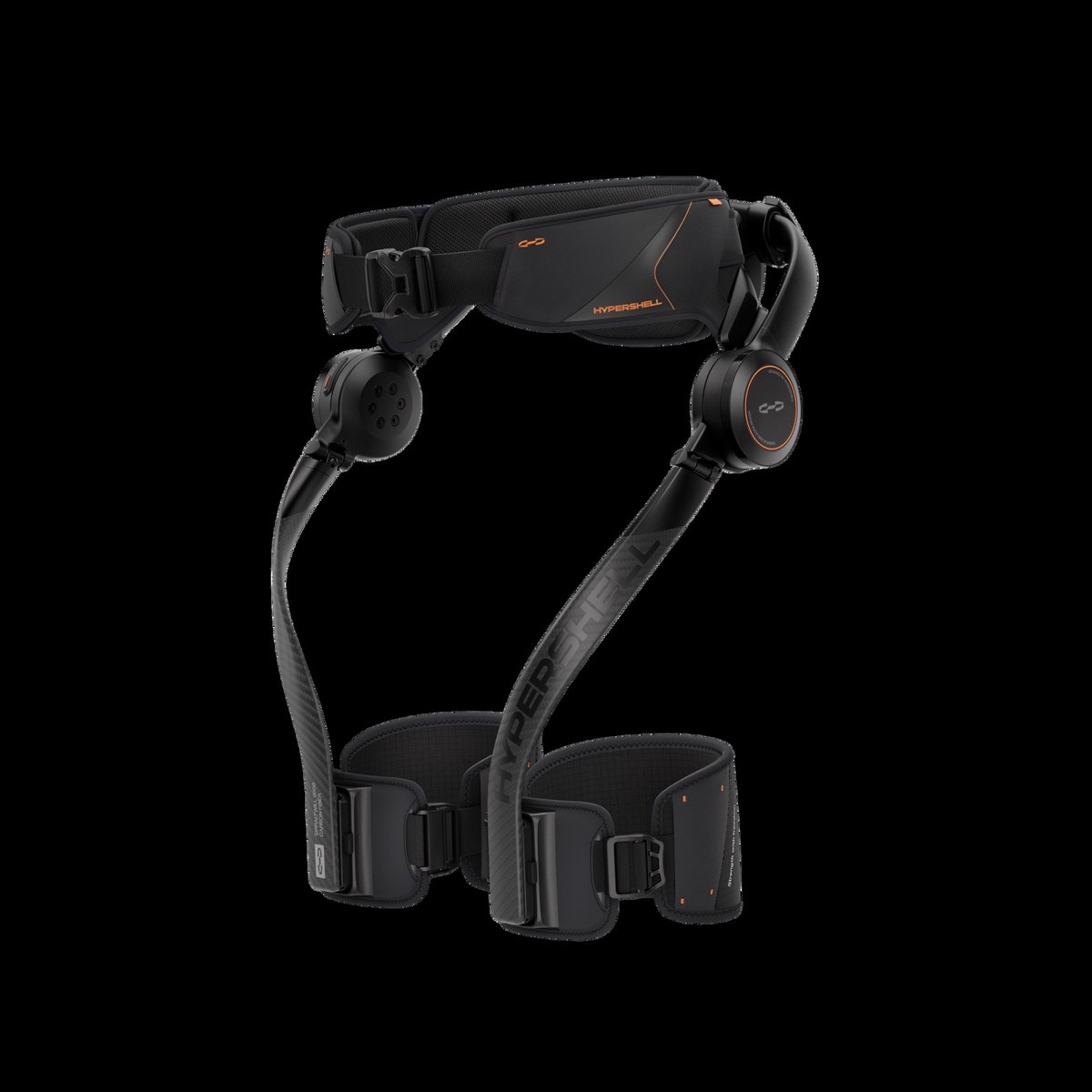
That timing matters. Early consumer exoskeletons have often been judged less by how much power they have and more by how weird they feel when that power arrives. WIRED?s review of the X Ultra S called out the new system as lighter, more refined, and noticeably better timed than earlier attempts, while still noting the obvious truth that, yes, you will remain very aware you are wearing a robotic hip helper. Subtlety has its limits when your pants are being supervised by motors.
How The Robotic Leg Boost Works
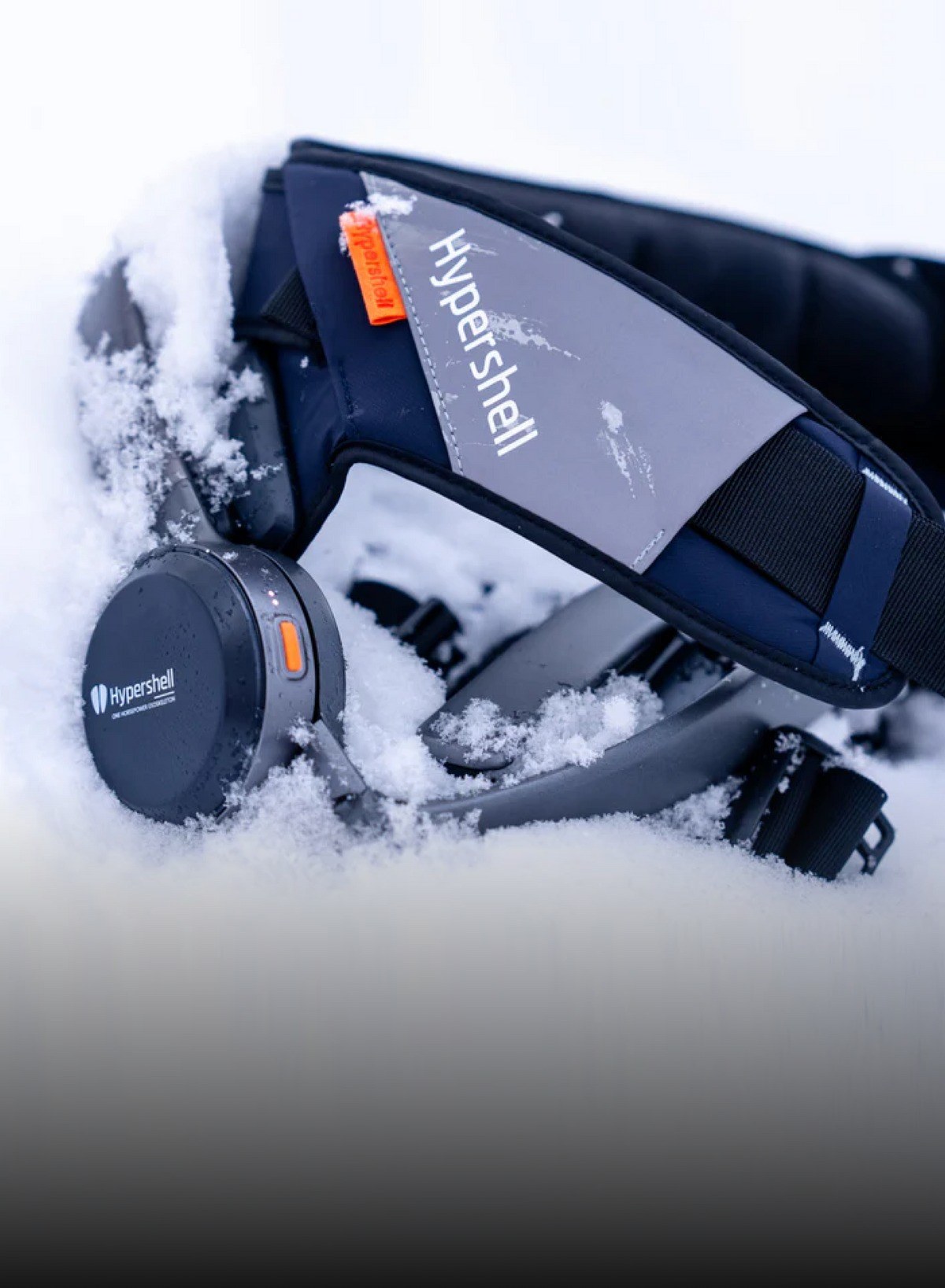
The X Ultra S uses a hip-mounted frame with powered modules that assist your stride. Hypershell lists the flagship model with 1000W peak output, 12 intelligent movement modes, a carbon fiber and titanium alloy build, IP54 dust and water resistance, and cold-weather operation down to -20 degrees C. The product page also says the system folds down for carrying, which is useful because nobody wants to be the person trying to pack a rigid robot pelvis into a hatchback.
Related posts:

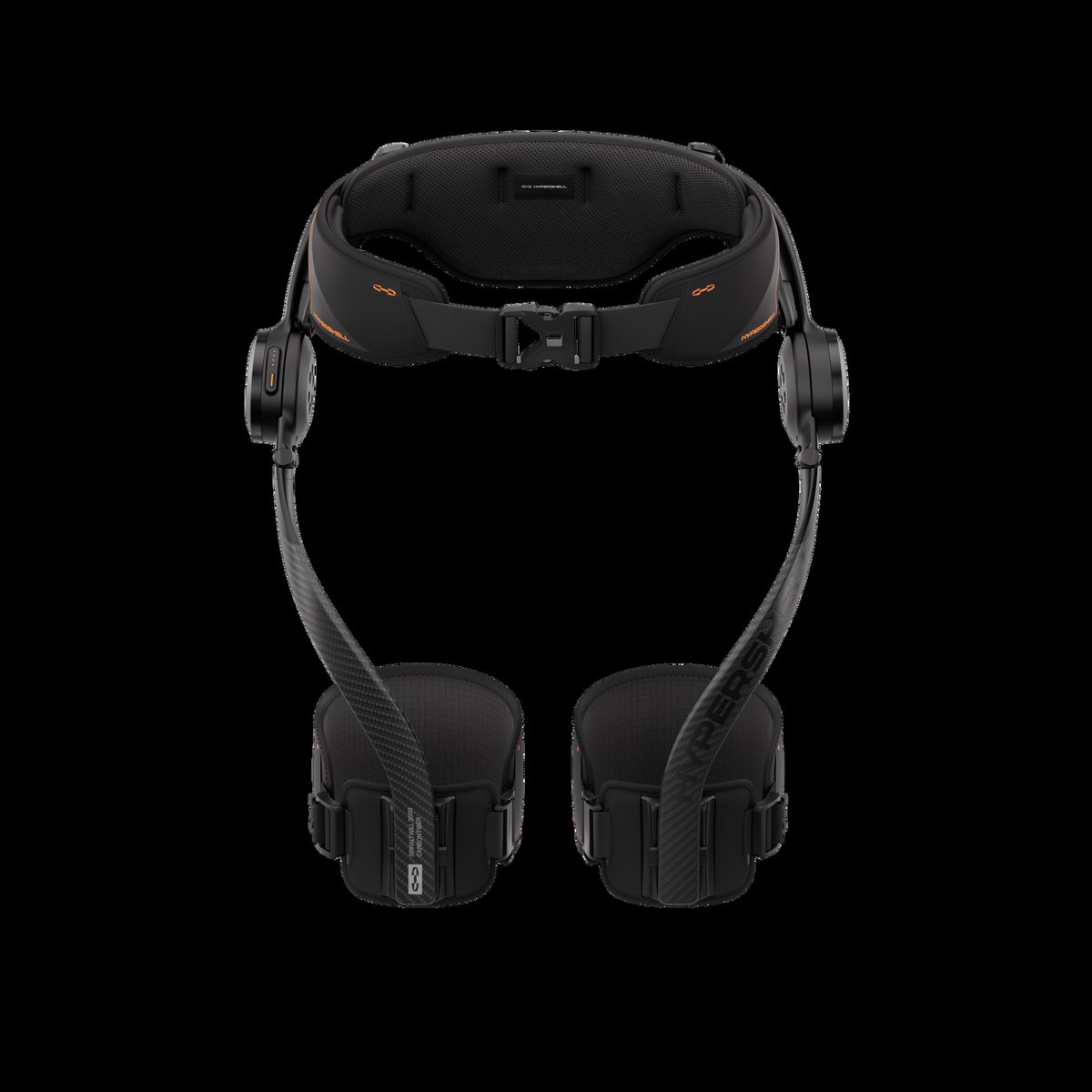
The assistance modes cover common motion patterns like walking, speed walking, uphill, downhill, stairs, cycling, running, mountain, gravel, dune, and snow. The practical idea is simple: on climbs, it helps push; on descents, it can help manage impact. On long days, it tries to make your legs feel less like two cooked noodles arguing with gravity.
This is where the product gets especially OddityMall. It solves a very real problem, but it does so in the most sci-fi way possible: by adding an AI-controlled machine to your lower body so you can go look at trees with less suffering. That is either the future of outdoor recreation or the most elaborate excuse ever invented to avoid doing lunges.
Built For Outdoor Nerds, Not Medical Miracles
Hypershell is careful to describe the X Series as outdoor and everyday mobility support, not a certified medical device. The company says users need to be able to walk independently and maintain balance without assistance. That distinction is important. This is not a replacement for medical equipment or physical therapy advice; it is a powered adventure gadget for people who can already move around and want help doing more of it.
That still leaves a pretty big audience: hikers who want more range, travelers who get destroyed by long walking days, photographers hauling gear up hills, older outdoorsy folks who are not done being outdoorsy, and gadget people who heard ?robot legs? and immediately started measuring their waist.
What Comes With It
The product page lists the box contents as the exoskeleton, battery, USB-C cable, warranty card, and user manual, with battery count depending on the model. Hypershell also includes a fit-check section with measurements for height, weight, waist circumference, hip width, and thigh length, because buying robotic hiking gear apparently requires the same energy as preparing for a very futuristic tailor.
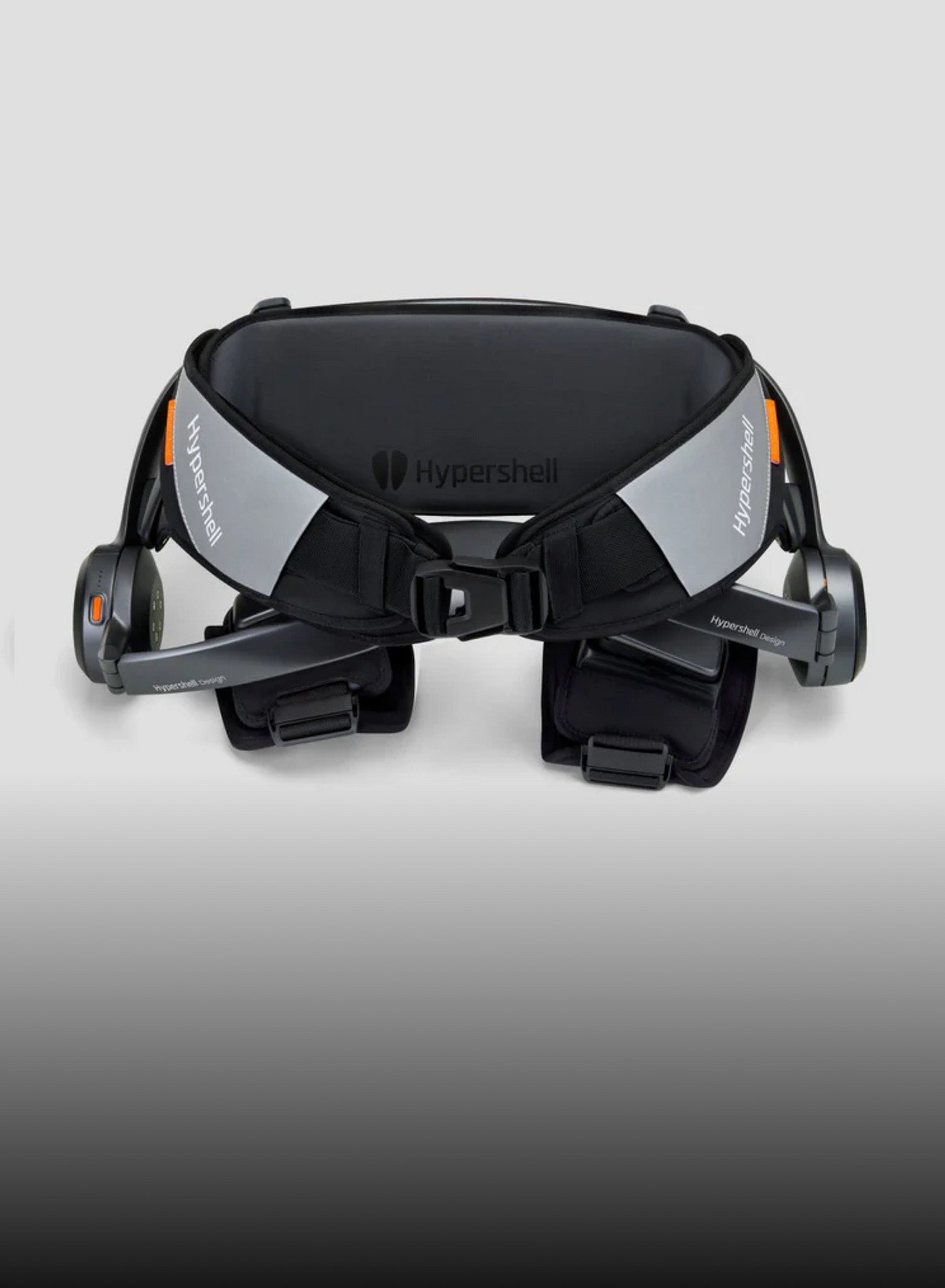
The device is also being sold as part of a broader X Series family. The X Pro S is the entry model, the X Max S sits in the middle, and the X Ultra S is the flagship with the biggest power figure and expedition-focused pitch. That makes the Ultra S the one to stare at when you want the full ?my weekend walk now has firmware? experience.
Images courtesy of Hypershell.
Price And Availability
The Hypershell X Ultra S is listed by Hypershell at $1,999. The X Pro S starts at $999 and the X Max S is listed at $1,499, so there are cheaper ways to get into the robot-leg lifestyle if you do not need the top-spec version. At the time of writing, the product page shows X Series models as available directly from Hypershell, with shipping timing varying by model.
Is this a necessary purchase? Absolutely not for most people. Is it one of those products that makes you briefly imagine showing up to a casual neighborhood walk with a thousand watts of lower-body ambition? Unfortunately, yes. The mountain may still win, but at least now your legs can file a formal complaint with battery assistance.
Where to find This AI Hiking Exoskeleton Gives Your Legs a Robotic Boost
OddityMall may earn a commission from qualifying purchases at no extra cost to you.