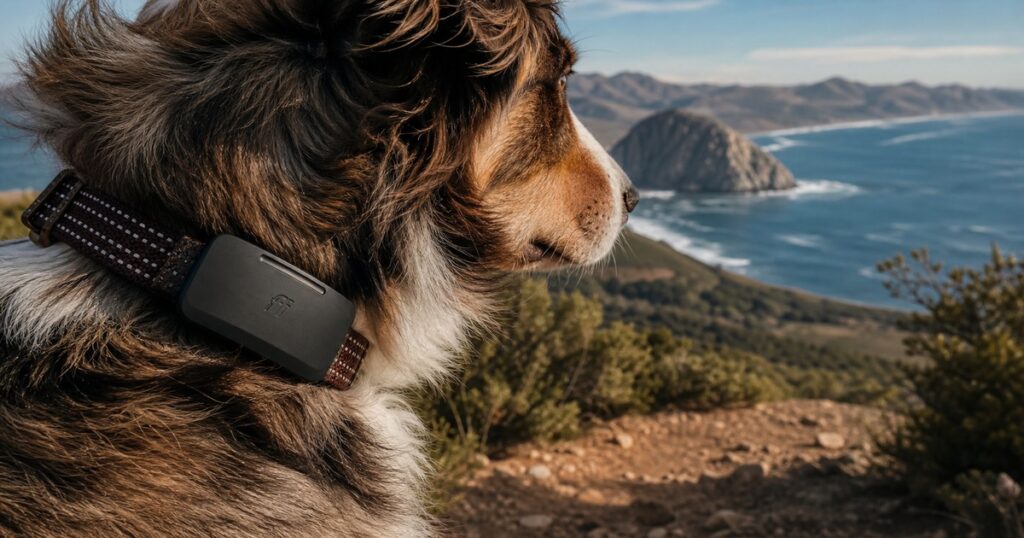
There are two kinds of dog owners in this world: people whose dogs politely stay where they are told, and people who have watched a furry little escape artist vanish into the trees with the confidence of a retired jewel thief. The Fi Ultra is for the second group, which is to say it is for reality.

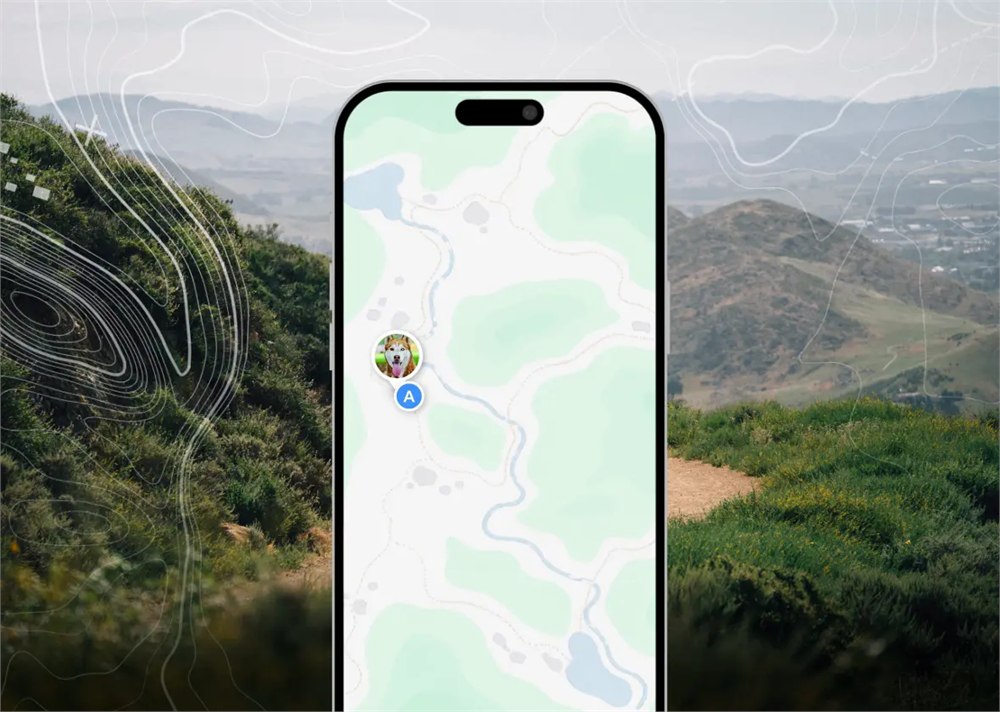
The Fi Ultra is a satellite-connected dog tracker that uses T-Satellite with Starlink when regular cell coverage is not around to help. It still works like a modern GPS pet tracker in everyday life, using LTE, Wi-Fi, Bluetooth, and GPS, but the headline trick is that it can fall back to satellite connectivity in remote areas where your phone has become a very expensive rectangle for checking old photos.
That makes it less of a polite little collar gadget and more of a tiny wilderness insurance policy for dogs who believe every open gate is a personal invitation from destiny. Fi announced the Ultra on July 8, 2026, positioning it as a consumer dog wearable built for hiking, camping, rural properties, road trips, and all the other places where the phrase “he usually comes when called” starts sounding like a courtroom defense.
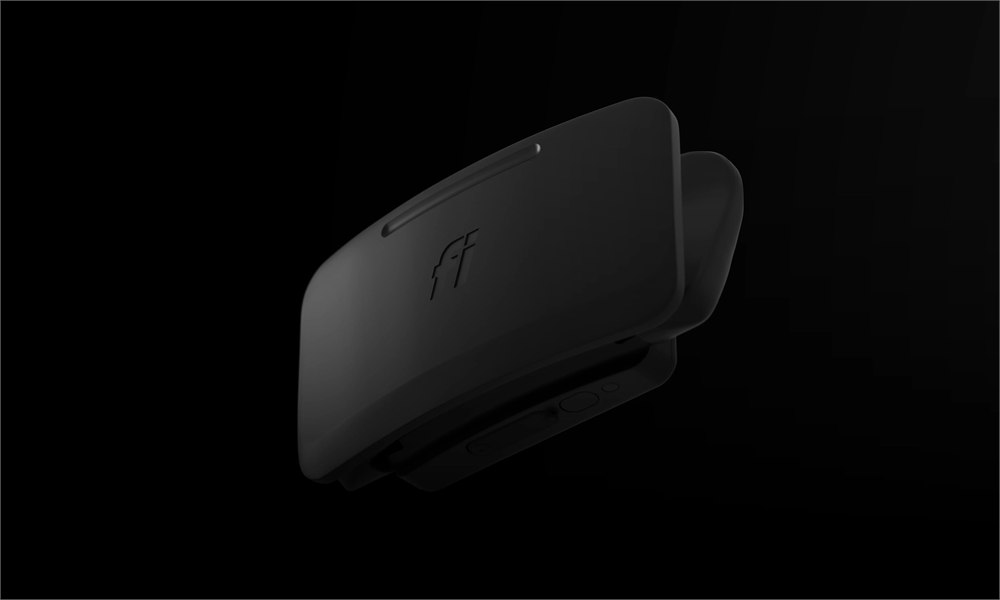
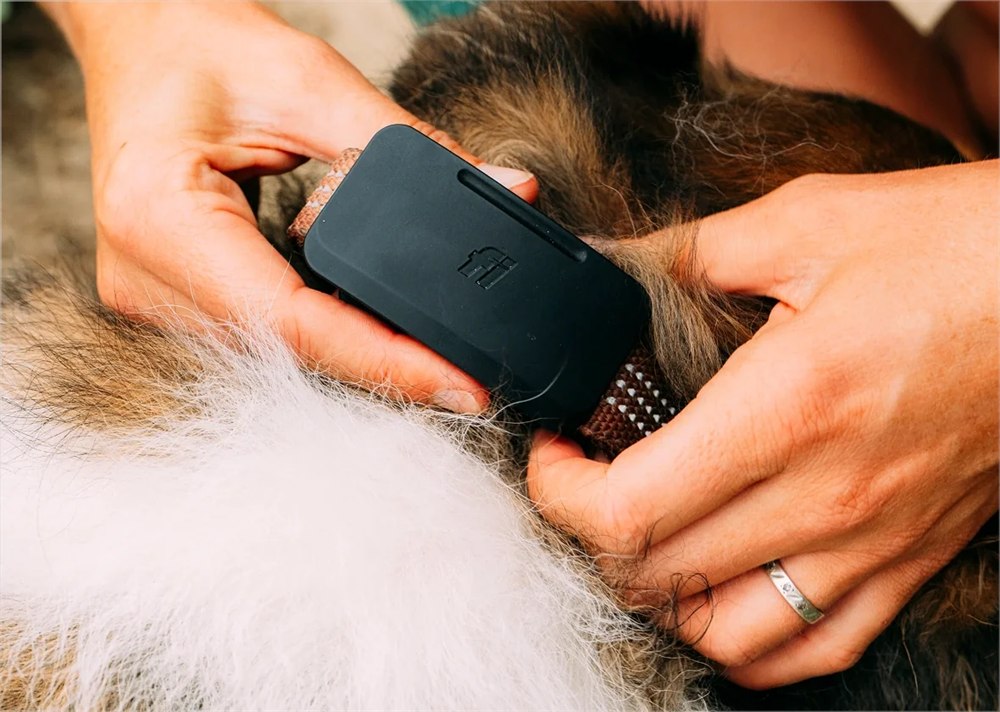
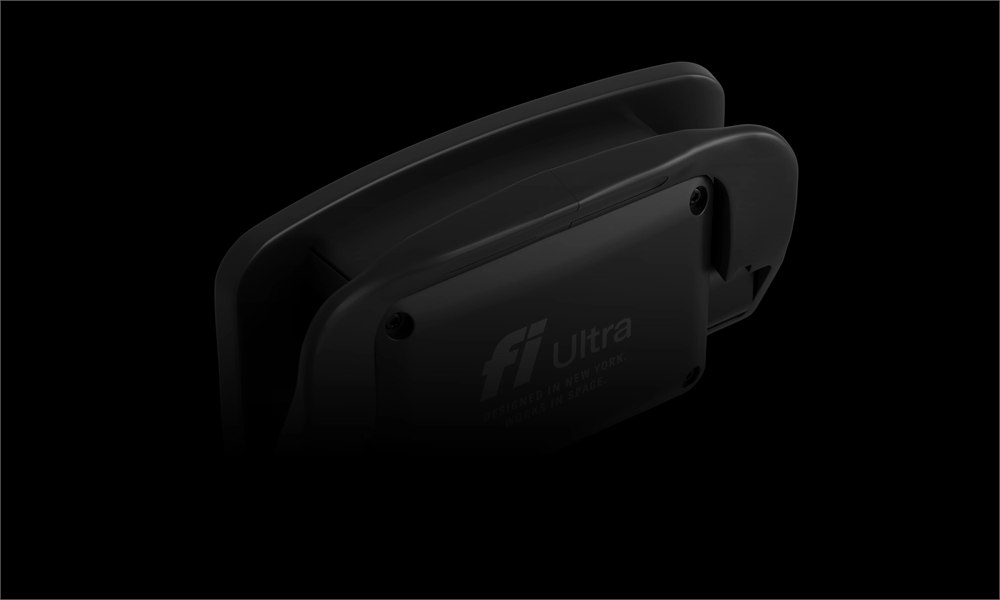
Physically, the tracker is a small matte black module that mounts to a collar or harness. It keeps the clean rounded Fi hardware language, but the Ultra is clearly being sold as the tougher, more adventure-minded sibling: waterproof, dustproof, chew-resistant, and secure enough for dogs who treat underbrush like a competitive sport.
What Makes It Different
Most pet trackers are only as brave as the network beneath them. In town, that is usually fine. Around neighborhoods, parks, groomers, doggy daycare, and the forbidden patch of mulch by the mailbox, LTE tracking is plenty useful. The comedy begins when your dog takes a hard left into a dead zone and the tracker has to explain, spiritually, that it did its best.
Related posts:
 This Smart Dog Collar Has GPS Tracking and an Activity Monitor
 This Bubble Window For Your Fence Allows Your Dogs To Peek To The Other Side
 These GPS Tracking Shoe Insoles Help You Keep Track Of Your Kids or Seniors With Dementia
 You Can Now Get a Cursing Dog Collar That Will Cuss Every-time Your Dog Barks
Fi Ultra is built around automatic network switching. The device can use nearby connections when they are available, then lean on T-Satellite with Starlink coverage when the normal options disappear. It is not promising that your dog has joined NASA. It is promising a more resilient path back to location updates when ordinary coverage gets patchy.
That is the kind of feature that feels excessive until the exact day it does not. A dog wandering out of cell range is not a fun hypothetical for people who live near woods, fields, beaches, farms, lakes, or any property where “just behind the shed” turns into a suspiciously long silence.
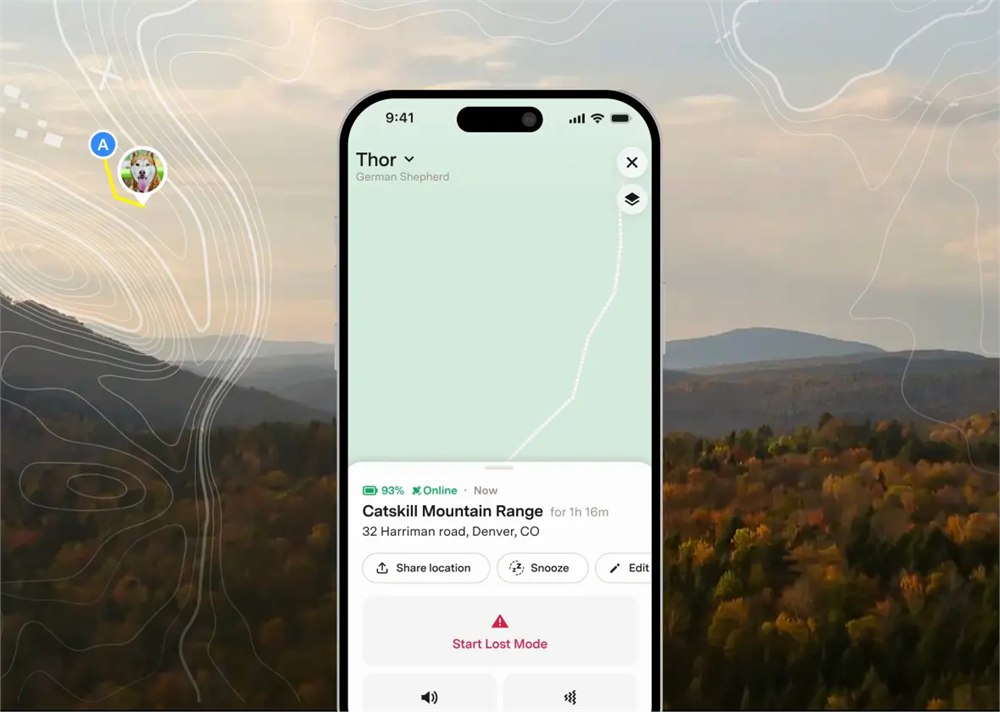
Fi also includes a feature called Callback, which uses sound and vibration as a recall cue. In plain human terms, it is a button for reminding your dog that yes, the squirrel conference is probably very important, but dinner exists and so do consequences. Fi describes it as a humane way to train a return signal through the tracker, rather than relying only on screaming a name into the horizon like a haunted baseball coach.
- Automatic fallback from everyday networks to T-Satellite with Starlink when coverage drops.
- LTE, Wi-Fi, Bluetooth, GPS, and satellite connectivity working together for location tracking.
- Callback sound and vibration cues for recall training in supported situations.
- Waterproof, dustproof, and chew-resistant construction for dogs with outdoor hobbies and poor impulse control.
- A secure attachment design meant for collars or harnesses instead of a dangling tag.
The Practical Bits
The biggest thing to understand is that Fi Ultra is not just a prettier key finder for your dog. It is a tracking system built around layers: short-range connections for normal life, GPS for location, cellular where available, and satellite assistance for the stretches where normal coverage taps out and pretends it never met you.
| Feature | What It Means For Dog Owners |
|---|---|
| T-Satellite with Starlink | Helps provide tracking connectivity outside regular cell coverage areas. |
| LTE, Wi-Fi, Bluetooth, and GPS | Handles everyday location tracking across common home, town, and travel situations. |
| Callback cues | Uses sound and vibration to support recall training. |
| Rugged body | Made for water, dust, chewing, and general dog-led nonsense. |
| USB-C battery | Fi lists up to five days of battery life per charge. |
The battery claim is worth noting because satellite-capable gear can sometimes feel like it was designed by people who assume you live next to an outlet. Fi lists up to five days of battery life, with USB-C charging, which is a reasonable adventure window for weekend trips, multi-day travel, or a dog who has decided the back forty is now a personal kingdom.
The design is also refreshingly not tag-shaped. A dangling tracker can be fine for some dogs, but many active pets have the neck area of a demolition site. Fi Ultra sits against the collar or harness, which should help with comfort, snag resistance, and keeping the tracker where it belongs instead of letting it become a very expensive forest ornament.
Who This Is Really For
City dog owners can still use a tracker like this, but the Ultra feels aimed at people whose pets have access to bigger, messier maps. Think hiking dogs, cabin dogs, farm dogs, camping dogs, beach dogs, trail dogs, and the deeply suspicious suburban dog who has somehow learned that the neighbor’s open garage is a portal to freedom.
It is also a strong fit for owners who already know the emotional math of pet tracking. You are not buying a gadget because you think your dog is a problem. You are buying it because dogs are joyful little chaos engines with legs, and the one time you need a tracker to be more than decorative, you will want it to be boringly competent.
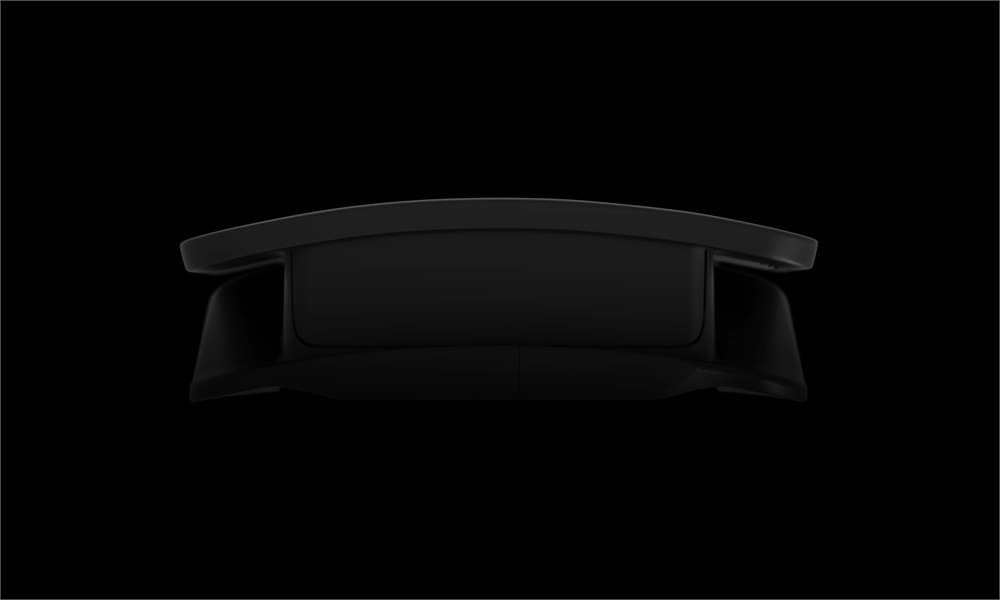
The satellite feature is the obvious star, but the less glamorous parts matter too. Waterproofing matters when a dog sees water and temporarily becomes a small boat. Dust resistance matters on trails. Chew resistance matters because some dogs believe everything attached to their body is a betrayal that must be investigated with teeth.
There is also the comfort of having one system for everyday tracking and rougher trips. You do not have to mentally sort your dog into “normal dog” and “adventure dog” modes. The same tracker is meant to follow along from the backyard to the trailhead, and then into the sort of place where your phone’s signal bars go to retire.

Availability And Price
Fi lists the Ultra for purchase through its own shop, with the device priced at $199 and a required satellite plan listed at $189 per year for new members. That puts it in serious-pet-tech territory, but the pitch is fairly clear: it is for owners who see wider coverage and a tougher tracker as part of the safety kit, not just a cute app-connected accessory.
As always with connected pet gear, the real value depends on your dog, your terrain, and your tolerance for monthly or yearly plan math. If your dog mostly rotates between couch, sidewalk, and one ceremonial patch of grass, this may be overbuilt. If your dog has ever looked at a tree line like it contained classified information, the Ultra starts making a lot more sense.
Images via Fi.
- Product: Fi Ultra satellite dog tracker
- Core function: GPS dog tracking with T-Satellite with Starlink fallback outside cellular coverage
- Other connections: LTE, Wi-Fi, Bluetooth, and GPS
- Recall feature: Callback sound and vibration cue
- Build: Waterproof, dustproof, chew-resistant, and made for collar or harness attachment
- Battery: Up to five days per charge, with USB-C charging
- Listed price: $199 device plus $189 per year satellite plan for new members
| Pros | Cons |
|---|---|
| Satellite fallback makes it more useful beyond normal cell coverage. | The yearly satellite plan adds a real ongoing cost. |
| Combines everyday tracking networks with remote-area backup. | It may be more tracker than casual city-only owners need. |
| Callback adds a practical recall-training cue. | Recall features still require training and dog cooperation. |
| Rugged waterproof and dustproof build fits outdoor dogs. | Battery life still needs charging discipline before long trips. |
| Collar or harness attachment looks more secure than a dangling tag. | Satellite performance will depend on real-world coverage and conditions. |
Where to find This Satellite Dog Tracker Uses Starlink When Cell Service Gives Up
OddityMall may earn a commission from qualifying purchases at no extra cost to you.
Related posts:
This Smart Dog Collar Has GPS Tracking and an Activity Monitor
This Bubble Window For Your Fence Allows Your Dogs To Peek To The Other Side
These GPS Tracking Shoe Insoles Help You Keep Track Of Your Kids or Seniors With Dementia
You Can Now Get a Cursing Dog Collar That Will Cuss Every-time Your Dog Barks