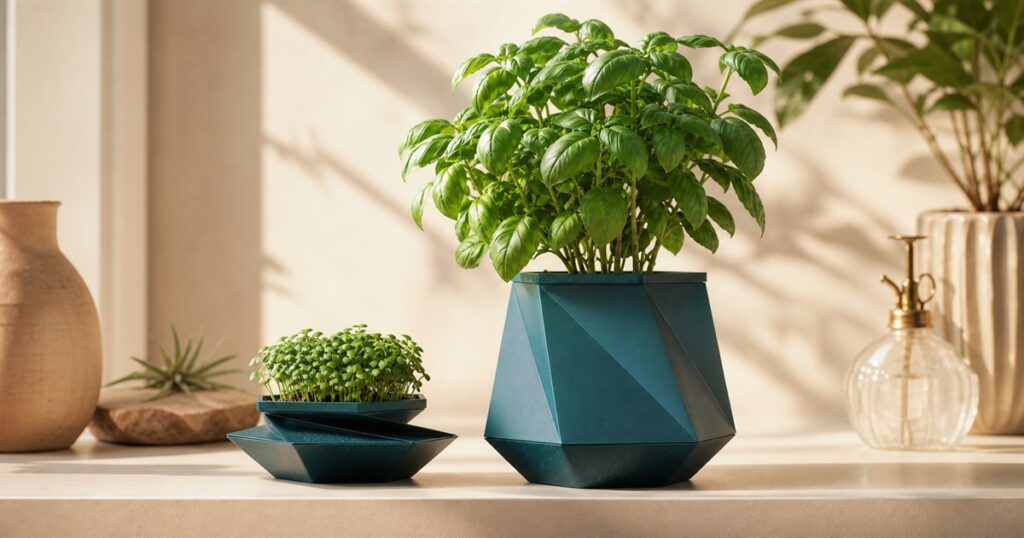
Some houseplants do not die dramatically. They die like tiny office employees who have simply stopped believing in management. One week they are perky little citizens of the windowsill, the next week they are leaning sideways in a pot that is either bone dry, swampy, or somehow both, which is a real achievement for dirt in a bowl.
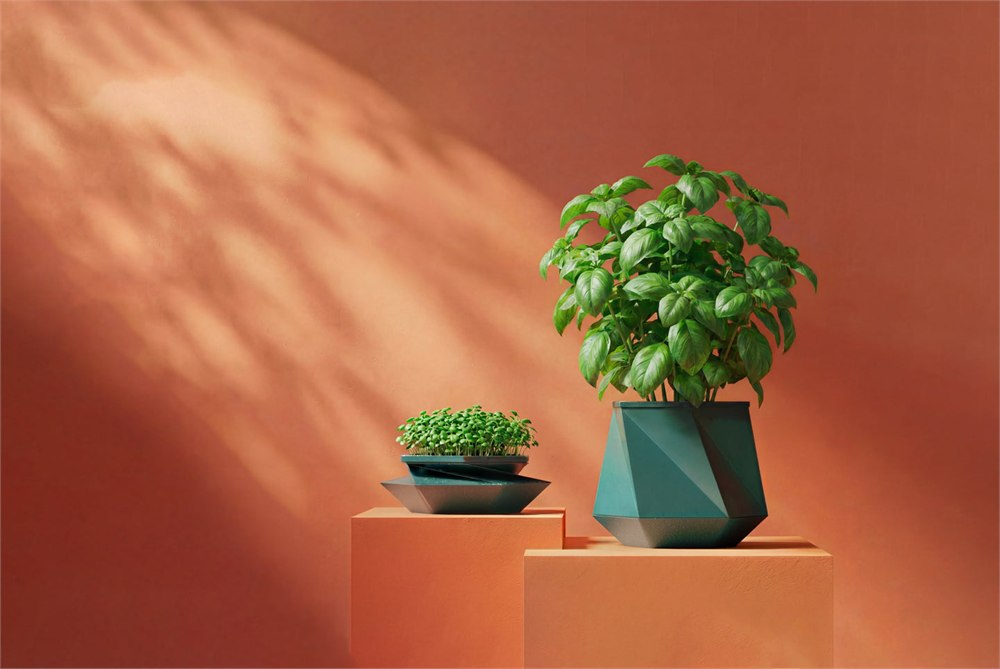
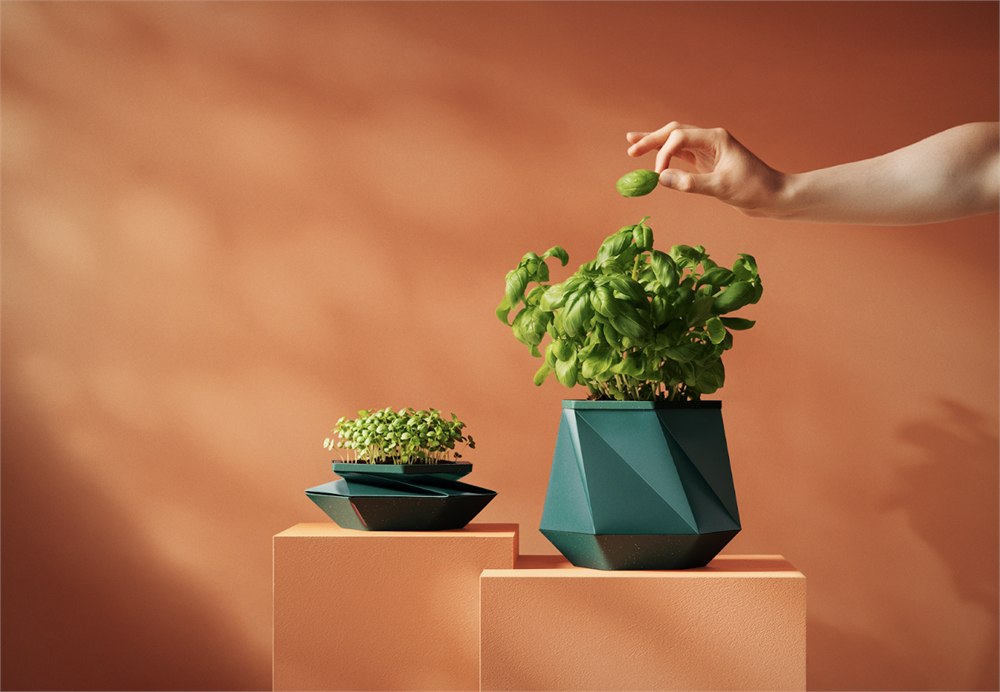
The POTR Helix is a self-watering expanding plant pot designed to grow along with the plant inside it, which is a wonderfully polite way of saying that your basil no longer has to move apartments every time it becomes slightly more ambitious. It is an origami-inspired planter from Scottish design company POTR, and the whole idea is to take the usual seedling-to-houseplant chaos and give it one adaptable little home.
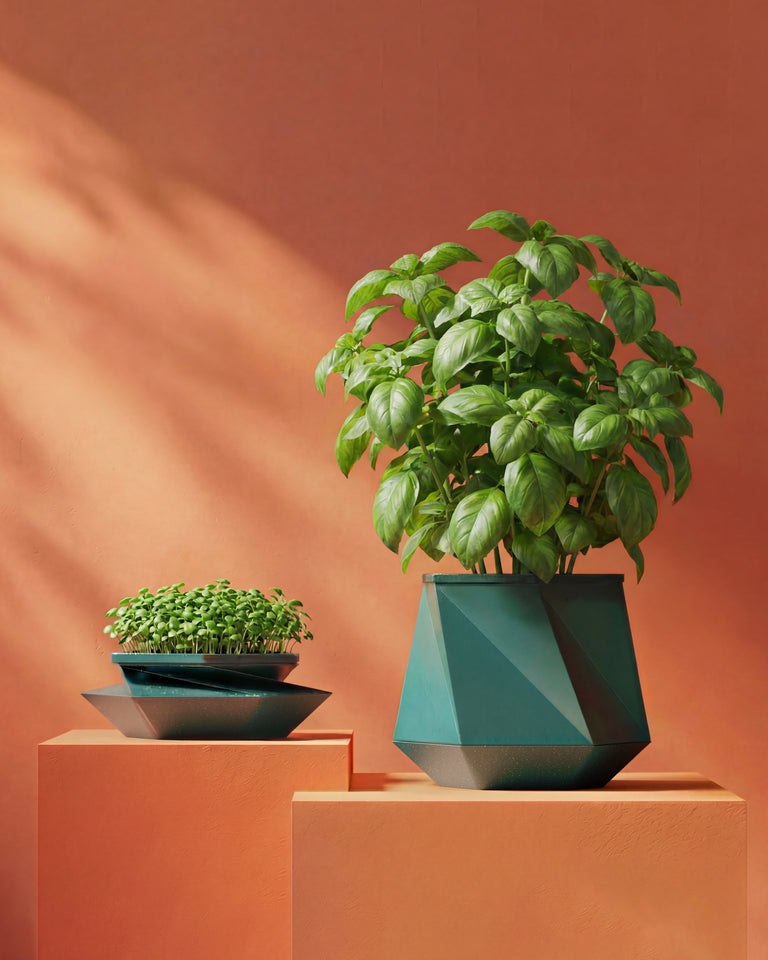
Instead of starting a plant in one container, moving it to another, realizing you bought the wrong size, spilling soil on the floor, apologizing to a spider plant, and then repeating the entire ritual six months later, Helix uses a folded, twisting structure that expands in both diameter and depth. It starts as a compact setup for early growth, then opens up into a larger planter as the root system needs more room.
That is the rare plant-care idea that sounds like a gimmick until you remember how much of indoor gardening is just guessing. Is the plant thirsty? Is it drowning? Does it need more space, or is it just being theatrical near the radiator? Helix tries to make those decisions less mysterious by combining a built-in water reservoir, a capillary wick, and a pot body that can physically grow with the plant.
A Plant Pot That Expands Instead of Demanding a Repotting Ceremony
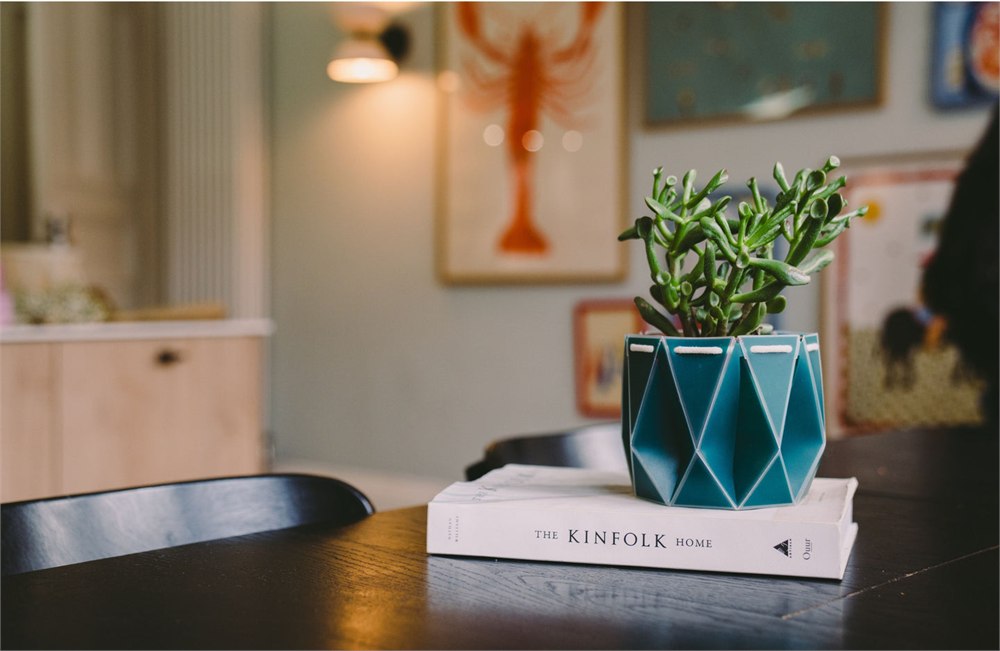
The most unusual part is the expanding body. POTR describes Helix as a pot that adapts alongside the plant, while coverage of the launch says it can move from a small seed-starting size into a larger planter with much more soil capacity. The design is based around folded geometry, giving the pot that faceted, almost architectural shape instead of the usual round plastic tub that looks like it came from a garden center witness protection program.
Related posts:
 Parrot Smart Plant Watering Pot – Automatic Plant Waterer – Control It From Your Phone
 These Glow In the Dark Illuminated Planters Will Make Your Backyard Look Incredible
 These Self-Watering Dinosaur Planters Slurp Up Their Water As They Need It
 You Can Get Your Plant a Watering IV Bag So You Can Stop Killing Your House Plants
When the plant needs more room, the user twists the pot open and adds fresh compost around the existing roots. The point is to give the plant more soil and space without yanking the whole root ball out of one pot and stuffing it into another like a botanical suitcase that will not zip.
That matters because repotting can be rough on plants. Even when done carefully, it can disturb the root system and introduce a nice little afternoon of uncertainty for everyone involved. Helix is meant to reduce that drama by letting the same container serve more stages of growth, from seed or cutting to a more established herb or houseplant.
There is also a practical apartment angle here. A lot of people want to grow herbs or keep houseplants alive, but they do not have a shed full of pots, trays, supports, and specialty gear. They have one sunny windowsill, a drawer full of takeout menus, and a dream of becoming the sort of person who says, “I just grabbed some basil from the kitchen.” Helix is very much aimed at that person.
The Self-Watering Part Is Doing Real Work
The self-watering system sits in the base and uses a wick to move water up into the soil as needed. That does not mean the plant becomes a roommate with a pension plan and full independence. You still have to refill the reservoir and notice that the green living thing exists. But the system is designed to smooth out the feast-or-famine watering schedule that many houseplants endure under human supervision.
Instead of flooding the soil because you suddenly remembered plants are alive, or forgetting for a week because life became emails, the reservoir lets water move into the growing medium more gradually. POTR has built its broader line around flat-pack, self-watering planters, so Helix feels like the next logical mutation: same low-maintenance concept, but now with a pot body that can physically change size.
- Expands as the plant grows, reducing the need to move it into a series of larger pots.
- Uses a hidden reservoir and capillary wick to help keep soil moisture more consistent.
- Ships flat, which makes the product easier to store, gift, and send.
- Is made from recycled polypropylene, keeping the design lightweight and flexible.
- Works with accessories for seed starting, cutting propagation, and climbing-plant support.
- Can be used indoors or outdoors, depending on the plant and growing conditions.
The pot is made from recycled polypropylene, which is a good match for the folding structure because it can be lightweight and resilient without pretending to be a precious ceramic object that shatters the moment it hears a cat approach. POTR also says the flat-pack format fits its wider sustainability philosophy, since shipping a flatter product can reduce the bulk associated with traditional plant pots.
The Accessories Turn It Into a Tiny Plant Life-Cycle Station
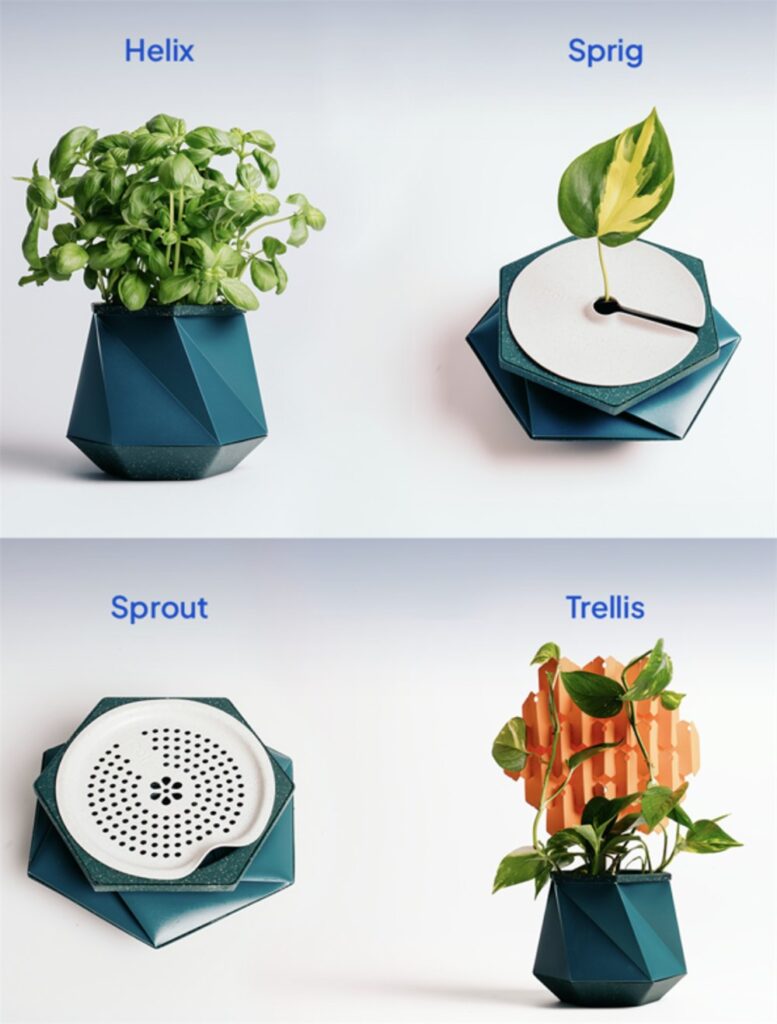
Helix is not just the pot body. The campaign and launch coverage describe companion pieces for seed starting, propagation, and climbing support. The Sprout plate is for germinating seeds, the Sprig plate is for rooting cuttings, and the Trellis pieces are meant to support climbing plants as they grow upward and begin auditioning for the role of indoor jungle.
This is where the product becomes more interesting than “nice planter, good luck.” Seedlings, cuttings, herbs, and climbing plants usually ask for slightly different setups. One wants a tray. One wants a glass of water. One wants structural support. One wants you to stop looking at it directly. Helix tries to collapse several of those little side quests into one modular system.
| Helix Part | What It Is For | Why It Matters |
|---|---|---|
| Expanding pot body | Growing from early plant stages into a larger planter | Reduces repeated repotting and lets fresh soil be added around existing roots |
| Self-watering base | Holding water below the soil | Helps smooth out overwatering and underwatering between refills |
| Sprout plate | Starting seeds | Gives seedlings a purpose-built beginning before they move into the pot |
| Sprig plate | Propagating cuttings | Supports new roots without needing a separate jar parade on the windowsill |
| Trellis accessory | Supporting climbing plants | Adds vertical help as vines and climbers get ideas above their station |
The angled shape also lets multiple Helix pots sit together in a more tessellated arrangement than a crowd of round pots. That is useful if you are building a little herb station or trying to convince your kitchen windowsill that it is now an urban farm. It also gives the pot a sharper visual identity, which matters because a planter is technically furniture for dirt.
Helix comes from POTR, a Glasgow-based company founded by Andrew Flynn and Eilidh Cunningham. The company is known for self-watering flat-pack planters and has reportedly sold more than 100,000 units of its original POTR pot. Helix was also shortlisted for Product of the Year at the RHS Chelsea Flower Show 2026, which is exactly the kind of event where a plant pot has to look confident while surrounded by people who know what compost actually is.
It Is Weirdly Sensible for People Who Kill Herbs With Confidence
The best audience for Helix is not the master gardener who already has labeled seed trays, pruning scissors, and a watering schedule that looks like an airport operations board. It is the person who wants the fresh-herb fantasy but has been betrayed by basil before. It is for apartment dwellers, countertop growers, plant-gift people, and anyone who likes the idea of a planter that is a little more engineered than a plastic bucket with vibes.
The product also has gift energy. Because it ships flat and has a clear visual trick, it is easier to understand than many gardening gadgets. “This pot grows with the plant” is the kind of sentence that makes sense before coffee. It also avoids the awkwardness of giving someone a plant that immediately arrives with homework, guilt, and a silent demand for the correct light exposure.
Of course, Helix is not magic. Plants still need light, the right growing medium, and a person who occasionally checks the water reservoir. A self-watering pot cannot fix a windowless room, an unsuitable plant choice, or the deeply human belief that “I watered it recently” means anything specific. But it can remove some of the repetitive gear changes and watering guesswork that make small-scale growing feel more complicated than it should.
That is the real appeal here. Helix is not trying to turn your apartment into a farm. It is trying to make a small plant setup less fragile, less messy, and less dependent on you remembering exactly when a seedling has earned a bigger pot. It is a neat bit of everyday design: visible enough to be charming, functional enough to justify itself, and odd enough to make the windowsill feel like it joined a tiny engineering department.
Availability and Price
The POTR Helix launched on Kickstarter on June 30, 2026, with early coverage reporting strong support in the first days of the campaign. The current campaign pricing noted by launch coverage starts around $55, or GBP 42, with an expected retail price around $100 depending on package and region. Global shipping is listed for later in 2026, with campaign packages varying by quantity and accessory configuration.
- Product: POTR Helix self-watering expanding plant pot.
- Core function: A planter that expands as the plant grows, helping reduce repotting.
- Watering system: Hidden reservoir with capillary wick for steadier soil moisture.
- Materials: Recycled polypropylene in a flat-pack folded structure.
- Accessories: Sprout seed plate, Sprig propagation plate, and Trellis support pieces.
- Use cases: Herbs, seedlings, cuttings, houseplants, and small-space indoor growing.
- Current price note: Kickstarter pledge pricing starts around $55 / GBP 42.
| Pros | Cons |
|---|---|
| Expands with the plant instead of forcing repeated pot swaps | Still requires the right plant, light, soil, and occasional water refills |
| Self-watering reservoir helps reduce daily watering guesswork | Kickstarter availability means buyers should review campaign timing and risks |
| Flat-pack recycled polypropylene design is lightweight and giftable | Plastic construction may not satisfy people who prefer ceramic or terracotta pots |
| Accessories cover seeds, cuttings, and climbing plants | Accessory needs depend heavily on what you actually plan to grow |
| Distinct angular shape looks sharper than a standard nursery pot | The faceted design is more modern than rustic, which may not fit every room |
Where to find This Self-Watering Plant Pot Expands as Your Plant Grows
OddityMall may earn a commission from qualifying purchases at no extra cost to you.
Related posts:
Parrot Smart Plant Watering Pot – Automatic Plant Waterer – Control It From Your Phone
These Glow In the Dark Illuminated Planters Will Make Your Backyard Look Incredible
These Self-Watering Dinosaur Planters Slurp Up Their Water As They Need It
You Can Get Your Plant a Watering IV Bag So You Can Stop Killing Your House Plants