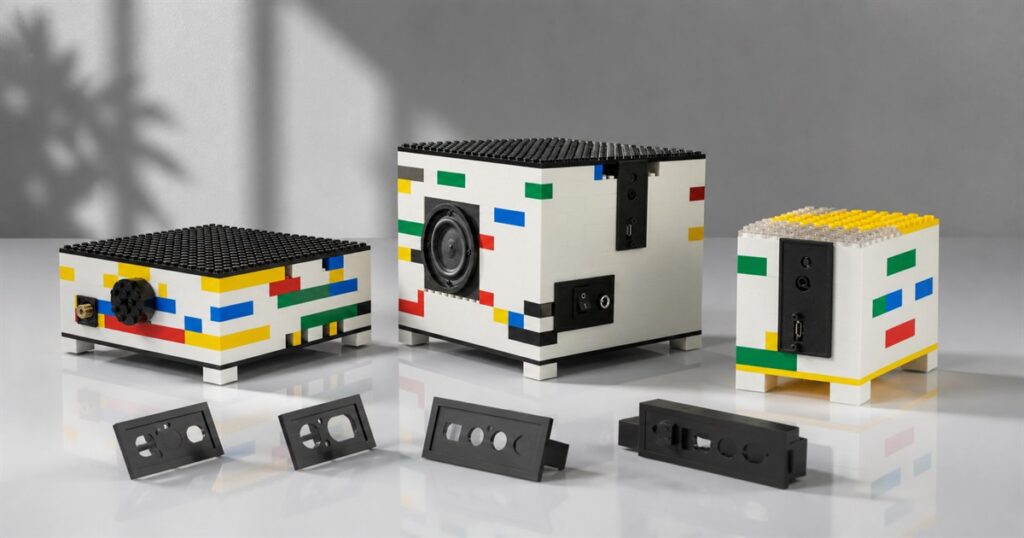
Somewhere between the grown-up sadness of black metal audio boxes and the childhood joy of dumping a bucket of bricks onto the floor, Audio Bricks has arrived to suggest that maybe your hi-fi system should look less like a tax document and more like a tiny sound castle with RCA ports.
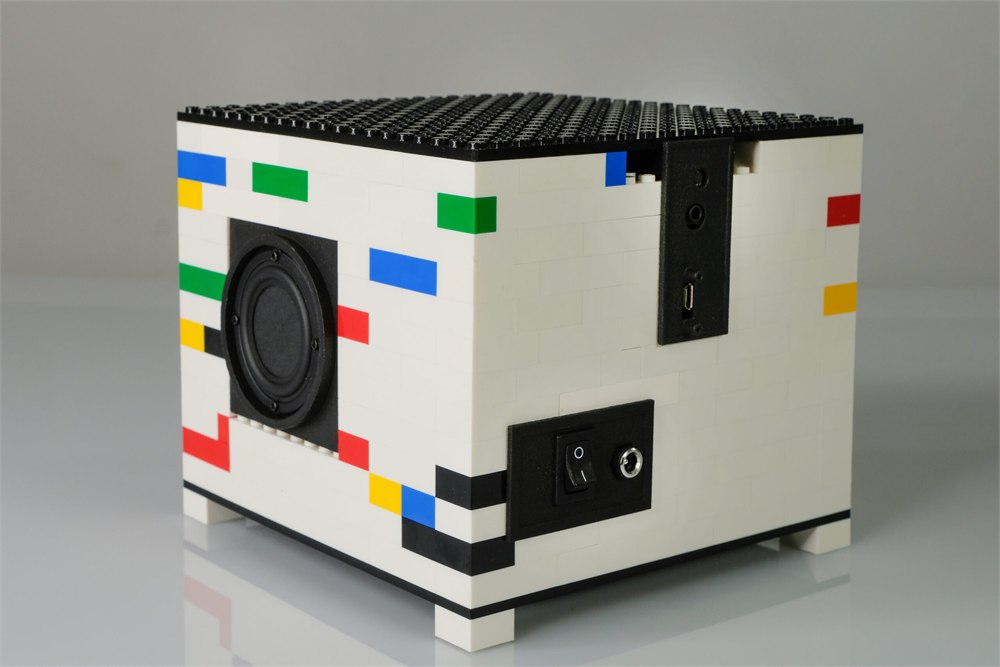
Audio Bricks is a modular LEGO-style hi-fi system from Italian designer Paolo Caviglia, built around patented adapters that let real audio components live inside standard building-brick structures. The result is not a novelty speaker pretending to be serious. It is a serious little audio platform that happens to look like it escaped from a very focused playroom.
The idea is wonderfully dangerous for anyone who already owns too many cables and still says things like, “I can probably make that cleaner.” Instead of buying one sealed audio box and accepting its permanent personality, Audio Bricks lets you build, unbuild, and rebuild components around adapter modules. Today it might be a Wi-Fi streamer. Tomorrow it might be a headphone amplifier. Eventually, if left unsupervised near a coffee table, it may become a full music center that judges your furniture.
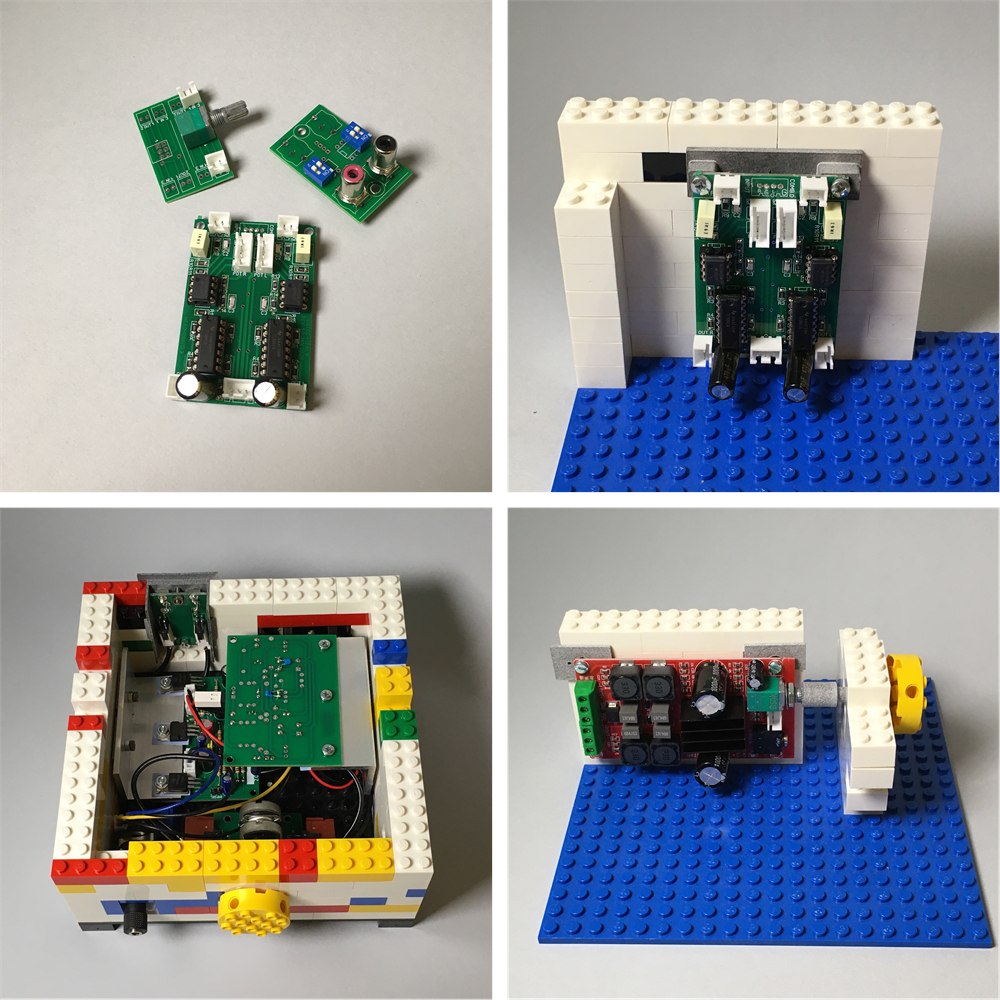
The brick shells are the visible fun part, but the adapters are the actual trick. According to Audio Bricks, those adapters hold the electronics, connect specific printed circuit boards, and snap into the brick structure without soldering, wiring, glue, or tools. That means the system is meant to feel more like building a physical object than assembling a traditional electronics project, while still ending with something that plays real music through real audio hardware.
There are two kinds of people this immediately threatens. The first is the person who loves music but hates the dead-eyed design language of most home audio gear. The second is the maker who sees every product as an unfinished sentence. Audio Bricks appears to be courting both groups at once, which is how you get a product that can be ordered as a kit, requested as a fully assembled plug-and-play unit, or approached through printable adapter files and open-source hardware documents.
Related posts:

For listeners, the company describes builder kits with the PCB already mounted to the adapter, bricks and power supply included, and a step-by-step guide. For people who want the sound but not the ritual of realizing they put a wall on backward, Audio Bricks also offers fully assembled, tested plug-and-play units on request. For makers, the path includes STL files for adapter packs, ready-printed adapters, open-source schematics, Gerber files for audio PCBs, and suggested suppliers.
How the Brick-Built Hi-Fi System Works
The system is built around a growing family of adapters. Each adapter has a specific job, whether that means holding a PCB, handling power, providing signal connections, or becoming part of a larger structural frame. Once those pieces are inside the brick shell, the whole device can be rearranged like a modular object instead of treated like a sealed appliance.

Audio Bricks shows several builds that explain the concept without requiring a degree in advanced cable anxiety:
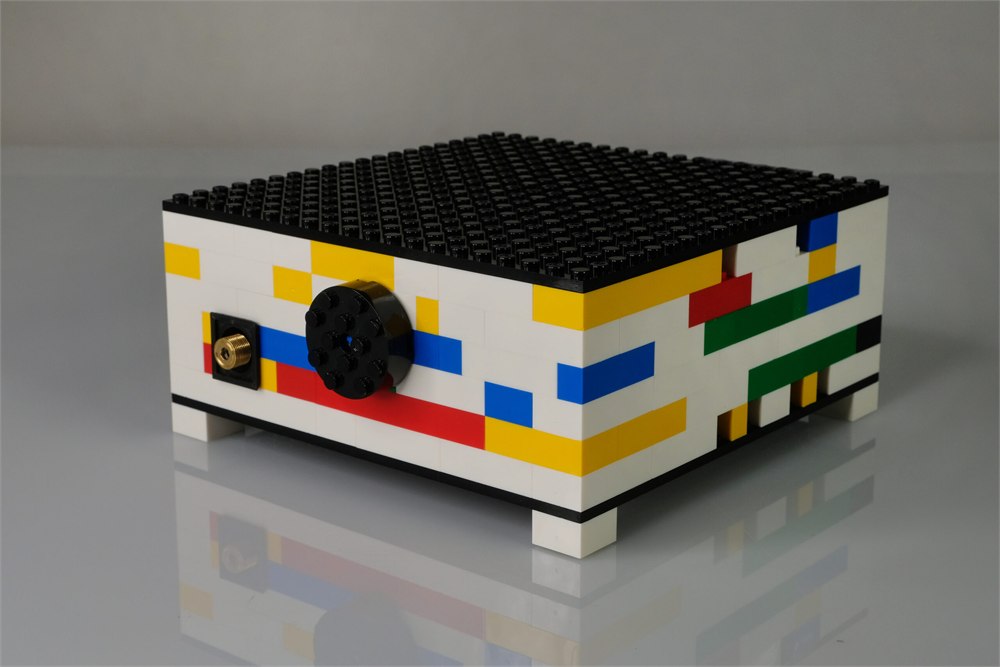
- A Wi-Fi streamer uses one adapter and gives the brick box power input and line-out connections.
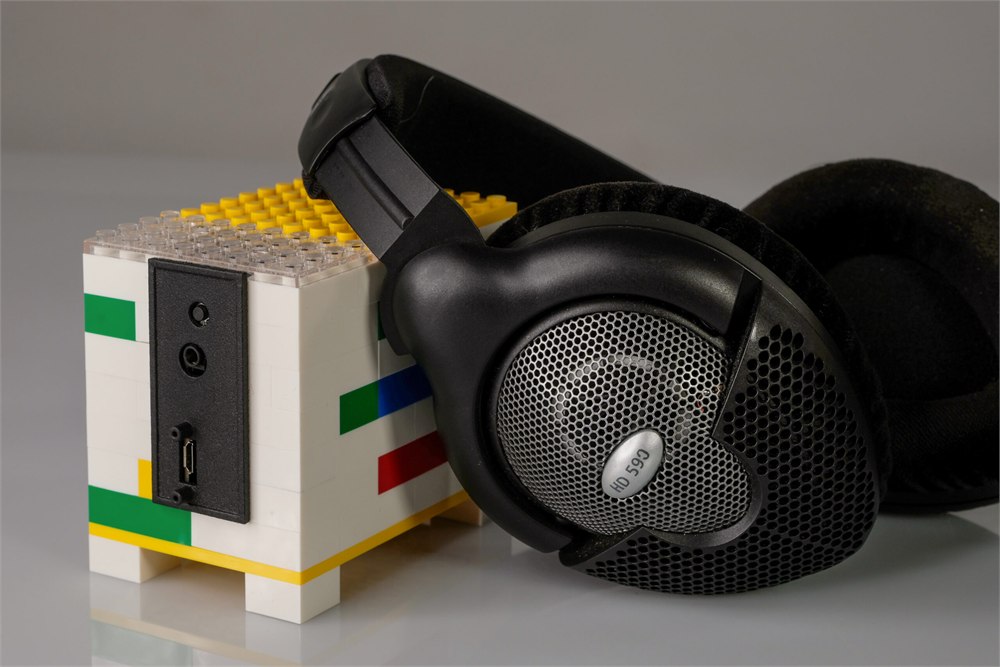
- A headphone amplifier combines multiple adapters for RCA input, power input, and headphone output.
- A loudspeaker build uses a speaker holder and power amplifier input post.
- A full music center combines streamer, amplifier, speakers, Wi-Fi, RCA, power, and heatsink functions into one larger modular build.
- DIY users can print or request adapters, then bring their own bricks and electronics into the build.
That is the part that makes this feel more interesting than a speaker with a cute shell. The shell can change. The electronics can move. A user can start with a smaller audio component and build toward something larger without throwing the previous object into the drawer of abandoned charging cables and personal shame.
| Audio Bricks build | What it does | Listed setup style |
|---|---|---|
| Wi-Fi Streamer | Streams music wirelessly to a traditional audio setup | Kit or plug-and-play on request |
| Headphone Amplifier | Drives headphones through a brick-built amplifier body | Plug-and-play on request |
| Loudspeaker | Turns the brick shell into a passive speaker-style build | Reference build |
| Music Center | Combines streamer, amplifier, and speakers in one modular system | Reference build or custom request |
The important practical detail is that Audio Bricks is not presenting the brick material as the audio breakthrough. The bricks are the housing, the structure, and the reason the whole thing looks like it should come with a tiny instruction booklet and one mysteriously extra flat piece. The sound comes from the real electronics mounted into the adapters.
For People Who Want to Tinker Without Rebuilding Their Whole Life
The most satisfying part of Audio Bricks is that it understands how audio hobbies actually mutate. Nobody simply buys one device and becomes emotionally complete. You upgrade a streamer, swap an amp, reorganize the shelf, decide the cable path is offensive, and then spend an afternoon pretending this is all normal.
Because the adapters can snap in and out, the system is designed to avoid some of the waste and finality of conventional audio gear. Audio Bricks says the shell can be rebuilt by hand, the same parts can be reused, and a new PCB can be added without starting over from zero. It is modularity with visible consequences, which is a fancy way of saying your speaker can enter its renovation era.
That also gives the system a giftable angle that most audiophile gear lacks. A black amplifier is useful, but it rarely makes someone across the room ask whether you are operating a radio station for ants. A brick-built headphone amp, on the other hand, is immediately understandable, customizable, and weird enough to become a conversation before it becomes a specification sheet.

The company says the adapters work with bricks users already own, which may be the most financially dangerous sentence in the whole concept. If you have ever justified keeping a box of spare pieces because “they might be useful someday,” congratulations, the day has apparently arrived and it has line-out.
There are sensible limits here. This is a custom, order-by-request system, not a mass-market soundbar you can toss into an online cart between toothpaste and batteries. Buyers who want instant price comparison, standardized SKUs, or a fully locked-down consumer appliance may find the process too open-ended. But for builders, hi-fi tinkerers, design collectors, and people who want their audio gear to have a pulse, that open-endedness is the whole point.

What You Can Actually Get
Audio Bricks currently describes three broad ways into the system. You can ask for STL files or printed adapters if you want to do the maker version. You can request a builder kit with the PCB already mounted, bricks, power supply, and instructions included. Or you can request a plug-and-play unit that arrives assembled and tested.
The official examples include the Wi-Fi Streamer, Headphone Amplifier, Loudspeaker, and Music Center. The Wi-Fi Streamer is described as a one-adapter build with power input and line-out. The headphone amplifier uses multiple adapters for the input, output, and power arrangement. The music center is the larger showpiece, combining streamer, amplifier, speakers, Wi-Fi, RCA, power, and heatsink elements into a single modular build.
Images courtesy of Audio Bricks.
Key product details:
- Modular LEGO-style hi-fi system built around patented Audio Bricks adapters.
- Designed by Paolo Caviglia under the Audio Bricks brand.
- Adapters can hold real audio PCBs inside brick-built shells.
- Shown builds include a Wi-Fi streamer, headphone amplifier, loudspeaker, and full music center.
- Available paths include STL files, printed adapters, builder kits, and plug-and-play units on request.
- Brick shells can be disassembled and rebuilt by hand without glue or tools.
- Pricing is handled by custom quote, depending on the requested build, adapters, components, and format.
Audio Bricks is available through the maker’s site, where interested buyers can submit a request for files, adapters, kits, or a finished plug-and-play build. The listed price is custom quote, which makes sense for a system whose final cost depends on whether you want a single streamer, a headphone amp, a full brick-built music center, or whatever your inner audio nerd can convince your living room to tolerate.
| Pros | Cons |
|---|---|
| Turns real hi-fi components into a rebuildable brick-based system | No fixed public price listed |
| Works for both hands-on makers and plug-and-play listeners | Custom ordering is less instant than buying normal audio gear |
| Adapters can be reused as the system changes | DIY paths still require comfort with parts and planning |
| Visual design is far more fun than the usual black audio rectangle | Brick styling may not fit every grown-up living room fantasy |
| Examples cover streamer, amp, speaker, and music center builds | Some builds are reference examples rather than standard shelf products |
| Supports printable adapters and open hardware resources for makers | Final configuration depends on what the buyer requests |
Where to find This Modular Hi-Fi System Lets You Build Real Audio Gear With Bricks
OddityMall may earn a commission from qualifying purchases at no extra cost to you.