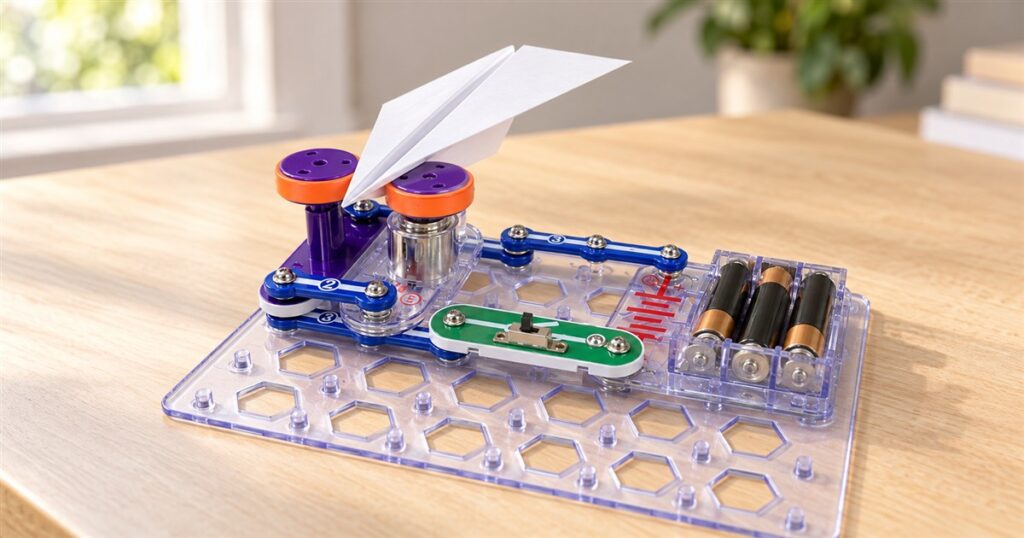
A paper airplane is already an excellent use of a sheet of paper that was probably supposed to become something responsible. Snap Circuits Flight Deck adds an electrical circuit and spinning rollers, turning that harmless folded triangle into a small engineering project with departure clearance. Your dining table has a runway now. Dinner will need to request permission to land.
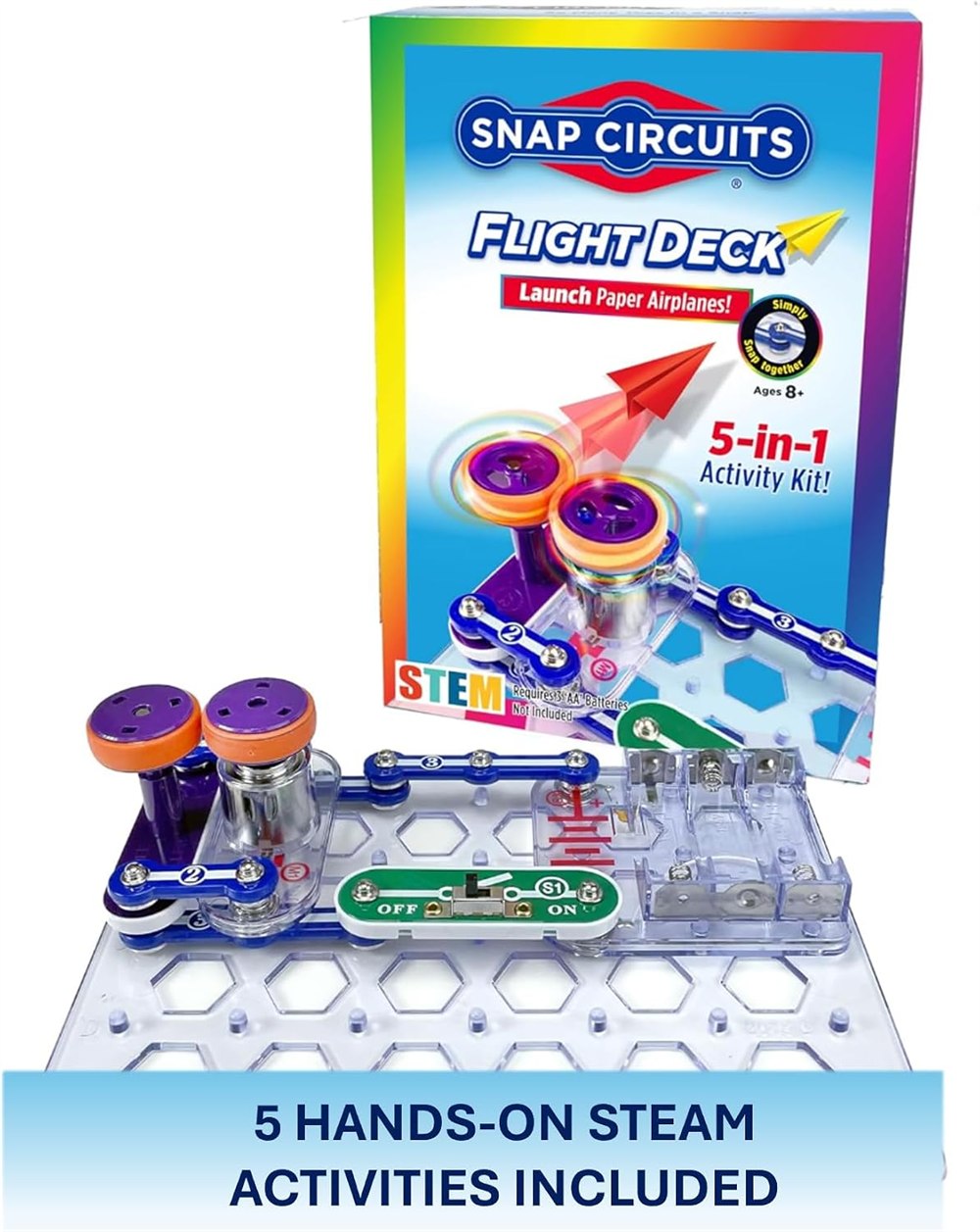
The Flight Deck kit from Elenco lets kids assemble a working circuit, switch on a motor, and launch a paper airplane through a pair of wheels. It is a build-it-yourself science toy for ages eight and up, with five activities built around movement. Paper planes are the headline attraction, but flying saucers, foam balls, and spinning drawings also get time on the schedule.
The clever part is how little of the machinery is hidden. You can see the battery holder, the connecting pieces, the switch, and the motor sitting on a clear base grid. Electricity stops being an invisible household service that adults complain about paying for. Here, it makes a wheel turn right in front of you, and that wheel sends your questionable aircraft design on its way.
A tiny airport you wire together yourself
The launcher has a wonderfully exposed look: blue connecting bars, shiny snaps, a green switch, and two purple-topped rollers with orange rims. It resembles a little workshop demonstration that escaped its classroom and developed an interest in aviation. The clear board underneath gives the components a defined place to sit without hiding the route between them.
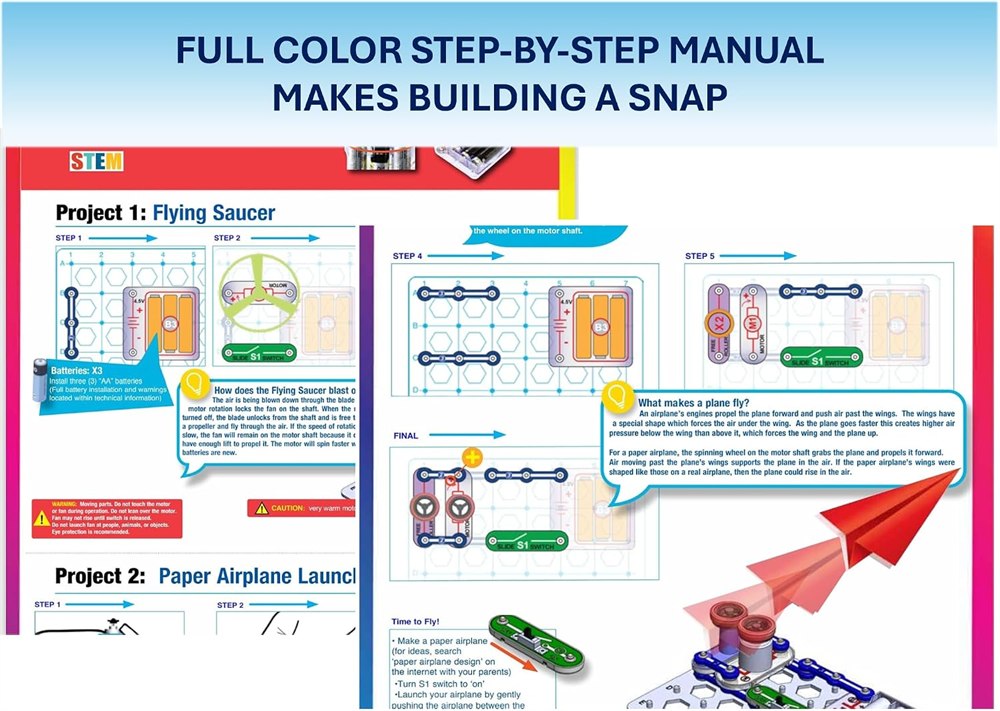
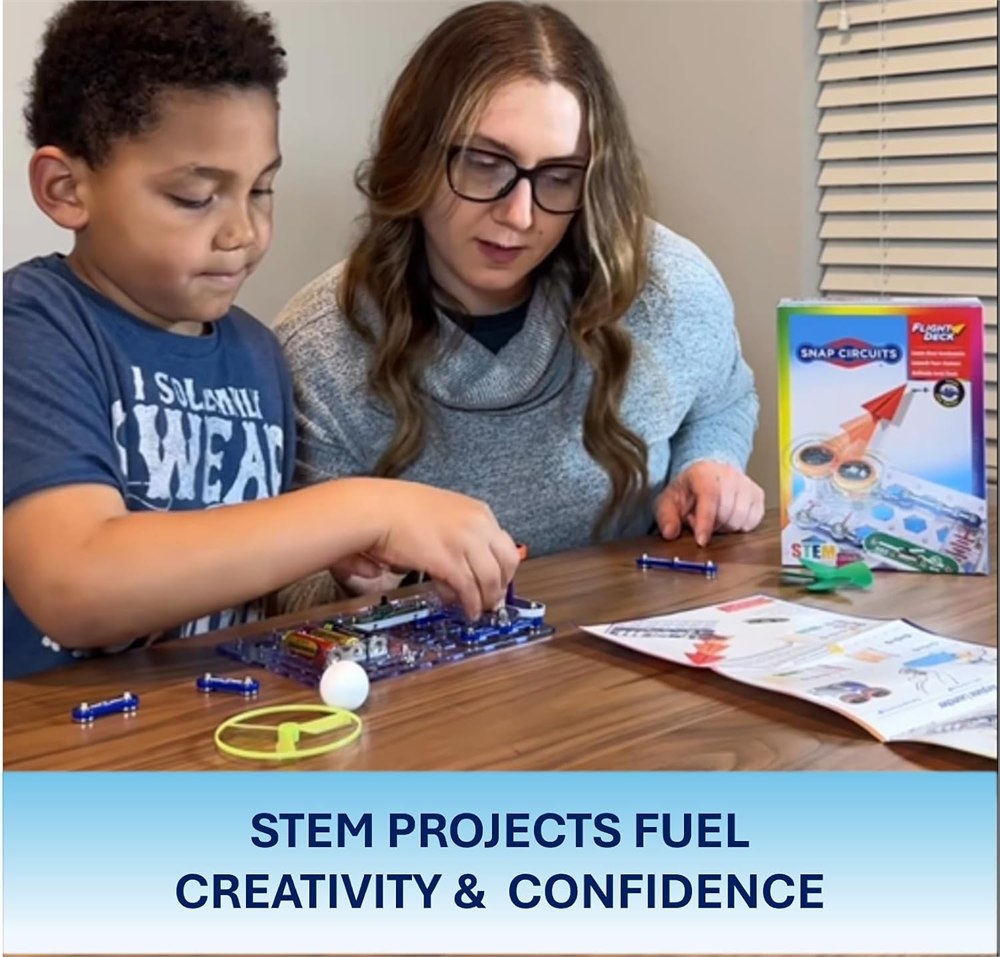
Those connections are part of the activity. The kit uses the Snap Circuits system of pieces that press together, and the color instructions show how to arrange them for each project. You are building the mechanism that produces the fun, which gives the eventual launch a different kind of satisfaction. This is your machine doing that. Please enjoy approximately four seconds of being the head of aerospace.
Related posts:
 There’s Now a Foam Mortar Launcher That Will Take Your Nerf Battles To The Next Level
 These Garage Door Decals Make It Look Like There’s an Airplane, Horse, or Giant Dump Truck In Your Garage
 This Fart Launcher Toy Silently Blast Farts Smells Into Peoples Faces Up To 10 Feet Away
 This Smartphone-Controlled Paper Airplane Kit Lets You Pilot Your Folded Plane
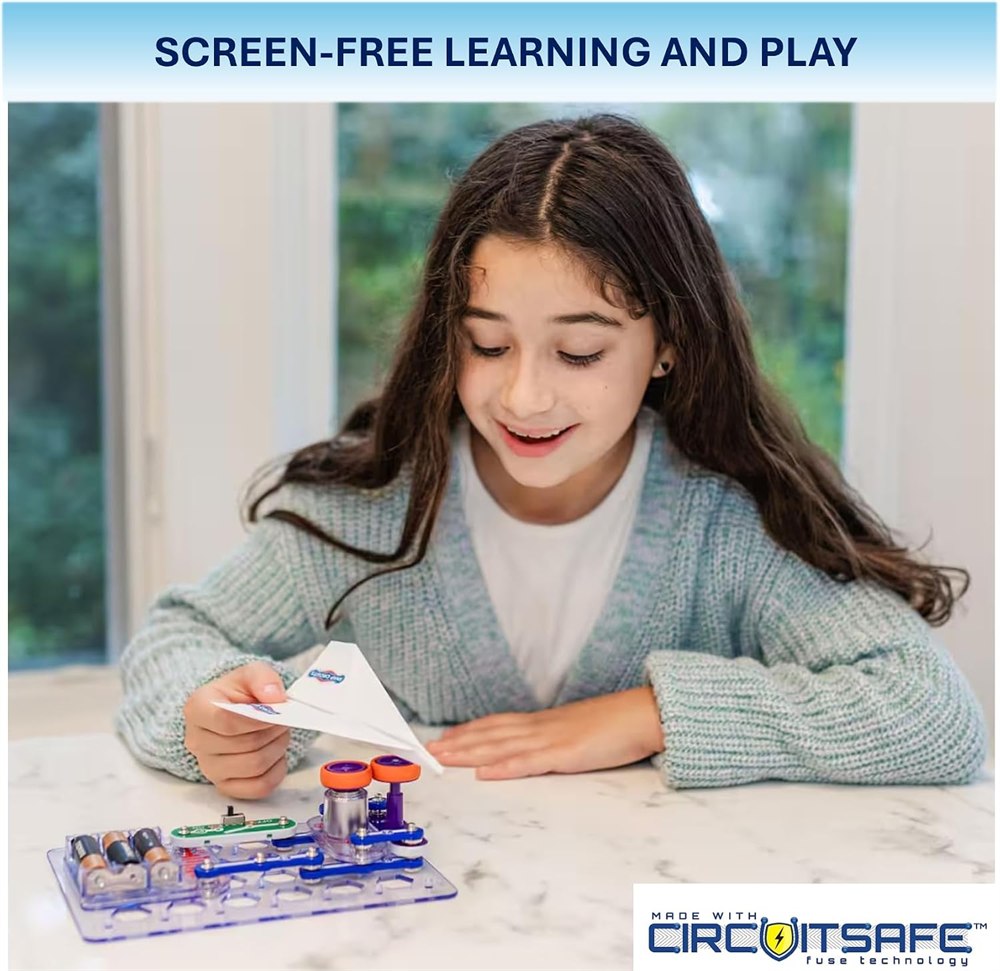
For the airplane activity, the folded plane feeds between the rollers. The powered wheel gives it forward motion; after that, the paper aircraft has to make its own aerodynamic arrangements. Flight Deck is a launcher, so the paper plane itself has no onboard motor, battery, or steering system. It will not circle the room and return for docking. Someone still has to walk over and collect it.
That leaves plenty to tinker with on the paper side. A careful fold, a balanced pair of wings, and the choice of airplane shape all give a young builder something to compare. Set out a clear landing area and see which folded design behaves most consistently. A notebook can become a flight log, although it may also become the next airplane if the engineering department runs short of materials.
Five reasons to rearrange the same little board
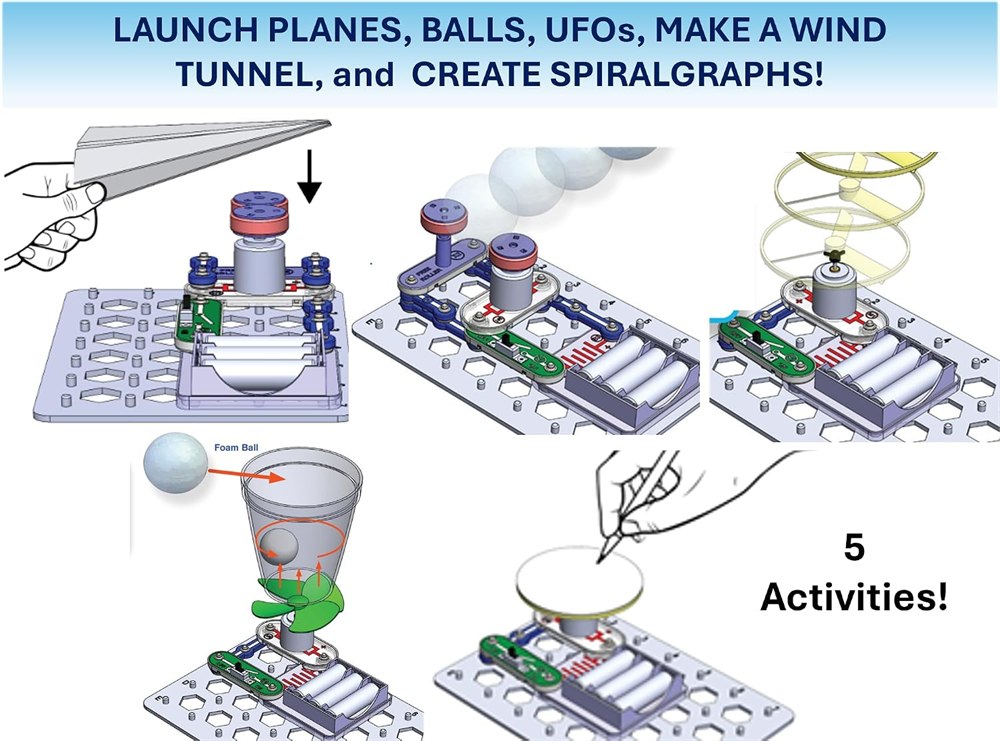
Flight Deck is a five-project activity kit, rather than a box containing five finished machines. You change the setup to change the job. That makes the rebuilding part useful: the motor can produce several different visible effects depending on what is attached and how the activity is arranged. The plane launcher is only one appointment on this motor’s very busy calendar.
- Flying Saucer: spin the fan and release it into the air using the sequence shown in the instructions.
- Paper Airplane Launcher: let the roller mechanism send a folded paper plane forward.
- Ball Launcher: use the rollers with the included lightweight foam balls.
- Ball Spinner: explore upward airflow with a fan and a cup, bottle, or paper funnel arrangement.
- Spin Draw: put a paper disc into motion and add colored rings or patterns with markers.
The variety is the real appeal here. A child who likes launching objects has an obvious starting point, while someone who enjoys drawing can try the spinning art activity. The same little board can move from a pretend airport to an art station without needing a second enormous box. It is a respectable amount of career development for one tabletop motor.
The illustrated manual matters because these setups are specific. It shows the arrangements and calls out where an adult should help with changes to the motor attachment. This is a good sit-down-and-build-together toy, particularly for a first encounter with circuit parts. An adult can help interpret a diagram without immediately annexing the project. We know the temptation. The child knows it too.
| Detail | What to expect |
|---|---|
| Product | Snap Circuits Flight Deck, SC-FLTKIT |
| Age marking | 8 years and up |
| Activities | Five illustrated projects |
| Power | Three 1.5V AA batteries, not included |
| Ball material | Three included foam balls |
| Build format | Snap connections on a clear base grid |
Bring batteries and a little table space
There is a small supply-gathering stage before the first takeoff. Along with the three AA batteries, different activities use everyday materials such as paper, markers, tape, or a suitable cup or bottle. The drawing project needs something to draw on and something to draw with. The airflow project needs its guide around the fan. These are useful details to check before presenting the box as an immediate rainy-day rescue mission.
The kit also deserves an open area for the things it sends airborne. Pick a clear direction, keep faces and pets out of the flight path, and follow the manual’s moving-parts guidance; eye protection is recommended. Adult help is specified for some assembly steps. A foam ball may look deeply unserious, but a motorized experiment still benefits from everyone knowing where their fingers belong.
Those practical limits make Flight Deck a better match for a supervised activity session than an unattended distraction for very young children. Its age-eight-and-up label is worth respecting. The pleasure comes from following a build, understanding what it does, then trying another setup. Anyone expecting a finished remote-control aircraft is shopping for a different kind of afternoon.
A gift for the kid who asks what makes it move
This has a strong gift angle for curious builders, paper-airplane enthusiasts, and kids who prefer a visible result to a long explanation. Switch, motor, movement: the chain is easy to notice. You do not have to promise that one toy will create a future engineer to appreciate the appeal of a child making something work with their own hands.
It could also suit a family activity table where everyone has a different preferred job. One person follows the diagram, another folds planes, and somebody appoints themselves retrieval staff. Swap those roles so the circuit-building part gets shared too. The best experiment in the room may be discovering whether an adult can wait patiently while an eight-year-old checks a connection.
All inline images credit: Elenco / Snap Circuits product imagery on Amazon.
The flight plan at a glance
- Buildable electrical activity kit from Elenco’s Snap Circuits line.
- Paper-airplane launching plus four other motion and art projects.
- Clear grid, snap connectors, motor, switch, rollers, fans, and foam balls.
- Designed for ages eight and up with adult supervision and help where specified.
- Requires three AA batteries and everyday supplies for certain activities.
- Best suited to hands-on building and experimenting in a clear play area.
Snap Circuits Flight Deck was last listed at $24.95 on Amazon; check the current offer and seller before ordering. Batteries are separate, so a pack of AAs makes a thoughtful addition to the gift. Otherwise, your new airport’s opening ceremony could consist of staring at an exceptionally stationary wheel.
For a child who likes making things move, the draw is straightforward: build a circuit, see the result, and try another project. A paper airplane gets a mechanical send-off, a small motor gets several jobs, and your table briefly becomes a place where “testing the launcher” is a perfectly reasonable explanation for what happened to the grocery list.
| Pros | Cons |
|---|---|
| Five different activities in one kit | Changing activities requires rebuilding |
| Visible connections and moving parts | Adult supervision and some assistance needed |
| Launches ordinary folded paper planes | No powered flight or remote steering |
| Includes foam balls and fan attachments | Batteries and some activity supplies are extra |
| Combines building, motion, and drawing | Needs a clear area for flying objects |
Where to find This Buildable Circuit Kit Launches Paper Airplanes With Spinning Rollers
OddityMall may earn a commission from qualifying purchases at no extra cost to you.
Related posts:
There’s Now a Foam Mortar Launcher That Will Take Your Nerf Battles To The Next Level
These Garage Door Decals Make It Look Like There’s an Airplane, Horse, or Giant Dump Truck In Your Garage
This Fart Launcher Toy Silently Blast Farts Smells Into Peoples Faces Up To 10 Feet Away
This Smartphone-Controlled Paper Airplane Kit Lets You Pilot Your Folded Plane