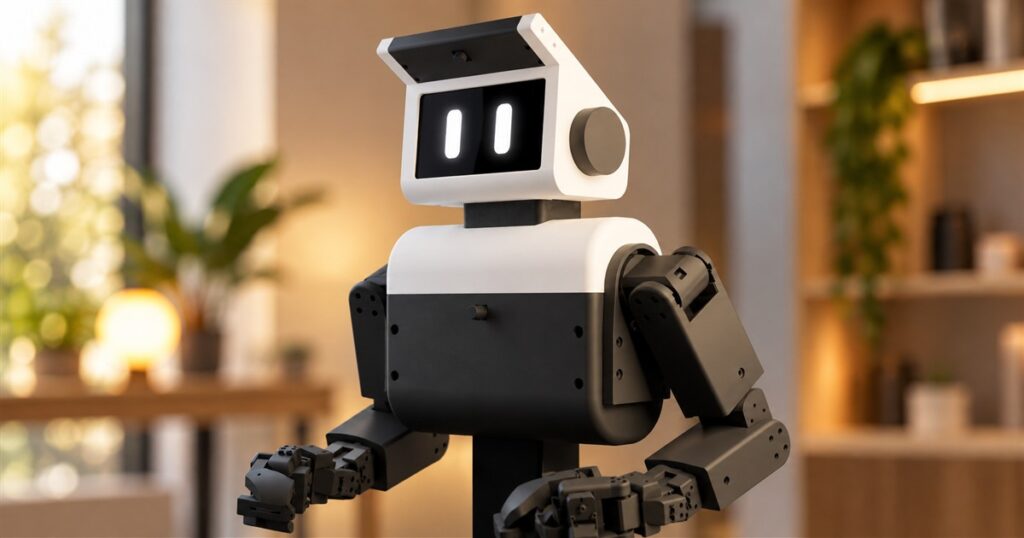
The laundry chair has enjoyed a long, unchallenged reign. It accepts shirts, collects trousers, and contributes absolutely nothing to society. NORI A3 proposes a more ambitious household arrangement: a two-arm home robot that might actually help with the pile instead of becoming another place to hang a hoodie.
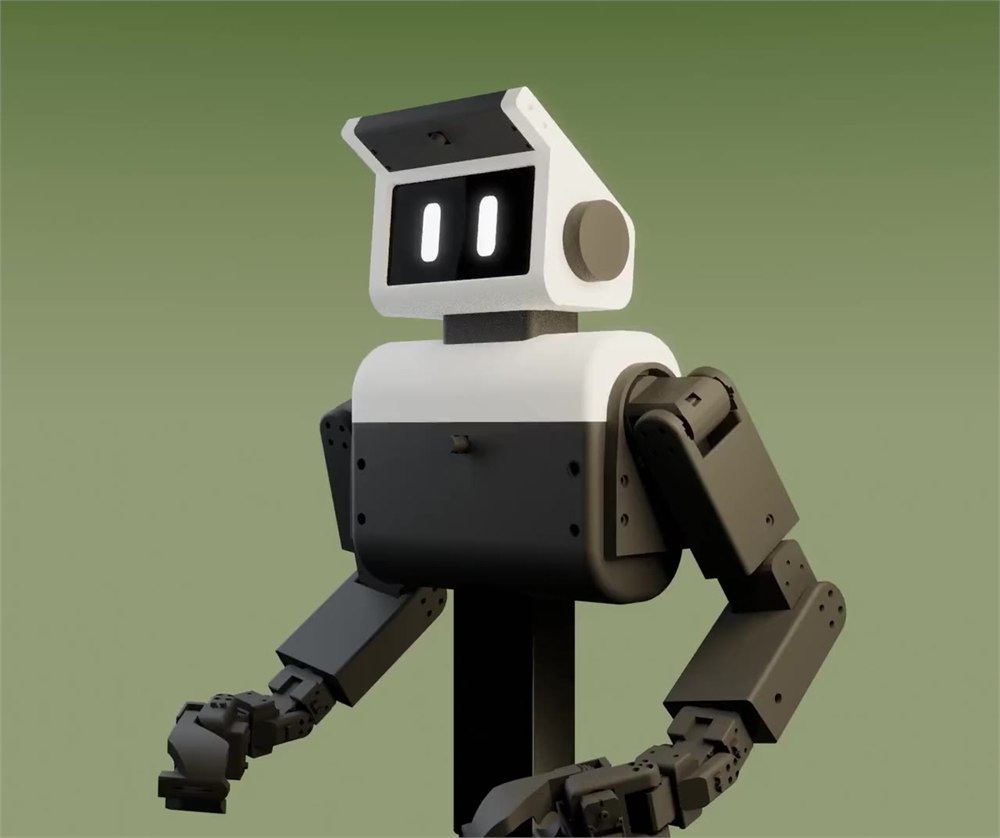
Made by NORI Robotics, the A3 is a mobile robot with articulated arms, grippers, and a little screen face. The company pitches it for everyday jobs such as tidying, folding clothes, fetching items from the fridge, loading dishes, and helping in the kitchen. That is a considerably more interesting job description than beeping until someone empties the dishwasher.
The important word here is help. NORI presents a robot you can operate and teach, with software intended to adapt it to particular tasks. Buying one should not be confused with hiring a fully trained live-in housekeeper who already knows which mug is emotionally significant.
Two arms, one very familiar problem
Most homes already contain an impressive collection of machines. Somehow, the humans still spend the evening moving objects between those machines. The washing machine washes, but the shirt needs relocating. The dishwasher does its thing, provided somebody negotiates with the bowls first. The modern kitchen has a suspicious number of unpaid middle-management positions.
A mobile robot with two grippers aims at that gap. Instead of dedicating its entire existence to one chore, NORI is built around manipulating objects. Its appeal is the possibility of teaching the same piece of hardware different jobs as you discover what works in your space.
Related posts:



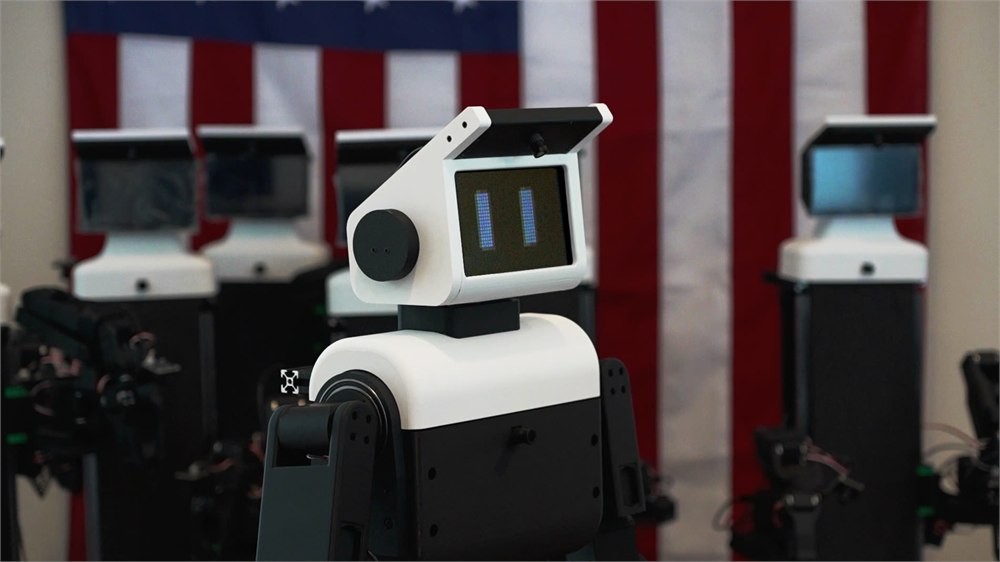
It also looks like a robot. There is a white-and-dark torso, exposed-looking arm hardware, and a rectangular face with two illuminated eyes beneath an overhanging brow. Nobody is going to mistake this for an air purifier. It has the expression of a cheerful intern who has just learned that every drawer contains a different category of cable.
A teachable helper comes with homework
NORI Lab is the laptop app for training, operating, and managing the robot. The company also promotes a Skills Marketplace built around sharing what owners teach their machines. That makes the software part of the product’s central idea, rather than a decorative dashboard you open once and forget.
For someone who enjoys tinkering, that could be the attraction. There is a satisfying challenge in taking a repetitive nuisance and turning it into a repeatable routine. For someone who wants to open a box, point at a chaotic kitchen, and leave for the weekend, the teachable aspect deserves a much closer look.
Before ordering, think in small, concrete jobs. Moving a particular object between two familiar spots is a clearer goal than issuing the command “fix my life.” Even humans struggle with that one, and we have had years of software updates.
- Think about the specific objects you would want the grippers to handle.
- Consider whether you would enjoy teaching and refining a routine.
- Ask the maker which tasks currently work without additional training.
- Check the space and access around your intended work area.
- Treat shared skills as something to investigate, rather than assuming every household job is already available.
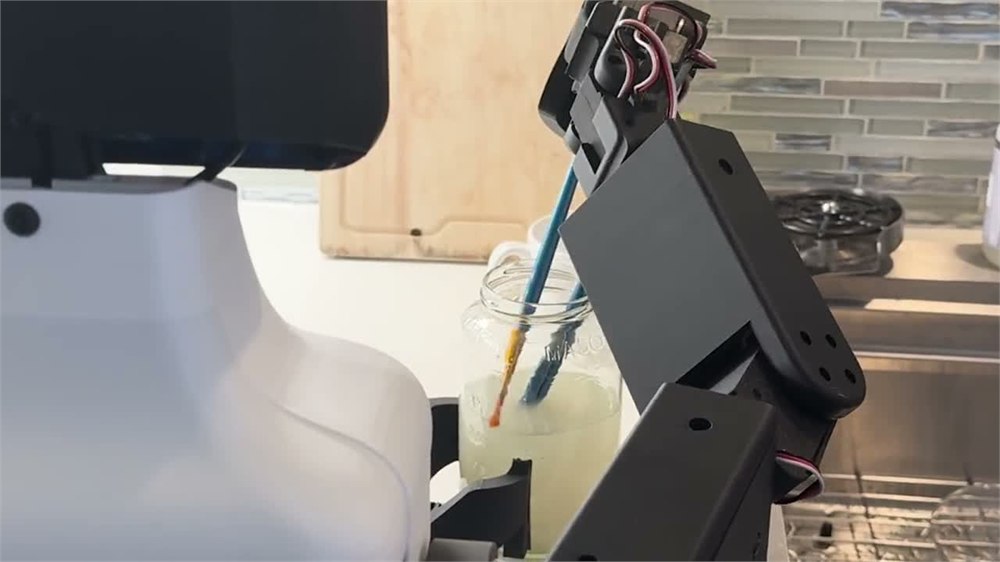
This distinction makes NORI especially interesting to curious early adopters. The fun is partly in the robot and partly in the experiment. You are looking at a machine with a practical ambition, but the everyday fit still depends on the task, the surroundings, and what its software can reliably do.
What the hardware brings to the chores
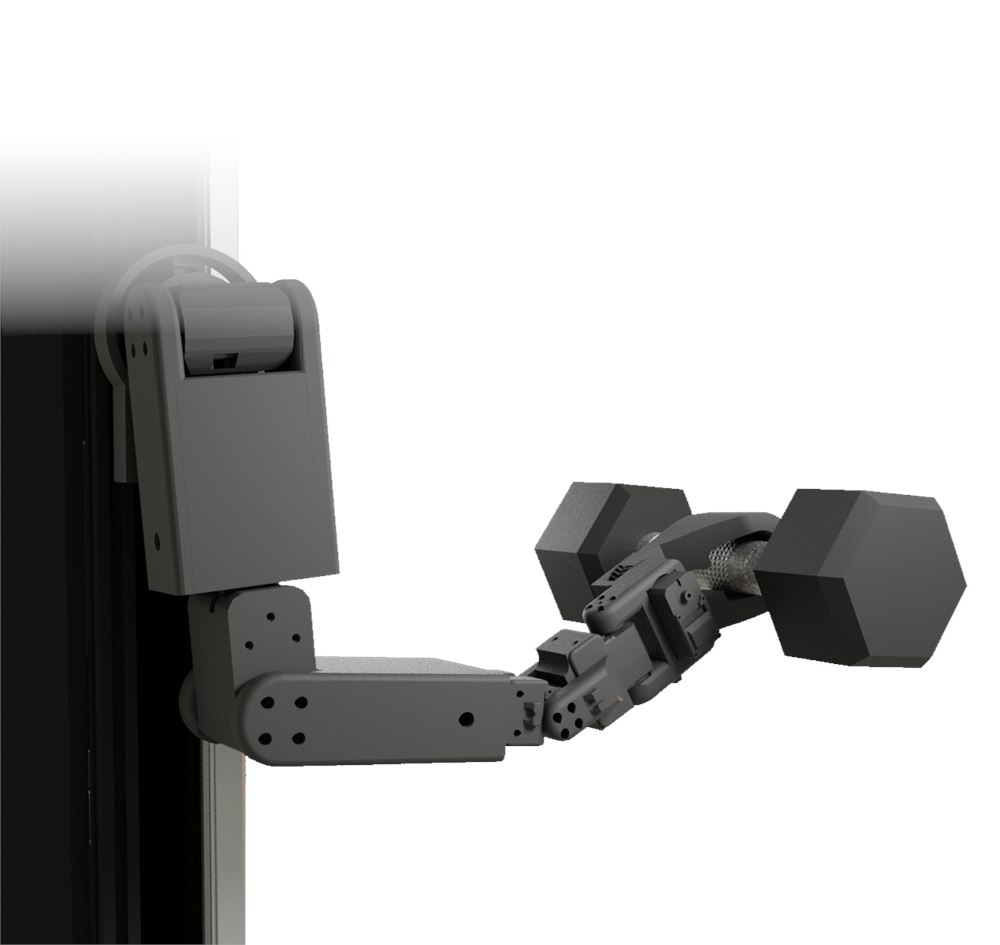
NORI’s published A3 specifications give the arms 7+1 degrees of freedom and a payload of 1.5 kilograms per arm. Cameras, lidar, a microphone, and a speaker round out the sensing and interaction hardware. The company lists six to eight hours of battery life.
| Part | Maker’s listed specification |
|---|---|
| Arm movement | 7+1 degrees of freedom per arm |
| Arm payload | 1.5 kg per arm |
| Vision | Four 720p RGB cameras, up to 30 fps |
| Lidar | 12 m range; 8–12 Hz scanning |
| Audio | Speaker and microphone for spoken commands |
| Battery | Listed runtime of 6–8 hours |
Those numbers are useful boundaries, not a promise that every object under a certain weight will be easy to grasp. Shape matters when choosing a task, too. A neatly presented item and a tangled heap may weigh the same while creating very different problems. Anyone who has tried to retrieve one hanger from a closet already understands this field of robotics.
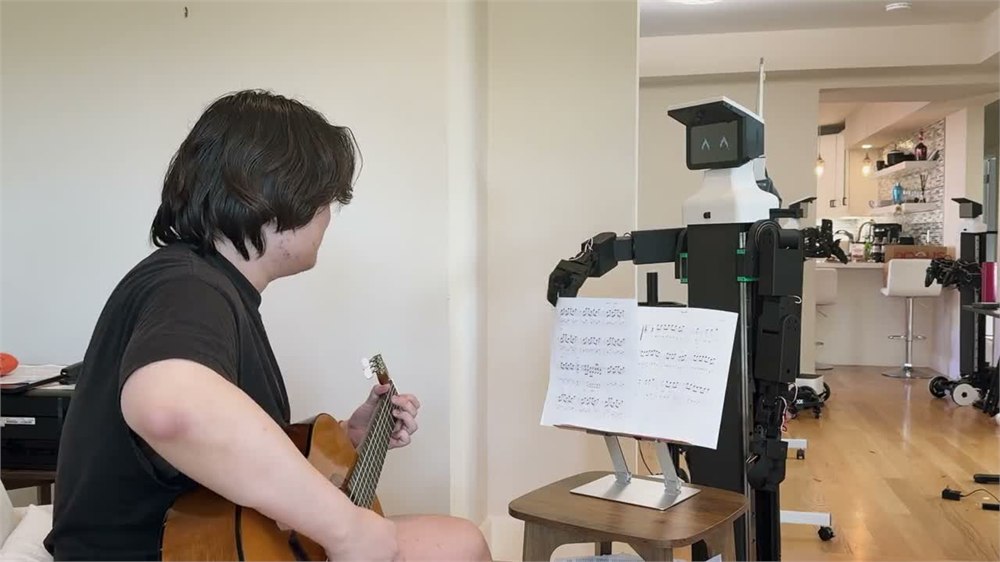
The camera arrangement includes views from the grippers, head, and neck. In plain language, the robot has more than one vantage point for looking at its surroundings and the work in front of it. The lidar is another piece of that sensing setup. Neither specification tells you, by itself, how well a particular household routine will go.
That is why a demonstration of the job you actually want is more useful than imagining a long list of chores. A robot that consistently handles one annoying task could be valuable. A beautiful mental picture of a robot doing twenty tasks is still just you standing next to the laundry.
A robot for the person who wants to participate
NORI’s founder describes the machine on Y Combinator as a bimanual mobile manipulator for homes and businesses, with basic tasks available out of the box and software for teaching additional work. The broader aim is an adaptable robot that reaches more people than expensive research equipment.
There is something appealing about that ambition. The household robot fantasy usually skips straight from a dramatic unveiling to a spotless apartment. The middle bit, where somebody teaches the machine what to do with the weird cereal bowls, tends to disappear from the story.
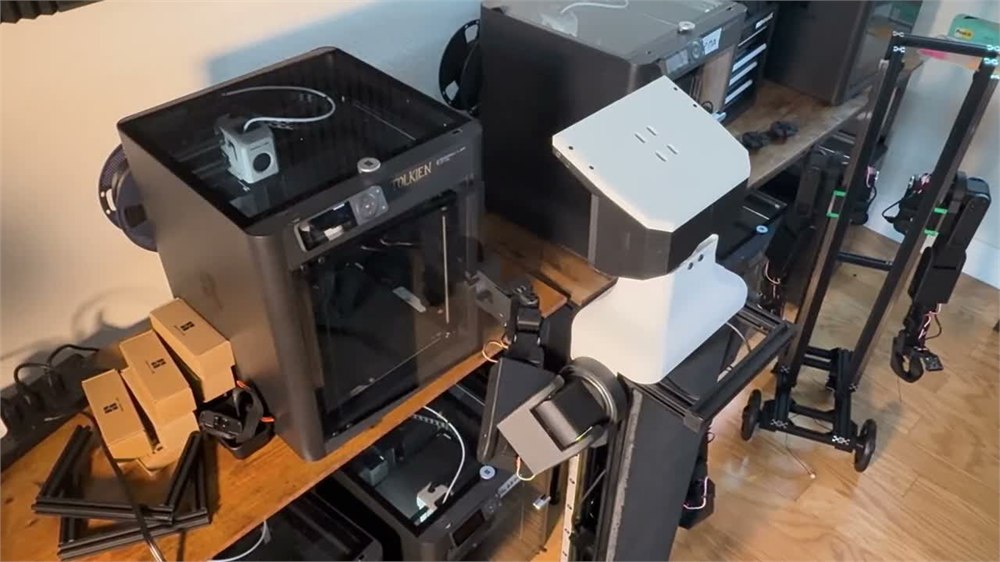
NORI puts that middle bit closer to the center. It is easier to appreciate the product when you see learning and experimentation as part of ownership. If the prospect of teaching your robot a useful routine sounds enjoyable, this is a much more intriguing proposition than yet another appliance that sends a notification.
If your main goal is immediate relief from a specific chore, get precise answers about that chore first. Ask what is included, what needs training, and what conditions a demonstration depends on. Those are ordinary buying questions with a slightly extraordinary subject standing in the room.
The details before inviting it home
- NORI A3 is a mobile home robot with two articulated arms and grippers.
- NORI Lab supports training, operation, and robot management from a laptop.
- The maker promotes shared skills and household task assistance.
- Each arm has a listed 1.5 kg payload.
- The robot is assembled in San Francisco.
- The official ordering page lists fall 2026 shipping.
NORI Robotics lists the A3 at $1,688, explicitly describing that as the full price rather than a deposit. Orders are available through the official NORI Robotics website, with shipping scheduled for fall 2026. Check current delivery and order terms before buying. The laundry chair, regrettably, remains available for immediate service.
Product images: NORI Robotics. Additional company background: Y Combinator.
| Pros | Cons and considerations |
|---|---|
| Two arms support a wider task concept than a single-purpose appliance | Real usefulness depends on the particular task and setup |
| Laptop tools support teaching and operation | Owners should expect to investigate training requirements |
| Multiple cameras and lidar are included | Hardware specifications alone do not establish task reliability |
| Full product price is clearly listed | Shipping is scheduled for fall 2026 |
| A compelling platform for curious early adopters | Buyers seeking effortless housekeeping should clarify current abilities first |
Where to find This Two-Arm Home Robot Is Built to Help With Everyday Chores
OddityMall may earn a commission from qualifying purchases at no extra cost to you.