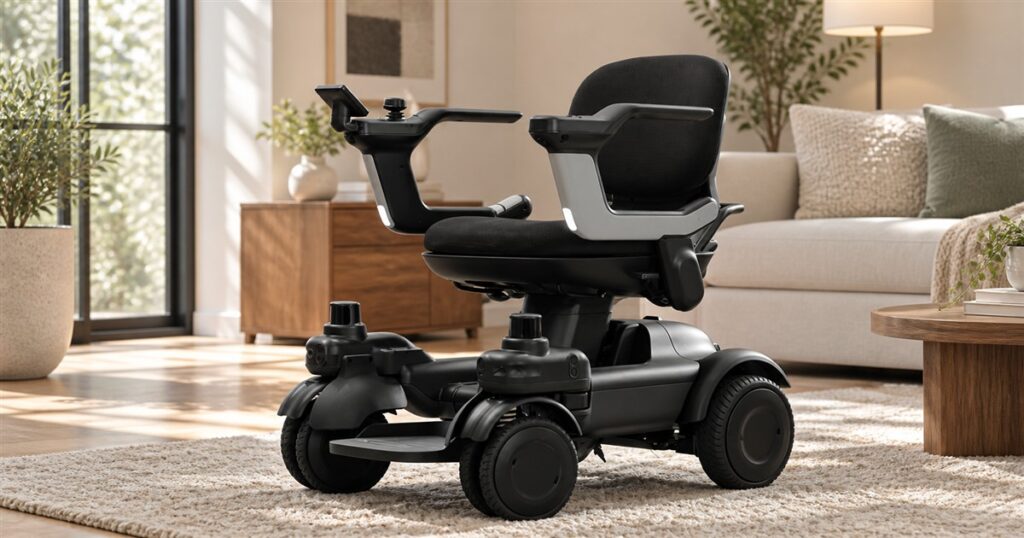
The coffee table has spent years lurking at shin height with absolutely no consequences. Strutt’s ev1c introduces a more organized response: a seated electric mobility vehicle with a sensor system watching its surroundings. It looks a bit like somebody gave a compact electric car a very comfortable chair and canceled the roof. Beneath that unusual silhouette is a serious idea: making everyday movement easier to manage, with driving assistance built around the person at the controls.
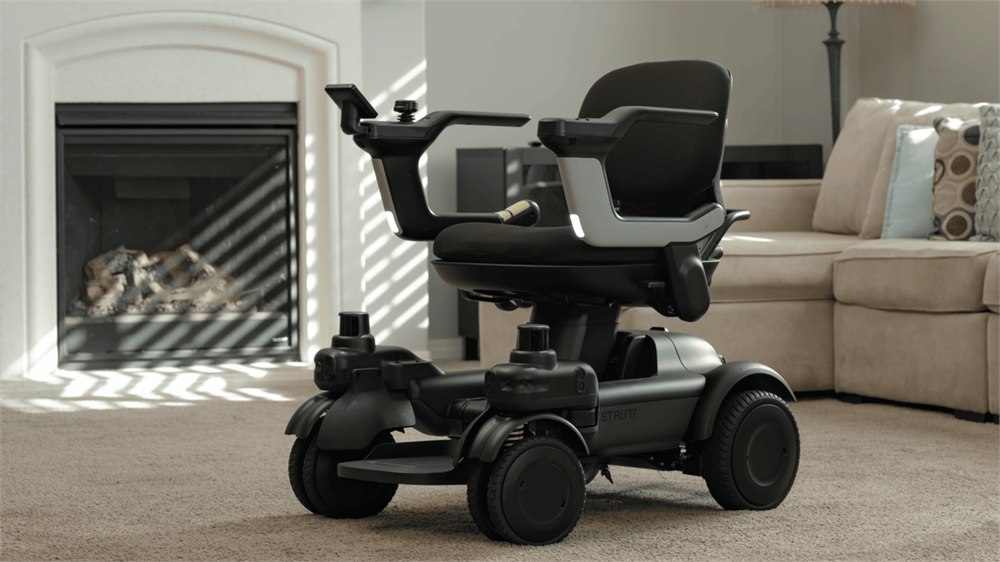
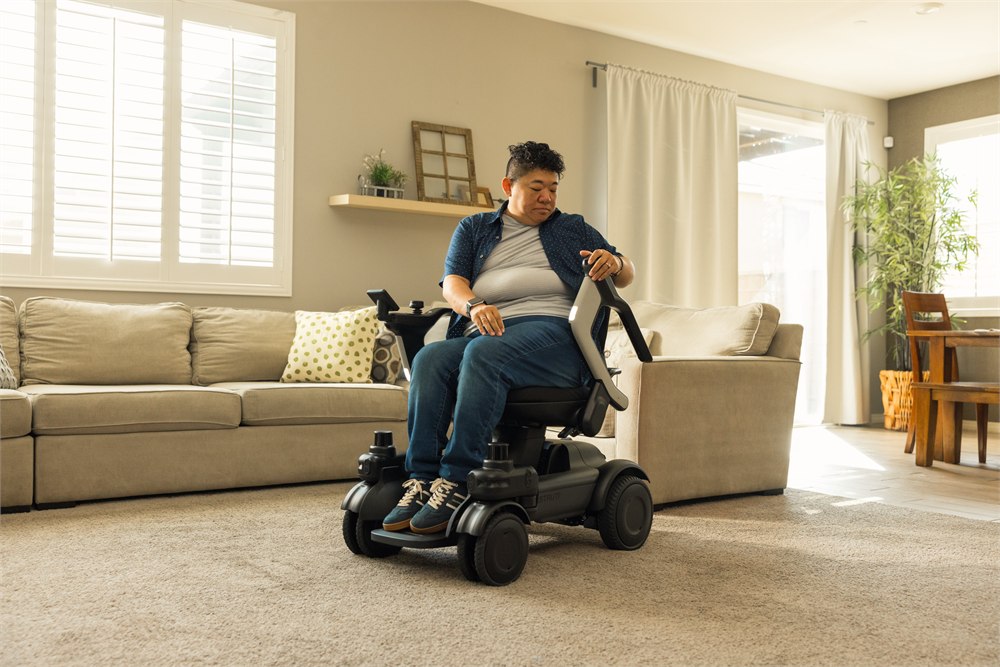
Strutt calls it a Smart Everyday Vehicle. In practical terms, you get a padded seat over a four-wheel powered base, arm-mounted controls, and a foot platform. The ev1c combines the company’s evSense sensing system with its Quad-Drive hardware. It is an ambitious amount of engineering for something that might spend part of its day negotiating the gap between a sofa and an unnecessarily large plant.
That combination is the interesting part. Plenty of products promise to be smart because they have an app. This one pairs software with the physical business of moving a person through real spaces. Furniture has edges. Paths have gaps. Other people sometimes stop in doorways to have entire committee meetings. A useful mobility vehicle has to deal with the world as it actually behaves.
Sensors with a practical job
The evSense system uses LiDAR, cameras, ultrasonic sensing, and Time-of-Flight technology to build awareness around the vehicle. Strutt describes that as 360-degree understanding of the surroundings. The goal is to support navigation around obstacles and through tight spaces, rather than merely decorate the chassis with the visual vocabulary of a robot.
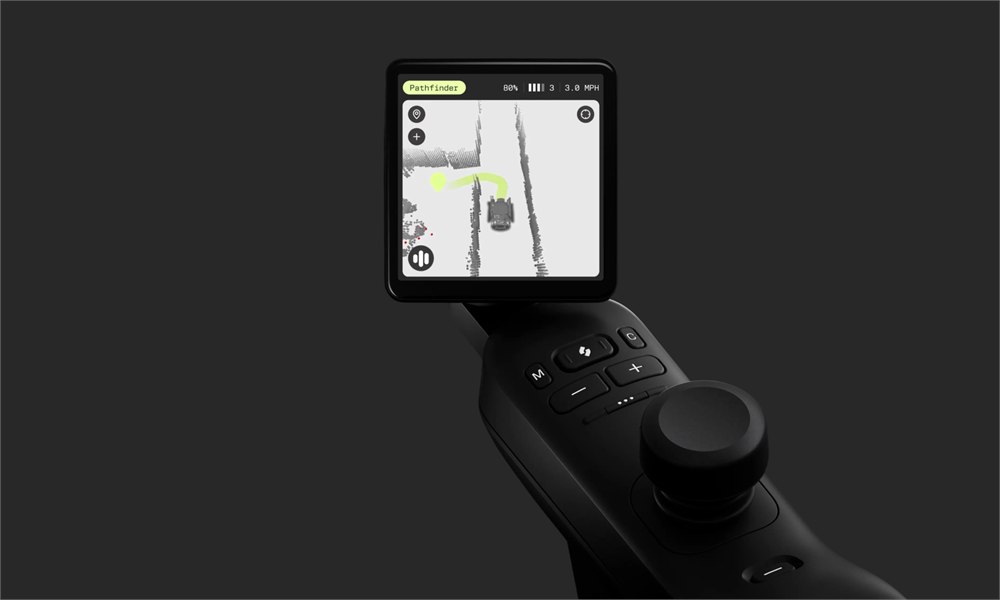
Its named assistance functions include Co-pilot collision avoidance and Co-pilot+ steering correction. Pathfinder offers a tap-to-destination interaction, while Waypoint concerns navigation to saved destinations. Those are manufacturer descriptions of the system’s capabilities, not a reason to stop paying attention. Strutt explicitly describes its intelligence as supporting the driver. You remain the person making the trip.
Related posts:

That distinction is useful when looking at something this futuristic. The appealing scenario is having help with a tricky maneuver, not handing over responsibility for every doorway, pedestrian, and unexpected object. Think of it as assistance with the fiddly parts of getting around. The chair has enough technology to be interesting without needing a fictional robot chauffeur job title.
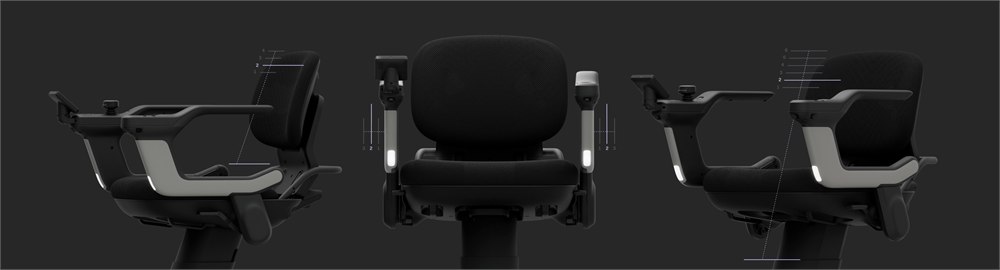
The seating details deserve equal billing
The seat and backrest give the ev1c a recognizable chair shape, and Strutt offers swappable cushions for personal comfort. Fold-up armrests and a footrest are intended to make getting in and out easier. These details are less spectacular than LiDAR, but they matter every time someone actually uses the vehicle. Nobody should have to admire a sensor while wishing the armrest would move.
The touchscreen module incorporates a display, joystick, and control buttons. Strutt says it can switch between left and right positions. That is a particularly concrete adjustment: the controls can be placed on the side that works better for the user. A spec sheet can devote an entire paragraph to intelligence; moving a joystick to the useful side says plenty on its own.
- Fold-up armrests and footrest provide a more open route into and out of the seat.
- The touchscreen control module can be mounted on either side.
- Swappable cushions offer another way to tailor the seating arrangement.
- Adjustable headlights help illuminate the route.
- Haptic feedback warns about obstacles when Co-pilot is turned off.
There is also an app for remote control and locking or unlocking, plus over-the-air software updates. Those features make the vehicle more adaptable over time, though a buyer should judge the functions supplied with their particular regional model. A future software possibility is not the same thing as a feature you can use this afternoon.
Four wheels, measurable limits
Under the seat, the Quad-Drive system includes four-wheel independent suspension and active steering. Strutt positions that hardware around stability and comfort over everyday terrain. The published figures give a more useful picture than simply calling it capable: there are stated limits for slopes, gaps, curbs, speed, and range.
| Manufacturer-listed detail | ev1c figure |
|---|---|
| Maximum speed | 8 mph / 12.9 km/h |
| Maximum stated range | Up to 20 miles / 32 km |
| Maximum user weight | 350 lb / 160 kg |
| Climbing slope | Approximately 13 degrees |
| Gap and curb crossing | 4.7-inch gap; 2-inch curb |
| Turning radius | 30.7 inches / 780 mm |
These are published capability figures, not a promise that every surface or journey will produce the same result. The difference between a modest curb and a staircase remains quite substantial, regardless of how futuristic the front end looks. Matching the vehicle to the routes you actually use is more useful than imagining the most dramatic obstacle it could approach.
Strutt lists an assembled length of 41.2 inches, a width of 23 to 26 inches, and a height of 34.3 to 38.7 inches with the standard seating arrangement. Those numbers belong next to your doorway measurements. The plant may be negotiable. The door frame is generally less interested in compromise.
It separates for the journey between journeys
The ev1c can separate into five modules, including the battery, for transport. That is a helpful distinction from a product that merely folds its backrest and expects everyone to applaud. Splitting the vehicle into sections changes how it can be packed, though it does not make the components weightless. Your vehicle’s cargo space and the actual lifting involved still deserve a close look.
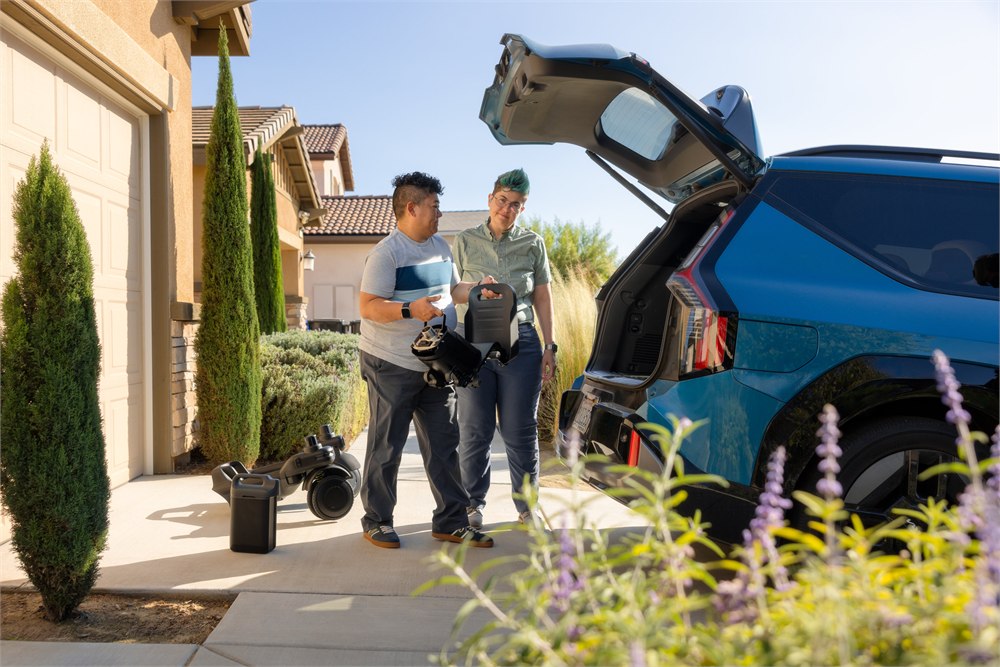
Strutt offers 640Wh and 288Wh LFP battery options, positioning the larger one for range and the smaller one for travel. The company markets the 288Wh option for flying; confirm acceptance with the airline for your specific trip before making arrangements. A battery choice is part of transport planning, not a universal boarding pass.
The chassis also has dedicated securement points for transport in a van. Optional accessories include an extended backrest, a smart push handle, phone and cup mounting, and storage pieces. Those are listed separately, so the appealing fully accessorized photo should not be mistaken for a packing list. Even a sophisticated mobility vehicle has encountered the ancient retail tradition of “sold separately.”
Official product images: Strutt.
The details to keep handy
- Product: Strutt ev1c seated electric mobility vehicle.
- Core combination: evSense driving assistance and Quad-Drive hardware.
- Controls: touchscreen, joystick, buttons, and app features.
- Comfort: adjustable seating choices, swappable cushions, and folding access points.
- Transport: separates into five modules, including the battery.
- Shopping considerations: regional configuration, accessory costs, fit, lifting, and current availability.
The global Strutt product page currently lists the ev1c at US$7,243.86 before tax and marks it sold out. Regional pricing, purchasing arrangements, and delivery timing should be checked with Strutt. This is a substantial mobility purchase, so trying the seating and controls matters considerably more than admiring the promotional photography.
The appeal is easy to understand: a compact personal vehicle that treats sensing, comfort, and transport as parts of the same problem. It gives everyday mobility some of the attention usually reserved for much larger electric vehicles. The coffee table has not issued a response.
| Pros | Cons and considerations |
|---|---|
| Multiple sensors support driving assistance | Driver attention remains necessary |
| Independent suspension and active steering | Terrain capability has stated limits |
| Controls can switch sides | Individual fit should be assessed in person |
| Five-module transport design | Lifting and cargo space still matter |
| Two battery choices | Air travel requires trip-specific confirmation |
| Optional comfort and storage accessories | Accessories cost extra; global listing is sold out |
Where to find This Sensor-Assisted Mobility Chair Helps Navigate Obstacles and Tight Spaces
OddityMall may earn a commission from qualifying purchases at no extra cost to you.