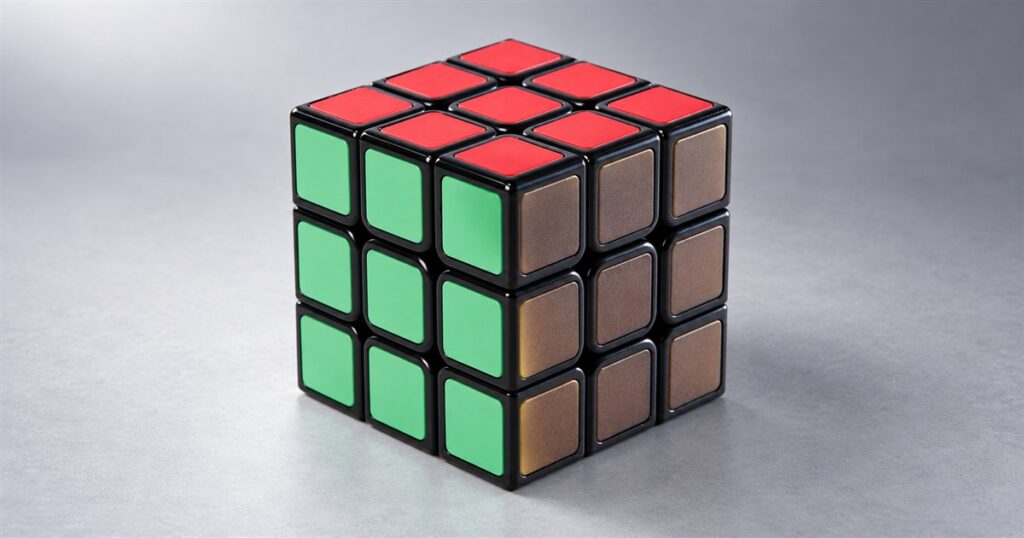
A regular puzzle cube already has a reliable method of humiliating people: let them finish one side, then make them destroy it to fix everything else. Rubik’s Phantom adds a fresh indignity. The colors can disappear while you’re thinking. Apparently, staring helplessly at a cube was missing a weather component.
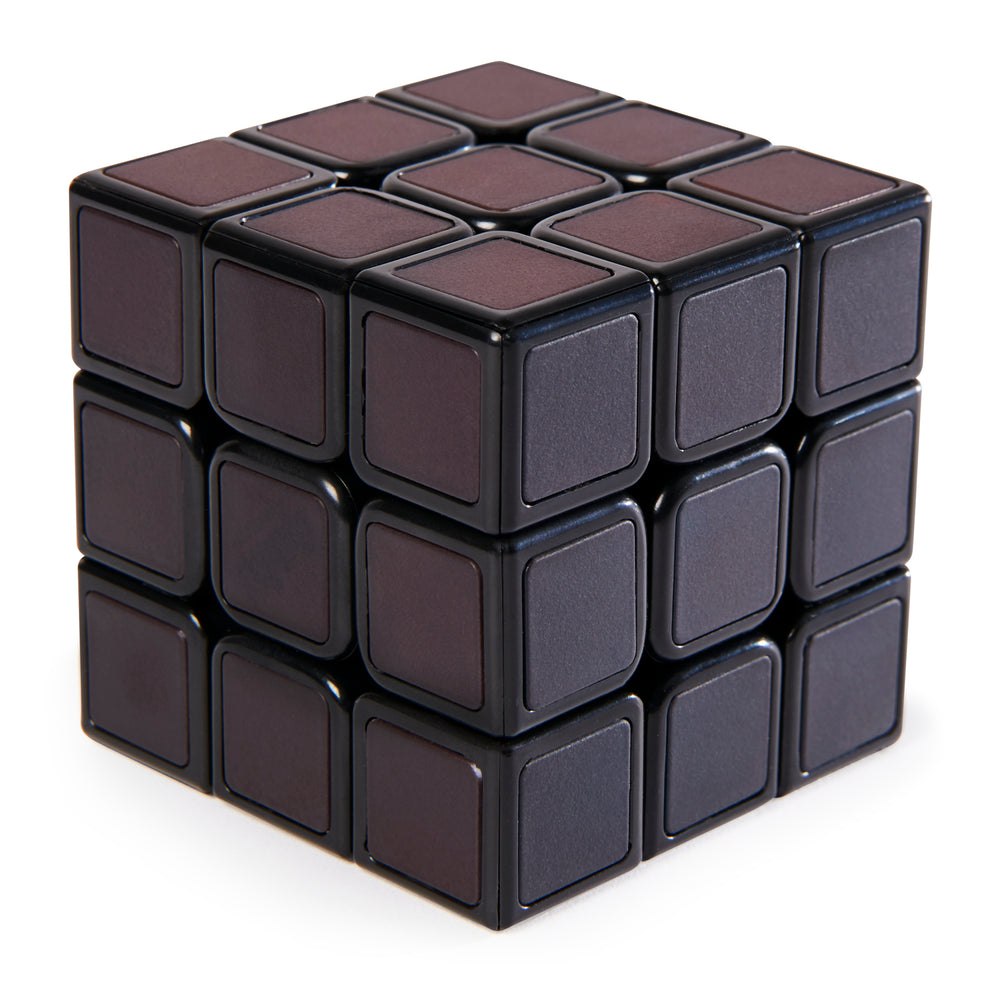
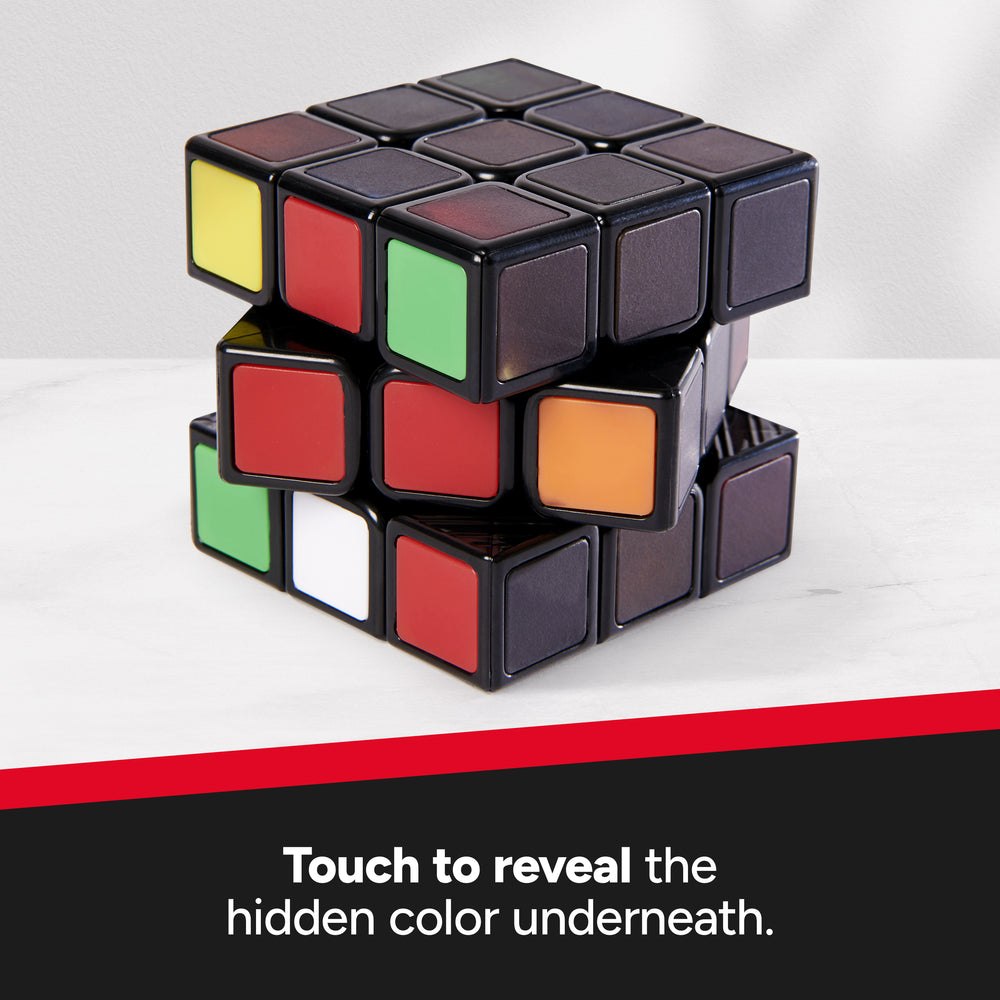
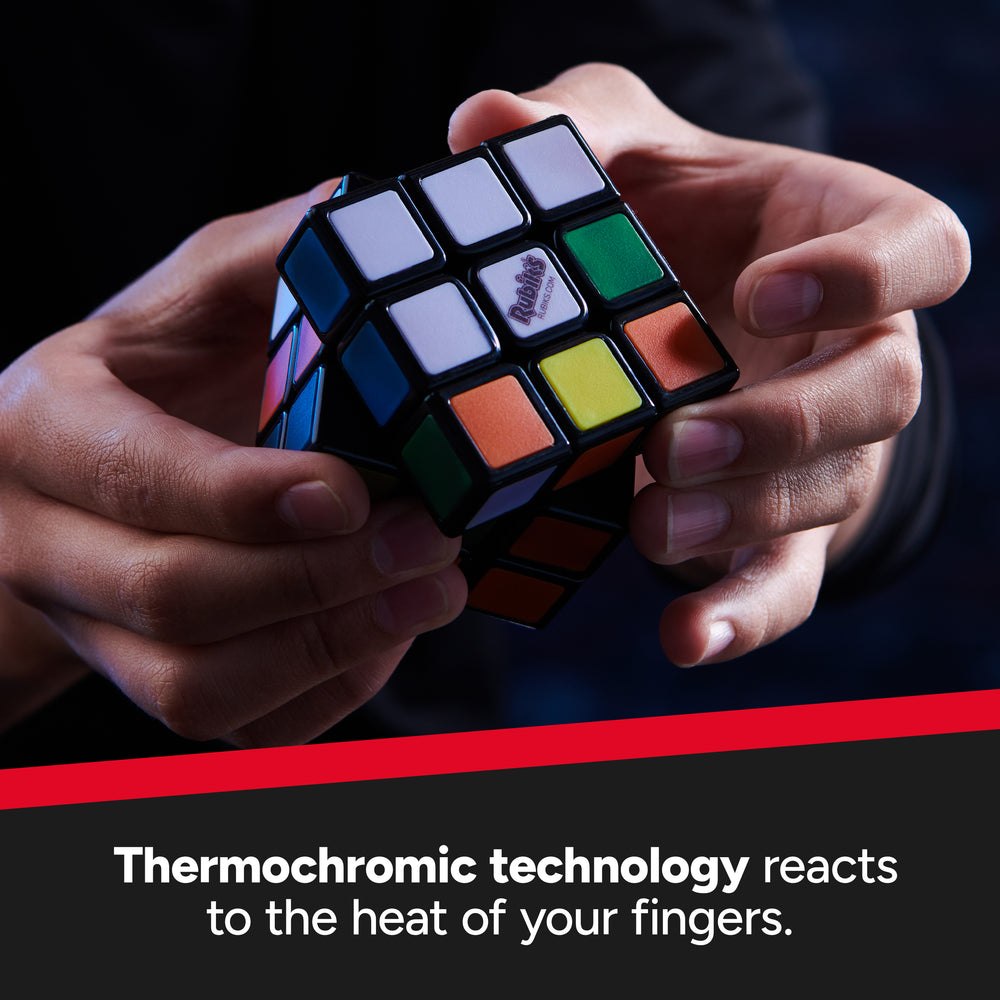
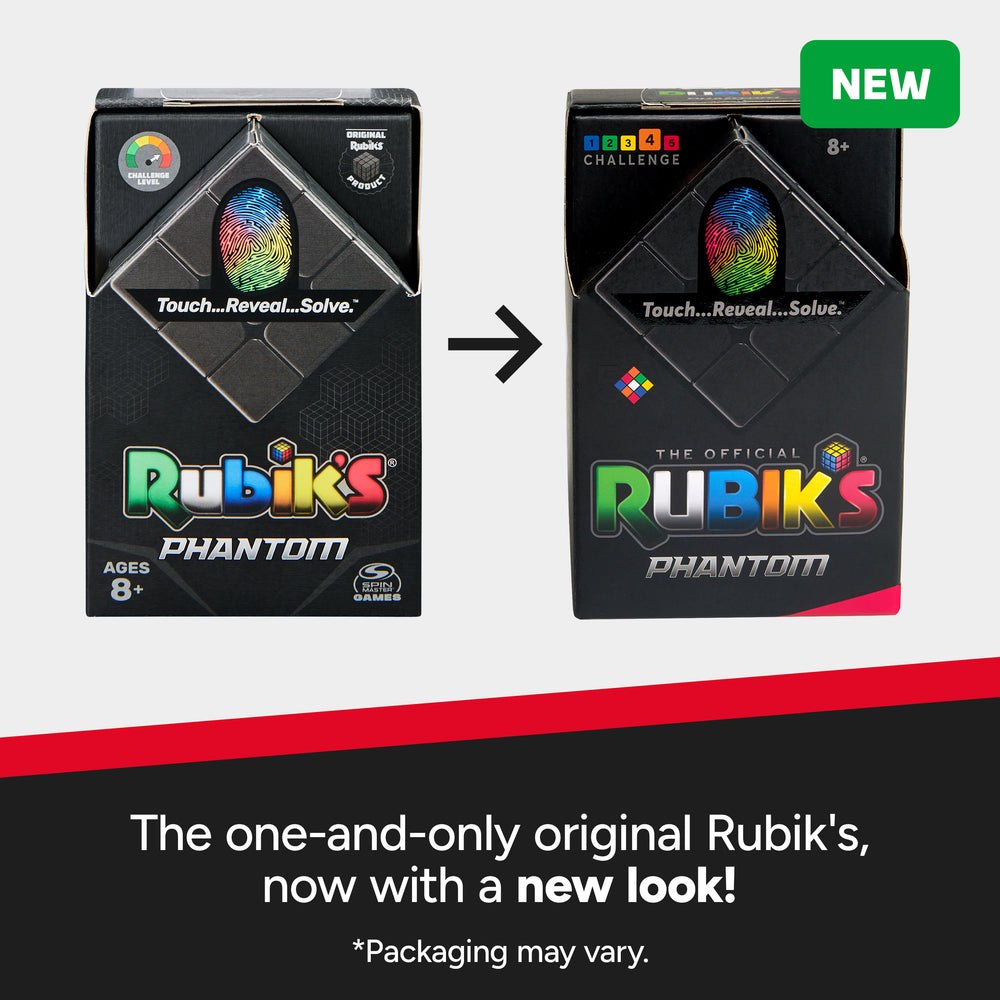
This is a heat-reveal puzzle cube from Rubik’s and Spin Master, built around the familiar 3×3 format. Its thermochromic tiles respond to the warmth of your touch, temporarily showing the colors underneath their dark appearance. As they cool, those colors fade again. Your fingers now have two jobs, and neither comes with a promotion.
The appeal is immediately understandable. You pick up something that looks unusually subdued for a Rubik’s Cube, touch it, and find that the missing information hasn’t gone anywhere. It’s just being difficult. For anyone who enjoys puzzles with a physical trick, that little reveal is a much better introduction than a long explanation on the back of a box.
The challenge is keeping the colors in view
The Phantom retains the recognizable color-matching problem. You’re still turning the cube to bring its faces into order. What changes is how readily you can inspect your progress. A normal cube leaves the evidence sitting there. This one makes you warm it up, look closely, and remember what you saw as the surfaces darken.
That gives even a pause a different feel. With an ordinary puzzle, you can sit back and contemplate your next move like a tiny plastic chess grandmaster. Here, a long thoughtful stare may leave you with less visible information than you started with. It’s a clever way of making hesitation feel expensive without adding a scoreboard.
It also makes the cube interesting before anyone solves it. A visitor can understand the touch-and-reveal effect without learning a sequence of turns. Whether that visitor then hands it back or announces that they could definitely solve it with a little more time is between them and their rapidly expanding confidence.
The dark tiles and bright patches give the Phantom a distinctive look. When some colors show and others remain muted, the cube looks halfway through revealing a secret. There’s enough familiar geometry to recognize the toy instantly, but enough missing color to make somebody ask what’s wrong with it. Nothing. It has simply chosen a more demanding personality.
A familiar puzzle with a less cooperative surface
For a seasoned cuber, the attraction is the extra condition layered onto something already familiar. For a beginner, that same condition can be the obstacle. Learning where pieces belong is easier when the colors stay visible, so this wouldn’t be my first pick for someone who mainly wants a straightforward introduction to solving a cube.
It makes more sense as a second puzzle, a collection addition, or a gift for the person who watches a difficult demonstration and immediately asks whether there’s a harder version. Most families have one. They are also the person who thinks the instructions on a board game are light bedtime reading.
- For experienced solvers: a familiar turning puzzle with an extra visibility challenge.
- For collectors: a dark, color-changing variation that looks different on the shelf.
- For casual handling: the reveal effect is understandable even without a completed solve.
- For gift buyers: consider the recipient’s patience, not just their interest in colorful toys.
That last point matters. A person can love the look of a puzzle and have absolutely no desire to negotiate with it. The Phantom is funniest as a gift when the recipient actually enjoys the challenge. Otherwise, you’ve given them a handsome little cube of unfinished business.
Room temperature gets a say
Rubik’s identifies an ideal playing temperature of up to 79 degrees Fahrenheit, or 26 degrees Celsius. That’s a useful detail for a product whose main trick depends on warmth. Think about the room where you’ll use it, especially if your idea of comfortable indoor weather involves opening a window and hoping for the best.
The effect is temperature-driven, so the visible change should be understood in that context. The maker doesn’t give a universal number of seconds for every tile to appear or disappear. There is no reason to treat it like a precise countdown. Your fingers are participating in a physical effect, rather than pressing a button marked “make puzzle harder.”
| Detail | What to know |
|---|---|
| Puzzle format | 3×3 color-matching cube |
| Distinctive effect | Touch warmth temporarily reveals colors |
| Cooling behavior | Colors fade toward black |
| Maker’s playing guidance | Ideal temperature up to 79°F / 26°C |
| Age guidance | 8 years and up |
| Package contents | One Rubik’s Phantom Cube |
I’d treat the temperature note as part of the buying decision, not a footnote to discover after unwrapping it. The whole reason to choose this version is the changing visibility. If you prefer a puzzle that behaves as consistently as possible across your daily routine, the ordinary colorful cube has a strong argument in its favor.
For the person who already owns a cube
Novelty puzzles have a delicate job. They need to change something meaningful without making the original appeal unrecognizable. This one does that neatly: it changes access to the visual clues while leaving the basic object familiar. You don’t have to explain an entirely new toy before someone understands why it might be entertaining.
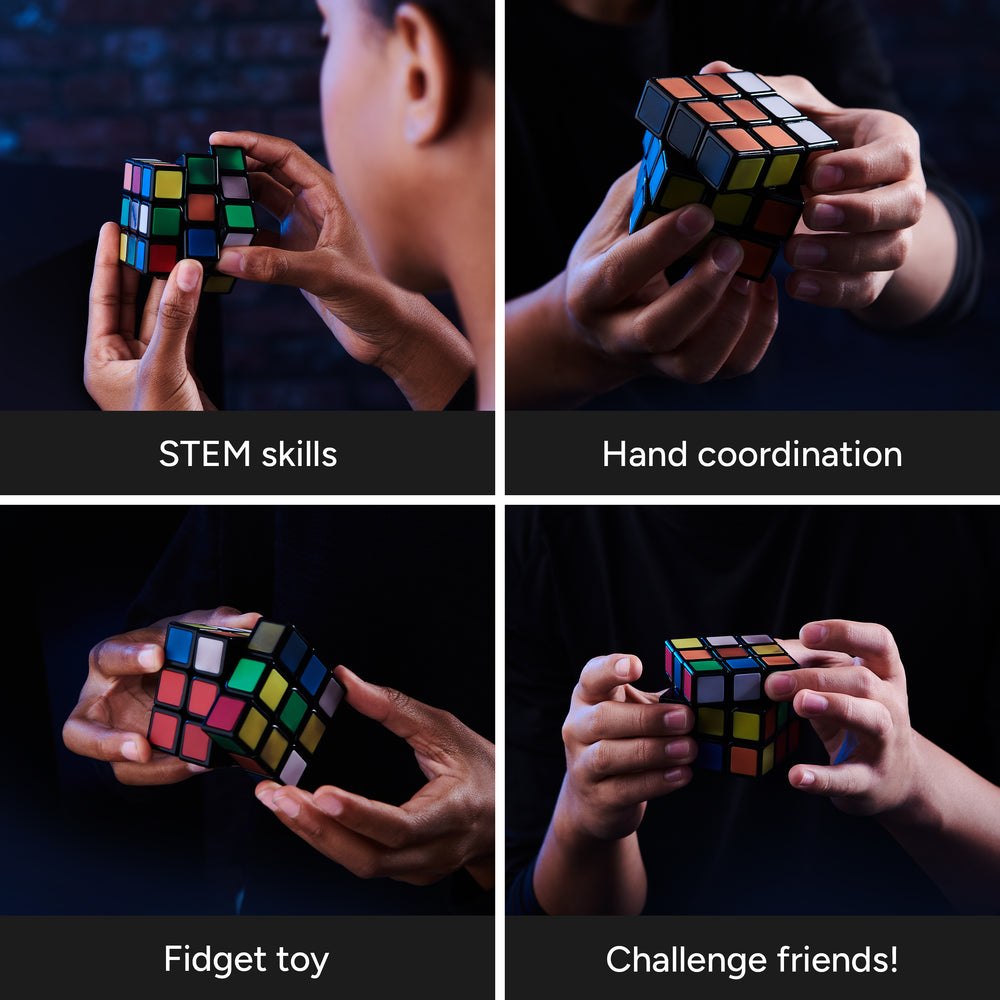
It would make an amusing desk object for someone who likes fiddling with a puzzle between tasks. There’s a satisfying contrast between the orderly shape and the unruly colors. Just don’t confuse picking it up for a moment with making actual progress. Many of us have been conducting that particular experiment with ordinary cubes for years.
The age recommendation starts at eight, but experience still matters. An age label doesn’t tell you whether somebody enjoys a stubborn puzzle. For a younger enthusiast who already likes cubing, the unusual surface could be the draw. For someone still figuring out the basics, a standard cube offers a less distracting place to practice.
And if your household has an unofficial cube expert, this has a particularly good entrance. Set it down, explain the heat-sensitive colors, and wait for the inevitable reach across the table. The expert may solve it. They may also spend several minutes warming squares with the seriousness of a person inspecting a very small engine.
Product images: Spin Master.
The details before you bring it home
- Product: Rubik’s Phantom by Spin Master.
- Core feature: a heat-sensitive surface that hides and reveals the colors.
- Format: the familiar 3×3 cube with a new visual complication.
- Best fit: experienced cubers and puzzle collectors.
- Age rating: eight and older.
- Included: one Phantom Cube; packaging may vary.
The Amazon listing was last checked at $12.25 on September 6, 2026; pricing and availability can change. Spin Master’s own store currently lists it at $14.99 and out of stock. The manufacturer provides more detail on the official Phantom product page. It’s a modestly sized challenge with a wonderfully petty premise: before you can put the colors in order, the cube would appreciate it if you could find them.
| Pros | Cons |
|---|---|
| Heat-reveal effect adds an unusual physical twist | Changing visibility adds difficulty |
| Recognizable 3×3 format | Less straightforward for learning the basics |
| Distinctive appearance for a puzzle collection | Temperature conditions matter to the effect |
| A playful gift for established cubers | May frustrate someone who wants casual, easy solving |
Where to find This Heat-Reveal Puzzle Cube Hides Its Colors Until You Touch It
OddityMall may earn a commission from qualifying purchases at no extra cost to you.