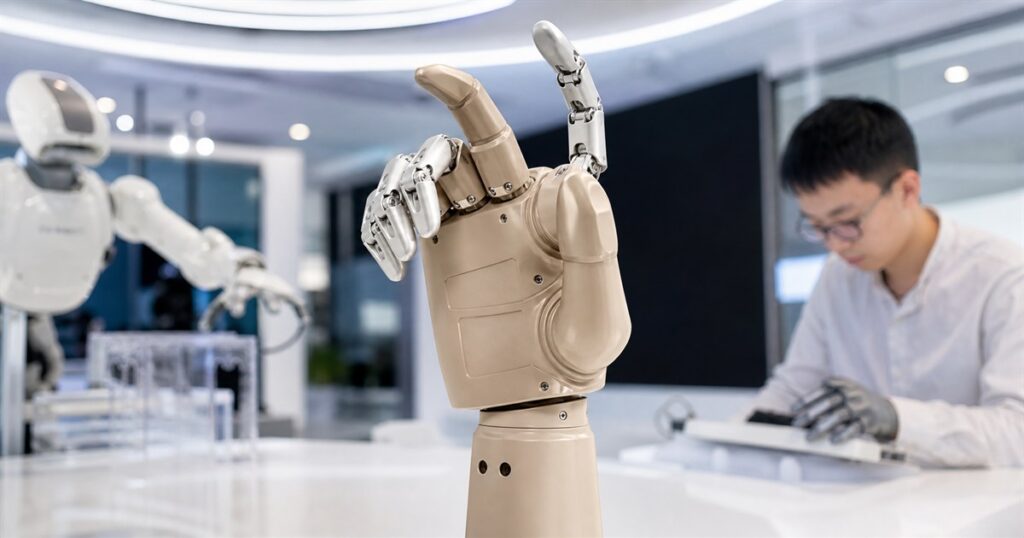
The human hand is an absurdly overqualified tool. It can hold a coffee cup, type a regrettable email, point accusingly at the mystery stain on the couch, and somehow still be delicate enough to peel the tiny sticker off an apple. Replacing all of that with machinery is not the kind of weekend project you knock out after watching two tutorials and buying a suspiciously cheap soldering kit.

The BrainCo Intelligent Bionic Hand is a prosthetic hand built for that very rude engineering assignment: turning the small electrical whispers from a user’s body into five independent robotic fingers. BrainCo describes it as an advanced smart product that combines brain-computer interface technology with AI algorithms, which is the calm corporate way of saying this hand is trying to understand what a person means before the coffee cup becomes a floor cup.
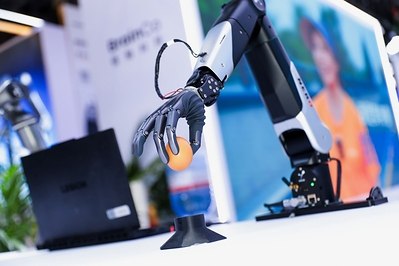
At WAIC 2026 in Shanghai, BrainCo showed the hand alongside its broader brain-to-robot AI platform, putting the prosthetic in the same neighborhood as robotic arms, EEG headsets, data-collection gloves, and other machinery that makes your toaster look like it has given up academically. The company said the Intelligent Bionic Hand weighs 383 grams and decodes neural and electromyographic signals to deliver independent five-finger movement with 0.1-degree control precision.
A Prosthetic Hand Built Around Intent
The big trick here is not merely that the fingers move. Robotic fingers have been moving for years, usually in a way that makes everyone in the room politely pretend the motion was natural. BrainCo’s pitch is more personal: the hand listens for the user’s neural and muscle signals, then turns those signals into motion commands. In practical terms, that means the wearer is not supposed to micromanage every tiny joint like a nervous stage director yelling at five actors who all forgot their marks.
That is why this is such an OddityMall-grade piece of technology. It is not a novelty hand that opens bottles at parties, although frankly that would still be impressive. It is an assistive device trying to restore ordinary daily motions that most people do without ceremony: grabbing, carrying, tapping, pinching, playing, and doing the little object negotiations that make up a normal day.



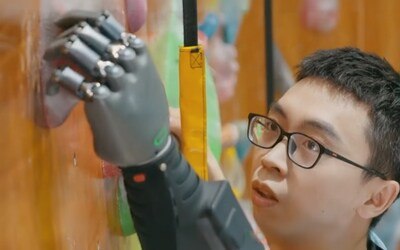
BrainCo’s press materials also show the bionic hand in the kind of scenes that make the technology feel less like lab furniture and more like an actual life tool. One user is shown playing piano, another climbing, another working at a repair stall, and another using the hand in daily life. Those images matter because dexterity is not just a spec sheet contest. A prosthetic that can survive real objects, awkward angles, and tiny decisions is doing the hard part.
What Makes It Different
The Intelligent Bionic Hand sits at the intersection of prosthetics, robotics, neural decoding, and AI-assisted control. That sounds like four separate university departments meeting for coffee and accidentally inventing an arm, but the practical goal is straightforward: make a prosthetic hand respond more naturally to the person wearing it.
- It uses neural and electromyographic signal decoding rather than relying only on simple mechanical triggers.
- It is designed for independent five-finger movement, which matters for grasping different shapes instead of treating every object like a soup can.
- BrainCo lists the hand at 383 grams, keeping the device closer to everyday wearability than many heavy robotic prototypes.
- The company cites 0.1-degree control precision for fine movement control.
- Its demonstrations focus on real-life dexterity, including carrying objects, playing piano, climbing, and skilled work tasks.
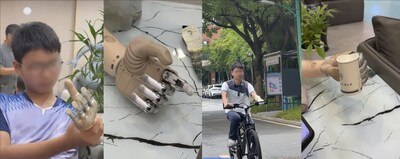
There is an important difference between “robot hand” and “prosthetic hand” that deserves more respect than it usually gets. A robot hand can sit on a workbench, perform a single gripping demo, and then go back to being a very expensive desk ornament. A prosthetic hand has to follow a human around all day. It has to be useful while the user is tired, distracted, rushed, sitting down, standing up, and trying not to drop a bag at the exact moment everyone in the room decides to look over.
| Detail | What BrainCo Lists Or Demonstrates |
|---|---|
| Product type | Intelligent bionic prosthetic hand |
| Control approach | Neural and electromyographic signal decoding |
| Finger control | Independent five-finger movement |
| Listed weight | 383 grams |
| Listed precision | 0.1-degree control precision |
| Recent showcase | WAIC 2026 in Shanghai |
The Daily-Life Part Is The Point
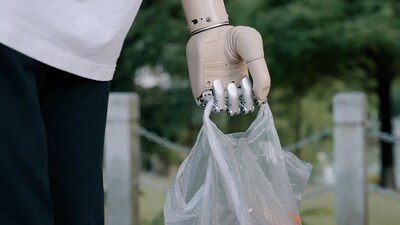
The most futuristic part of a bionic hand is not always the most dramatic. Sure, a robotic prosthetic playing piano looks like a scene cut from a hopeful sci-fi movie right before someone ruins everything by adding a sinister soundtrack. But the real win is often the smaller stuff: holding a cup, carrying a bag, picking up an apple, steadying an object, or doing work that requires a grip to change without turning into a full committee meeting.
BrainCo’s wider WAIC 2026 presentation was about translating human intent into robot action. The company’s platform uses an EEG headset to capture brain signals, AI algorithms to decode intent, and robotic systems to execute the action. That broader platform is not the same product as the prosthetic hand, but it gives useful context for BrainCo’s direction: the company is betting that robots and assistive devices get much better when they understand intent sooner and with less physical effort from the human.
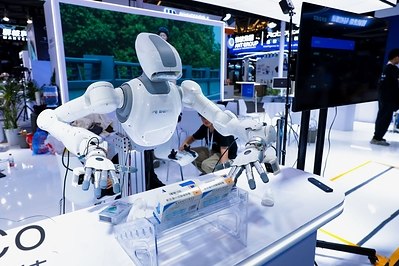
For the Intelligent Bionic Hand, that direction lands in a very human place. The hand is designed to read tiny signals from the person wearing it and use them to control multiple fingers. This is where the phrase “brain-computer interface” becomes less like conference wallpaper and more like someone trying to pick up their keys without needing a separate emotional support spreadsheet.
Of course, this is not a casual impulse buy. BrainCo does not list a public checkout amount on the product page, and the current availability path is through BrainCo rather than a normal online cart. That makes sense for a specialized prosthetic device, where fitting, clinical context, support, and user needs matter more than tossing it into a shopping basket next to replacement vacuum filters.
Key Product Details
- Product: BrainCo Intelligent Bionic Hand
- Maker/site: BrainCo
- Core function: neural and EMG-controlled bionic prosthetic hand with independent finger movement
- Listed weight: 383 grams
- Listed precision: 0.1-degree control precision
- Recent showcase: WAIC 2026, announced July 17, 2026
- Price: Price on request
- Best for: people researching advanced prosthetics, neurotechnology, assistive robotics, and wildly capable replacement hand engineering
The BrainCo Intelligent Bionic Hand is available through BrainCo, with pricing listed here as price on request. It is the sort of product that makes “give me a hand” sound less like an expression and more like a very serious robotics procurement meeting.
| Pros | Cons |
|---|---|
| Uses neural and EMG signals for intent-based control | No public off-the-shelf checkout price is listed |
| Independent five-finger movement targets real dexterity | Specialized fitting and support are likely part of the buying process |
| 383-gram listed weight keeps the device relatively wearable | Not a general consumer gadget for casual buyers |
| 0.1-degree listed control precision is impressive for fine motion | Public specs are still limited compared with a full technical datasheet |
| Official examples show piano, work, carrying, and climbing contexts | Availability may depend on region, clinical pathway, or direct inquiry |
| Backed by BrainCo’s broader BCI and robotics development work | Real-world results will depend heavily on user training and fit |
Where to find This Brain-Controlled Bionic Hand Moves Five Fingers Independently
OddityMall may earn a commission from qualifying purchases at no extra cost to you.