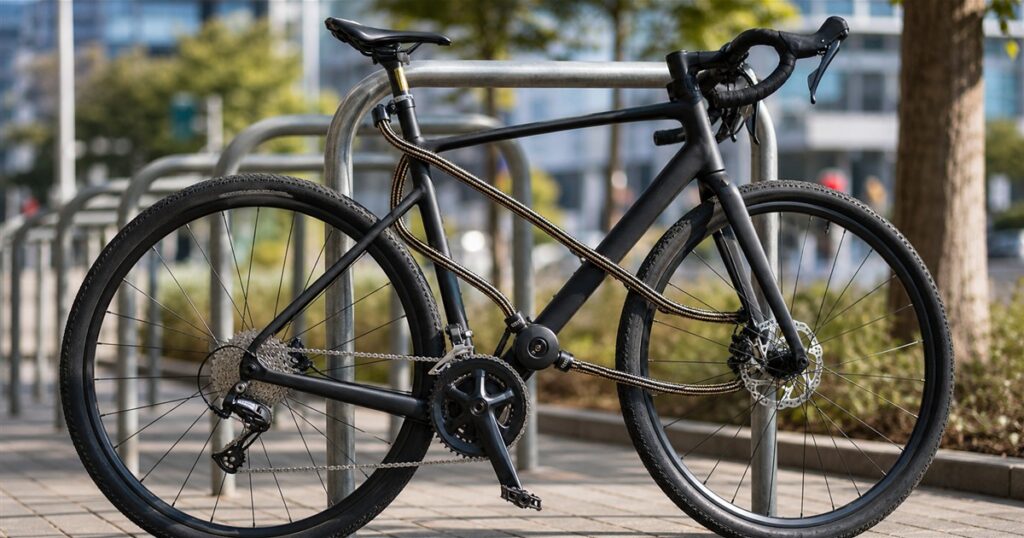
Bike thieves are basically unpaid quality assurance testers with worse manners, and the rest of us have responded by turning every quick coffee stop into a small nautical rigging exercise.
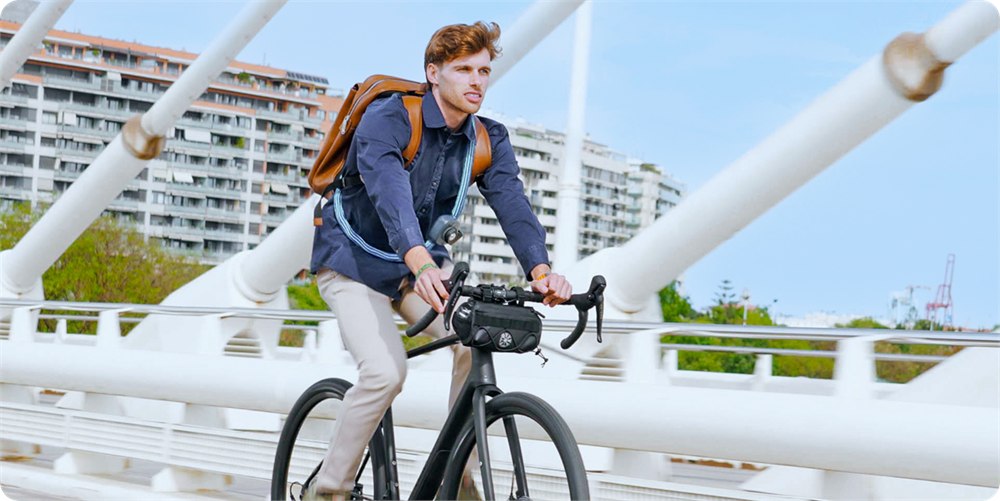
You know the routine. One lock for the frame, another solution for the front wheel, a cable for the saddle if your neighborhood has entered its medieval scavenger phase, and then a pocket full of keys that makes you sound like a building superintendent. Cordalock is a 3-in-1 whole-bike lock designed to make that ritual less like preparing a stage illusion and more like parking a bicycle like a functioning adult.
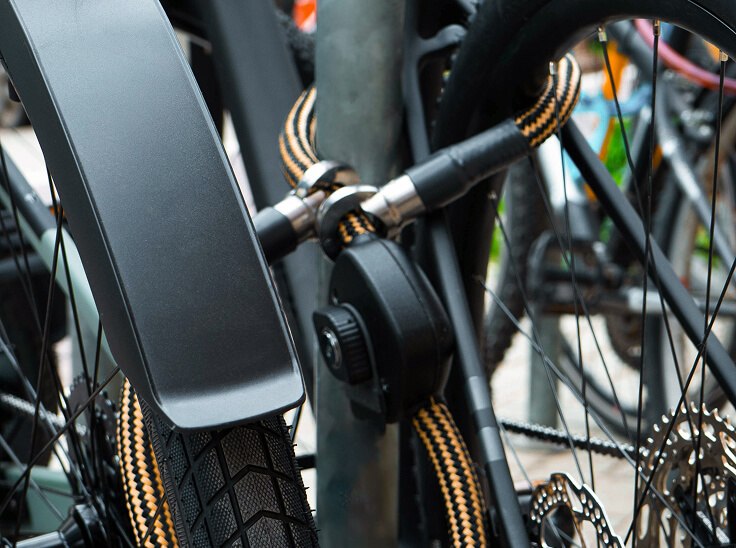
The idea is simple in the same way a folding chair is simple after a room full of engineers has quietly lost sleep over it: one flexible locking system forms two independently secured loops around the bike. Those loops can capture the frame, both wheels, and the rack, while an optional extra cable can reach up to the saddle. It is still a lock, not a force field, but it is trying to solve the problem that most bike locks only protect the one part you remembered to include in the little metal friendship bracelet.
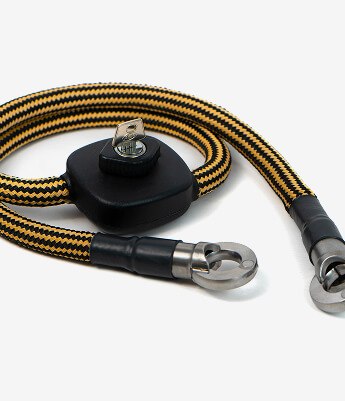
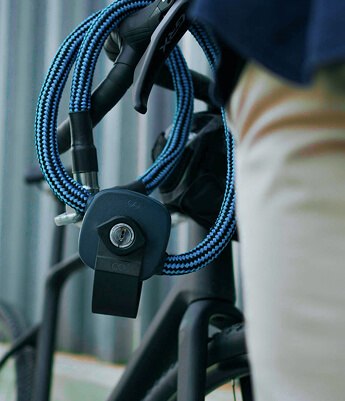
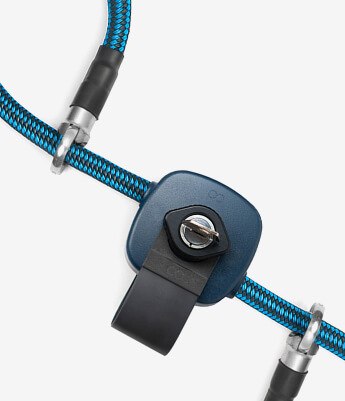
Cordalock comes from Corda, a Spanish startup that describes the system as a single patented device for the frame, wheels, and seat. The company positions it as three U-locks worth of coverage in one integrated setup, which is a bold thing to say to cyclists, a community that can detect marketing optimism from three bike racks away. The useful part is that the product is not just a long cable with confidence. It uses a central lock and tensioning mechanism with a thick cable structure covered by overlapping hardened steel rings and a protective textile sleeve.
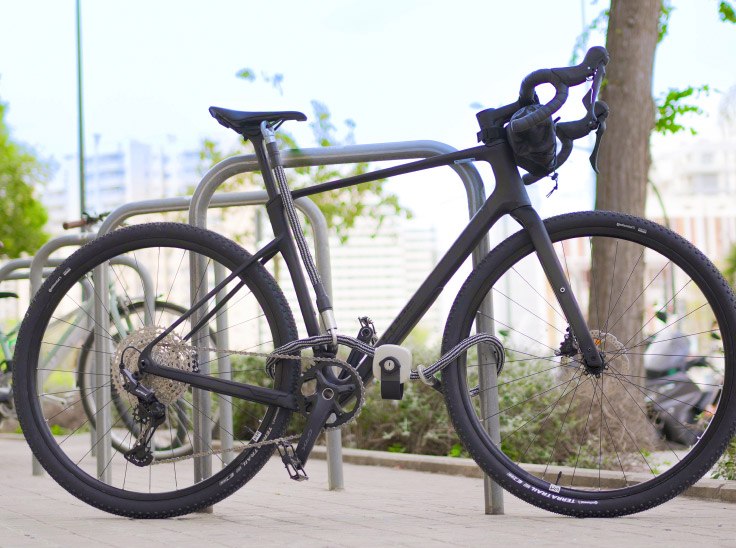
That central mechanism is the small hub of the whole operation. The cable ends loop back through hasps, the rider arranges the two loops around the correct bike parts, and then the locking body takes up the slack so the whole arrangement cinches tight. Finally, a key locks the mechanism. It is bike security as a drawstring bag, except the bag contains your dignity, your front wheel, and the last bit of faith you had in humanity.
Related posts:
 This Flexible Stainless Steel Charging Cable Doubles as a Phone Mount
 Bowl of Froot Loops Candle Looks and Smells Like Actual Froot Loops Cereal
 The Bunch Electric Cargo Bike Lets You Haul Up To 4 Children In Front Of The Bicycle
 This Incredible Bicycle Car Is an E-Bike That Keeps You Warm During Winter Transit
The clever bit is the independently functioning loop layout. On a regular cable lock, one successful cut can turn the entire thing into a disappointing noodle. Cordalock’s pitch is that each loop can keep functioning on its own, so a single cut does not automatically free every protected part of the bike. That does not mean anyone should leave a dream bike outside overnight beside a suspicious van, but it does mean the design is thinking about real theft behavior rather than pretending thieves politely attack only the convenient brochure angle.
For everyday riders, the biggest selling point may be mental load. Good locking technique is not hard, but it is annoying enough that people skip steps. Cordalock is aimed at the rider who understands that the front wheel is removable, the saddle is removable, and apparently society is removable too, but who does not want to carry a backpack that sounds like a hardware drawer.
How the Cordalock setup works
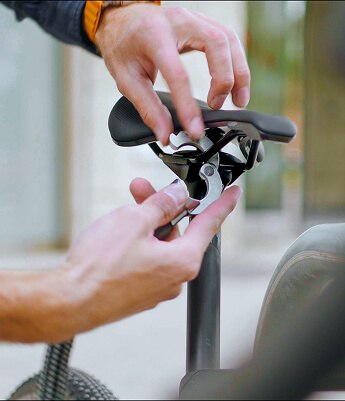
The lock is meant to unfold, loop, anchor, tension, and lock. In practice, the rider can run one loop through the frame, rear wheel, and a fixed object, then use the other loop for the front wheel. The optional seat cable extends the system to the saddle, which is a nice acknowledgment that bicycle saddles have a mysterious ability to become public property the moment you stop looking at them.
Here is the practical version of the pitch:
- One integrated lock can secure the frame and both wheels.
- The 3-in-1 version adds a saddle cable for the seat.
- Two independent loops let riders protect different bike zones with one keyed system.
- A central lock/tensioner tightens the cable and secures the hasps.
- The cable uses a braided stainless steel core with overlapping hardened steel rings and an outer textile sleeve.
- Backers can choose between multiple color combinations and two cable lengths.
The textile sleeve is doing more than making the lock look like something a stylish commuter would own. It also helps keep the hardware from scraping the bike frame while the inner structure handles the unpleasant part of being attacked by tools. Cordalock says its ring structure resisted roughly 20 to 38 kilonewtons of shear force before failure in testing, and New Atlas reported that a 350-watt angle grinder jammed against the structure while an 840-watt grinder eventually got through after about 24 minutes.
Those details matter because the product is physically unusual. The lock looks more like a flexible piece of climbing gear than the brick-shaped U-lock most cyclists know. That could be a benefit if your locking situation changes constantly: racks, posts, fences, awkward city fixtures, and the occasional municipal object that seems to have been designed by someone who has only heard bicycles described over the phone.
| Feature | What Cordalock lists | Why it matters |
|---|---|---|
| Main protection | Frame and both wheels | Covers the parts thieves usually target separately |
| 3-in-1 version | Extra saddle cable | Adds seat protection without carrying another separate lock |
| Loop design | Two independent loops | A single cut is not meant to release every secured section |
| Core construction | Braided stainless steel core with hardened steel rings | Gives the flexible cable a more serious anti-theft structure |
| Listed weight | 2.1 kg for the main lock | Heavy enough to consider for daily carry |
| Options | Five color combinations and two cable lengths | Lets riders match fit, bike size, and personal taste |
The catch, because physics always walks in wearing shoes indoors, is weight. The main lock is reported at 2.1 kg, or about 4.6 pounds. That is not absurd for serious bike security, but it is not a featherweight cafe lock either. The optional saddle cable adds another 760 g, or about 1.7 pounds. In other words, Cordalock is trying to replace several security pieces, not disappear into a jersey pocket like a granola bar with legal anxiety.
For city commuters, cargo-bike owners, e-bike riders, and anyone with quick-release components, the weight may be a fair trade. One organized system can be easier to justify than a U-lock plus a chain plus a cable plus the feeling that you are about to perform close-up magic for a parking meter. For ultralight riders, it may be too much hardware unless the bike spends meaningful time locked in public.
There is also something satisfying about the way Cordalock makes the correct locking behavior visually obvious. A lot of lock systems rely on the rider remembering exactly what to thread through what, which is how you end up with a beautifully secured rear wheel attached to a bike that has spiritually moved on. Cordalock’s double-loop layout practically begs to be routed around the major components, like a stern kindergarten teacher for bicycles.
The design should be especially interesting to people who park in unpredictable places. A rigid U-lock is excellent when the rack and frame geometry cooperate, and an insult comedy routine when they do not. Cordalock’s flexible body gives riders more placement options, while the central tensioner reduces the floppy cable problem that makes thieves feel personally invited.
Still, it is important to treat this as a serious lock with practical limits, not an enchanted rope. No portable bike lock is immune to determined power-tool attacks, and a lock that is harder to defeat can still be defeated with enough time, noise tolerance, and moral vacancy. Cordalock’s real promise is coverage and inconvenience: protect more bike parts at once, make the attack less straightforward, and remove some of the small daily friction that causes people to under-lock their bikes.
Who this bike lock makes sense for
Cordalock is probably overkill for the bike that only visits your garage wall and a sunny neighborhood path. It makes more sense for commuter bikes, gravel bikes, city e-bikes, campus bikes, and everyday rides that regularly sit near strangers with bolt cutters and too much schedule flexibility. It is also a strong match for anyone who already carries more than one lock and would rather consolidate that little metal tax into one more deliberate system.
The visual weirdness is part of the charm. Wrapped around a bike, the Cordalock looks like the bicycle has been claimed by a very organized piece of industrial spaghetti. The central lock sits near the lower frame, the cable lines cross cleanly through the important areas, and the optional saddle line makes the whole setup look like someone finally read the entire theft checklist instead of giving up after “rear wheel probably fine.”
The Kickstarter campaign lists Cordalock as an active project from Mariano Lasala, with campaign tracking pages showing a July 16, 2026 start and an August 30, 2026 end date. As with any crowdfunded hardware project, timing and final production details can shift, so the best buyer is someone comfortable with the usual pledge-and-wait rhythm rather than someone who needs a lock before Tuesday because their current one just developed emotional availability.
Key product details:
- Product: Cordalock 3-in-1 whole-bike lock.
- Maker: Corda / Cordalock.
- Core function: secures the bicycle frame, both wheels, and optionally the saddle with one keyed system.
- Construction: braided stainless steel core, overlapping hardened steel rings, protective textile sleeve, central lock/tensioner.
- Listed main-lock weight: 2.1 kg, or about 4.6 pounds.
- Optional saddle cable weight: 760 g, or about 1.7 pounds.
- Options: multiple color combinations and two cable lengths.
The Cordalock Kickstarter lists the basic version from about 157 euros, roughly $180, while the 3-in-1 version with the extra saddle cable is listed around 165 euros, roughly $206. The product is available through the Cordalock Kickstarter campaign, with Corda also directing visitors from its official site to preorder the lock.
| Pros | Cons |
|---|---|
| Secures frame and both wheels with one integrated system | Heavier than casual cafe locks |
| Optional cable can protect the saddle too | Crowdfunding timing can change |
| Flexible design works with more rack shapes than a rigid lock | Still not invincible against determined power tools |
| Two independent loops reduce single-cut vulnerability | Setup may take practice at first |
| Textile sleeve helps protect the bike finish | Bulk may bother minimalist riders |
| Central tensioner helps remove loose cable slack | Best suited to riders who park in public often |
Where to find This Whole-Bike Lock Secures Your Frame, Wheels, and Saddle With One Key
OddityMall may earn a commission from qualifying purchases at no extra cost to you.
Related posts:
This Flexible Stainless Steel Charging Cable Doubles as a Phone Mount
Bowl of Froot Loops Candle Looks and Smells Like Actual Froot Loops Cereal
The Bunch Electric Cargo Bike Lets You Haul Up To 4 Children In Front Of The Bicycle
This Incredible Bicycle Car Is an E-Bike That Keeps You Warm During Winter Transit