Somewhere between the blood pressure cuff you forgot in a drawer and the smartwatch you forgot to charge, the humble toilet seat has apparently been promoted to home wellness intern. This is either the future of passive health tracking or the most dramatic performance review your bathroom has ever received.
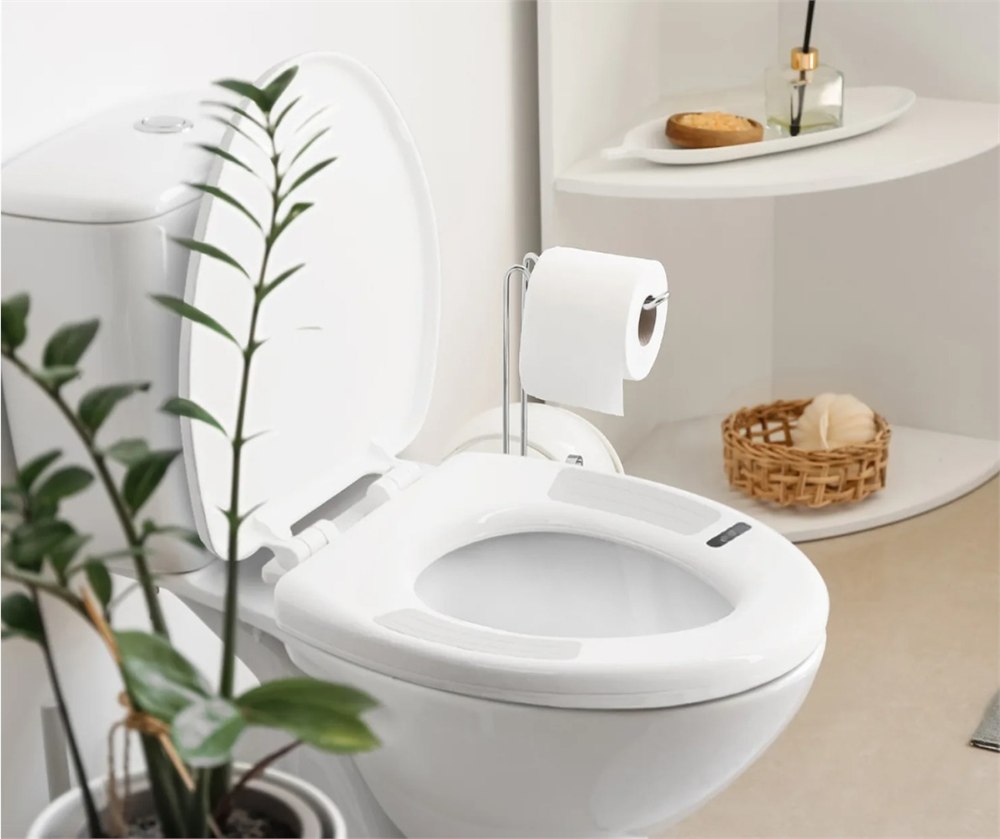
The Casana Smart Seat is a smart toilet seat that replaces a regular elongated toilet seat and quietly tracks wellness trends while you sit. No wristband. No clip-on sensor. No “I should really be measuring that” guilt spiral at 10:47 p.m. It is designed to make routine vital-sign trend tracking happen during a routine you were already planning to keep, because the human body may be complicated, but bathroom attendance remains undefeated.
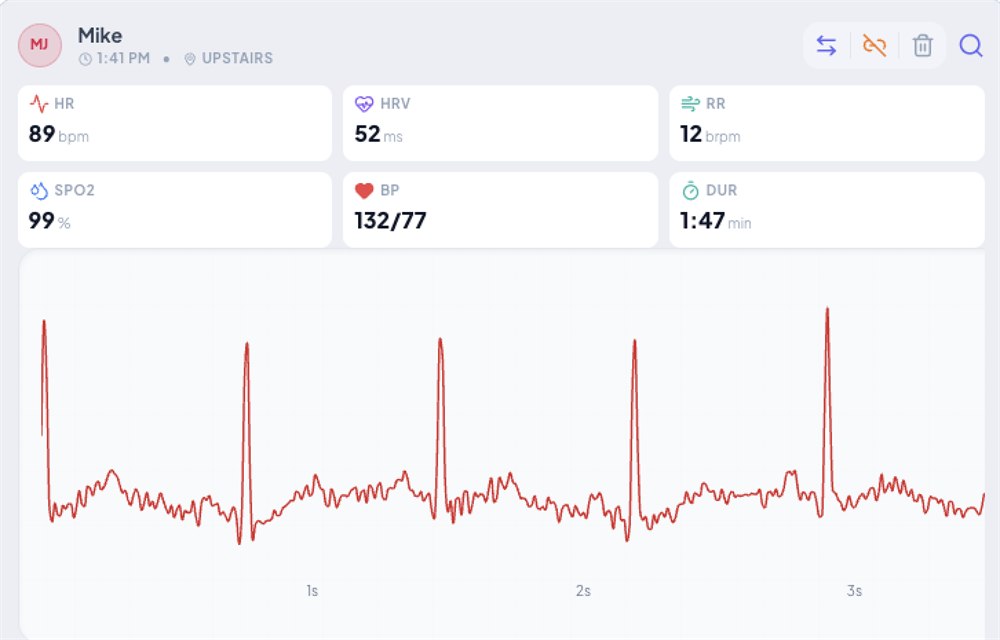
Casana describes the Smart Seat as an in-home wellness tracker that reads signals in under two minutes whenever you sit. The company says it can track trends for heart rate, heart rate variability, blood oxygen, respiration rate, blood pressure insights, and sit-to-stand power. It sends those readings to the Smart Seat Companion App or web app, where they show up as trend information rather than forcing the toilet itself to sprout a tiny screen like a cursed airplane seatback.
A toilet seat that quietly does the nagging for you
The appeal is not that everyone has secretly wanted a toilet with a resume. The appeal is that health tracking usually asks people to do one more thing. Strap this on. Charge that. Sit still. Sync something. Find the cuff. Realize the cuff batteries are dead. Wonder why your body came with no dashboard and several mysterious noises.
Casana’s whole pitch is that the Smart Seat asks almost nothing after installation. It looks and works like a normal toilet seat, but the seat has embedded sensors that gather readings while you use it. The company says a few sits per week can be enough to follow your normal trends, which is a practical phrase and also a devastatingly accurate description of modern self-care: please just collect the data while I am already sitting down.


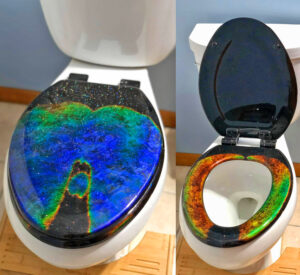
The seat is also intentionally not a surveillance gadget. Casana says there is no camera and no microphone, which is the kind of product detail you want stated in giant emotional letters when the object lives in a bathroom. Data appears in the app, and the user controls whether to share it with family, caregivers, or a healthcare provider.
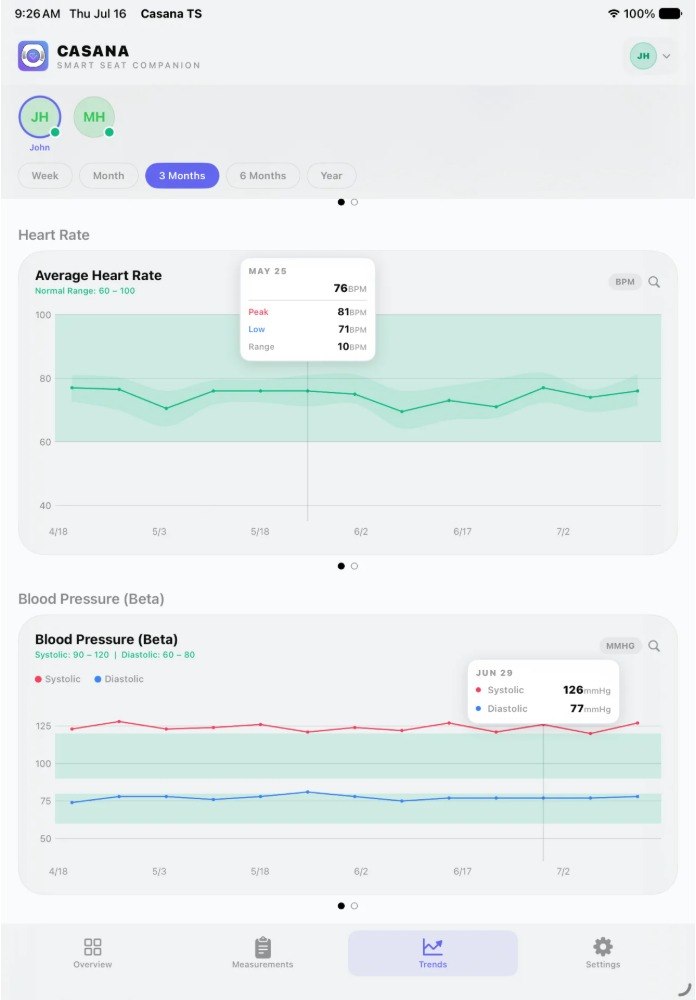
What the Smart Seat actually tracks
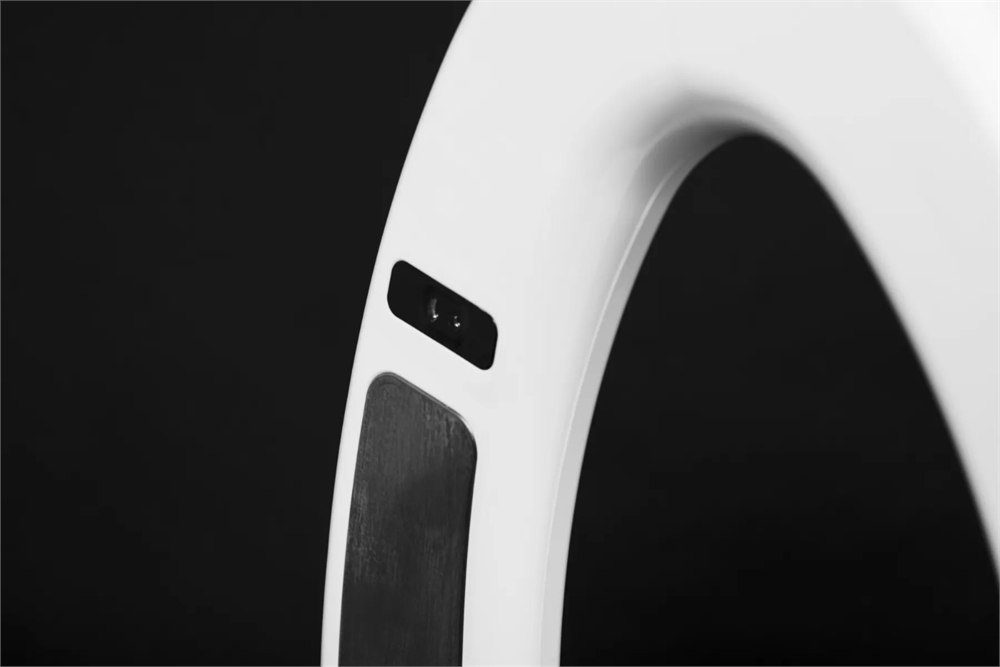
Inside the seat, Casana lists three sensor types: single-lead electrocardiogram, photoplethysmogram, and load-cell-derived ballistocardiogram. Translated into human furniture language, it is using contact and subtle body-motion signals from the seat to help estimate wellness trends without requiring a wearable. That is the strange magic trick here: the product is visually familiar, but the job description has escaped the normal toilet-seat department.
Here is the practical breakdown without pretending your bathroom has become mission control:
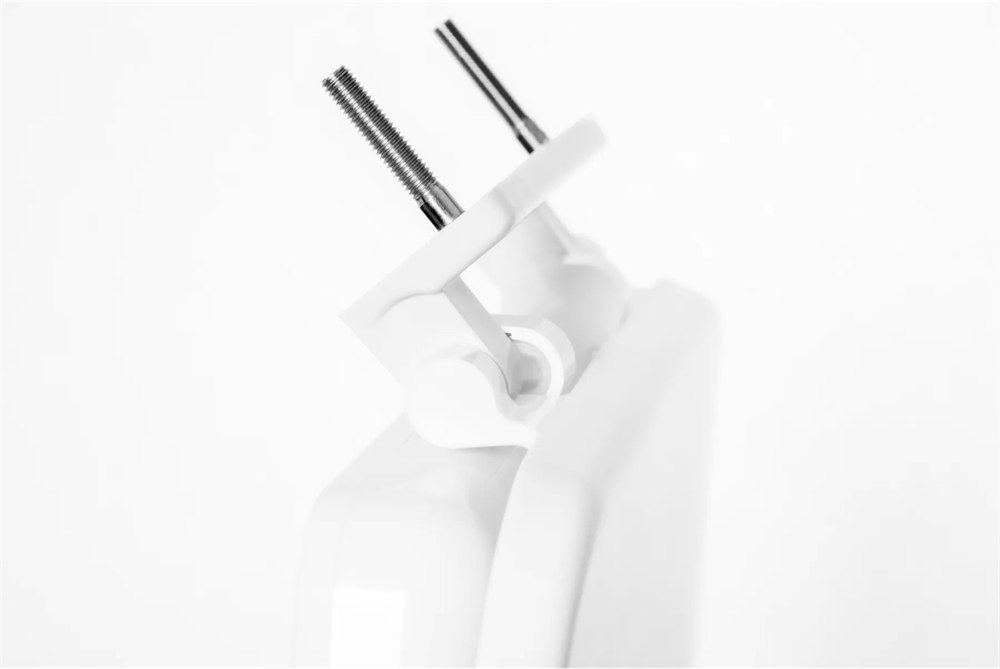
- It replaces a standard elongated toilet seat and installs with a normal two-bolt setup.
- It reads wellness signals during ordinary seated use, with readings taking under two minutes.
- It tracks trends for heart rate, heart rate variability, blood oxygen, respiration rate, blood pressure insights, and sit-to-stand power.
- It works with a companion app and web app for viewing trends and sharing information if the user chooses.
- It is battery powered, Wi-Fi enabled, and built with a soft-close lid.
- It is for general wellness monitoring, not diagnosis or emergency medical decisions.
Casana says the Smart Seat is grounded in more than ten years of research, including clinical and third-party validation work, and was designed and made in Rochester, New York. Rochester Business Journal reported that Casana brought the product to market on July 21, 2026, after more than a decade of development, tracing the technology back to research that began around Rochester Institute of Technology.
| Feature | What Casana says it does | Why it matters |
|---|---|---|
| Passive readings | Tracks signals while you sit | Less routine-breaking than cuffs or wearables |
| App trends | Shows vital-sign patterns over time | Useful for noticing changes from your normal |
| Embedded sensors | Uses ECG, PPG, and BCG-style sensing | Keeps the tech hidden inside a familiar seat |
| Privacy design | No camera or microphone | Important, because this is a bathroom product |
| Compatibility | Made for elongated toilets | Buyers need to check fit before ordering |
It is clever, but not magic
The Smart Seat is a wellness device, not a doctor in porcelain-adjacent form. Casana says it is not intended for medical use, and the company notes several groups it has not tested the product on, including people under 18, people under 90 pounds or over 350 pounds, pregnant women, people with persistent arrhythmias, and people with pacemakers. That does not make it less interesting. It makes it the kind of gadget that needs to be understood correctly before it becomes family group-chat policy.

The smartest use case is trend awareness. Maybe an older parent wants a less annoying way to keep an eye on basic wellness changes. Maybe a caregiver wants shared trends without daily interrogation. Maybe you are simply the kind of person who enjoys turning normal rooms into lightly instrumented laboratories, but would still prefer that the laboratory equipment not look like a hospital cart.
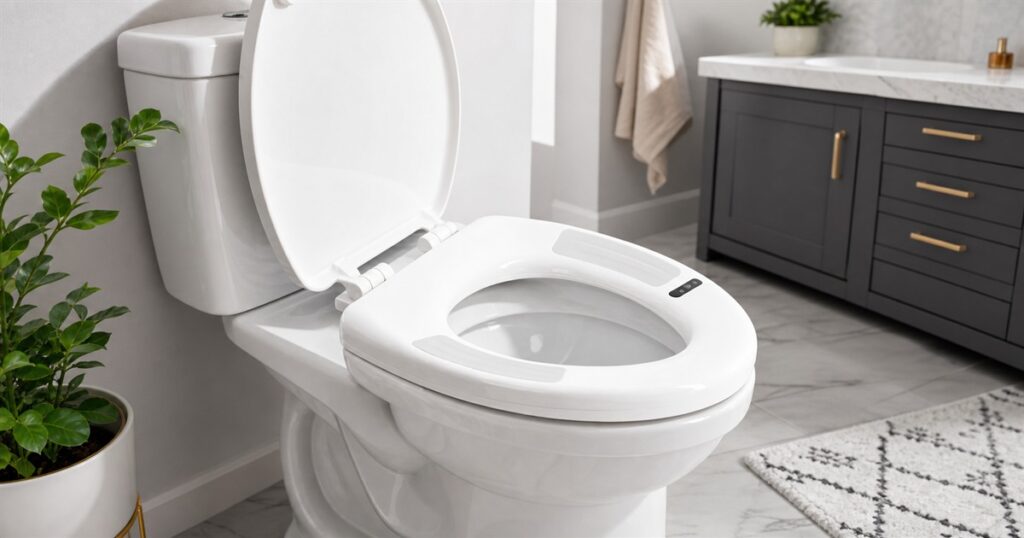
It is also refreshingly normal-looking. The seat is white, soft-close, and shaped like a regular elongated toilet seat, with subtle gray pads and a small dark detail on the rim. If you did not know what it was doing, you might assume someone had purchased a slightly fancy toilet seat and then become very proud of it.
Installation, fit, and the bathroom reality check
Casana says installation is similar to swapping a normal toilet seat and uses the standard two-bolt setup. The big compatibility catch is shape: the Smart Seat is designed for elongated toilets. It is not listed as compatible with bidet attachments, and Casana recommends checking its compatibility guide before ordering. In other words, measure first, achieve futuristic bathroom dignity second.
The seat is Wi-Fi enabled and battery powered. Casana says it does not require charging and that batteries should last several years, with replacement batteries sent as needed. That matters because a bathroom wellness gadget that needs constant charging would immediately become a sad plastic sculpture next to the electric toothbrush.
For households, the app supports multiple users, and Casana says the system uses bioidentification to recognize different people in the home. Up to five household members are included in the launch package. Data sharing is optional, so the seat can be a private trend tracker, a caregiver-support tool, or the most technologically advanced way to tell your adult children to stop hovering.
What you get and what to know
As for the part everyone eventually scrolls toward while pretending to be above such things: Casana lists the Smart Seat at a limited launch price of $199. The official product page says that includes the seat and the first full year of service. After the first year, Casana’s current site lists service at $9.99 per month, cancel anytime, with the seat remaining yours.
Casana also lists free shipping, a 1-year warranty, and a 30-day money-back guarantee with the launch offer. The product is sold through Casana, and the official site describes it as available through a secure checkout.
- Product: Casana Smart Seat vital-signs toilet seat
- Function: passive in-home wellness trend tracking during normal seated bathroom use
- Signals listed: heart rate, HRV, SpO2, respiration rate, blood pressure insights, and sit-to-stand power
- Sensor types listed: single-lead ECG, PPG, and load-cell-derived BCG
- Compatibility: standard elongated toilets, with fit guide recommended before purchase
- Privacy: no camera, no microphone, user-controlled sharing
- Price: $199 limited launch offer with first year of service included; service currently listed at $9.99/month after year one
The Casana Smart Seat is the rare gadget that sounds ridiculous for about three seconds and then starts making uncomfortable sense. Health tracking fails when it demands too much ceremony. This thing puts the ceremony exactly where nobody needed more ceremony, and somehow that is the point.
| Pros | Cons |
|---|---|
| Tracks wellness trends without a wearable | Only fits elongated toilets |
| No camera or microphone | Not a medical or diagnostic device |
| Uses a normal bathroom routine | Requires app/web comfort for viewing trends |
| Includes first year of service in launch offer | Ongoing monthly service applies after year one |
| Supports optional sharing with family or caregivers | Not tested for several user groups listed by Casana |
| Battery powered with no regular charging listed | Buyers need to check toilet and attachment compatibility |
Where to find This Smart Toilet Seat Tracks Vital Signs While You Sit
OddityMall may earn a commission from qualifying purchases at no extra cost to you.