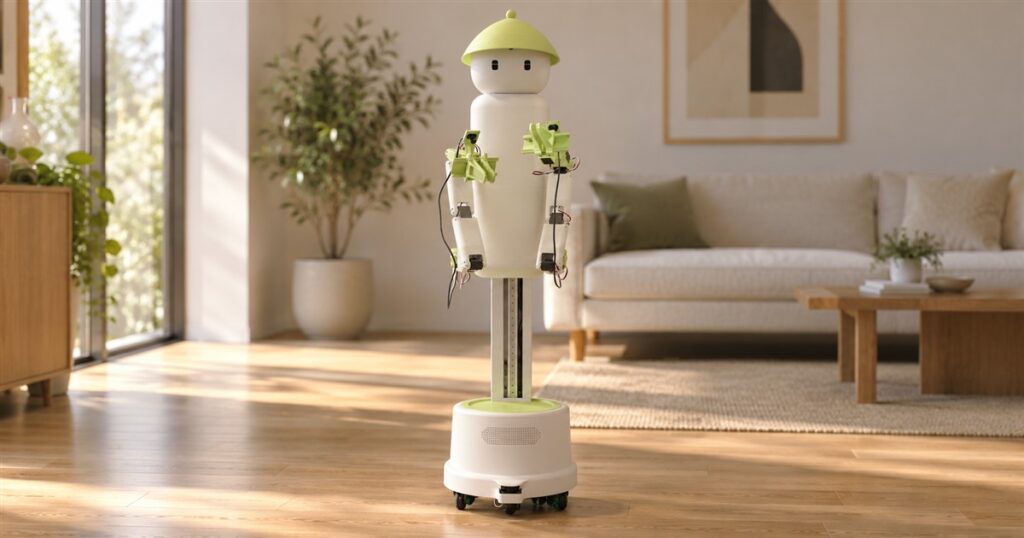
Somewhere in your house, a shoe is lying six feet from the place where shoes belong. Nobody remembers leaving it there. Everybody agrees it should move. Flourish 1 is a teachable household robot built around the radical proposition that this tiny domestic standoff could become somebody else’s job, preferably somebody with wheels and no opinions about whose turn it is.
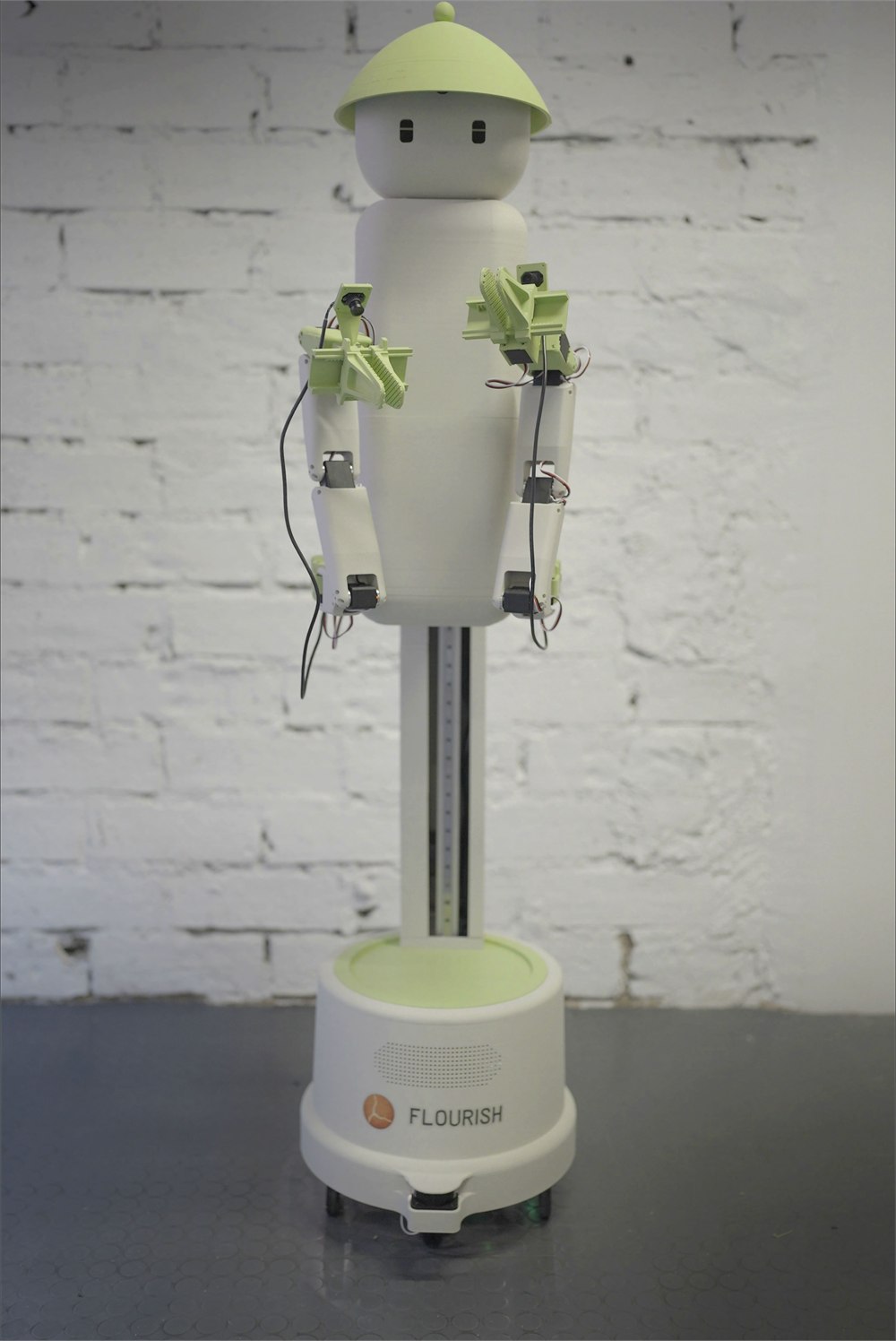
Flourish Robots has introduced a small mobile helper designed to learn chores through a phone app. The company describes teaching it tasks such as collecting shoes, wiping tables, fetching objects, and loading a dishwasher. These are ambitious promises for an early preorder robot, so consider this a look at what its maker is offering, rather than a claim that your laundry has officially lost the war.
The premise is immediately appealing. A lot of housework consists of relocating objects that were perfectly capable of remaining in their correct locations until humans got involved. A robot willing to tackle even part of that cycle would have a busy calendar. It would also quickly understand why the hallway gets described as a situation.
A household robot wearing a very serious little hat
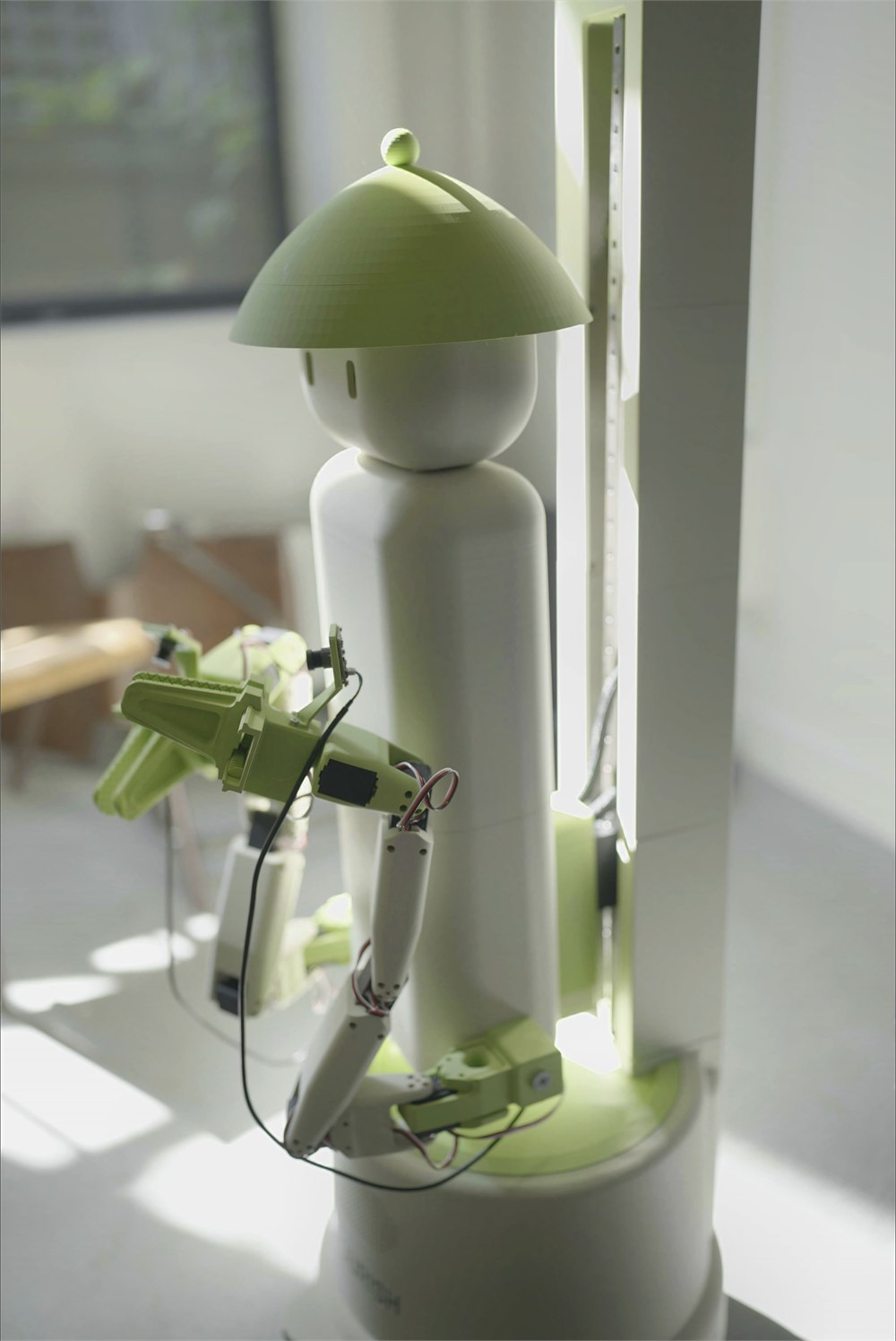
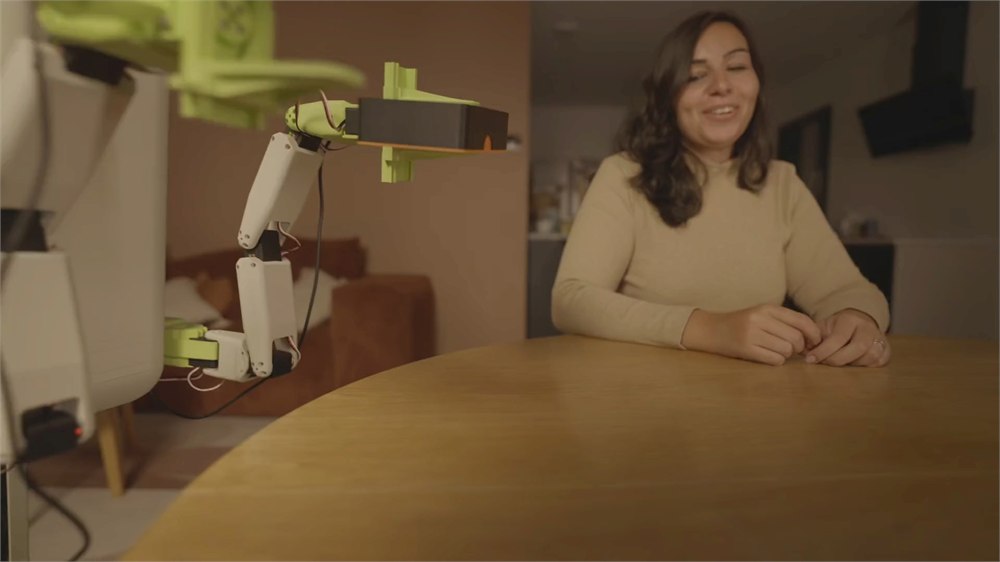
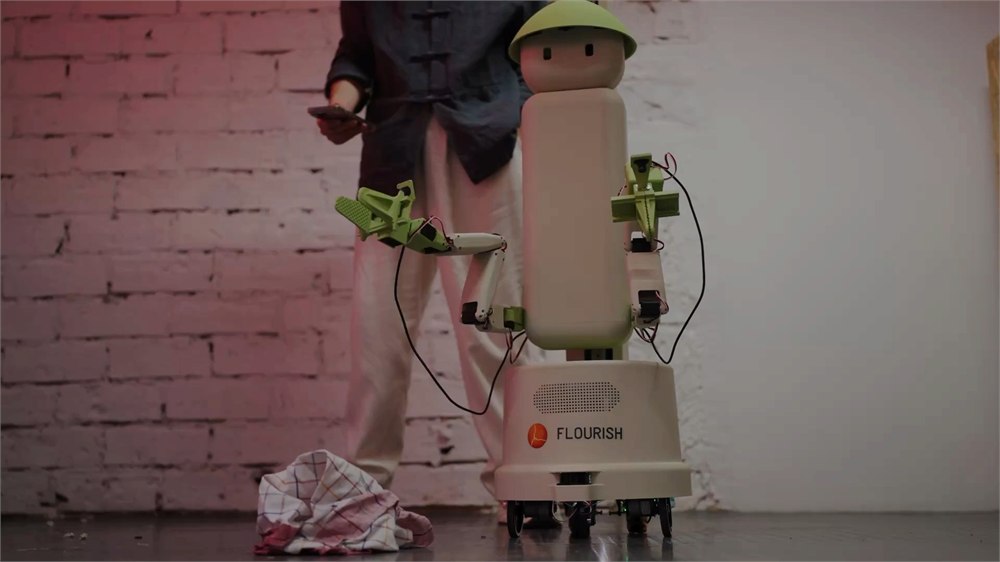
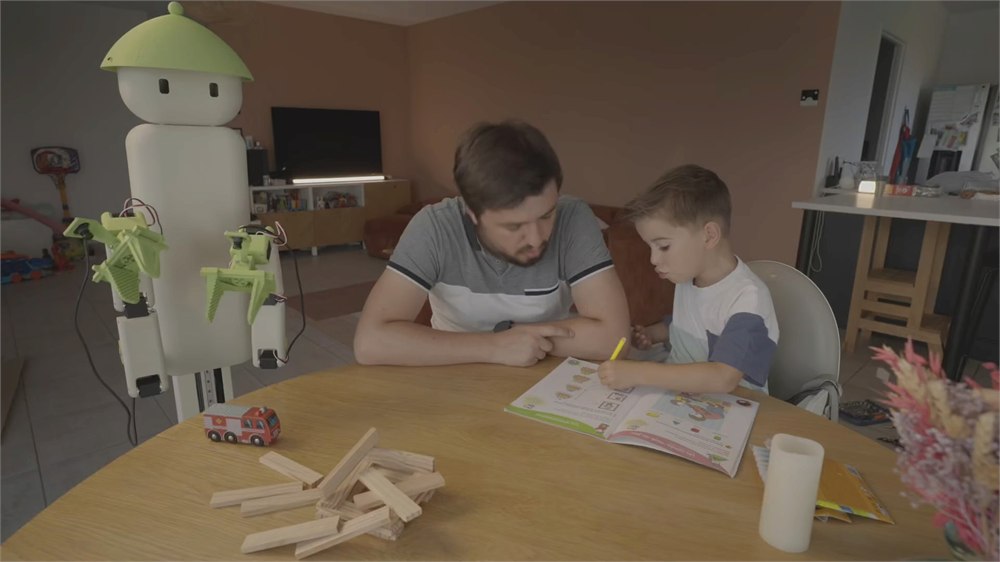
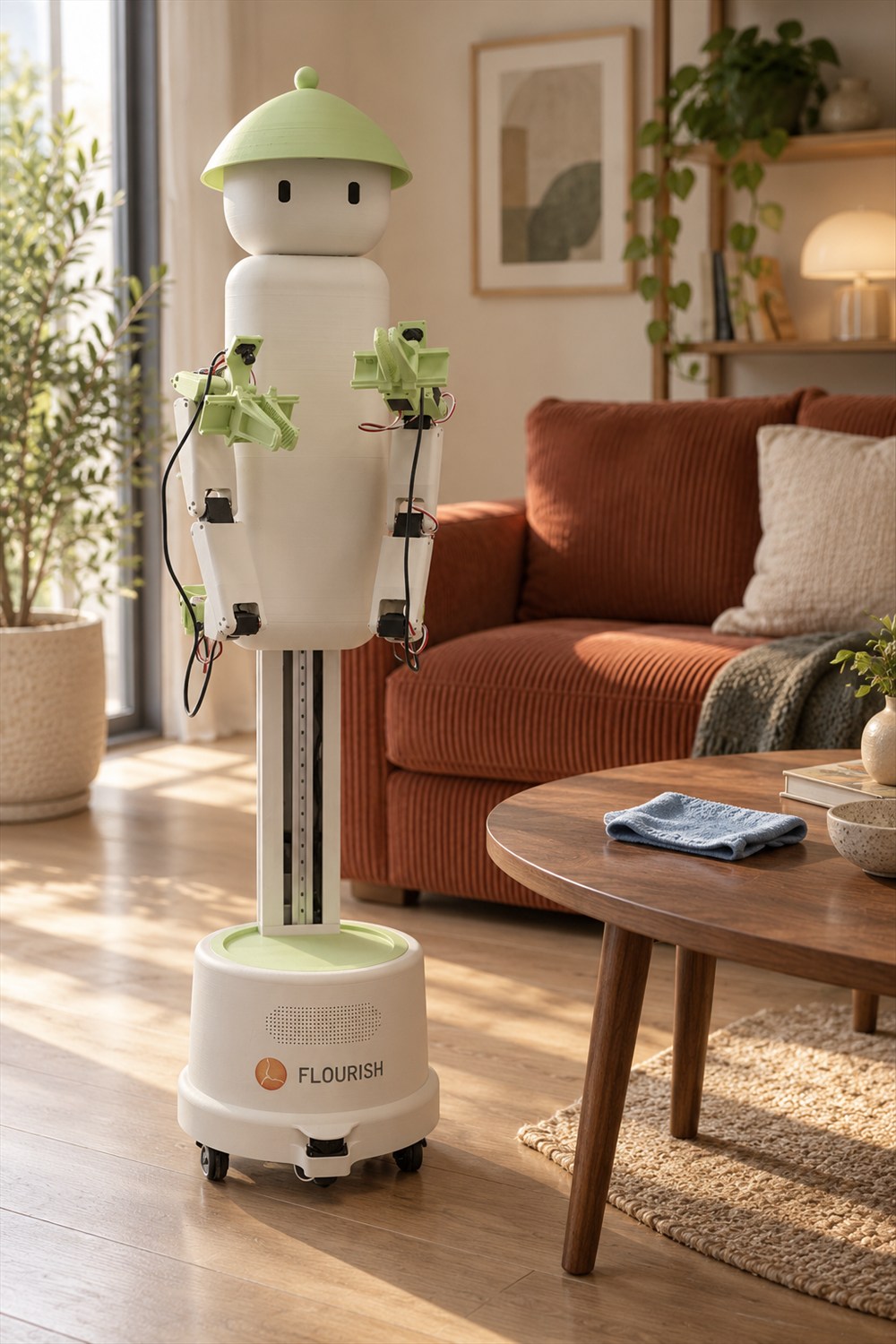
Flourish 1 has an ivory-colored body, a pale green dome over its head, two simple dark eyes, and articulated arms ending in green grippers. Its torso sits above a round wheeled base on an exposed vertical support. It looks a little like a friendly mushroom enrolled in an engineering program, which is a much better household presence than a faceless industrial arm lurking beside the fruit bowl.
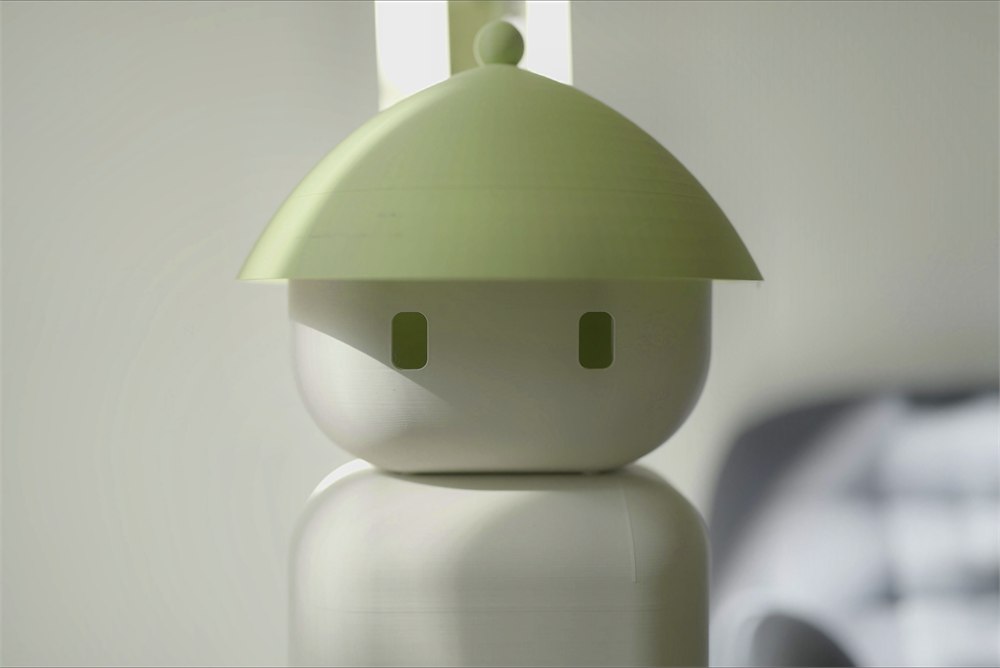
The visible joints and cables are part of its character. This is physical machinery with things to grab, reach, and move. The appealing face softens that machinery without hiding it. There is something funny about a robot that appears gentle enough to apologize to a houseplant while clearly carrying the equipment needed to rearrange your shoes.
Related posts:

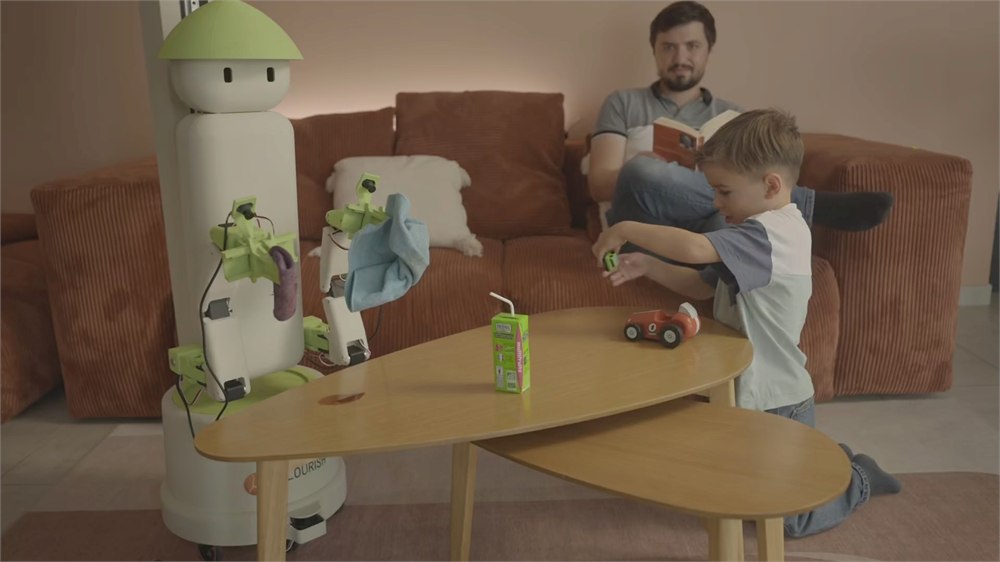
That shape also makes the concept easy to understand. Wheels handle getting around; arms handle interacting with objects. You can imagine where it might fit into a room simply by looking at it. You can also imagine spending the first evening introducing it to visitors while every actual chore remains untouched because everybody wants to meet the robot.
You teach the chore before you hand it over
The company describes an app-based process: arrange the task steps, then guide the robot using your phone through several demonstrations. It advertises about half an hour of teaching, followed by processing before the task becomes available. Coding is not required for this basic workflow. This is closer to showing a new helper your particular routine than downloading a universal understanding of your sock drawer.
That distinction matters. Putting shoes away involves more than recognizing a shoe. There is a starting location, a destination, a route, and the small matter of how your household defines away. A cabinet, a basket, and the shadow underneath a bench may all count to different people. Teaching a sequence gives the machine a specific job instead of an emotionally complicated request to make everything nice.
Flourish also describes spoken requests and scheduled tasks. The scheduling part may be the most relatable feature in the whole pitch. Remembering that something needs doing can be almost as irritating as doing it. A small recurring chore becomes a background tab in your brain, quietly playing music until somebody finally closes it.
- Build a particular routine around the places and objects in your own home.
- Spend time demonstrating the sequence before expecting the robot to repeat it.
- Use the maker’s advertised scheduling system for recurring jobs.
- Keep the first assignments simple enough that you can tell whether they actually worked.
- Treat early use as learning the robot’s limits as well as teaching it yours.
The practical numbers behind the friendly face
A charming hat does not suspend physics. The published specifications describe a relatively compact robot with a modest carrying limit. That puts the idea of picking up ordinary lightweight household objects in a different category from asking it to shift a full laundry basket or help rearrange the couch. Your furniture-moving friend is not being replaced by a mushroom today.
| Specification | Maker’s listed figure | What to keep in mind |
|---|---|---|
| Height | 3 feet 7 inches | A small household presence, not an adult-sized humanoid |
| Weight | 44 pounds | Still a substantial machine to move manually |
| Payload | 3.3 pounds | Plan around lightweight objects |
| Reach | Floor to 35 inches | Check the actual height of intended work areas |
| Runtime | 12 hours advertised | Not an independently measured result here |
The reach figure deserves particular attention. A task can sound ordinary while taking place somewhere the machine cannot comfortably access. Shelves, cabinet openings, furniture positions, and the space around an object all matter. Before mentally assigning it the whole kitchen, it is worth mentally assigning it one reachable item in one clear location.
That may sound less glamorous than announcing the end of chores, but a reliable narrow job can still be useful. The same little nuisance repeated every day adds up. Nobody writes an inspiring speech about returning slippers to a basket, yet somehow those slippers continue to dominate the hallway.
An early adopter’s helper, with early adopter homework
Flourish is presenting this as frontier technology. Its own site describes taught-task performance as improving and cites an 80 percent success figure, without enough detail to translate that into a guarantee for a particular home. The sensible expectation is that there will be misses, adjustments, and things that work better in demonstrations than beside your unusually shaped coffee table.
That does not make the idea uninteresting. It makes the intended buyer easier to identify. Someone who enjoys exploring new hardware may find the teaching process fascinating. Someone who wants an appliance to disappear into the background immediately may find the same process less charming. The difference is whether troubleshooting feels like a hobby or one more chore wearing a green hat.
Developers get another route: the company advertises an SDK for custom work. That opens a separate appeal for people who see a small robot and immediately start thinking about what they could make it do. For everyone else, the central attraction remains simpler: show it a useful routine, then see whether it can earn a regular place in the household.
The details before inviting it home
The first release is a limited preorder, with the manufacturer targeting December 2026 deliveries. That is a promised shipping window, not evidence that the robot is already arriving at ordinary customers’ doors. Early hardware purchases require some patience, and this one comes with both the excitement and uncertainty of a very small initial rollout.
- Product: Flourish 1 from Flourish Robots.
- Purpose: a mobile household helper taught specific routines through a phone app.
- Appearance: ivory body, pale green dome, articulated arms, grippers, and wheeled base.
- Control ideas: taught routines, voice requests, and scheduled work, as described by the maker.
- Release: an initial batch advertised as 50 numbered units.
- Best suited to: early adopters willing to spend time teaching and evaluating new robotic hardware.
The advertised full price is $3,555 from Flourish Robots. At the time of writing, the page’s reservation buttons say $1,555, while its pricing section says a $200 refundable deposit. Those amounts conflict, so confirm the actual deposit and refund terms with the company before paying. The site also lists six months of cloud compute for advanced AI features, followed by an optional $50 monthly plan or use of your own GPU.
Image credit: Flourish Robots. The little machine is an appealing glimpse of a home where technology might finally pick something up instead of merely reminding you that it is still on the floor. Whether it earns that job will depend on the actual routines it can repeat, long after everybody has finished admiring the hat.
| Pros | Cons |
|---|---|
| Designed to learn household-specific routines | Teaching and adjustment take owner involvement |
| Arms and grippers extend the idea beyond floor cleaning | Payload and reach limit suitable jobs |
| Advertised voice and scheduling options | Real-home reliability is not established here |
| Friendly, distinctive physical design | Exposed mechanisms still need room to operate |
| Developer SDK offers scope for custom projects | Preorder timing and conflicting deposit figures need attention |
| Advanced AI compute included initially | Later cloud use can bring an optional ongoing cost |
Save this find.
Thank yourself later.
Your next great gift idea. Your someday space. Your collection of wonderfully weird things.
Save to PinterestPick a board. Keep the inspiration.
This Teachable Household Robot Wants to Learn Your Chores
Where to find This Teachable Household Robot Wants to Learn Your Chores
OddityMall may earn a commission from qualifying purchases at no extra cost to you.