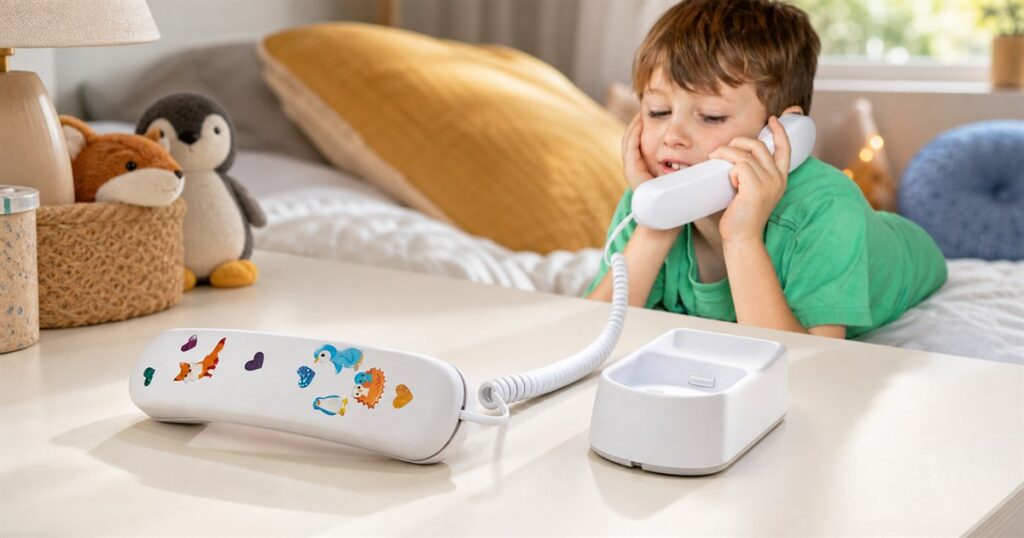
At some point, every family house becomes a tiny communications department run by people who still believe cereal is a dinner category. A kid wants to call grandma. A friend wants to make a plan. A parent wants all of this to happen without handing over a glowing rectangle that immediately becomes a portal to games, group chats, and whatever slime video has seized civilization this week.
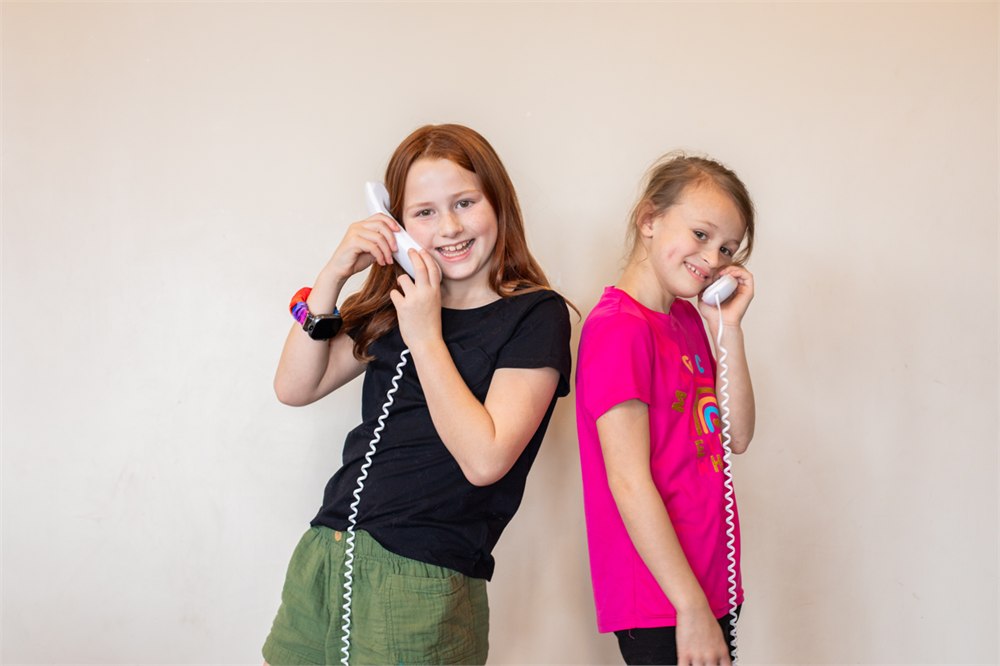
Pinwheel Home is a screen-free kids Wi-Fi landline phone built for exactly that strange modern problem: children need a way to talk to actual humans, but they do not necessarily need the full casino of the internet in their pocket. It looks like a little retro home phone, works over Wi-Fi instead of a phone jack, and lets parents manage who can call through Pinwheel’s Caregiver Portal.
The whole idea feels like someone looked at the smartphone era, took one long parent sigh, and rebuilt the family phone for a house where the landline died years ago. It gives kids the charmingly ancient power of placing a voice call while avoiding apps, texting, social feeds, video rabbit holes, and the quiet horror of a five-year-old learning the phrase “algorithmically recommended.”
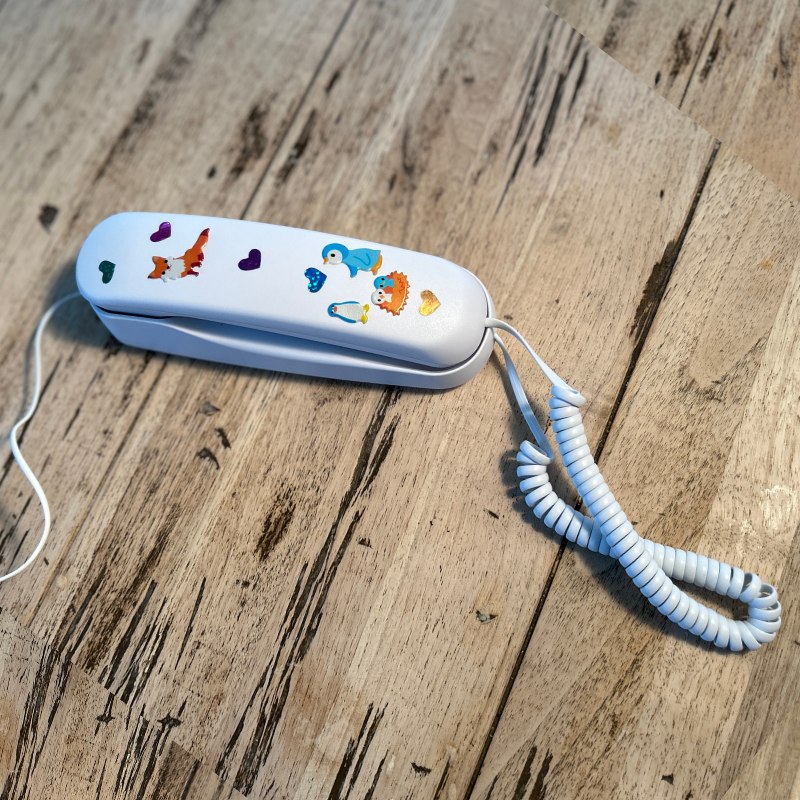
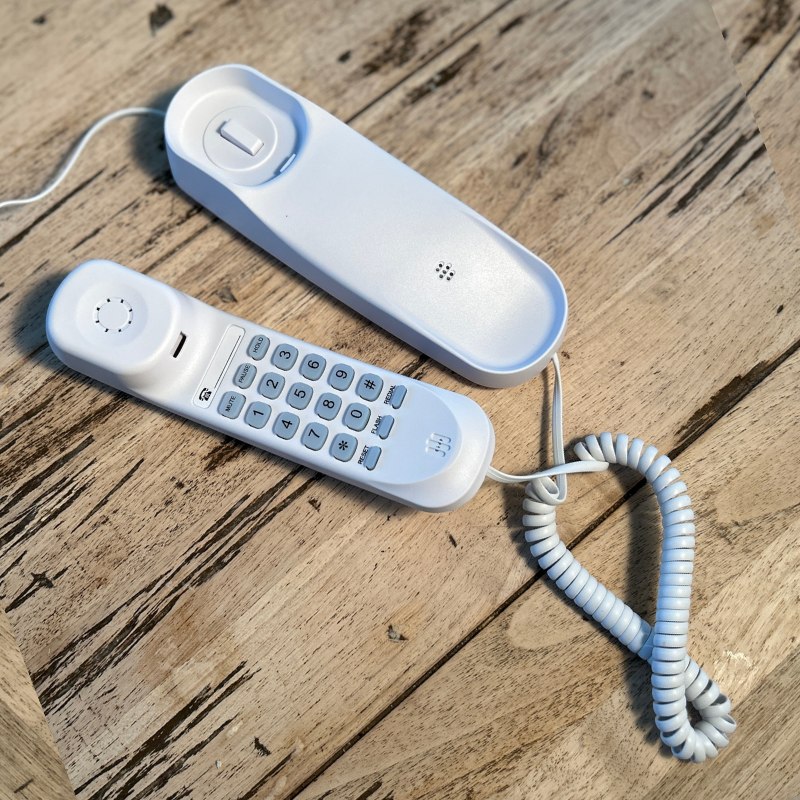
There are two versions of the Pinwheel Home. The Spark is the smaller, lighter handset that comes in playful colors, while the Classic leans harder into the 1990s bedroom phone energy with a bigger handset and stickers for customization. Both are designed around voice calls, parent-approved contacts, 911 calling, and simple Wi-Fi setup.
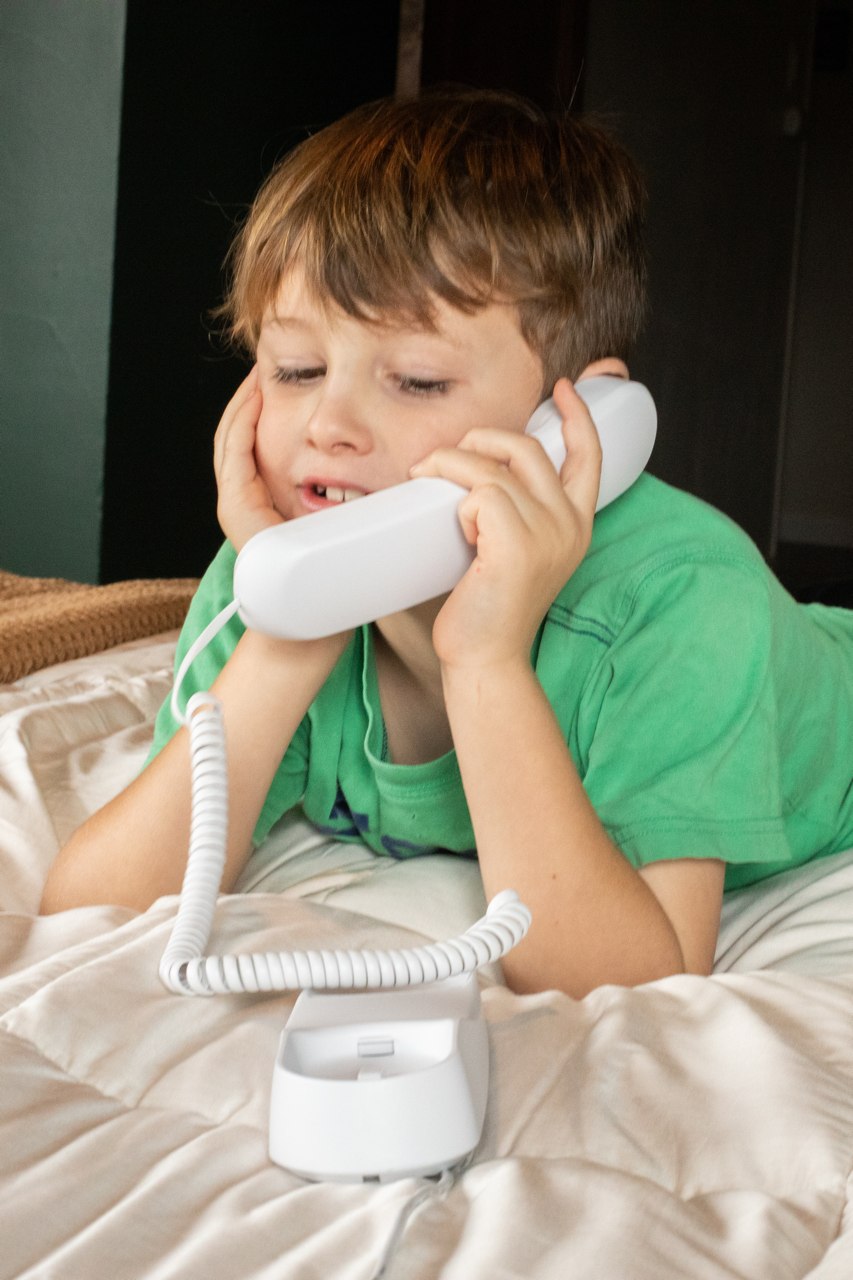
A Kid Phone Without the Pocket-Sized Distraction Buffet
The funny thing about a landline for kids in 2026 is that it is both old-fashioned and weirdly futuristic. The old part is obvious: a handset, a base, a coiled cord, and the very serious act of saying hello into a plastic object. The new part is the control layer behind it. This is not a mystery phone ringing in the hallway. Parents can approve contacts, manage devices, and choose whether the phone only talks to other Pinwheel Homes or reaches outside numbers through a plan.

That makes the product feel less like nostalgia cosplay and more like a practical middle step between total digital isolation and giving a child a smartphone because the soccer schedule has become a military operation. Kids get independence. Parents get boundaries. Grandparents get calls that do not require explaining where the mute button went for the ninth time.
Pinwheel says the phone is meant for younger children, with TechCrunch reporting the company is positioning it for kids around ages 5 to 10 before they are ready for a smartphone. That age range makes sense. It is the era when kids want to arrange playdates and call family, but may not be ready for an all-access pocket computer that also contains advertisements, strangers, games, and the emotional weather system known as social media.
- It is voice-only, so the entire experience is built around real-time conversation.
- It runs over Wi-Fi, so families do not need an old phone jack hiding behind a dusty bookshelf.
- Parents can limit calls to approved contacts through Pinwheel’s Caregiver Portal.
- 911 calling is included, giving the phone a practical emergency role at home.
- Families can start with free Pinwheel-to-Pinwheel calling or add paid plans for outside numbers.
- The sticker-friendly design gives kids a little ownership without handing them a doom-scrolling machine.
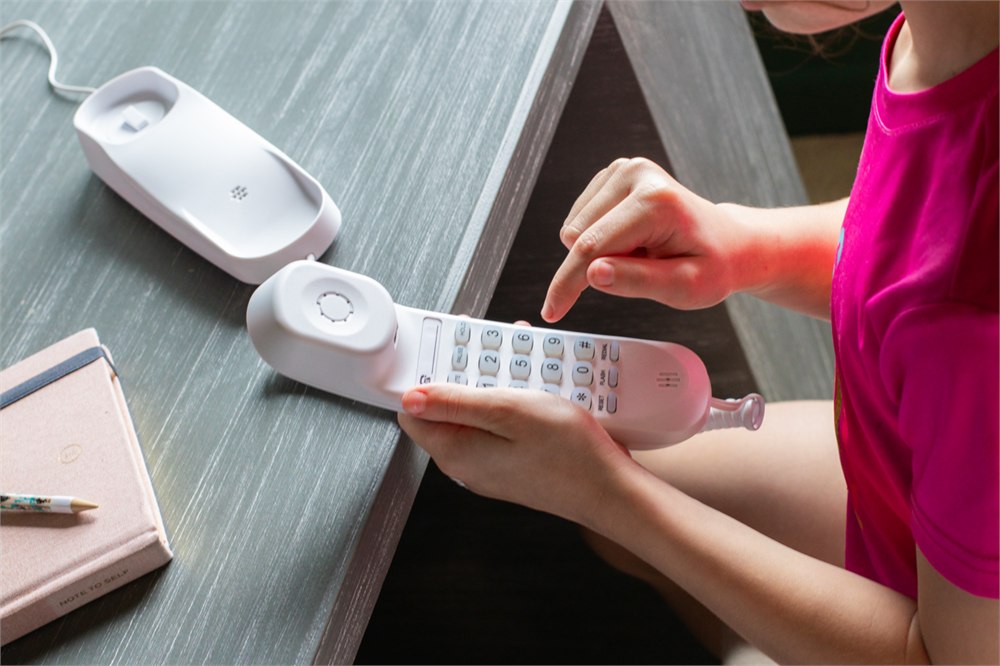
The key detail is that Pinwheel Home is not trying to be a dumb smartphone. It is not a tiny rectangle with most of the scary parts removed. It is a home object, which changes the whole social contract. It sits in a room. It has a place. It does not follow a kid into the grocery store, the bathroom, the back seat, and the deep private laboratory of bedtime procrastination.
| Pinwheel Home option | What it is | Best fit |
|---|---|---|
| Spark | Smaller, lightweight handset in fun colors | Kids who want a compact, playful phone |
| Classic | Retro-style handset with sticker customization | Families leaning into the old-school bedroom phone vibe |
| Pinwheel Circle | Free calling between Pinwheel Home devices, plus approved contacts and 911 | Families with other Pinwheel users or a simple starter setup |
| Friends & Family | Calling up to five external numbers with a full 10-digit phone number | Kids who need a short list of trusted outside contacts |
| Unlimited | Calling any external number, still managed through the family setup | Households that want broader calling without smartphone features |
The Retro Shape Is Doing Real Work
The shape matters more than it first appears. A handset with a coiled cord is not just cute set dressing for parents who remember calling a friend and then being trapped in one corner of the kitchen. It creates friction. You pick it up, make a call, and put it back. The phone is not begging to be refreshed. It is not offering a feed. It is not pretending an app badge is a household emergency.

That also makes it easier for a child to understand what the device is for. It is for talking. Not texting while watching a video while accidentally buying gems inside a game while learning an influencer’s morning routine. Just talking. This may sound small until you remember that half of adulthood is still people avoiding phone calls like the handset is personally judging them. A kid learning to call a friend and say words out loud is, honestly, a civic achievement.
Pinwheel also kept the product physically friendly. The Classic has that bedroom-phone look, while the Spark is smaller and comes in colors like white, black, blue, and purple according to the product page. The Classic listing includes pink, black, and white options. The sticker customization is a smart touch because children will personalize anything that stays still long enough, including water bottles, notebooks, furniture, and occasionally younger siblings.
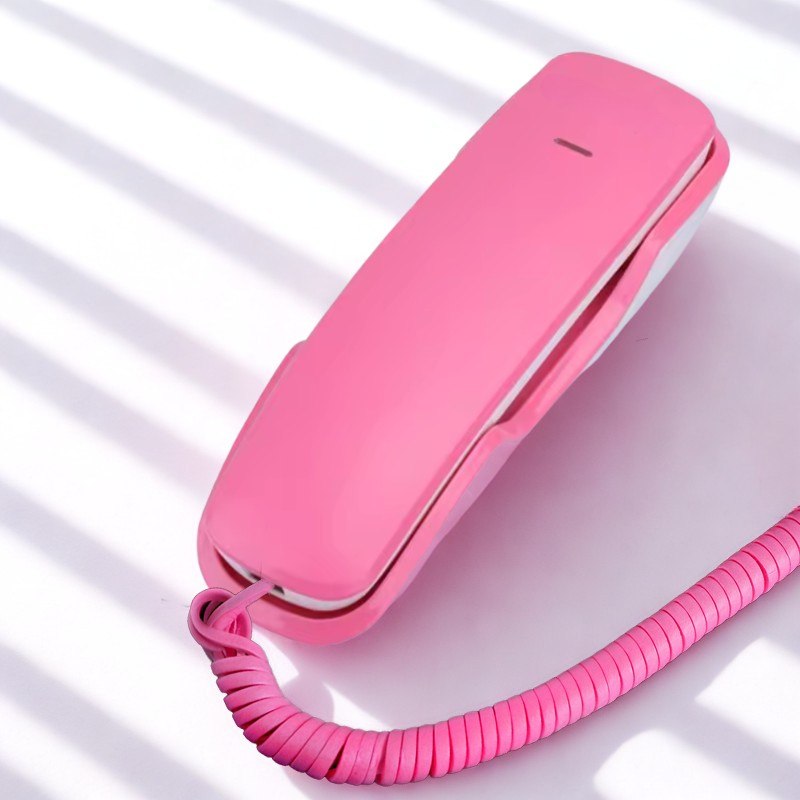
Because it works over Wi-Fi, this is also a landline without the archaeological requirements of a landline. No copper line. No wall jack. No explaining to a child that phones once came out of the house like plumbing. The product page lists simple Wi-Fi setup and device management through the Caregiver Portal, which is probably the correct amount of modern technology to hide behind a gloriously simple object.
Calling Plans Without the Tiny Tablet Problem
The service structure is straightforward enough that it will not require a family meeting with a whiteboard. Pinwheel Circle lets Pinwheel Home users call each other for free and includes parent-approved contacts, 911 calling, and stickers. For households that want the phone to reach regular numbers, the Friends & Family plan allows up to five external numbers, while Unlimited opens calling to external numbers more broadly.
That setup gives families a lot of control over how much communication freedom they want to introduce. A younger child might only need grandparents and two friends. An older child might need more. Either way, the phone remains a voice-first home device rather than a miniature attention economy wearing a case with dinosaurs on it.
There are some practical limitations to understand. This is not a full smartphone replacement. It will not handle texts, apps, maps, school portals, group chats, or photos. That is the point. If a child needs mobile communication outside the house, Pinwheel sells other kid-focused connected devices. Pinwheel Home is much more specific: a home base for safe calling, family check-ins, and the lost art of asking a friend whether they can come over instead of sending twelve cryptic emojis.
The company has also said future updates are expected to add features like three-way calling and integration with Pinwheel watches and smartphones so kids can use the same number across devices. Those are useful future-facing ideas, but the current appeal is already clear: it is a phone that behaves like a phone, then stops.
Key Details Before You Start Rebuilding 1997 in the Hallway
- Product: Pinwheel Home screen-free kids Wi-Fi landline phone.
- Core function: voice-only calling for kids without apps, texting, social media, or a smartphone screen.
- Models: Spark and Classic, with multiple color options depending on model.
- Controls: parent-approved contacts managed through Pinwheel’s Caregiver Portal.
- Connectivity: uses Wi-Fi, so no traditional phone jack is required.
- Calling: free Pinwheel Circle calls between Pinwheel Home devices, with paid options for external numbers.
- Safety features listed by Pinwheel include 911 calling, contact approval, and caregiver device management.
Pinwheel Home is available through Pinwheel’s website. The Spark is listed at $68, while the Classic is listed at $79. Calling between Pinwheel Home devices can start at $0 through Pinwheel Circle, and the product page lists paid calling plans from $6.99 per month for Friends & Family or $9.99 per month for Unlimited. TechCrunch reported that Pinwheel Home launched on July 14, 2026, and that Amazon availability is expected later in the fall.
| Pros | Cons |
|---|---|
| Gives kids voice calling without apps, texting, or social feeds | Only useful at home or wherever the Wi-Fi phone is set up |
| Parent-approved contacts keep the calling circle controlled | Paid plans are needed for broader external-number calling |
| Retro handset makes the product easy for kids to understand | Not a replacement for mobile communication outside the house |
| Wi-Fi setup avoids old phone-line requirements | Families without other Pinwheel Home users may need a plan sooner |
| 911 calling gives it a practical household safety role | Future integrations are not the same as current features |
| Sticker-friendly design makes it feel personal and fun | Children expecting games or texting will find it aggressively phone-like |
Where to find This Screen-Free Kids Wi-Fi Landline Lets Children Call Approved Contacts Without Apps
OddityMall may earn a commission from qualifying purchases at no extra cost to you.