Hydrofoiling already looks like somebody unlocked a secret water level the rest of us forgot to download. You stand on a board, rise above the surface, and quietly skim away while everyone else is still slapping at chop like a folding chair in a windstorm. The only problem is that the whole thing still demands a fair bit from your legs, arms, wind, waves, timing, and whatever mysterious pact experienced foilers made with gravity.
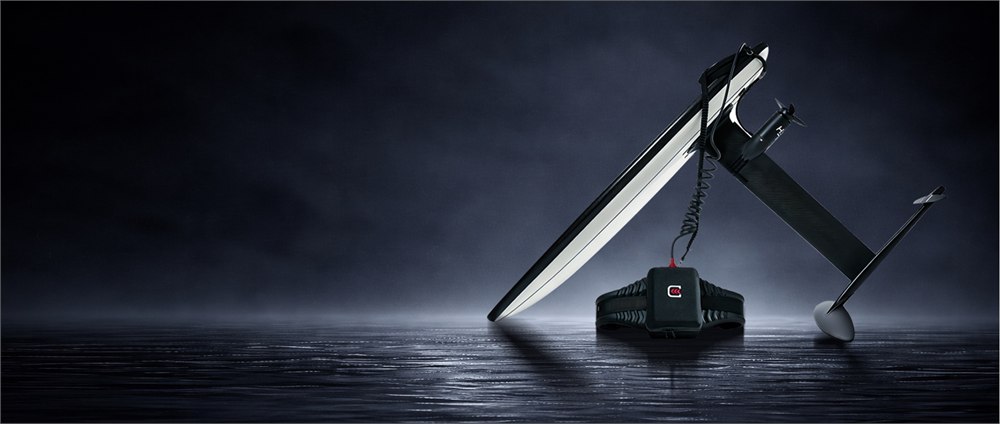
The Foildash Universal Electric Hydrofoil Assist is made for riders who already own hydrofoil gear but would like a small motorized helper strapped into the system. Instead of replacing the whole board with a dedicated eFoil, Foildash is a bolt-on electric propulsion setup that mounts to a standard hydrofoil mast and gives the rider powered thrust for launches, lulls, learning sessions, and the long sad paddle back to the interesting part of the water.
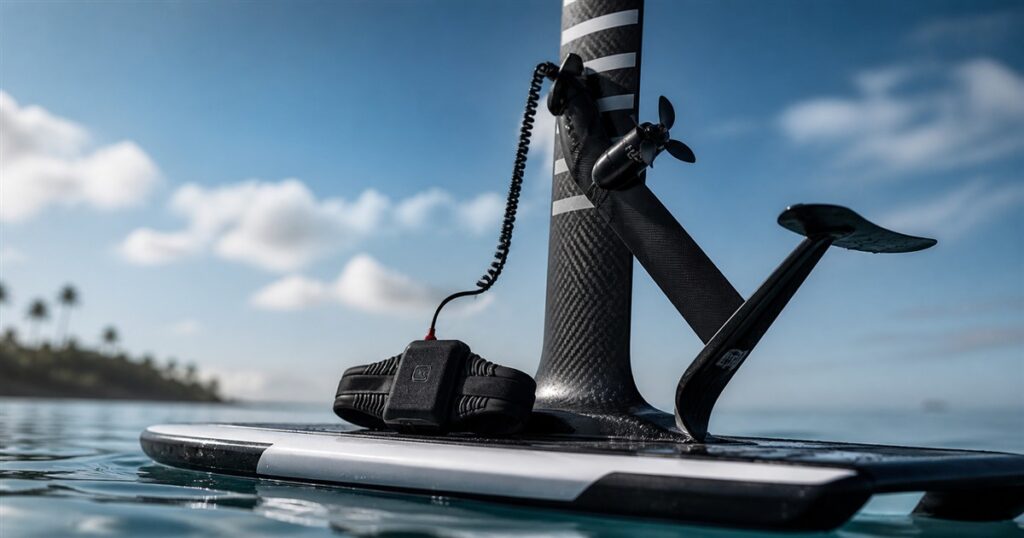
That makes it less like buying a whole new floating spaceship and more like giving your current foil rig a discreet little underwater sidekick. The main drive head mounts on the mast, the battery rides in a waist harness, and the cable runs between them. Foildash says the on-board motor weight is 1.6 kg, which is the key design pitch: keep the board feeling close to a regular foil board while still having electric assist available when your legs start filing a formal complaint.
A Tiny Motor For The Part Where Humans Get Tired
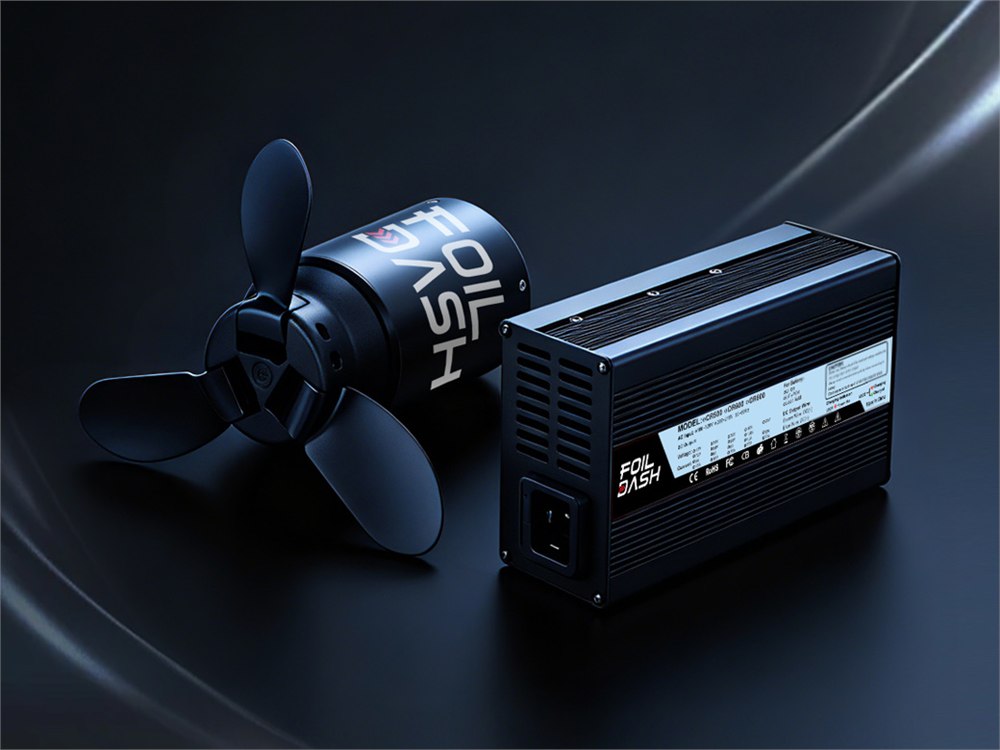
Foildash is built around a sealed modular motor that the company says produces 34 kg of thrust on demand. That thrust is not meant to turn every session into a full-time electric cruise. The idea is assist: a push to get onto foil sooner, a boost through dead zones, a way to bridge between waves, or a small mercy when the wind shuts off and the shoreline begins looking emotionally distant.
The company pitches it across surf foiling, downwinding, wing foiling, pump foiling, wake foiling, and beginner training. In plain human terms, it is trying to help riders spend more time flying and less time performing a very expensive aquatic stair-climber routine.
Related posts:
The battery placement is one of the more interesting choices. Many powered water toys put the battery mass on the board, which can change the swing weight and overall feel. Foildash instead uses an on-body battery harness, leaving the smaller motor assembly on the mast. If you are picky about how your foil pumps, carves, or recovers from tiny mistakes, that detail matters. A foil board is already a balancing act held together by water pressure, muscle memory, and confidence that may or may not be legally binding.
What Foildash Says It Adds To Your Existing Setup
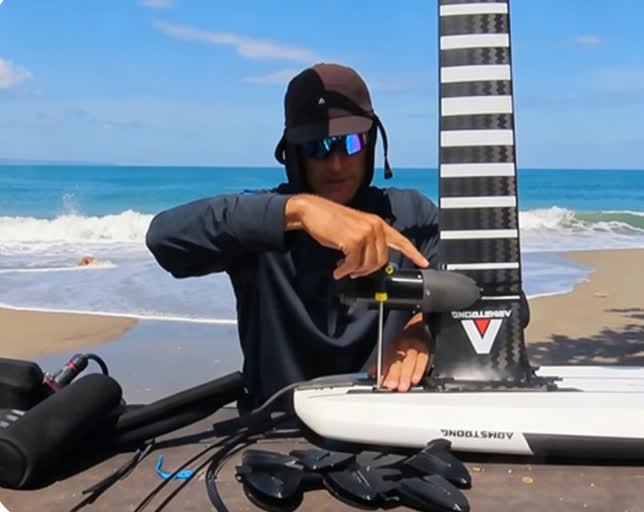
Foildash is designed to clamp onto the hydrofoil mast you already use. The official setup process is described as a roughly five-minute installation: mount the adapter, slide the motor into position, route the cable, attach the safety leash, seat the battery in the harness, and power everything up. No drilling or permanent board surgery is part of the pitch, which is good because nothing ruins a weekend faster than turning your expensive foil mast into a confidence-testing craft project.
- Universal mast fit: Foildash says the adapter system is built for standard hydrofoil masts, with rider-specific fit confirmation available.
- Sealed drivetrain: The motor assembly is described as fully sealed against saltwater and maintenance-free aside from normal rinsing.
- Adjustable motor position: The drive head can slide along the mast so riders can tune balance for their board, foil, and discipline.
- Waist-mounted battery: The battery sits on the rider instead of adding a large battery pack to the board.
- Fast charging: Foildash lists an 80% charge in about 30 minutes when using the included fast charger.
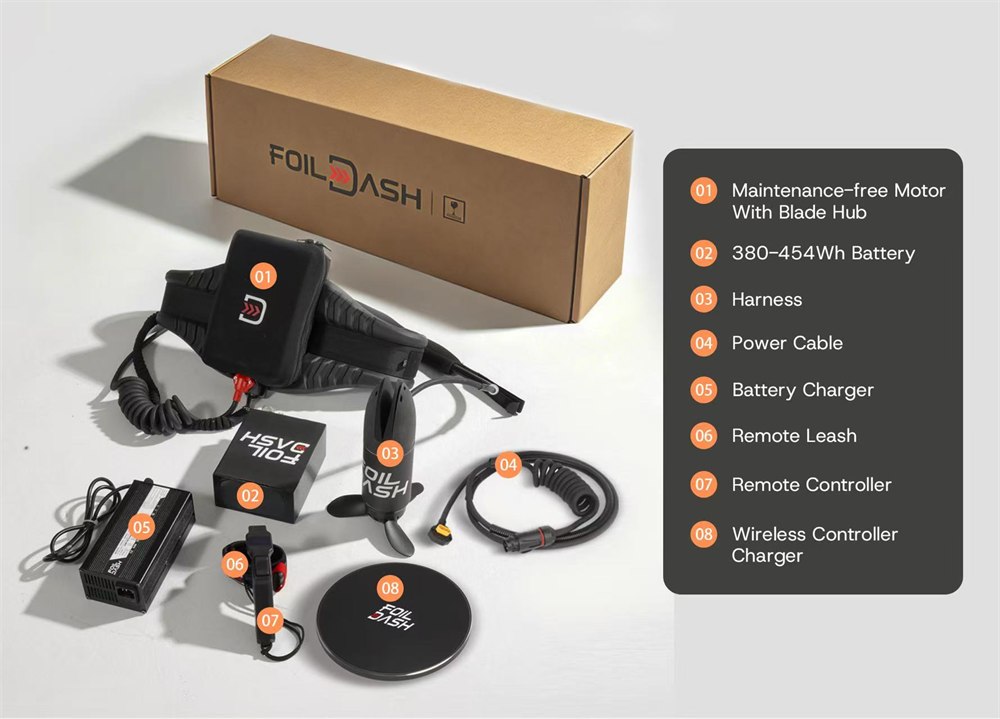
The campaign version is built around what Foildash calls the Unlimited Rider Pack, which includes two batteries and a fast charger. The practical benefit is obvious: ride one battery while the other charges, then pretend this is a responsible lifestyle choice and not just a beautifully engineered way to avoid going home.
| Foildash Detail | Listed Figure | Why It Matters |
|---|---|---|
| Maximum thrust | 34 kg | Helps with takeoff, lulls, and recovery between foil runs |
| Motor weight on board | 1.6 kg | Keeps most added mass off the board for a more natural foil feel |
| Battery capacity range | 388 to 454 Wh | Supports both assist bursts and longer light-use sessions |
| Assist-mode runtime | 45 to 90 minutes | Depends on rider, board, foil, and how hard the motor is used |
| Heavy foil-mode runtime | About 45 minutes | A more realistic figure for riders leaning on the motor harder |
| Fast charge claim | 80% in 30 minutes | Useful if swapping between included batteries |
For Surf, Wing, Pump, And The “Please Don’t Make Me Swim Back” Crowd
The most natural audience here is not somebody who has never seen a hydrofoil and woke up with a sudden need to become a silent ocean dart. This is mainly for people who already have a board, mast, foil, and a working relationship with falling into water at speed. Foildash is for the rider who likes the feel of regular foiling but wants help getting up earlier, catching more waves, linking bumps, or surviving days when nature has the enthusiasm of a lukewarm office printer.
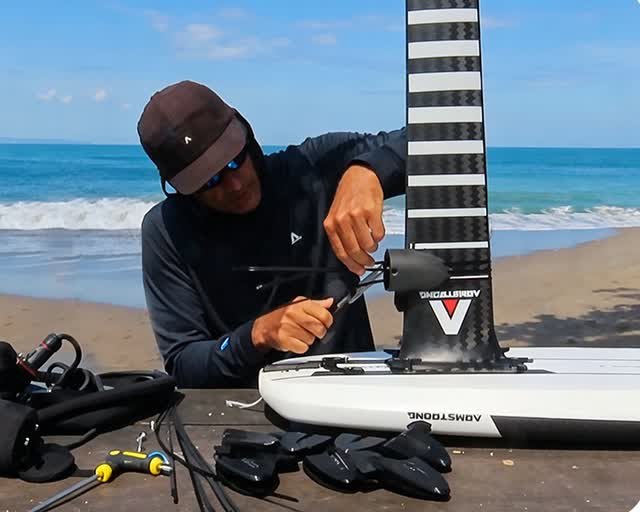
For surf foilers, the assist can help with paddling out and getting onto waves from farther away. For downwind riders, the motor can be used for launches before the rider turns it off and works the bumps. For wing foilers, it can rescue sessions when the wind fades. For pump foilers, it can smooth out the gap between “I am flying” and “my legs have become decorative.”
Beginners also get a calmer path into the sport. Foildash says trainer-style use can cap thrust and steady the platform, helping new riders get onto foil sooner. That does not magically make hydrofoiling easy. It just means the first chapter of the learning curve may involve fewer moments where the board exits the scene and your dignity remains briefly airborne.
The Hardware Is Small, But The Use Case Is Big
The kit is visually strange in the best OddityMall way: part surf gear, part underwater drone, part tiny marine appliance that has opinions about your cardiovascular limits. The motor sits near the mast with a small propeller, while the battery pack and harness look like something a very serious beach cyborg might forget on a picnic table.
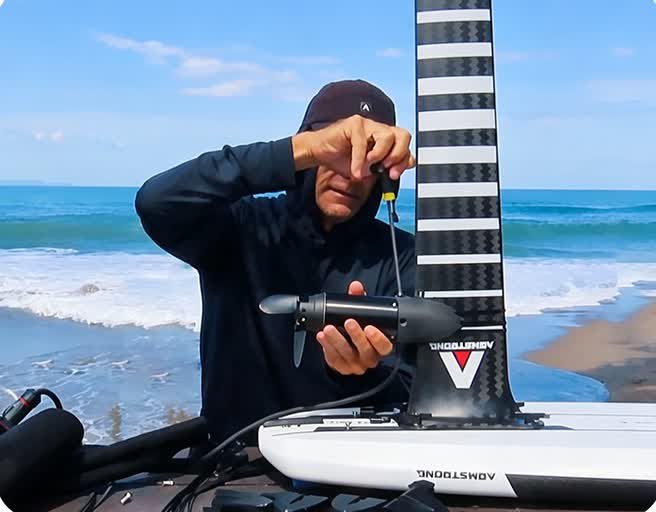
Foildash also emphasizes that the drivetrain is sealed and does not require exposed-gear maintenance. Saltwater gadgets usually have a way of turning “low maintenance” into a ritual involving towels, freshwater, prayers, and the tiny screwdriver you can never find. A sealed setup is a sensible claim to pay attention to, though riders should still treat it like marine gear and follow the maker’s care instructions.
The official numbers are nominal, and Foildash notes that actual runtime depends on rider weight, skill level, board volume, foil size, and power draw. That is the honest version of battery life in water sports: physics will read your marketing copy and then do whatever it wants.
There is also an app component described by Foildash for live remaining-time estimates based on real-time power draw. That is useful because a battery percentage alone does not tell the full story when one rider is gently assisting a smooth glide and another is asking the motor to drag a heroic sandwich enthusiast through chop.
Who This Makes The Most Sense For
Foildash makes the most sense for hydrofoil owners who want powered help without giving up the feel of their existing setup. It is not a cheap beginner toy, and it is not a replacement for understanding wind, waves, foil choice, or basic water safety. It is a performance add-on for a niche sport that already treats balance, weather, and equipment tuning as a personality test.
Still, the concept is genuinely compelling. A universal assist motor could make marginal days more useful, long sessions less punishing, and progression a little less dependent on perfect conditions. It also creates a weirdly elegant middle ground between pure human-powered foiling and a full eFoil board.
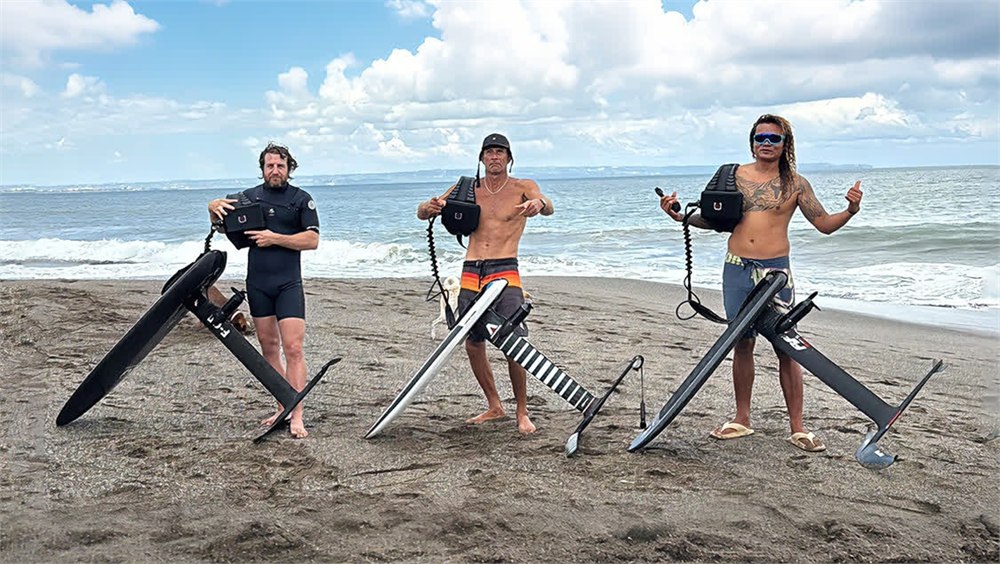
Images courtesy of Foildash.
Key Foildash Assist Details
- Universal electric assist system for existing hydrofoil mast setups.
- Sealed modular motor with a listed 34 kg of thrust.
- Battery is worn in a waist harness to keep only 1.6 kg on the board.
- Designed for surf foiling, wing foiling, downwinding, pump foiling, wake foiling, and learning.
- Listed runtime is about 45 minutes in heavy foil mode or 45 to 90 minutes in lighter assist use.
- Foildash says setup takes about five minutes and does not require drilling.
- The campaign package includes two batteries and a fast charger.
Foildash is live on Kickstarter, with the campaign listed as running from August 11, 2026 through September 4, 2026. The campaign page and mirrored campaign data showed the project funded well past its HK$100,000 goal, with more than 200 backers. Pricing varies by reward tier, and the average pledge was listed around HK$24,529, so treat the final cost as campaign-dependent rather than a fixed retail sticker.
| Pros | Cons |
|---|---|
| Lets riders add electric assist to existing foil gear | Still aimed at people who already understand hydrofoiling |
| Waist battery helps keep board weight low | Wearing the battery may not appeal to every rider |
| Strong listed thrust for launches and lulls | Real runtime depends heavily on conditions and riding style |
| Works across several foil disciplines | Compatibility should be confirmed for a specific mast setup |
| Sealed drivetrain sounds refreshingly low-fuss | Marine electronics still require careful use and rinsing |
| Two-battery campaign kit reduces downtime | Kickstarter reward pricing and timelines can change |
Where to find This Electric Hydrofoil Assist Adds Bolt-On Power To Your Existing Foil Board
OddityMall may earn a commission from qualifying purchases at no extra cost to you.