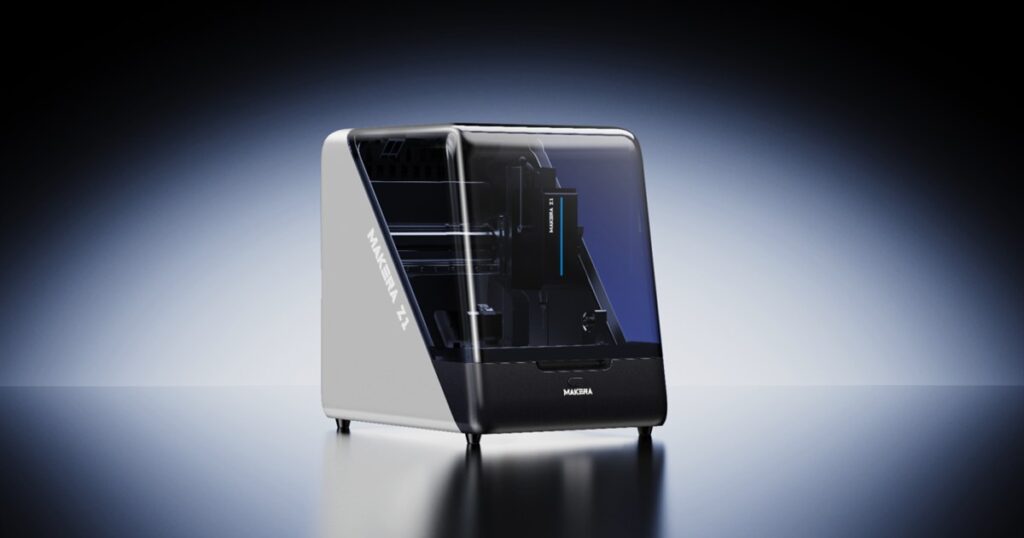
There is a very specific kind of person who looks at a block of aluminum and thinks, “I could probably turn that into a tiny precision object if only my garage had fewer mysteries and more responsible machinery.” For that person, Makera has introduced the Z1, a desktop CNC machine that tries to make subtractive manufacturing feel less like joining a secret machinist society and more like operating the printer you already pretend to understand.
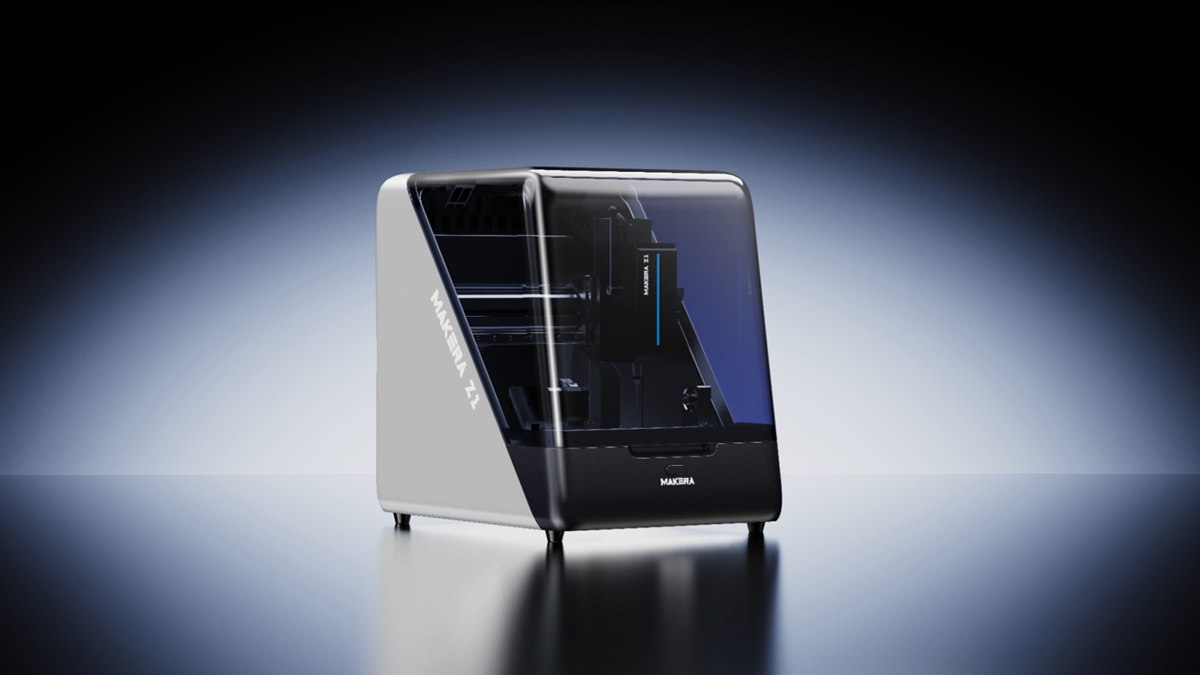
The Makera Z1 is an enclosed desktop CNC machine built for cutting, carving, engraving, and generally convincing hard materials to behave. It is being pitched as an approachable machine for makers, designers, hobbyists, educators, and anyone whose project list has quietly mutated from “maybe make a shelf” into “I need a small enclosed milling setup with software that does not punish me for asking questions.”
That last part is the real hook. CNC machines are traditionally where casual creativity goes to learn about feeds, speeds, toolpaths, fixtures, probing, dust, noise, and the emotional consequences of being one millimeter wrong. The Z1 is meant to smooth out that learning curve with AI-assisted design and toolpath help, plus automatic probing and leveling features that can take some of the ceremonial measuring ritual out of the process.
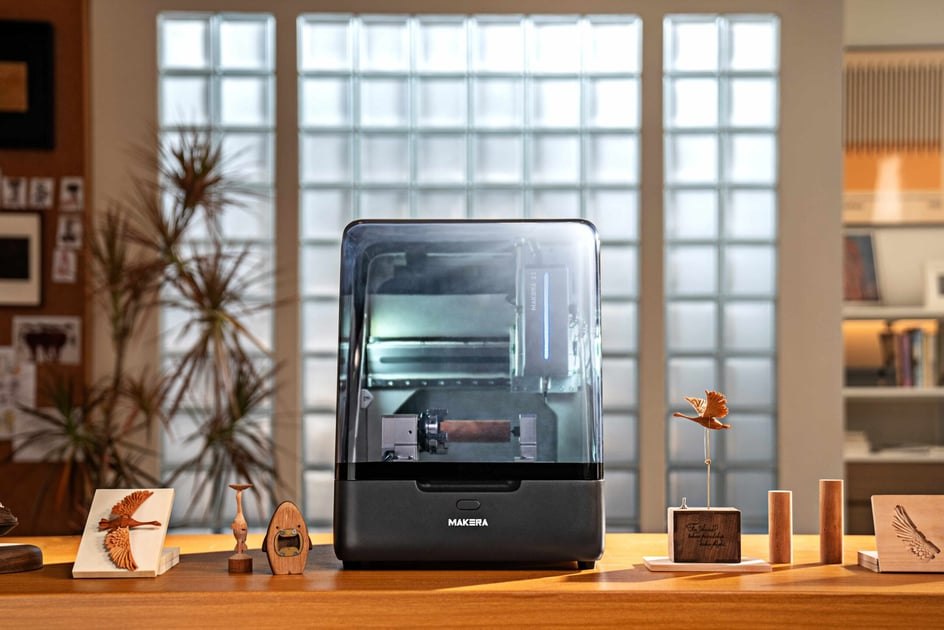
Instead of being an open-frame contraption that turns your desk into a wood-chip weather event, the Z1 is an enclosed machine with a front viewing panel, internal work area, camera support, and dust-collection-friendly design. The enclosure is doing several jobs at once: it keeps the tool looking less like a basement science project, helps contain debris, and gives you the comforting illusion that the very fast spinning part is living in its own tiny apartment.
According to Makera’s launch materials and recent coverage, global preorders opened in June 2026, with the Z1 positioned as a more accessible desktop CNC than the company’s larger Carvera machines. The idea is not that it replaces industrial equipment. The idea is that it gives home shops, classrooms, prototyping corners, and ambitious spare bedrooms a machine that can make real parts without requiring the user to first become the mayor of Machinist Forum County.
Related posts:
 The Bailey Discovery D4-2 Camper Trailer Has an Inflatable Enclosed Awning
 This Bubble Window For Your Fence Allows Your Dogs To Peek To The Other Side
 This Genius Automatic Fly Repelling Fan Keeps Bugs Out Of Your Food While Eating Outdoors
 This Incredible Bicycle Car Is an E-Bike That Keeps You Warm During Winter Transit
What The Z1 Is Trying To Fix
Most 3D printers add material until a thing exists. CNC machines remove material until the thing you actually wanted is revealed, along with a great many chips and a newly discovered respect for clamps. That makes CNC powerful, but also intimidating. The Z1 leans hard into the 3D-printer comparison by focusing on guided workflows, automation, and a more self-contained desktop footprint.
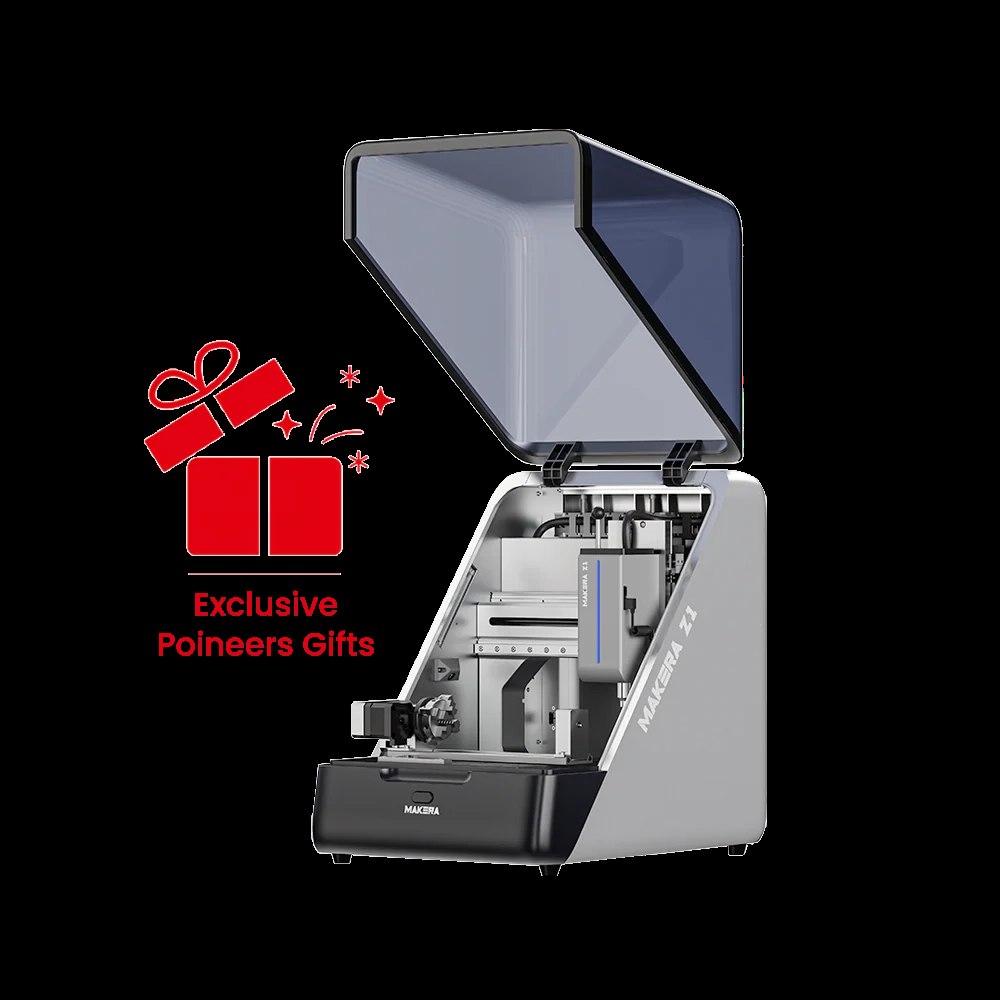
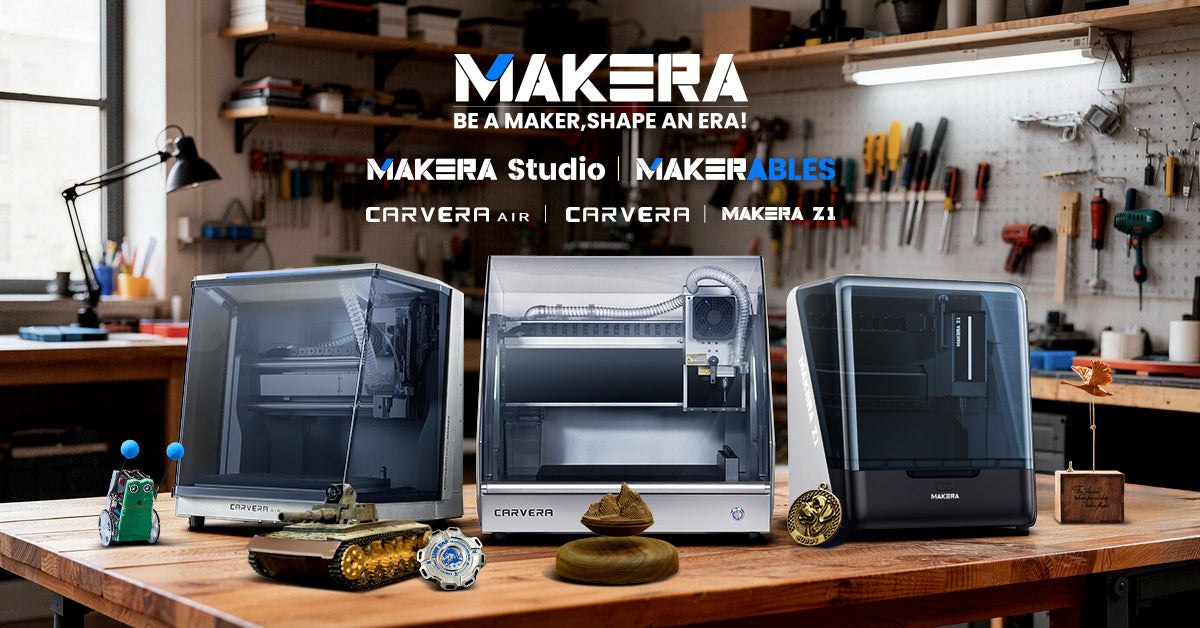
The machine is designed around Makera CAM and the broader Makera ecosystem, with the Z1 product page listing pre-order status and related modules such as a 4th-axis add-on. That means the machine is not just a bare box with a spindle inside. It is part hardware, part software workflow, and part invitation to start making more complicated objects than your current collection of desk clutter deserves.
Projects that make sense for a desktop CNC like this include small signs, engraved panels, wood and acrylic parts, PCB experiments, aluminum practice pieces, molds, decorative objects, prototypes, fixtures, and little engineered components that make you say, “This would cost six dollars to buy and forty-eight hours to overbuild myself.” That sentence, incidentally, is the unofficial national anthem of makers.
Useful Details
The Z1’s most reader-friendly features are the ones that reduce setup dread: automatic probing, automatic leveling, an enclosed body, camera visibility, and dust collection support. Those are not just spec-sheet sprinkles. They are the difference between a machine that gets used on weeknights and a machine that becomes a very expensive shelf for hex keys.
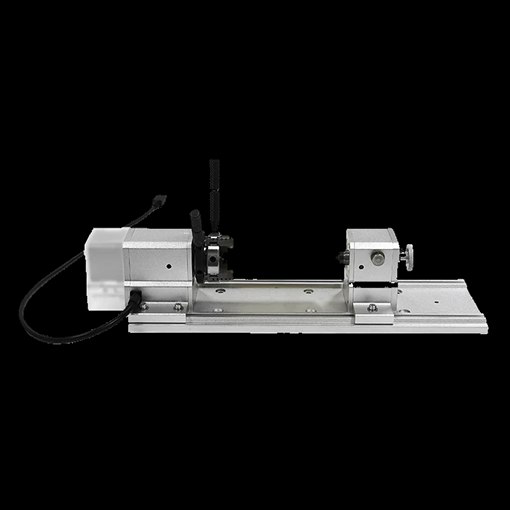
The optional 4th-axis module is also interesting because it expands the kind of shapes you can work on, especially round or cylindrical pieces. That is the moment a normal hobby tool starts whispering things like “custom chess set” and “tiny metal artifact” directly into the part of your brain that already owns too many bits.
There are practical limitations, of course. This is still a CNC machine. You will still need the right bits, materials, workholding, patience, and a healthy respect for anything that removes material by spinning very quickly. The Z1 may make the process more approachable, but it does not magically turn aluminum into keychains through positive thinking and a cute loading bar.
It is probably best for people who already like making things and want to move beyond plastic prints, laser-cut decorations, or hand tools. It could make sense for product designers, small studio makers, engineering students, prop builders, educators, and the deeply dangerous gift recipient who once said, “I kind of want a CNC,” and then made eye contact with nobody.
Price And Availability
The Makera Z1 is listed for preorder from Makera, with the queued launch information showing a ,099 preorder price and a ,199 MSRP. Since Makera’s product page did not expose a cleaner current value during this automated check, those queued values are preserved here with that note. The product URL points directly to Makera, and no Amazon affiliate tag was applied.
Image sources: Makera, All3DP, and TechTimes.
Basically, it is a little enclosed factory for people whose hobbies have finally become too powerful for scissors.
Where to find This AI-Assisted Desktop CNC Machine Wants To Be A 3D Printer For Cutting Stuff
OddityMall may earn a commission from qualifying purchases at no extra cost to you.
Related posts:
The Bailey Discovery D4-2 Camper Trailer Has an Inflatable Enclosed Awning
This Bubble Window For Your Fence Allows Your Dogs To Peek To The Other Side
This Genius Automatic Fly Repelling Fan Keeps Bugs Out Of Your Food While Eating Outdoors
This Incredible Bicycle Car Is an E-Bike That Keeps You Warm During Winter Transit