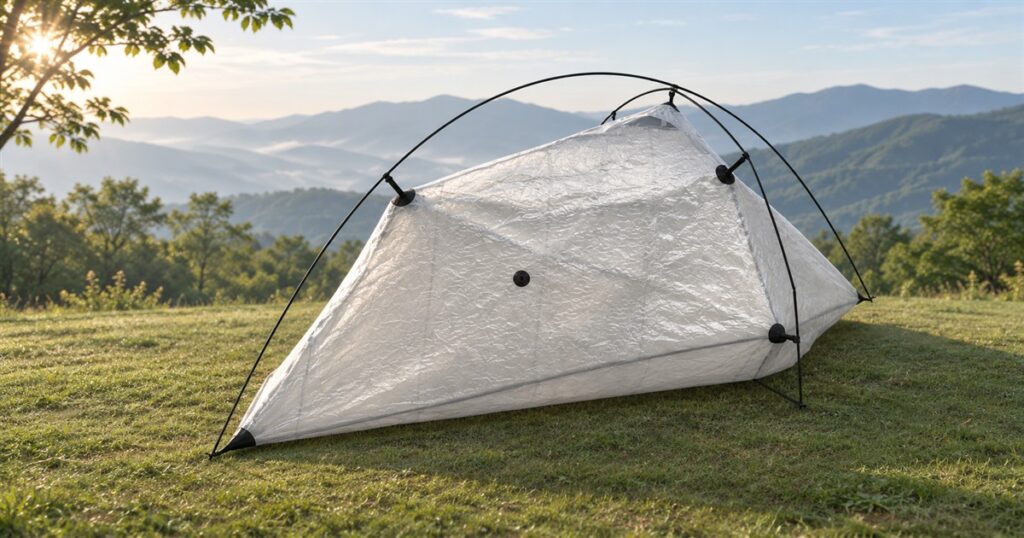
There is a stage of backpacking where a person starts looking at a toothbrush handle like it has been freeloading for years. The Field Record FR-SCD tent appears to have been designed somewhere beyond that stage. It gives one camper a freestanding shelter with its own carbon frame, while the tent-and-poles weight comes in at a claimed 490 grams. Your shoulders would like to arrange a meeting.
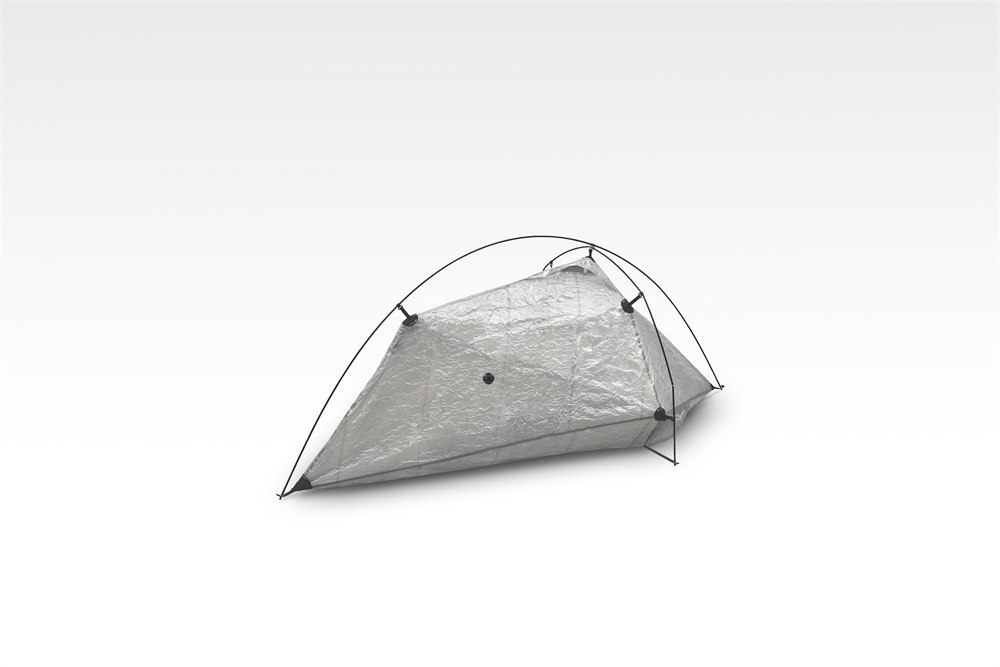
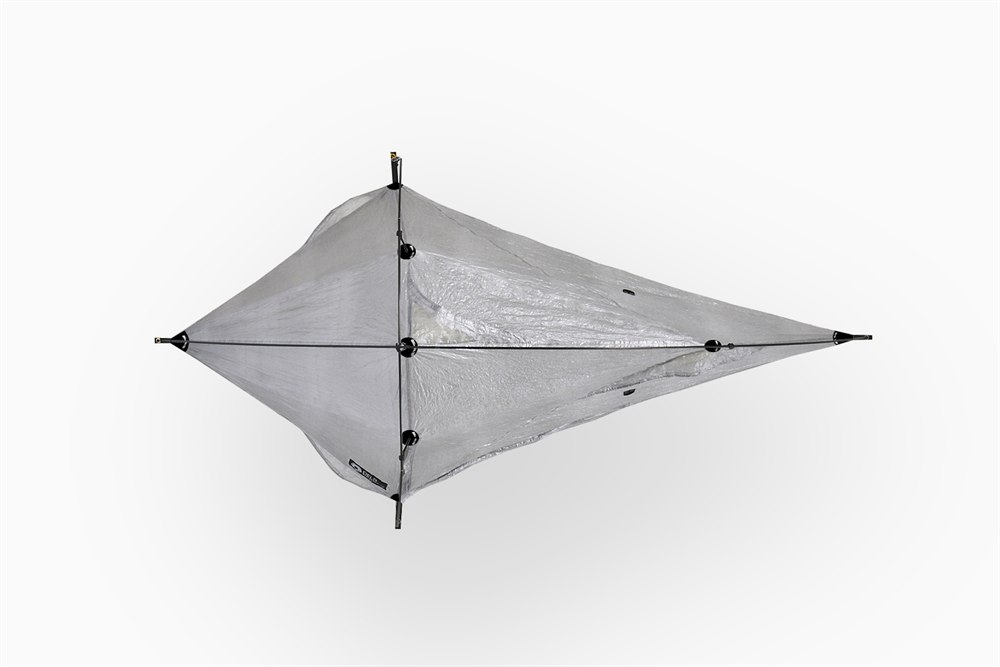
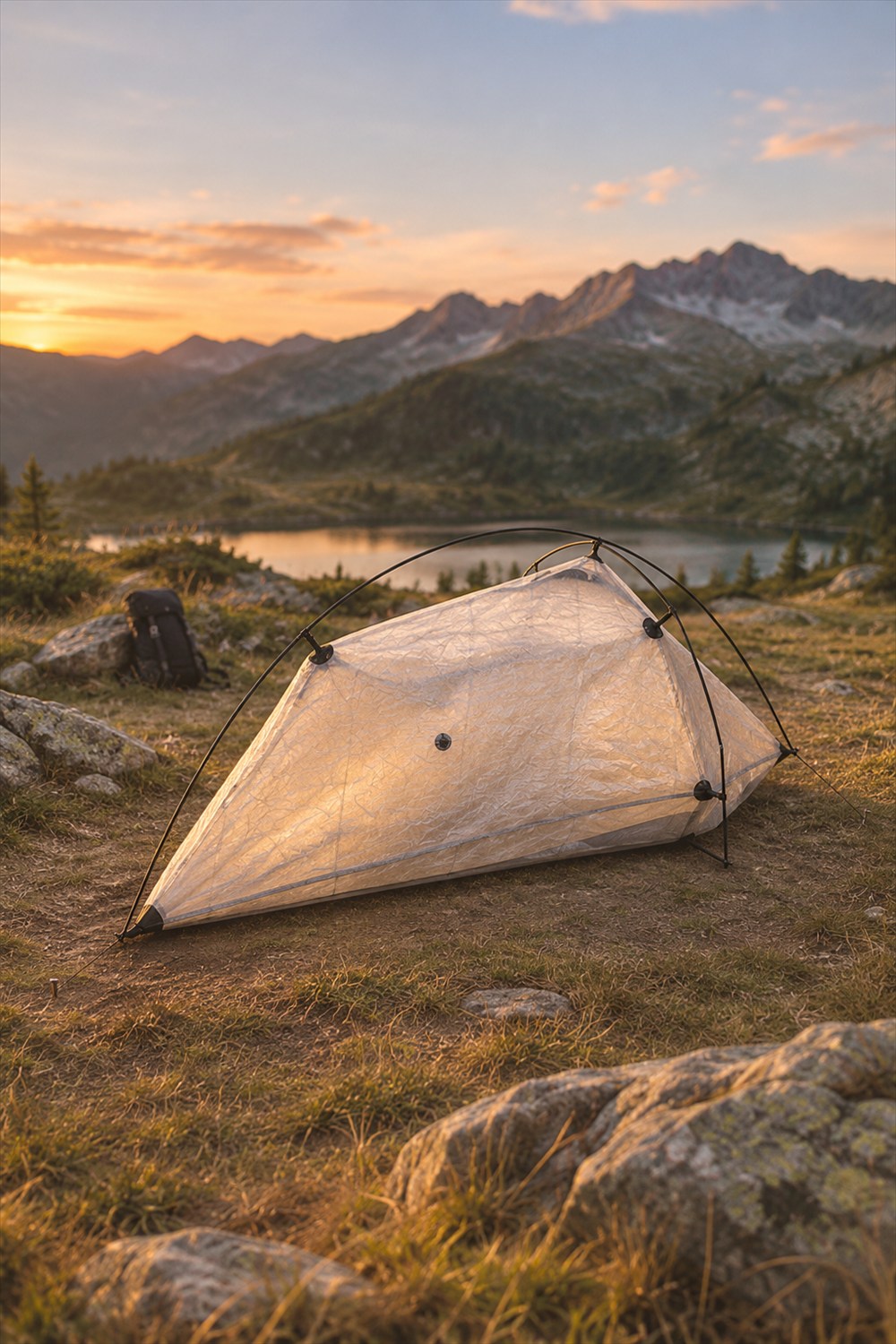
This Japanese single-wall tent is built around Dyneema Composite Fabric and Easton carbon poles. It looks a little like a translucent camping pod drawn by someone who considers a second wall an outrageous luxury. The shape is long, narrow, and tapered, with thin black arcs suspended over a pale, crinkled body.
The appeal is easy to understand: carry less shelter weight without asking your trekking poles to work the night shift. That does not make it a miniature family cabin. Field Record specifies room for one person, which is also the maximum number of people who should be allowed to rearrange your carefully organized snack pocket.
A tiny weight figure with an important boundary
Field Record lists the FR-SCD at 490 grams including the tent and poles, excluding the storage bags. That is about 17.3 ounces. The maker also notes that handmade examples can vary slightly in weight, so the published figure deserves to stay attached to its explanation.
It is not a promise that everything in your shelter pocket, plus every accessory you might bring, will total exactly 490 grams. If you are building a packing list down to the last gram, keep the stated measurement separate from your complete packed kit. The spreadsheet will appreciate the honesty, even if it remains terrible company around a campfire.
Related posts:
 The Shoal Tent Is a Floating Tent That Lets You Sleep on a Lake
 This Ultimate Cold-Weather Camping Tent Has a Built-in Wood Stove
 This Log Cabin Tent Has a Giant Screened In Front Porch For a True Luxury Camping Experience
 This Instant Setup Cabin Tent Has Built-In LED Lighting For Lighted Activities At Night
Freestanding means the frame supports the shelter’s shape. It does not mean a tent this light should be treated as immune to wind. Choose and secure a pitch appropriately; the carbon skeleton is there to hold the fabric up, not negotiate with the weather on your behalf.
For a solo walker, the interesting part is having that structure included in such a low stated weight. You can evaluate the shelter as a tent with its own poles, rather than mentally borrowing support from another item of hiking equipment.
Dyneema walls and a very visible skeleton
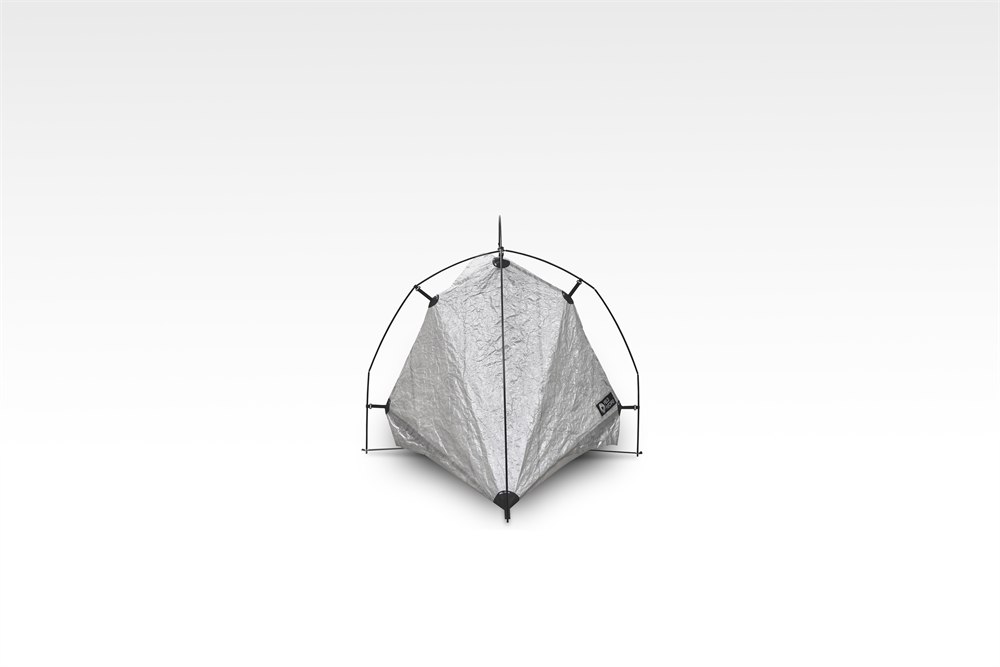
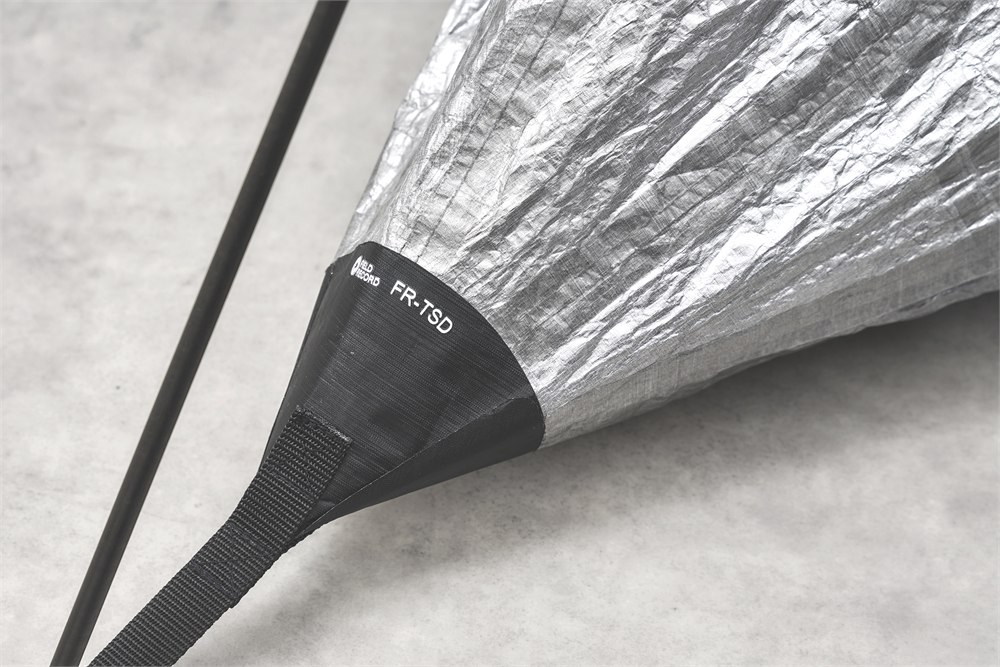
The body uses Dyneema Composite Fabric, often shortened to DCF. In the photographs, its wrinkled, lightly translucent surface catches the light in a way that makes an ordinary nylon tent look almost overdressed. The black frame and attachment points remain easy to pick out against it.
Field Record says the body is sewn and then receives bonded seam treatment. Twelve reinforcement locations use bonded DCF reinforcement pieces, following the approach used in the brand’s tarp system. These are construction details worth noticing on something whose entire job involves being both very light and very much outdoors.
The maker lists a 10,000 mm hydrostatic-head rating for the body material. That is a stated fabric specification, not an invitation to assume every possible storm, campsite, or pitching mistake has been accounted for. A material rating cannot choose your campsite for you, which is disappointing because choosing a campsite can become a surprisingly lengthy committee meeting of one.
- Single-wall body made from Dyneema Composite Fabric.
- Easton carbon frame included in the stated tent-and-poles weight.
- Bonded seam treatment and twelve reinforced locations.
- Four ventilation openings intended to help air circulate.
- One-person capacity for a deliberately compact solo setup.
One sleeper, a tapered footprint, and realistic expectations
The listed dimensions are 258 cm long, 108 cm wide, and 95 cm high. Those are overall specifications, not a guarantee of a rectangular living area with equal headroom everywhere. The photographs make the tapered ends and sloping walls particularly clear.
That shape is part of the tent’s character. It gives the FR-SCD a lean silhouette, but it also makes checking your sleeping setup more useful than staring only at the longest measurement. Your mat, sleeping bag, height, and preferred amount of midnight elbow room all deserve consideration.
| Detail | Field Record specification |
|---|---|
| Capacity | One person |
| Listed dimensions | 258 × 108 × 95 cm |
| Stated weight | 490 g for tent and poles; storage bags excluded |
| Body | Dyneema Composite Fabric with bonded seam treatment |
| Frame | Easton carbon poles |
| Ventilation | Four openings |
A solo shelter like this makes the most sense when carrying weight matters every day. If your camping routine involves parking beside a cooler large enough to require zoning approval, the attraction may be more about admiring the design than needing its particular compromise.
There is nothing wrong with either approach. It is simply useful to know whether you are buying a very specialized walking companion or an exceptionally small building to show your friends.
Four vents are helpful; physics still gets a vote
Field Record describes an airflow-friendly form and four vents intended to reduce condensation. That wording matters. Reducing moisture buildup is a more realistic goal than promising that a single-wall shelter will never collect any.
Ventilation is part of the product’s design, so it is worth paying attention to how those openings sit when you pitch it and arrange your gear. This is a compact enclosure, and the little details can matter more when your bedroom is also your entire house.
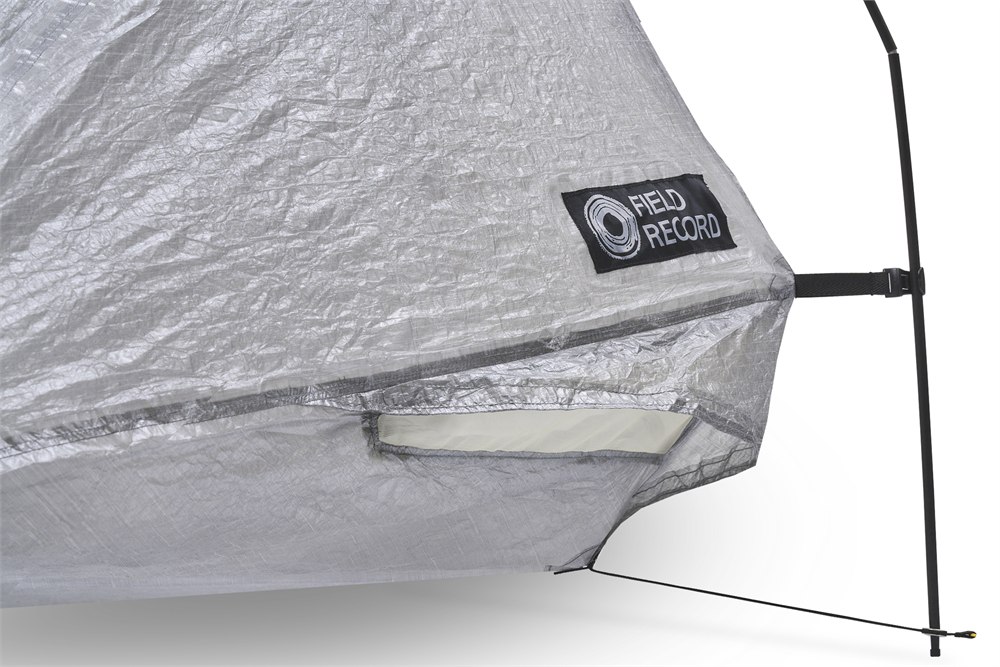
The maker also flags an unusual ownership detail: wrinkles in the Dyneema fabric can produce dimensional change, with shrinkage of up to roughly ten percent. That is a substantial enough note to read before ordering, especially if you already suspect the space may be a close fit.
Handmade weight variation and possible fabric dimensional change are not glamorous brochure topics. They are, however, far more useful than another photograph of someone looking thoughtfully at a mountain. Mountains rarely answer follow-up questions about usable sleeping space.
What comes with the little silver shelter
The listed package includes the DCF tent body, two segmented carbon pole assemblies, a DCF groundsheet, two guylines, two line locks, a pole bag, and a tent bag. Keep that accessory list distinct from the narrower tent-and-poles weight claim when comparing your complete kit.
Production is in Japan, and the seller currently lists a lead time of about three months. This is a purchase to plan ahead for, rather than something to remember while packing the car on Friday afternoon.
Images: Field Record.
- FR-SCD is a freestanding, single-wall solo tent made in Japan.
- Claimed tent-and-poles weight is 490 grams, excluding storage bags.
- DCF body, bonded seams, and carbon poles form the core construction.
- Four vents are designed to help reduce condensation.
- Overall dimensions are listed as 258 × 108 × 95 cm.
- Current lead time is approximately three months.
The FR-SCD is listed at ¥149,600 through Field Record. International shipping is available, although some countries are excluded, and customs duties or fees are the customer’s responsibility. The seller’s international-order information specifies PayPal payment and provides a contact route if checkout cannot be completed.
For someone counting the weight of everything carried up a trail, this is a particularly intriguing little shelter: a carbon-framed bedroom with very little mass and absolutely no room for a decorative throw pillow collection.
| Pros | Cons and considerations |
|---|---|
| Very low stated tent-and-poles weight | Storage bags are excluded from that figure |
| Own carbon frame supports the tent’s shape | Appropriate anchoring and site selection still matter |
| Four vents support airflow | Single-wall condensation can still occur |
| Bonded DCF construction and reinforcement | Maker warns of possible dimensional shrinkage |
| Compact shelter for solo trips | One-person capacity and sloping walls limit space |
| International orders available | High price, roughly three-month lead time, and possible customs charges |
Save this find.
Thank yourself later.
Your next great gift idea. Your someday space. Your collection of wonderfully weird things.
Save to PinterestPick a board. Keep the inspiration.
This Ultralight Freestanding Tent Weighs Just 490 Grams With Its Carbon Poles
At a glance
Product snapshot
- Listed price
- ¥149,600Prices and availability can change. Check the seller for current details.
- Where to find it
- Field Record
- Category
- Outdoors
Related posts:
The Shoal Tent Is a Floating Tent That Lets You Sleep on a Lake
This Ultimate Cold-Weather Camping Tent Has a Built-in Wood Stove
This Log Cabin Tent Has a Giant Screened In Front Porch For a True Luxury Camping Experience
This Instant Setup Cabin Tent Has Built-In LED Lighting For Lighted Activities At Night