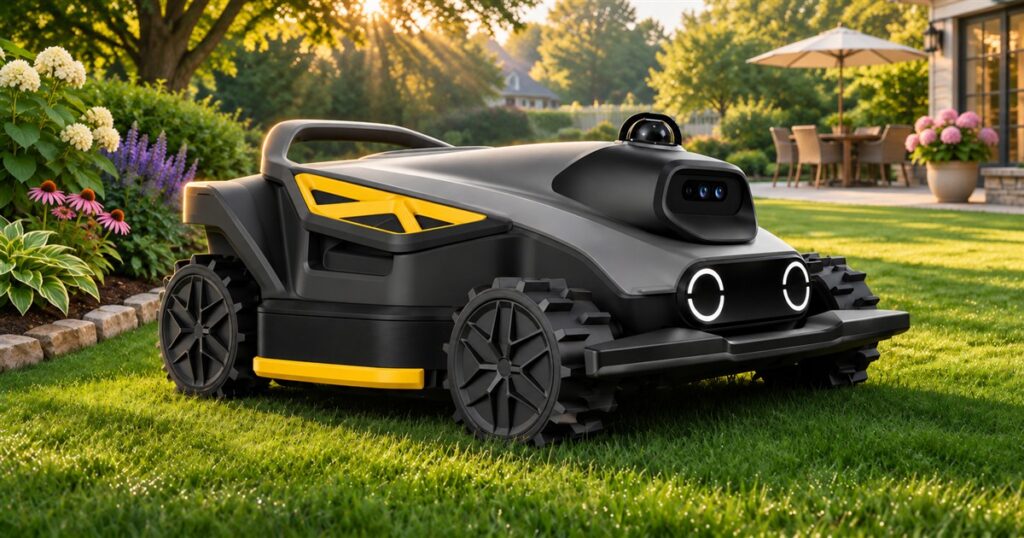
Owning a lawn is agreeing to maintain a very small, very demanding national park. The grass grows, you cut it, and then the mower itself needs attention. PUDU’s upcoming TOMO S Series robotic mower has a particularly appealing answer to that last part: it returns to its charging station and sharpens its own blades. Your gardening equipment is apparently developing a better self-care routine than the rest of us.

The PUDU TOMO S Series is a self-sharpening robot lawn mower built around a system called SharpLoop. When sharpening is needed, the station takes care of the mower’s rotary blades as part of its return-home routine. Mowing and blade maintenance become connected jobs, rather than two separate reasons to spend Saturday staring into the shed.
This is an announced product, with sales expected in early spring 2027. Pudu Robotics unveiled it on November 3, 2026, and the published specifications describe the company’s intended performance. There is plenty to be interested in here, but those specifications should be read as manufacturer claims rather than results from a summer spent testing it on somebody’s crabgrass.
A charging station with another job
Most charging docks have one assignment: refill the battery and try not to look too ugly beside the house. SharpLoop gives this one a second responsibility. The mower comes back, the blades get sharpened when needed, and the machine heads out again with blade care folded into its normal routine.
PUDU describes this as a tool-free process designed to reduce routine blade maintenance and replacement. That wording matters. Automatic sharpening is a useful feature; it is not a magical exemption from owning a machine that works outdoors. Buyers will still want to follow the final care instructions and check the support arrangements available in their region.


The attraction is easy to understand without a mechanical engineering degree. A robot that mows the lawn is convenient. A robot that also takes on a recurring maintenance chore is getting closer to the arrangement people imagined when they first heard the words robot mower. Nobody fantasizes about autonomous lawn care and then adds a delightful little blade-changing appointment to the calendar.
Built to lift, cut, and clear the clippings
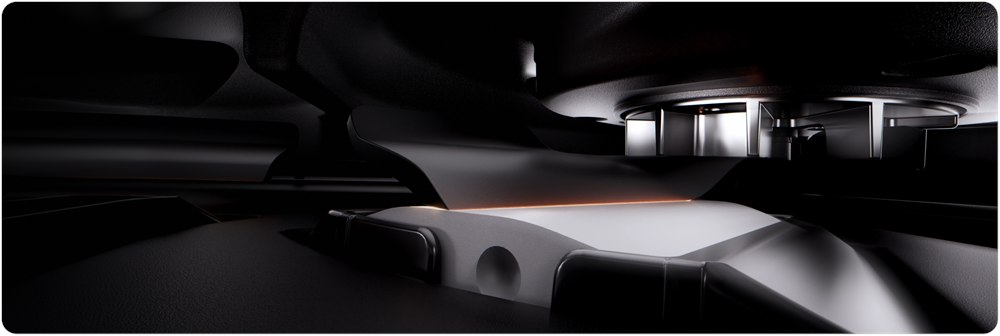
Underneath, TOMO uses what PUDU calls a Lift-Cut-Discharge system. Two 636-watt motors drive aerodynamic high-lift blades at speeds of up to 6,000 RPM. The idea is to lift flattened grass into the cutting path, cut it, and move the clippings away through a dedicated rear discharge channel.
PUDU says this arrangement helps with tall, dense, and wet grass while reducing buildup and clogging. That is a practical ambition for anyone whose lawn occasionally stops resembling a lawn and starts resembling the opening scene of a nature documentary. Grass does not politely pause its schedule because yours got busy.
Those numbers do not tell you everything about the finished cut, of course. Lawn conditions vary, and a published motor specification is not the same thing as a guarantee for every patch of ground. What makes the design interesting is how the cutting system and sharpening station are meant to work together, keeping the blades’ condition part of the machine’s routine.
- SharpLoop automatically sharpens the rotary blades at the station when needed.
- Dual cutting motors and high-lift blades are designed to raise flattened grass before cutting.
- A rear discharge channel helps move clippings out of the cutting area.
- An offset deck, side sensing, and bumper feedback help the mower work along lawn edges.
- Automatic mapping is designed to establish boundaries and routes without boundary wires.
The awkward edges get some attention
A neatly mowed lawn with shaggy borders has the energy of a good haircut followed by a forgotten eyebrow. TOMO’s Zero Edge Cutting system aims to reduce those leftover strips using an offset cutting deck, intelligent side sensing, and a responsive side bumper. Together, they guide the cutting path close to boundaries.
The company describes operation along walls, trees, flower beds, and open lawn edges. That should make the feature relevant to actual gardens, which tend to contain more than a perfectly empty rectangle. It is still sensible to treat reduced trimming as the promise, rather than assume every imaginable border will need no human attention.
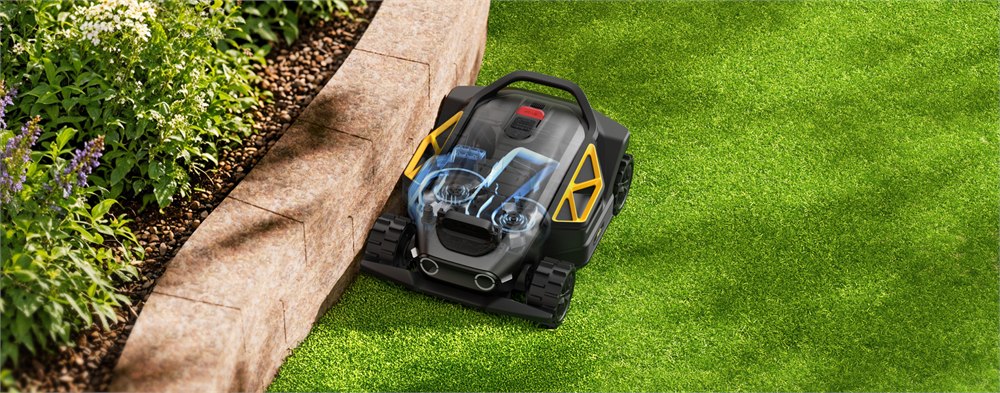
Turning gets its own bit of engineering, too. PUDU specifies 180-degree rear-wheel zero-turn steering for tight changes of direction with less turf disruption. Alternating mowing directions and perimeter return routes are also intended to reduce visible tracks. The goal is for the robot to do its job without leaving a little commuter highway across the grass.
| Feature | PUDU’s announced specification |
|---|---|
| Blade care | Automatic sharpening at the charging station |
| Cutting drive | Two 636 W motors, up to 6,000 RPM |
| Wheel drive | Four independent high-torque hub motors |
| Terrain capability | Slopes up to 45 degrees; obstacles up to 6 cm |
| Navigation | LiDAR, AI vision, and network RTK |
| Planned lawn coverage | Three versions spanning 1,500 to 5,000 square meters |
Four-wheel drive for the less cooperative lawn
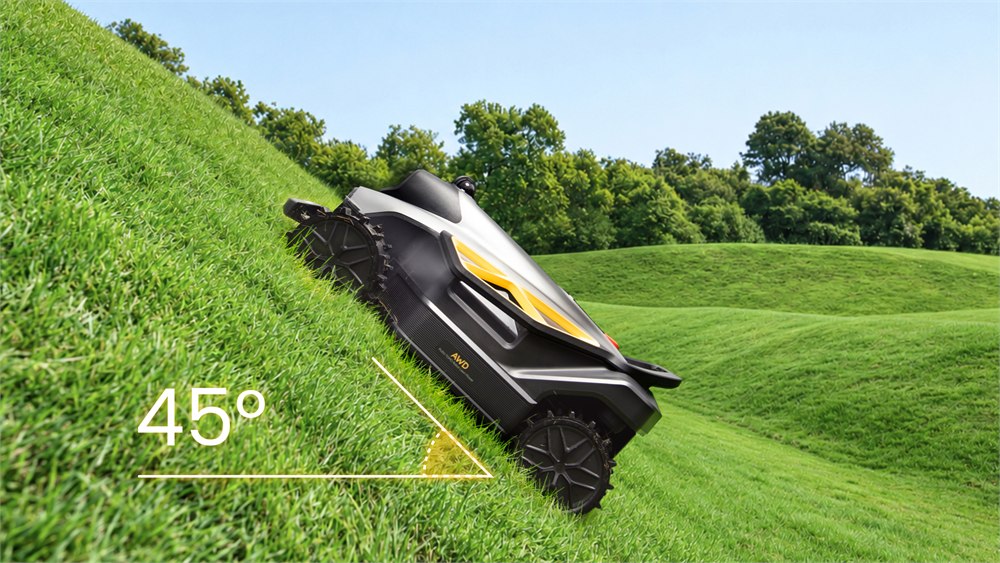
TOMO’s all-wheel-drive setup uses four independent high-torque hub motors. PUDU rates it for slopes up to 45 degrees, with independent suspension supporting obstacle crossings up to 6 centimeters. A floating cutting deck follows changes in the ground, helping limit scraping and turf damage.
These are useful details for homeowners whose yard has apparently been designed by a topographical map enthusiast. They also deserve to be matched against the final operating guidance. A maximum slope figure is a capability claim, not an invitation to improvise a backyard obstacle course near a retaining wall.
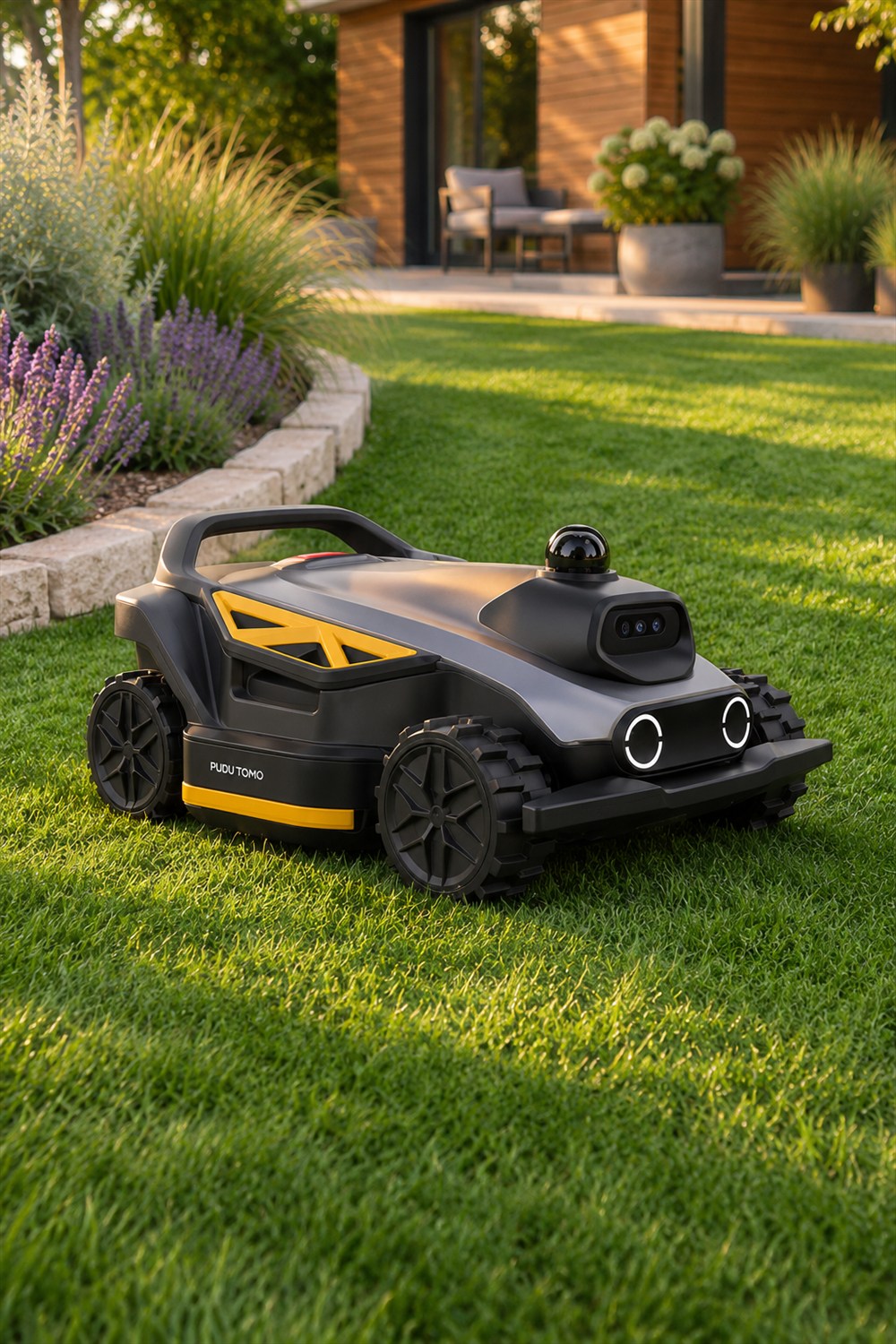
The machine itself looks suitably purposeful: a low gray body, yellow trim, chunky wheels, and a prominent sensor housing. There is enough visual personality to make it feel like a tiny groundskeeper, but the important parts are the ones doing the work underneath. The lawn is unlikely to be impressed by styling alone.
Finding its way without a boundary-wire project
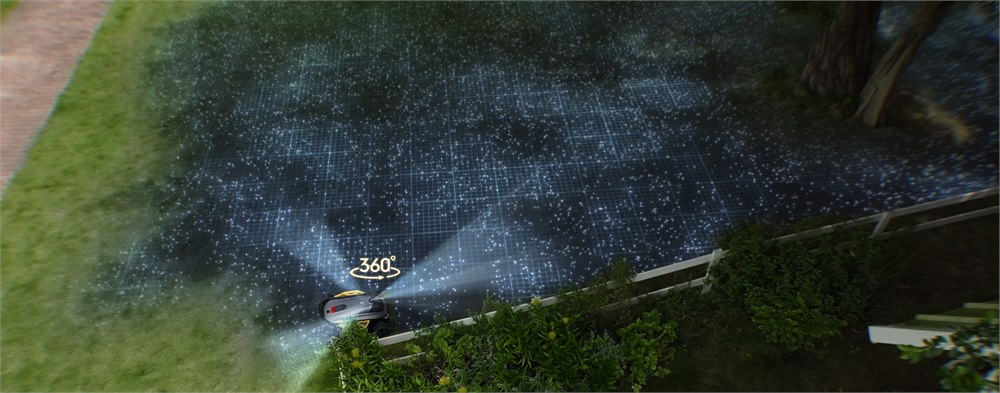
The navigation package combines 360-degree LiDAR, AI vision, and network RTK. PUDU says this delivers centimeter-level positioning without a local RTK reference station. Its One-Tap Auto Mapping system is intended to identify lawn boundaries and plan mowing routes from the first run, without manual mapping or boundary wires.
Removing a boundary-wire installation is a meaningful part of the appeal. A time-saving purchase feels slightly less triumphant when its first instruction is to begin a new landscaping project. Here, the stated aim is to have the mower handle more of the setup as well as the cutting.
The official site also describes app controls for mowing zones, cutting height, modes, and angles, along with a Smart Recut feature for missed spots. An online mowing planner accounts for weather and location. Before buying, it will be worth checking the final connectivity requirements and regional service details, especially for a yard with patchy reception.
What to know before planning its parking spot
The announced range includes three versions intended for lawns from 1,500 to 5,000 square meters, approximately 0.37 to 1.24 acres. That gives the series a fairly broad span, although choosing a version will depend on the final model breakdown and the shape and conditions of the lawn itself.
- Product: PUDU TOMO S Series robotic lawn mower.
- Standout feature: SharpLoop blade sharpening integrated into the charging-station routine.
- Cutting features: high-lift rotary blades, rear discharge, and an offset deck for edge work.
- Movement: all-wheel drive, independent suspension, and rear-wheel zero-turn steering.
- Setup: automatic mapping with LiDAR, vision, and network RTK navigation.
- Launch status: announced, with sales expected in early spring 2027.
Pricing has not been announced. PUDU HOME is offering launch updates, with regional availability and purchasing details still to come. This is one to watch for the homeowner who likes the idea of delegating lawn care and would prefer the delegation to include the mower’s blade-sharpening appointment.
Product information and images: PUDU HOME. Launch timing and range details: Pudu Robotics’ announcement.
| Pros | Cons and considerations |
|---|---|
| Station handles automatic blade sharpening | Final care requirements still matter |
| Edge-focused cutting design | Not a guarantee that every border needs no trimming |
| Wire-free automatic mapping is planned | Confirm regional connectivity requirements |
| AWD and suspension target uneven lawns | Terrain ratings need matching to actual conditions |
| Three planned lawn-size versions | Pricing is unannounced; sales expected spring 2027 |
Save this find.
Thank yourself later.
Your next great gift idea. Your someday space. Your collection of wonderfully weird things.
Save to PinterestPick a board. Keep the inspiration.
This Robot Lawn Mower Sharpens Its Own Blades at the Charging Station
At a glance