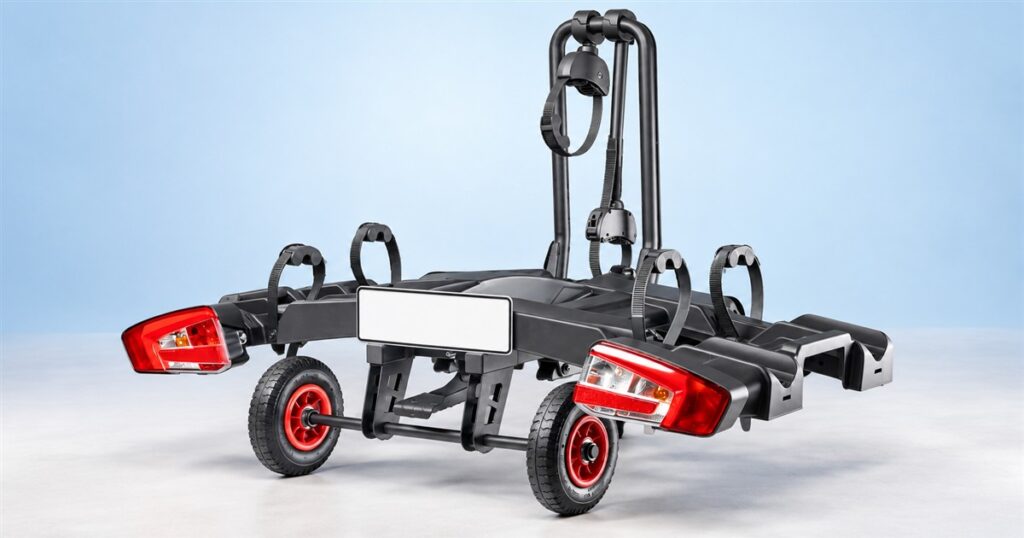
An e-bike is wonderfully helpful right up until you have to put it on the car. Then the motor, battery, and reassuringly sturdy frame hold a brief meeting and decide that your lower back should handle the rest. The Goover no-lift bike rack proposes a different arrangement: let the rack have wheels, too.
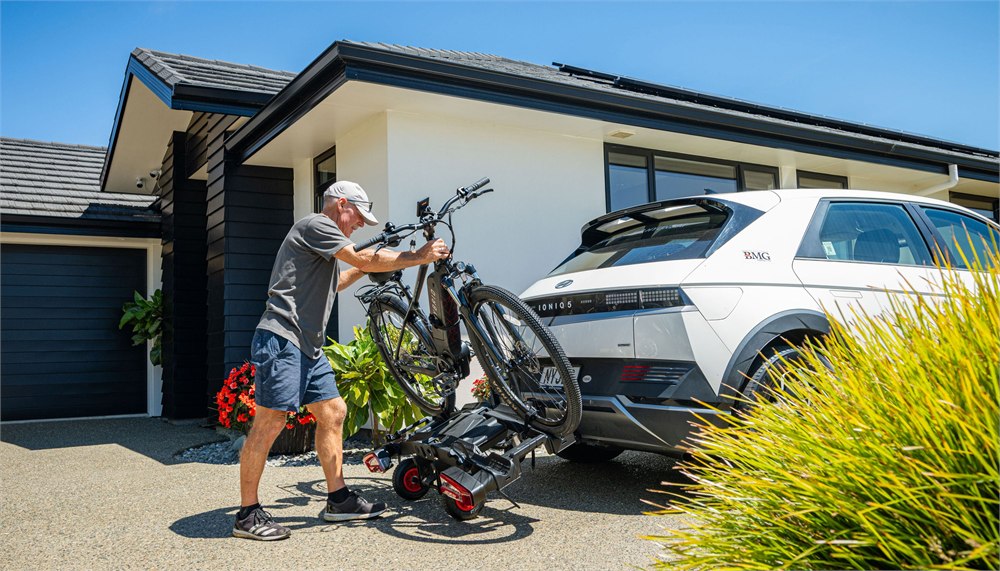
This is a hitch-mounted bicycle carrier that starts its work at ground level. You load the bikes onto the rack, secure them, roll the whole setup over to your vehicle, and connect it using Goover’s coupling system. The clever part happens before you drive anywhere. Getting ready for a relaxing ride shouldn’t require a spotter.
Goover comes from New Zealand, with the company describing its coupling as German-engineered. The current Kickstarter campaign is offering a two-bike rack with an optional extension for a third bicycle. It is crowdfunding hardware, so the advertised delivery date is an estimate rather than a promise that a box will appear before your next long weekend.
A bike carrier that rolls to the car
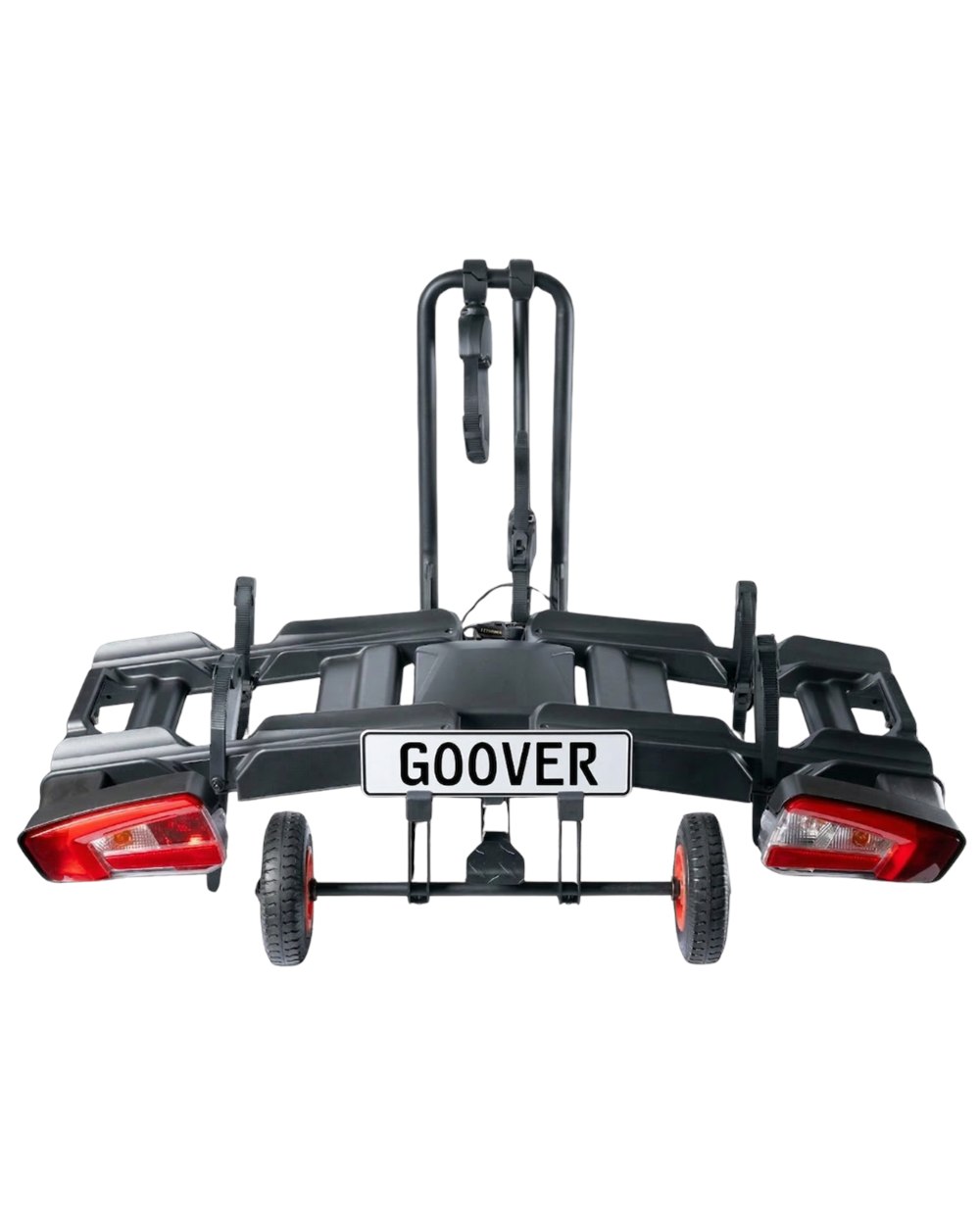
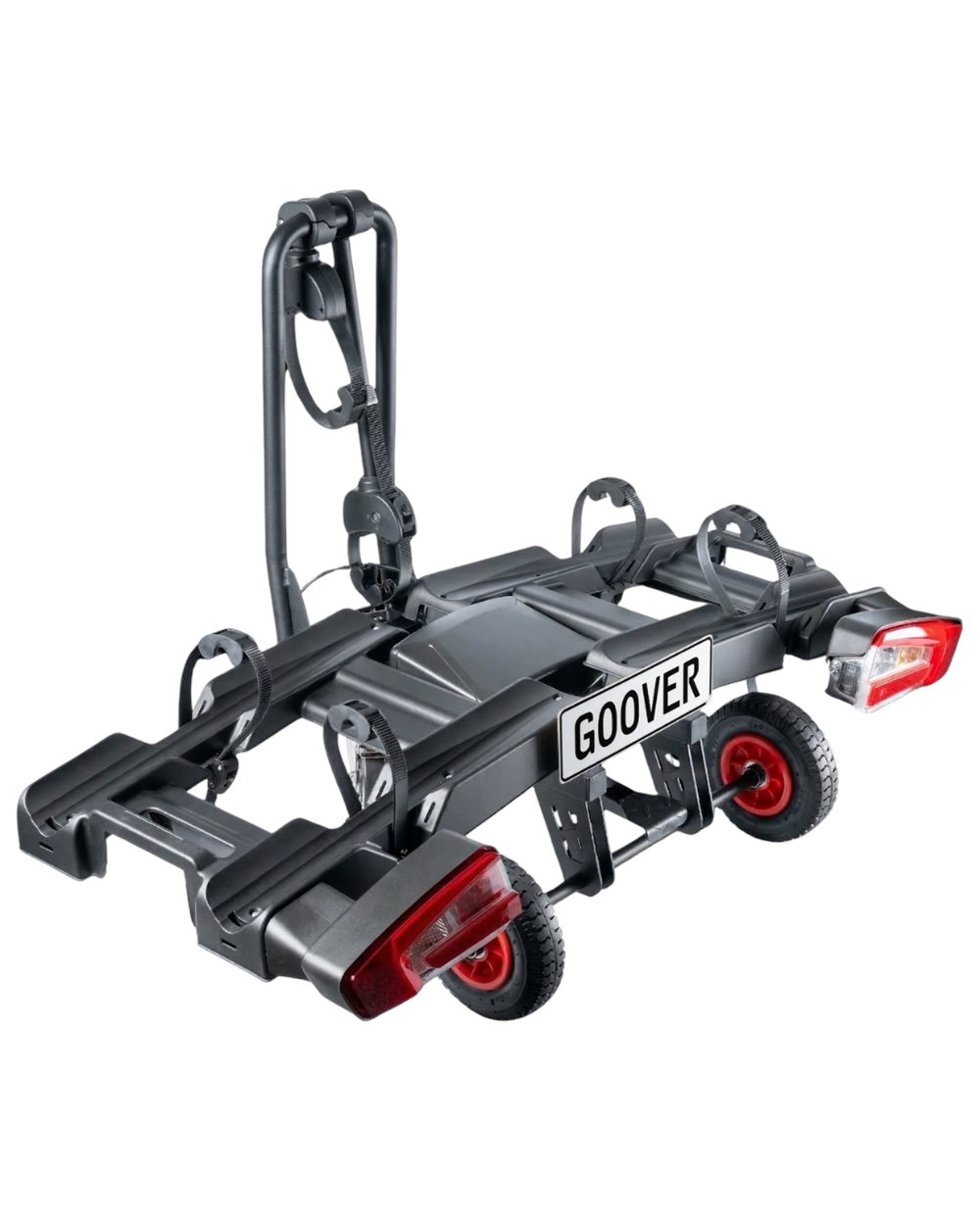
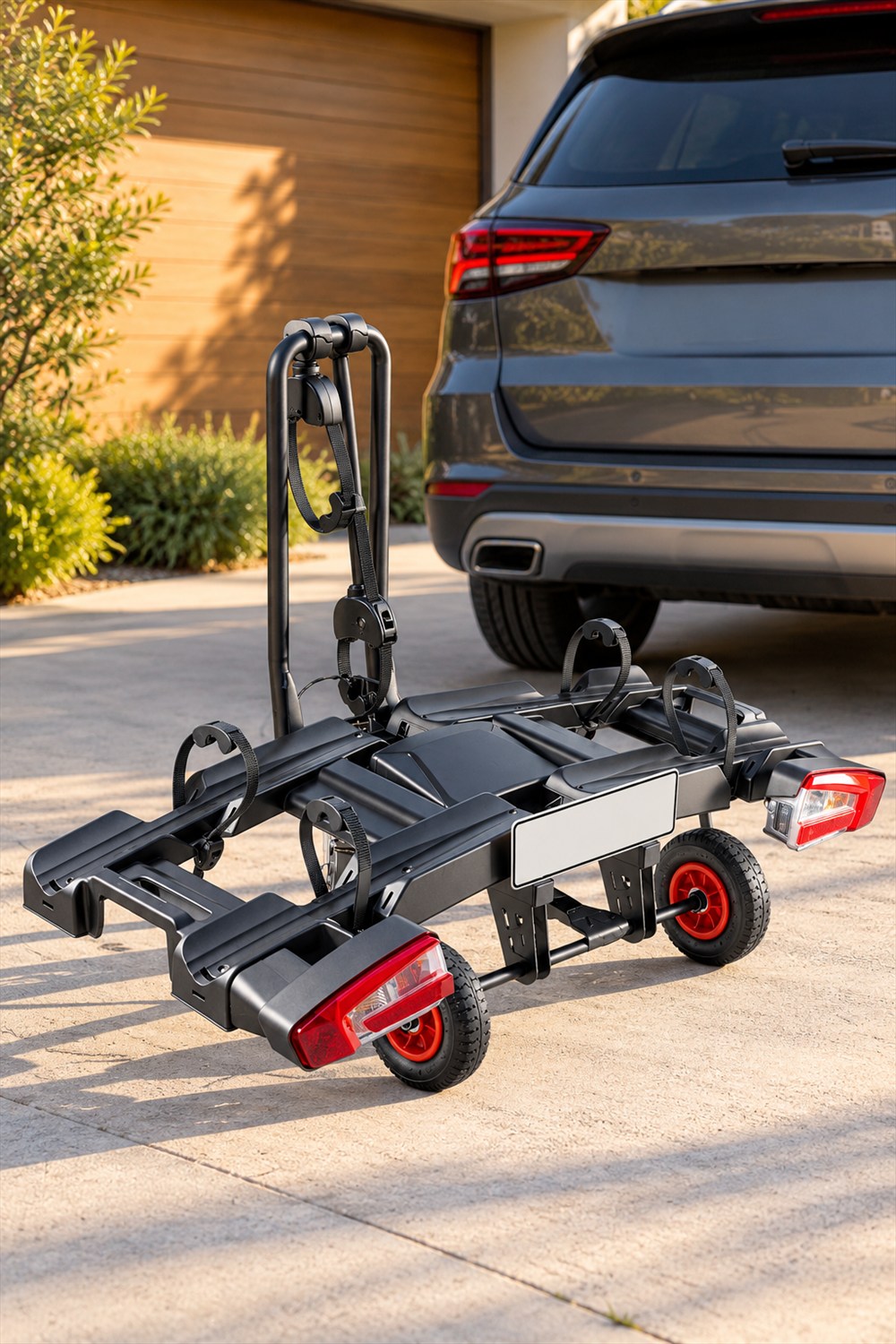
Most of the visual drama is underneath the trays: two small transport wheels that make the rack look a little like it has escaped from a very specialized airport. Those wheels let you move the carrier around instead of repeatedly picking it up. The integrated brake is intended to hold it steady while you load and unload.
The company describes the process as a one-person job. Load at ground level, wheel the secured bikes into position, and use the self-aligning connection to attach the carrier. That is the appeal for anyone who can happily ride an e-bike for miles but finds lifting its awkward bulk onto a conventional carrier considerably less recreational.
Related posts:
There is still equipment to manage. You have to position the rack, secure the bicycles, and make the connection correctly. “No lift” describes the loading approach; it does not turn a pair of heavy bikes into balloons. Goover’s own demonstration starts on level ground, which is a much more sensible setting than asking a loaded wheeled carrier to negotiate your driveway’s ski-resort impression.
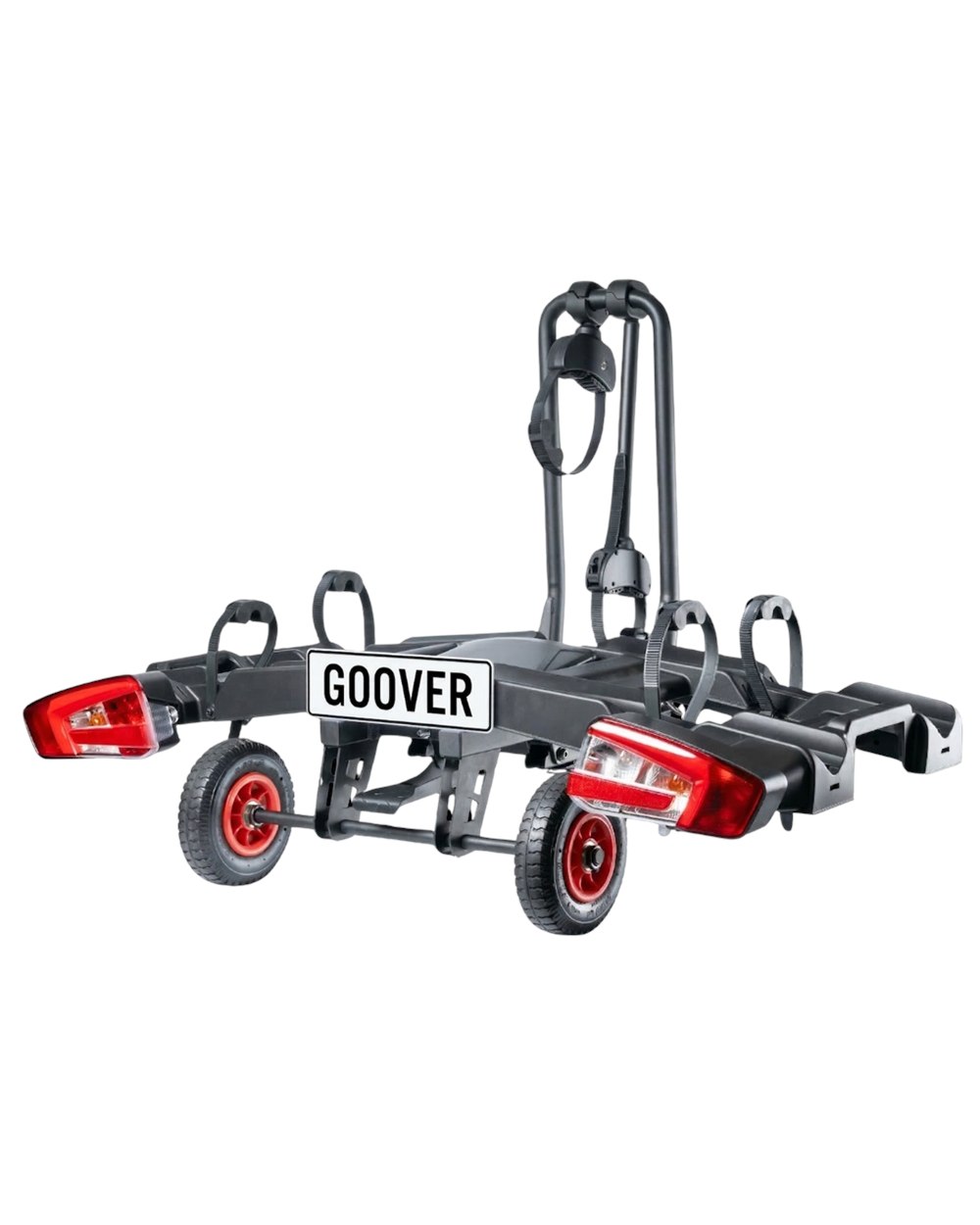
Two bikes, with a third-bike option
The headline carrying limit is 60 kilograms, or about 132 pounds, for the bike load. That is a shared allowance. Adding the third-bike extension gives you another bicycle position, not another 60 kilograms of capacity. Three light bikes and three hefty e-bikes are very different arithmetic problems, even when everyone has brought the same cheerful attitude.
The main rack has two wheel-tray positions, an upright support, securing straps, and built-in rear lights. Goover says the straps contain stainless steel reinforcement. That is a useful construction detail, but it should not be read as a declaration that a determined thief has been defeated forever. Your bicycles remain bicycles, an object category with a regrettably enthusiastic resale audience.
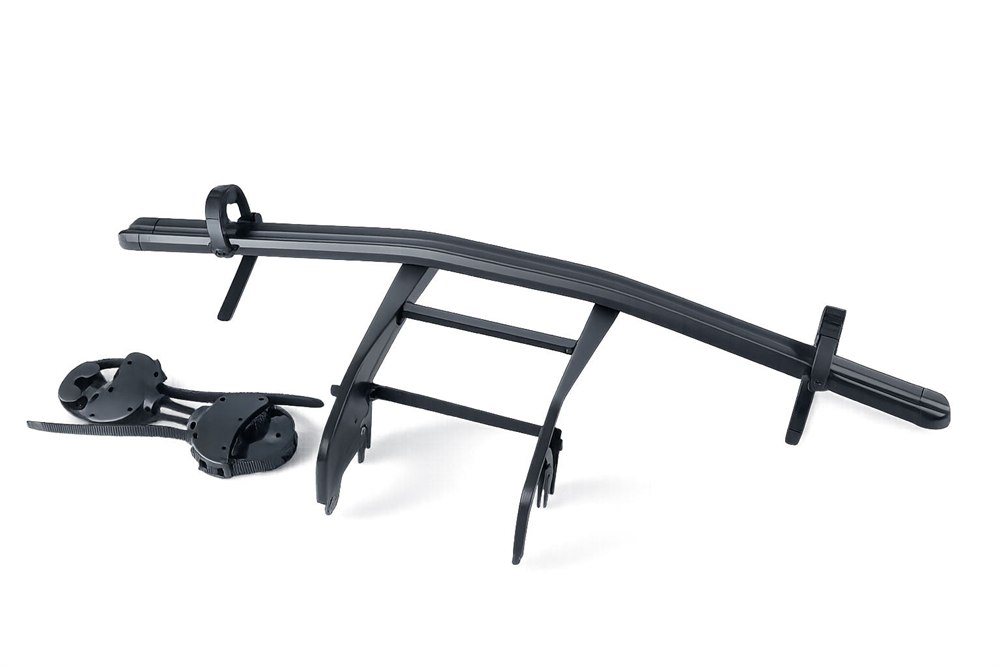
The optional third-bike extension is shown separately below. It makes the family-ride idea possible without pretending every household owns identical bikes. Before choosing a configuration, add up the actual bicycle weights and check that the specific frames, wheels, and vehicle setup work with the version you will receive.
- Ground-level loading: the bikes go onto the rack before the loaded carrier is attached to the vehicle.
- Built-in wheels: the carrier rolls between its storage spot and the car.
- Loading brake: helps keep the rack stationary while you position the bicycles.
- Two-bike base configuration: a separate extension adds a third position within the same total load limit.
- Tilting access: Goover says the fitted rack tilts back so you can reach the boot without removing the bikes.
Measure the bikes before making plans
The campaign specifies compatibility with standard 2-inch hitch receivers and 50-millimeter towballs. That is a starting point for checking fit, not a reason to assume every vehicle with something metal sticking out of its bumper is ready. Goover’s website also says the rack is incompatible with vehicles that have a spare wheel mounted on the rear door.
The company lists maximum wheel diameter and wheelbase, but its tire-width information needs clarification. The campaign FAQ says 2.8 inches, while the manufacturer’s product page says 4 inches. Anyone with wide tires should get the applicable limit confirmed for the campaign model before pledging. A bicycle tire cannot be persuaded to become narrower by an optimistic order confirmation.
| Detail | What Goover lists |
|---|---|
| Standard bicycle capacity | Two bikes; optional extension for a third |
| Total bicycle load | 60 kg / approximately 132 lb |
| Campaign connection options | 2-inch hitch receiver or 50 mm towball |
| Maximum wheel diameter | 29 inches |
| Maximum wheelbase | 49.2 inches |
| Tire width | Campaign FAQ says 2.8 inches; website says 4 inches; confirm your version |
| Rack weight | Manufacturer website lists 25 kg, approximately 55 lb |
That rack weight deserves attention. Wheels make moving a substantial carrier more convenient, but they do not remove its mass once it is attached to the car. The vehicle and hitch still need to accommodate the rack and its load. Check the relevant vehicle limits and Goover’s fit guidance rather than treating the rack’s bicycle capacity as the only number that matters.
The boot can remain part of the trip
Goover says the rack tilts back while fitted, allowing access to the boot without first unloading the bikes. This is excellent news for the jacket, snacks, and helmet you will inevitably remember after securing everything else. Packing order is a skill most of us demonstrate only after the opportunity to use it has passed.
The carrier also folds for storage and rolls on its own wheels when you put it away. That could make the end of a ride less of a wrestling match, particularly if your garage already contains a lawn mower, several abandoned hobbies, and a shelving unit dedicated to boxes of smaller boxes.
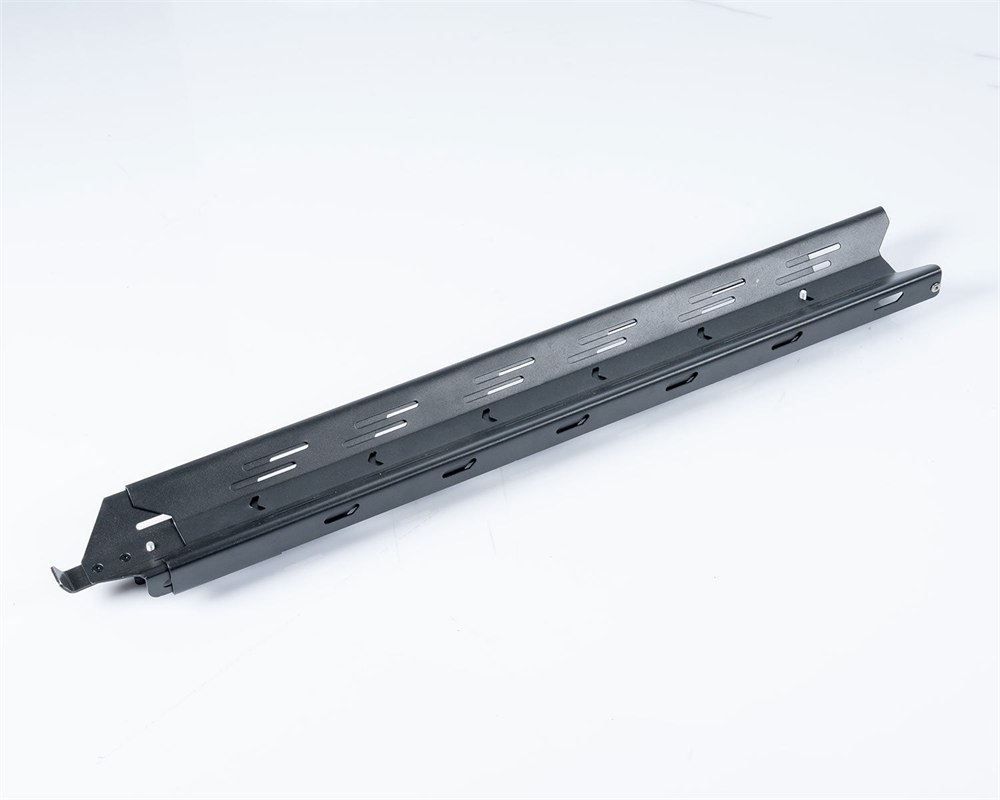
The maker’s site separately lists a bike-ramp accessory, pictured below. Treat accessories as items to check in your chosen package rather than assume they are included. The campaign’s base reward names the rack; its bundle names the rack and third-bike extension. Buying the pictured ecosystem and buying the specific reward are not automatically the same transaction.
A practical idea with some details to confirm
The strongest argument for Goover is straightforward: it changes where bicycle loading happens. The bike can stay close to the ground while you secure it, and the loaded carrier can travel to the vehicle on wheels. There is no need to turn that into a futuristic transportation manifesto. Sometimes giving the heavy object its own wheels is plenty.
For riders with a suitable vehicle and bikes within the limits, that could remove an annoying part of the day. Riders with fat tires, rear-mounted spare wheels, or tight vehicle load allowances should be particularly careful about fit. The concept is appealing; your actual bicycle and actual car still get a vote.
Key details to keep handy:
- Product: Goover no-lift hitch bike rack.
- Core idea: load at ground level, roll to the vehicle, and connect the carrier.
- Capacity: two bikes as standard, with an optional third-bike extension and a 60 kg total bicycle limit.
- Conveniences: transport wheels, loading brake, built-in lights, tilting access, and folding storage.
- Fit questions: confirm tire width, the correct coupling, vehicle limits, and rear-door clearance.
- Availability: Kickstarter campaign, with estimated March 2027 delivery to selected countries.
At the time of writing, the public Super Early Bird reward is NZ$1,234, displayed by Kickstarter as approximately US$704. The bundle with the third-bike extension is NZ$1,372, approximately US$783. Lower VIP rewards are restricted to eligible prelaunch deposit holders. Shipping and applicable taxes or import charges are extra and collected later; the campaign says delivery is estimated for March 2027. Exchange-rate displays and reward availability can change.
You can find the project on Kickstarter. Crowdfunding involves production and delivery risk, and rewards are not guaranteed. Product and accessory photographs are courtesy of Goover. The real attraction is wonderfully modest: arrive at the ride with your energy reserved for pedaling, rather than having spent it arguing with a bicycle in the driveway.
| Pros | Cons |
|---|---|
| Ground-level loading reduces the need to lift bikes onto a high carrier | Still requires careful loading, securing, and vehicle connection |
| Wheels and a loading brake help with handling | The manufacturer’s listed rack weight is a substantial 25 kg |
| Optional third-bike extension | Adding a bike position does not increase the 60 kg load limit |
| Tilting access and folding storage | Vehicle clearance and fit must be checked |
| Built-in lights and reinforced securing straps | Tire-width specifications differ between official pages |
| Thoughtful approach for heavy-bike owners | Crowdfunding delivery is estimated, with shipping and taxes extra |
Save this find.
Thank yourself later.
Your next great gift idea. Your someday space. Your collection of wonderfully weird things.
Save to PinterestPick a board. Keep the inspiration.
This No-Lift Bike Rack Rolls Loaded Bicycles Straight to Your Car
Where to find This No-Lift Bike Rack Rolls Loaded Bicycles Straight to Your Car
OddityMall may earn a commission from qualifying purchases at no extra cost to you.