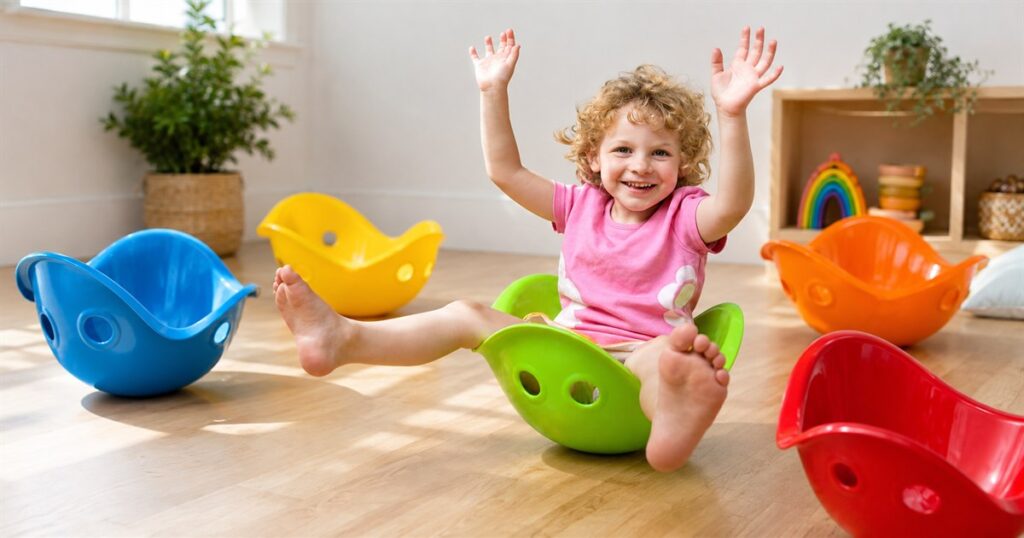
Every parent eventually learns that the most powerful toy in the house is not the one that lights up, sings, vibrates, app-connects, or drains six batteries while making a noise that sounds like a tiny casino having a panic attack. It is usually a box, a laundry basket, a spoon, or some suspiciously expensive object the child has decided is a spaceship.
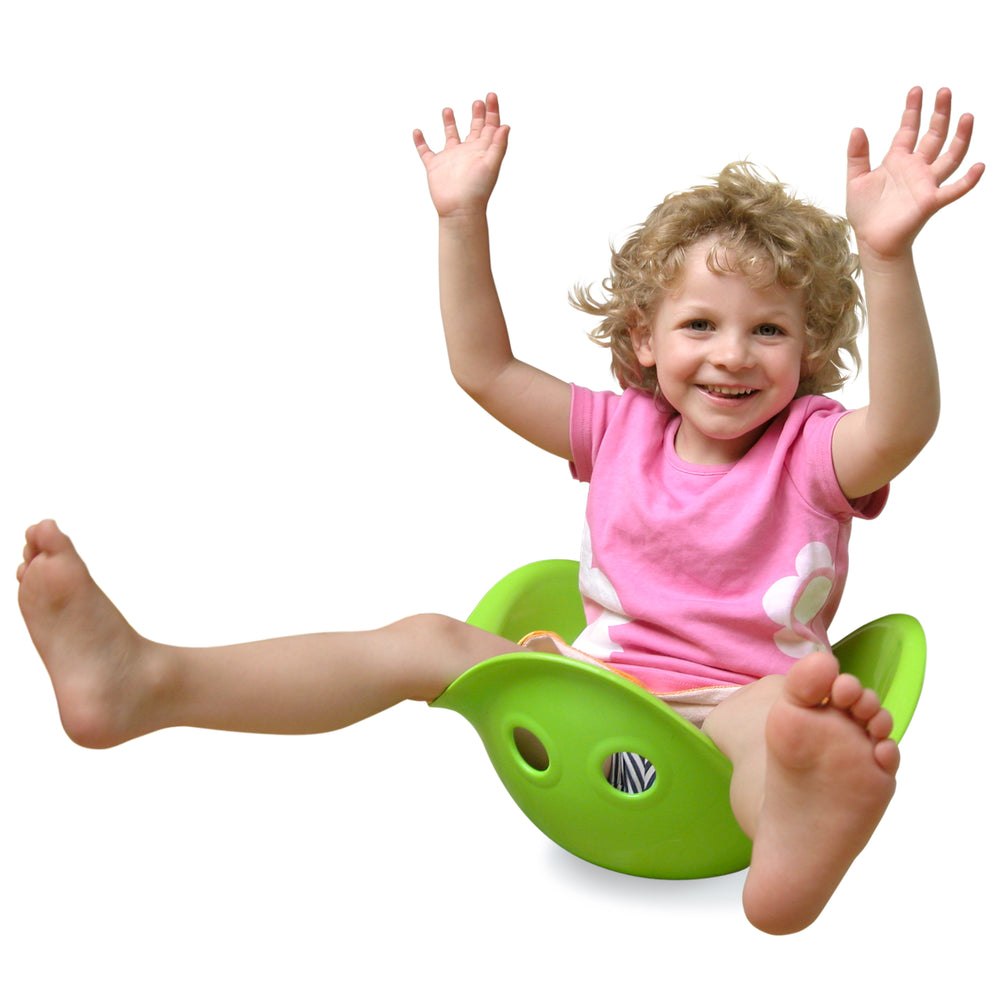
The MOLUK Bilibo takes that truth and turns it into an actual product: a bright, smooth, shell-shaped wobble bowl that refuses to explain itself. It is a seat, a spinner, a rocker, a scoop, a helmet, a turtle shell, a mountain, a boat that should stay in shallow water, and, depending on the household, probably a hat for a stuffed dinosaur going through a bold personal era.
At first glance, it looks like someone left a modern art fruit bowl in the preschool room. That is the whole trick. Bilibo is deliberately open-ended, with no buttons, screens, batteries, rules, songs, timers, tiny plastic carrots, or voice that says “Great job!” after your child has merely touched it. It gives kids a sturdy shape and lets them decide what kind of nonsense gets invented next.
MOLUK describes the original Bilibo as a multi-award-winning movement toy for children ages 2 and up. The classic version measures about 39 cm across and 21 cm high, weighs about 700 g, and is made from food-grade HD-PE plastic that is recyclable, weather-proof, and easy to clean with soap and water. In other words, it is engineered for the exact demographic most likely to eat a cracker off the floor and then announce they are a construction vehicle.
A Bowl With Main Character Energy
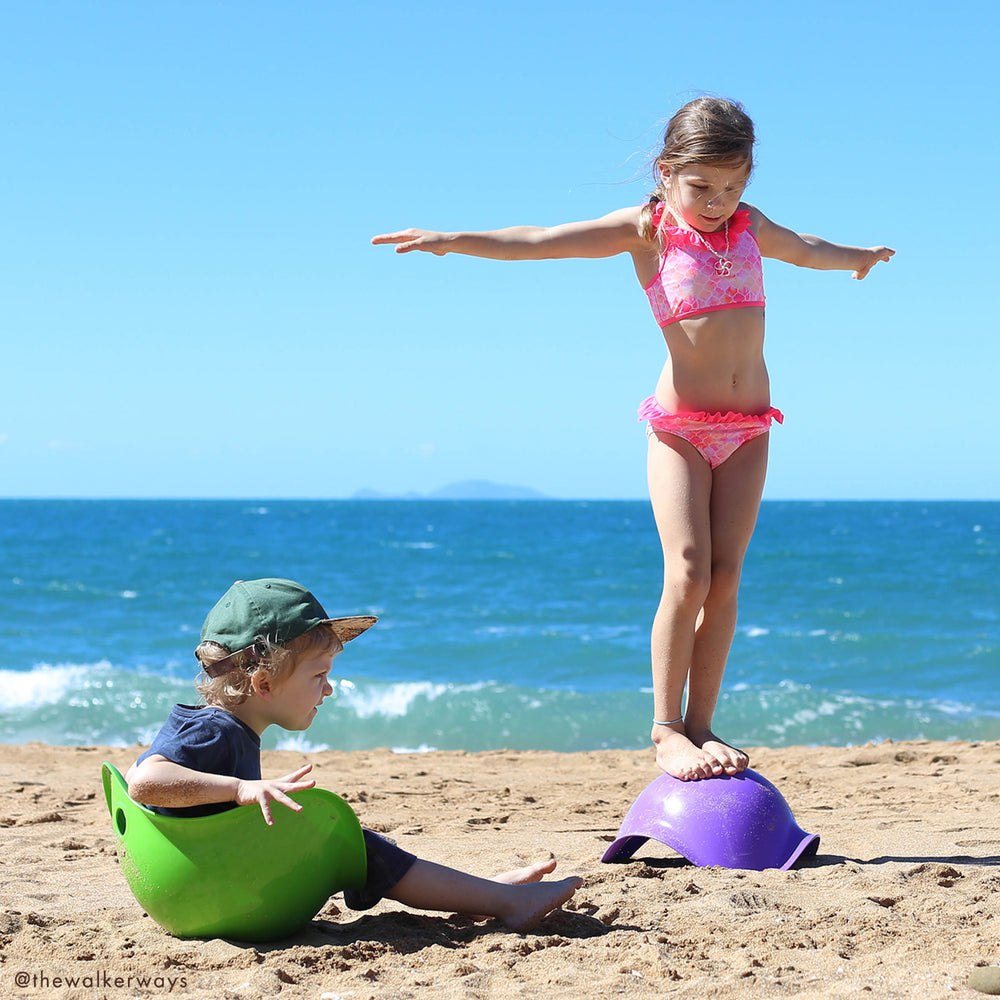
The genius of Bilibo is that it does not prescribe a play pattern. Kids can sit in it and rock, spin, balance on top of it, stack several together, fill it with toys, scoop sand or snow, or flip it over as part of an obstacle course. The two oval holes make it easy to grab, peek through, and generally weaponize into pretend-play logic that adults can only loosely follow.
Related posts:

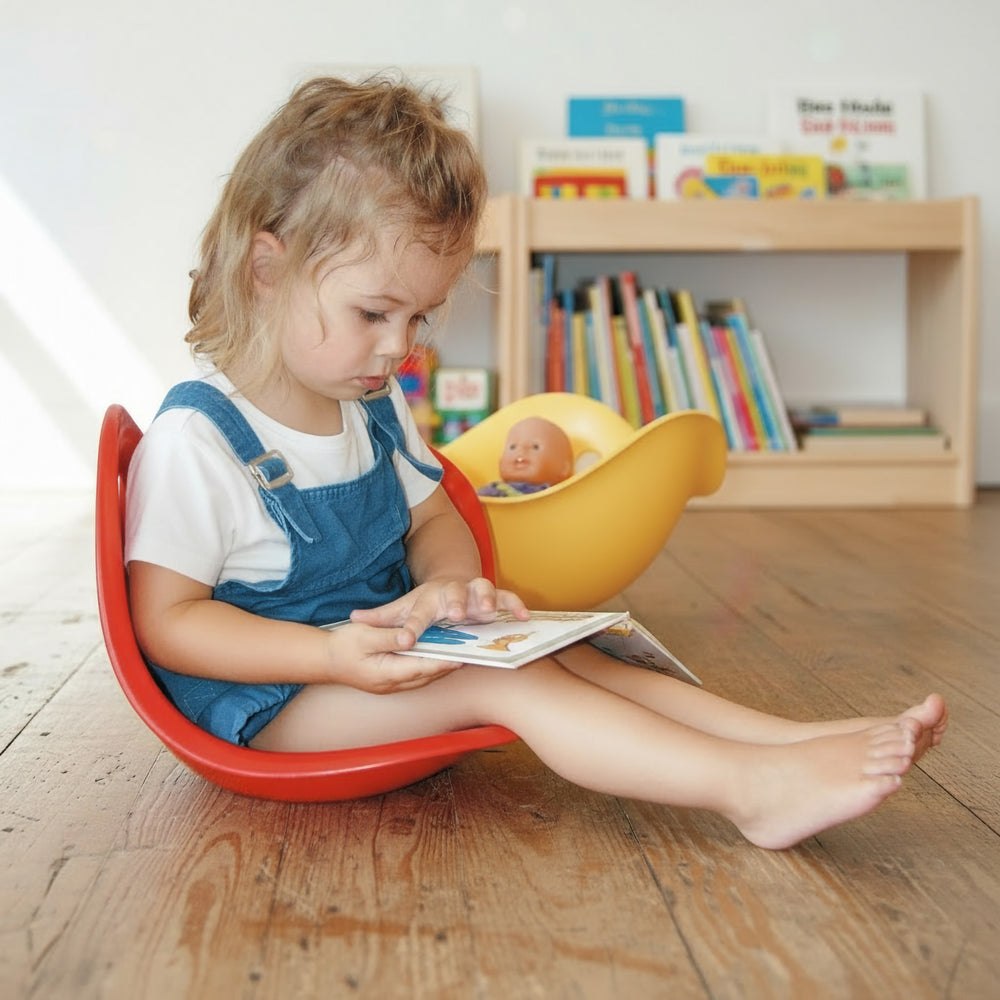
That lack of instruction is the point. A lot of toys arrive with a script: put the little figure in the little slot, press the little sound button, repeat until everyone in the room understands why quiet time was invented. Bilibo instead gives kids a physical object with just enough form to invite ideas and just enough mystery to avoid becoming boring after two afternoons.
MOLUK says it supports movement-based, screen-free learning, with rocking, spinning, and balancing helping build core strength, coordination, spatial awareness, and imaginative play. That does not mean it will transform your living room into a Swiss early-childhood-development institute. It means your child may voluntarily do tiny abdominal work while pretending to be an egg, which is about as close as parenting gets to a clean win.
Some of the most useful ways kids may use it include:
- Rocking or spinning inside the shell for full-body movement play.
- Turning it upside down for balance paths, obstacle courses, or pretend mountains.
- Using it as a scoop or container for blocks, balls, sand, snow, or bath-time chaos.
- Wearing it as a helmet, turtle shell, robot pod, baby cradle, or whatever the current household storyline requires.
- Stacking or nesting multiple shells for easier cleanup and storage.

Specs For The Grown-Up Trying To Justify The Space Bowl
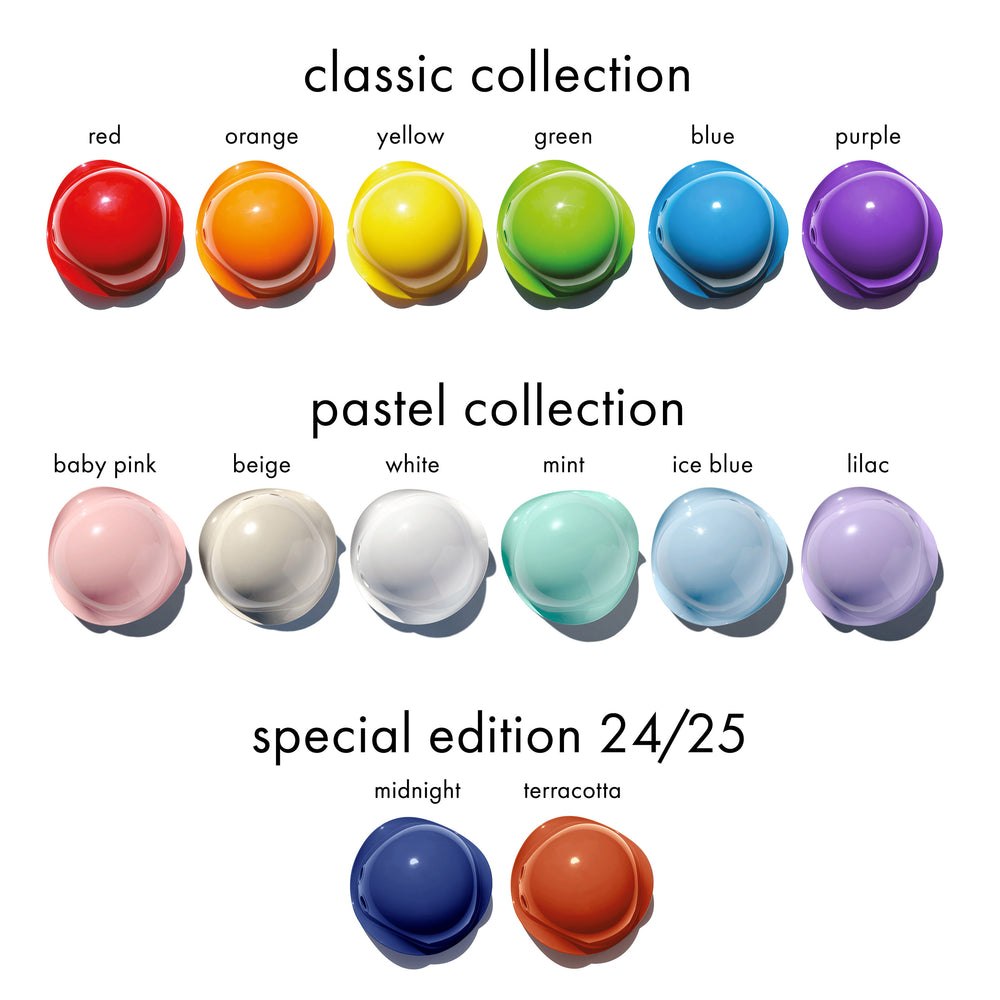
Because this thing looks like it escaped from a design museum and a daycare storage closet at the same time, the practical details matter. The classic Bilibo is the full-size shell, while MOLUK also makes smaller Midi and Mini versions for different ages and play styles. The Amazon listing selected here is for the blue classic Bilibo, though MOLUK lists a much wider family of colors.
| Detail | Classic Bilibo |
|---|---|
| Recommended age | 2 years and up |
| Approximate size | 39 cm diameter, 21 cm high |
| Approximate weight | 700 g |
| Material | Food-grade HD-PE plastic |
| Care | Clean with water and mild soap |
| Power | No batteries, no screen, no app |
That last row may be the most emotionally important one. Bilibo is manually operated by child weirdness, which remains one of the most renewable energy sources known to the indoor family ecosystem.
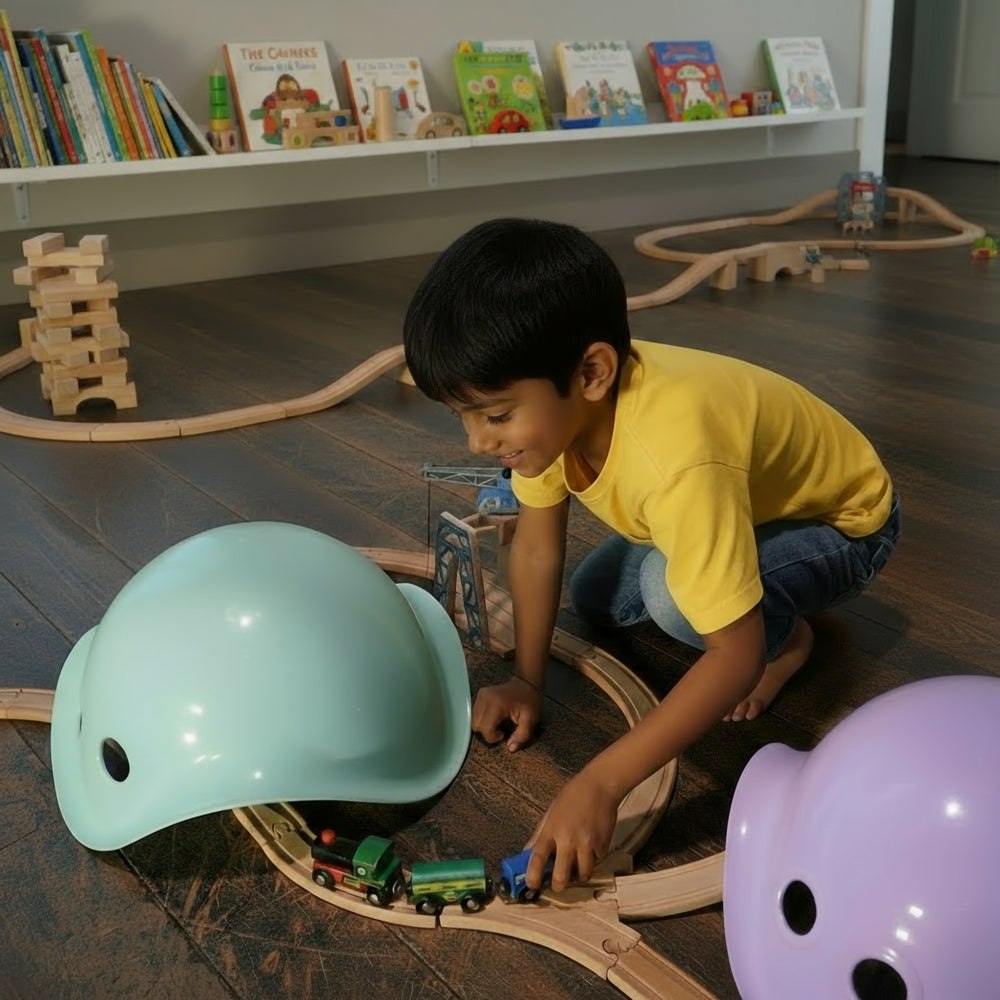
The material is a big part of the appeal. HD-PE is sturdy enough for rough indoor and outdoor play, and MOLUK says the shell is free from BPA and phthalates. There are no small parts, no painted surface to chip off, and no tiny accessory bag that will be swallowed by the couch five minutes after Christmas morning.
It also has the kind of shape that makes adults ask, “What is it supposed to be?” while children have already answered with a complete mythology. In one room it is a mountain range for toy trains. Outside, it becomes a stepping stone path. At the beach, it becomes a scoop. In winter, it becomes a snow mold. On the living room floor, it becomes whatever lets a kid spin in a circle until gravity files a formal complaint.
The Safety Fine Print, Because Physics Still Exists
For all its durable charm, Bilibo is not a magic immunity shell. MOLUK says it should be used on flat terrain and soft surfaces, away from obstacles where kids could get hurt. If used as stepping stones, it should sit on a non-slip surface. It is also not designed to carry a child on water, and MOLUK specifically says it is neither a sled nor a swing.
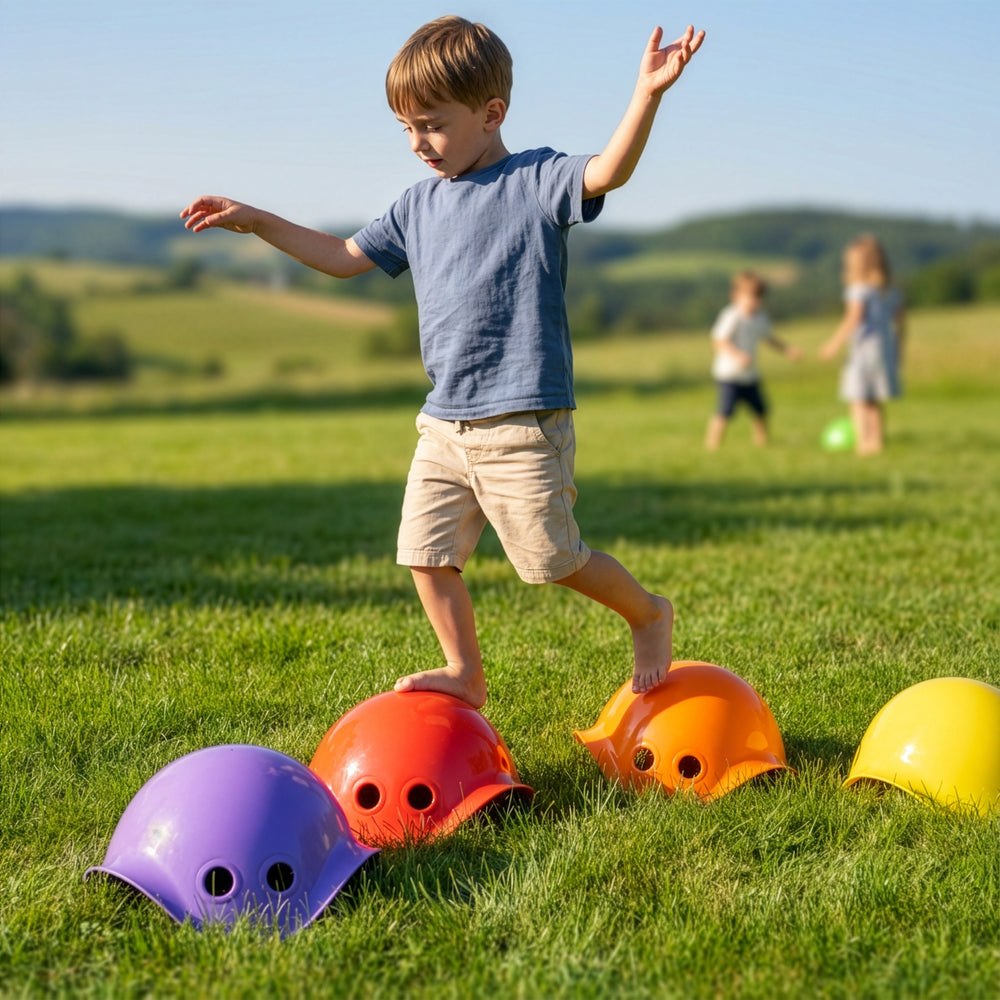
That is worth saying because the object itself absolutely looks like it might invite backyard experiments from the Department of Bad Ideas. It can go near sand, snow, shallow water, and outdoor play, but it still needs adult supervision and a basic relationship with common sense. The shell can also become brittle if left outdoors for extended periods, so it is not a “buy once, abandon in the yard forever” situation.
Used properly, though, it is refreshingly simple. There are no assembly steps, no charging cable, no firmware update, no proprietary companion app named something like PlaySphere+ that asks for your toddler’s shoe size and a billing address. It is just a tough curved shell that rewards movement and imagination.
The design pedigree is also unusually strong for an object that may spend part of its life full of sandbox grit. MOLUK says Bilibo was conceived by Swiss designer Alex Hochstrasser around 2000 and launched in 2001. The company lists museum recognition, including MoMA New York, and awards such as the Swiss Federal Design Award, U.S. Toy of the Year, and Germany’s spiel gut seal.
That makes it a rare children’s toy that can reasonably be described as both “museum-recognized design object” and “thing your kid may wear on their head while yelling about being a turtle.” Somewhere, a curator and a preschool teacher are nodding at the same plastic bowl for very different reasons.

Who This Weird Little Shell Makes Sense For
Bilibo is best for families who want fewer single-purpose toys and more objects that can survive repeated reinvention. It makes the most sense for toddlers and preschoolers who love movement, sensory play, pretend play, and turning the floor into an unlicensed gymnasium. It can also work nicely in playrooms, classrooms, therapy spaces, and homes where “please stop jumping off the couch” has become less of a sentence and more of a weather pattern.
It is probably not the right pick if you want a toy that tells the child exactly what to do, stores neatly in a tiny drawer, or guarantees quiet independent play while you answer emails. Bilibo is quiet in the electronic sense, not necessarily in the “my child has become calm and desk-like” sense. It may reduce screen time, but it will not reduce your child’s desire to demonstrate a new move called “Egg Tornado.”
Here are the grown-up details before anyone in the house starts calling it the family UFO:
- Product: MOLUK Bilibo classic open-ended play shell.
- Use: spinning, rocking, balancing, scooping, pretend play, and sensory play.
- Age: listed for children ages 2 and up.
- Material: food-grade HD-PE plastic, recyclable, BPA-free, and phthalate-free.
- Size: about 39 cm diameter and 21 cm high.
- Care: wash with water and mild soap.
- Current source: Amazon listing for the blue Bilibo, with the price listed at $44.40.
You can get the MOLUK Bilibo through Amazon, where the selected blue classic listing was priced at $44.40. That is a decent chunk of money for something that looks like a smiling salad bowl, but it is also the kind of open-ended toy that can outlast multiple novelty gadgets, several plastic playsets with missing doors, and at least one parenting phase where everyone thought a talking educational cube was going to save the afternoon.
| Pros | Cons |
|---|---|
| Open-ended design supports many play styles. | Adults may need a minute to understand why it is fun. |
| No batteries, screens, sounds, or app setup. | Active play still needs supervision and safe surfaces. |
| Durable HD-PE shell works indoors and outdoors. | It takes more space than a small toy-bin item. |
| Can be a seat, spinner, scoop, helmet, container, or prop. | Not intended as a water float, sled, or swing. |
| Easy to clean with soap and water. | Leaving it outside long-term can damage the shell. |
| Recognized design with several awards behind it. | The price may feel high for such a simple-looking object. |
Where to find This Open-Ended Spinning Shell Toy Lets Kids Rock, Scoop, and Pretend
OddityMall may earn a commission from qualifying purchases at no extra cost to you.