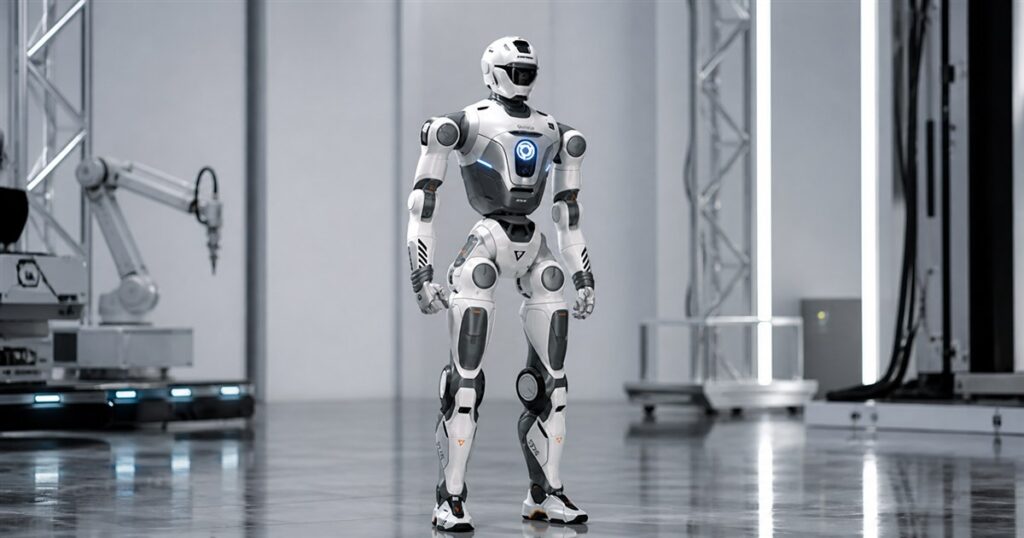
There is a very specific moment in modern life when you realize the future has stopped asking politely. It is not when your refrigerator wants a firmware update, or when your car judges your lane discipline. It is when a 5-foot-8 humanoid robot starts throwing kicks with the casual confidence of someone who has never once pulled a hamstring.
That is the general neighborhood occupied by the EngineAI T800, a full-size humanoid robot built as a high-performance platform for research, development, demonstrations, and other scenarios where a wheeled kiosk simply does not have enough main-character energy. EngineAI describes the T800 as a general-purpose robot that combines peak performance, omnidirectional awareness, and long-endurance operation, which is the sort of product sentence that sounds like it was written by the committee responsible for giving the future shoulders.
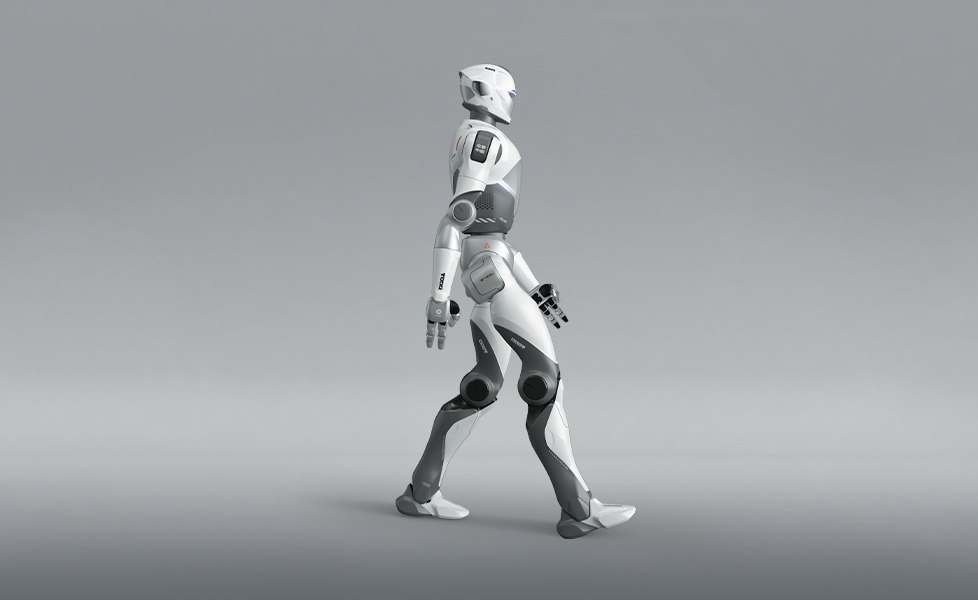
The T800 stands 173 cm tall, or roughly human height, and weighs between 75 kg and 85 kg depending on the edition. That means it is not a desk toy, not a novelty companion, and not one of those tiny robots that rolls around like a nervous humidifier. This is a humanoid machine that looks like it should be checked in at an athletic commission weigh-in before being allowed near your garage.
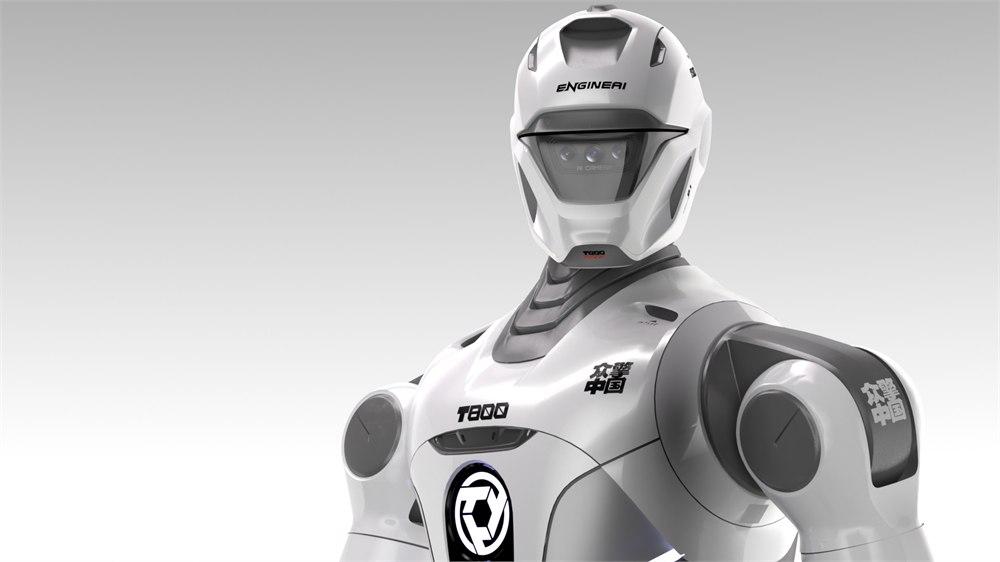
EngineAI’s official materials show a white and gray hard-shell body with a helmet-like head, dark visor-style camera area, illuminated chest element, articulated limbs, and enough joint hardware to make your knees feel personally underfunded. The company positions it for applications like logistics warehouses, hotel services, sales assistance, and human-robot collaboration, though the part everybody will immediately remember is that it can demonstrate punches, flying kicks, taunts, roundhouse kicks, and other movements that make office printers look even more emotionally lazy.
A Humanoid Robot Built For More Than Awkward Waving
The T800 is interesting because it is trying to be a serious development platform and a dramatic physical object at the same time. A lot of humanoid robots are shown walking carefully across a lab floor with the energy of someone carrying soup. The T800’s product page leans much harder into athletic motion, high-torque joints, active cooling, and full-body coordination.
Related posts:



Depending on the configuration, EngineAI lists up to 32 body degrees of freedom plus 14 more from dexterous hands on the Max Edition. The Pro Edition is listed with 29 body degrees of freedom plus 14 from dexterous hands, while the Basic and Open Source editions are listed with 25 total degrees of freedom and no dexterous-hand DOF. In plain household language, the fancier versions have more ways to move, grab, balance, and make you feel like your own elbows are running trial software.
Some of the practical highlights include:
- A 173 cm humanoid frame sized for human-scale environments.
- Up to 450 N-m of joint torque listed in the official specifications.
- Quick-release smart battery architecture, with solid-state battery options noted by EngineAI.
- Four to five hours of listed battery life per charge, depending on configuration and use.
- Communication support including Wi-Fi, Bluetooth, USB, and LAN.
- Built-in microphone, loudspeaker, lighting, and handheld remote control.
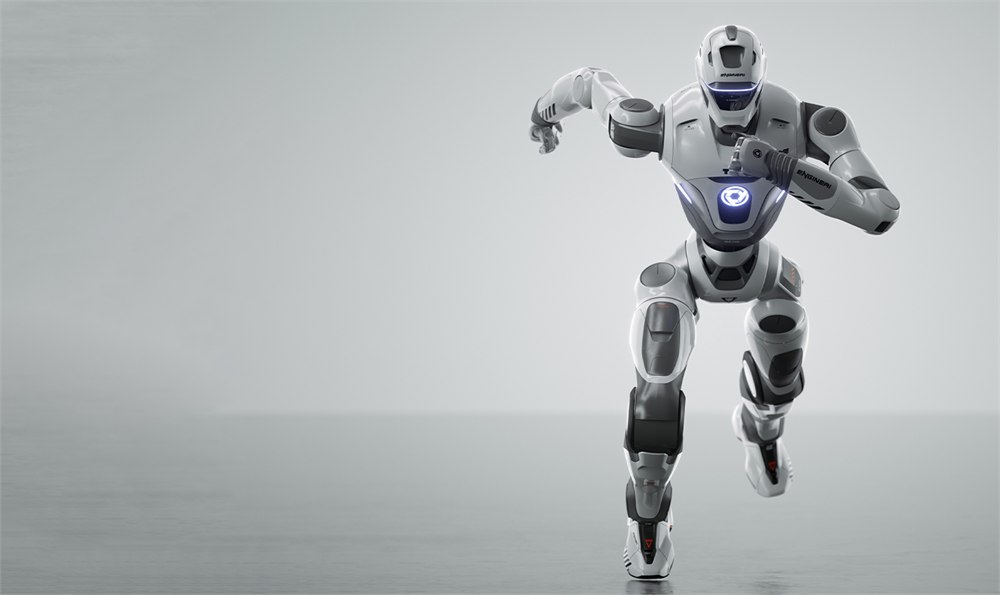
The thing that makes the T800 feel especially OddityMall-worthy is the collision between practical robotics language and absolutely unserious mental imagery. Yes, a humanoid robot can theoretically help in a warehouse or reception area. Also yes, this one has official demo sections called Combination punch and Flying Kick, which makes every workplace safety meeting within a five-mile radius sit up straighter.
| Edition | Listed price | Movement and compute notes |
|---|---|---|
| Basic Edition | $40,500 | 25 total DOF, Intel module with optional RK3588, Orin NX 16G AI PC. |
| Open Source Edition | $54,000 | 25 total DOF, secondary development support, AGX Orin 64G listed. |
| Pro Edition | $63,000 | 29 body DOF plus 14 dexterous-hand DOF, AGX Orin 64G listed. |
| Max Edition | $80,800 | 32 body DOF plus 14 dexterous-hand DOF, enhanced chest and back design. |
The Robot Has A Resume, And Unfortunately It Can Kick
EngineAI lists the T800 with an anthropomorphic motion design, high-degree-of-freedom joints, and the ability to transition between complex actions. The company also lists a hardware-supported movement speed of at least 3 m/s, which is a wonderfully alarming number when attached to something with shoulders.
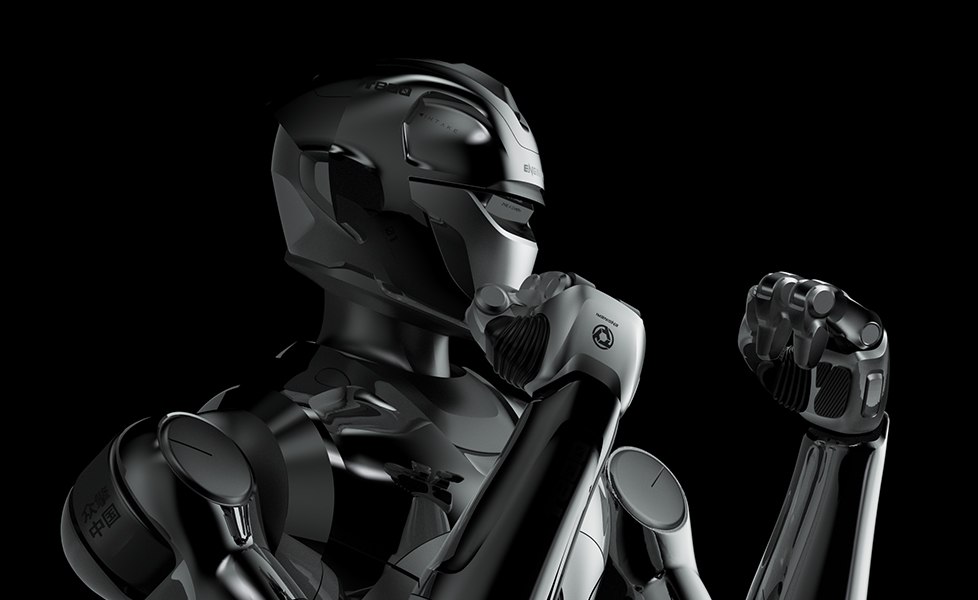
The official page also calls out a multi-modal perception system. In the Open Source, Pro, and Max editions, EngineAI describes a proprietary system that combines stereoscopic vision and LiDAR, with an open visual hardware interface compatible with Intel and others. The Basic Edition lists an Intel depth camera. That perception hardware is paired with the robot’s whole-body motion system so it can operate around real spaces instead of just standing in a lab looking expensive.
The frame uses aviation-grade aluminum alloy panels, according to EngineAI, with a streamlined design intended to combine lightweight construction and impact resistance. The leg joint active cooling system is another major detail, because the T800 is built for sustained high-performance movement rather than a single demo followed by a dramatic collapse into a charging dock.

The dexterous-hand versions are where the machine gets even more unsettlingly capable. EngineAI lists 7 degrees of freedom per hand, tactile sensing, and a 5 kg payload capacity for the multi-modal dexterous hand. That is the sort of hand spec that starts as a warehouse feature and ends with everyone hiding the good scissors.
Where A Human-Scale Robot Actually Fits
The obvious joke is robot fighting, and current coverage around humanoid robot competitions has definitely helped the T800 escape the quiet corner of robotics spec sheets. But the more practical pitch is that a human-shaped robot can potentially work in spaces already designed around humans: aisles, counters, doorways, tools, shelves, and awkwardly placed hotel lobby furniture that no robot asked for.
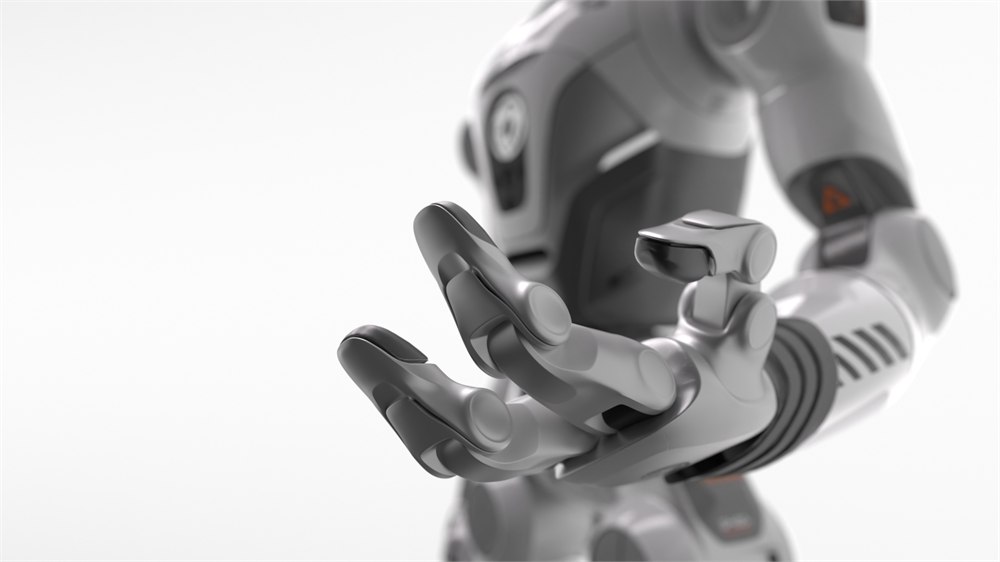
That does not make it a casual consumer purchase. This is a development and commercial robotics platform, not a birthday gift unless your family has both a laboratory and a very complicated inheritance situation. But it is exactly the kind of product that shows where humanoid robots are moving: out of distant research videos and into purchasable, configurable machines with published prices, battery specs, compute options, and use-case pages.
EngineAI’s listed application scenes include logistics warehouses, hotel services, sales associate work, and human-robot collaboration. Whether those uses become normal soon or remain mostly demonstration territory, the T800 at least gives the robot an unmistakable physical language. It looks built to move, not just to blink politely while a presenter says “future of work” seventeen times.
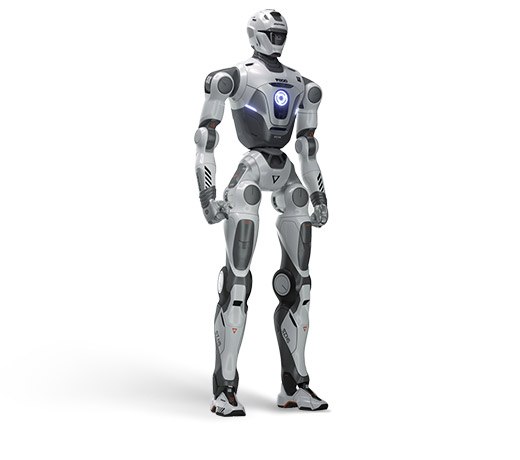
For the part where your accounting department begins quietly breathing into a paper bag, EngineAI lists the T800 at $40,500 for the Basic Edition, $54,000 for the Open Source Edition, $63,000 for the Pro Edition, and $80,800 for the Max Edition. Availability and configuration details are handled through EngineAI’s product and purchase channels.
Key product details:
- Full-size humanoid robot platform from EngineAI.
- 173 cm tall and listed at roughly 75 kg to 85 kg depending on edition.
- Official versions include Basic, Open Source, Pro, and Max editions.
- Listed battery life is 4 to 5 hours per charge.
- Maximum listed joint torque is 450 N-m.
- Higher editions add dexterous hands with tactile sensing and 7 DOF per hand.
- Designed for research, development, demonstrations, and human-scale commercial scenarios.
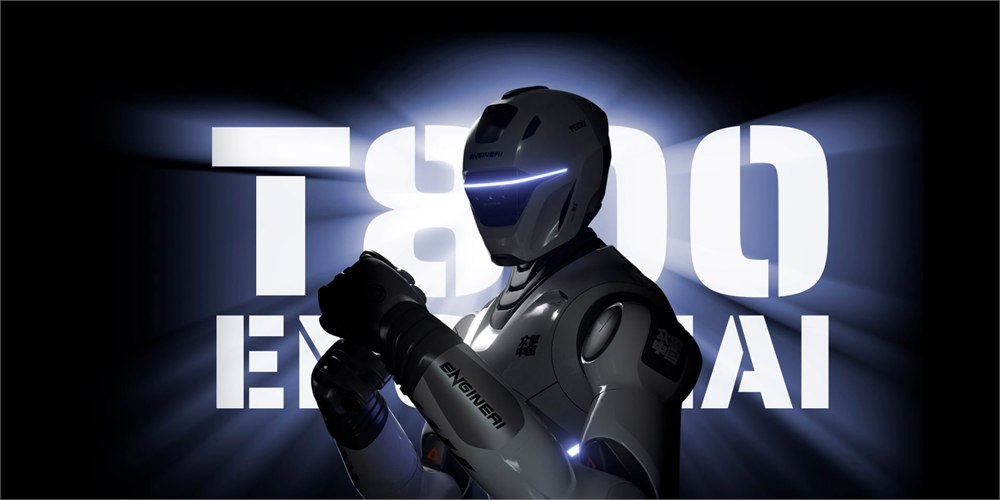
The EngineAI T800 is available through EngineAI, with purchase inquiries handled by the company. It is expensive, specialized, and wildly overqualified for opening the pantry, but as a glimpse of where humanoid robots are headed, it is hard to ignore. It is not every day a product page makes a hotel service robot sound like it has been training after hours.
| Pros | Cons |
|---|---|
| Human-scale 173 cm frame works with spaces built around people. | Pricing starts at $40,500, so this is not a normal home gadget. |
| Multiple editions let buyers choose development and dexterous-hand options. | Advanced configurations climb to $80,800. |
| Official specs list up to 450 N-m of joint torque. | Real-world usefulness depends heavily on software, environment, and integration. |
| Listed 4 to 5 hour battery life supports longer demonstrations or tasks. | Large humanoid robots still require serious safety planning. |
| Distinctive shell design makes it instantly recognizable. | Not intended as a casual consumer robot. |
| Perception, compute, audio, lighting, and remote-control features are built in. | Exact configuration details matter before purchase. |
Where to find This Full-Size Humanoid Robot Can Throw Punches and Flying Kicks
OddityMall may earn a commission from qualifying purchases at no extra cost to you.