Most home appliances are quiet little freeloaders. The toaster wants electricity, the dryer wants electricity, the water heater wants a shocking amount of electricity, and none of them have ever once offered to Venmo you for the trouble.
The Superheat H1C is trying to make that arrangement feel embarrassingly outdated. It is a smart electric water heater built around a wonderfully strange idea: let high-performance Bitcoin computing use the electricity first, capture the heat that computing naturally creates, and use that heat to warm household water.
In less technical household terms, it is a water heater that looked at your utility room and said, what if I also had a side hustle?
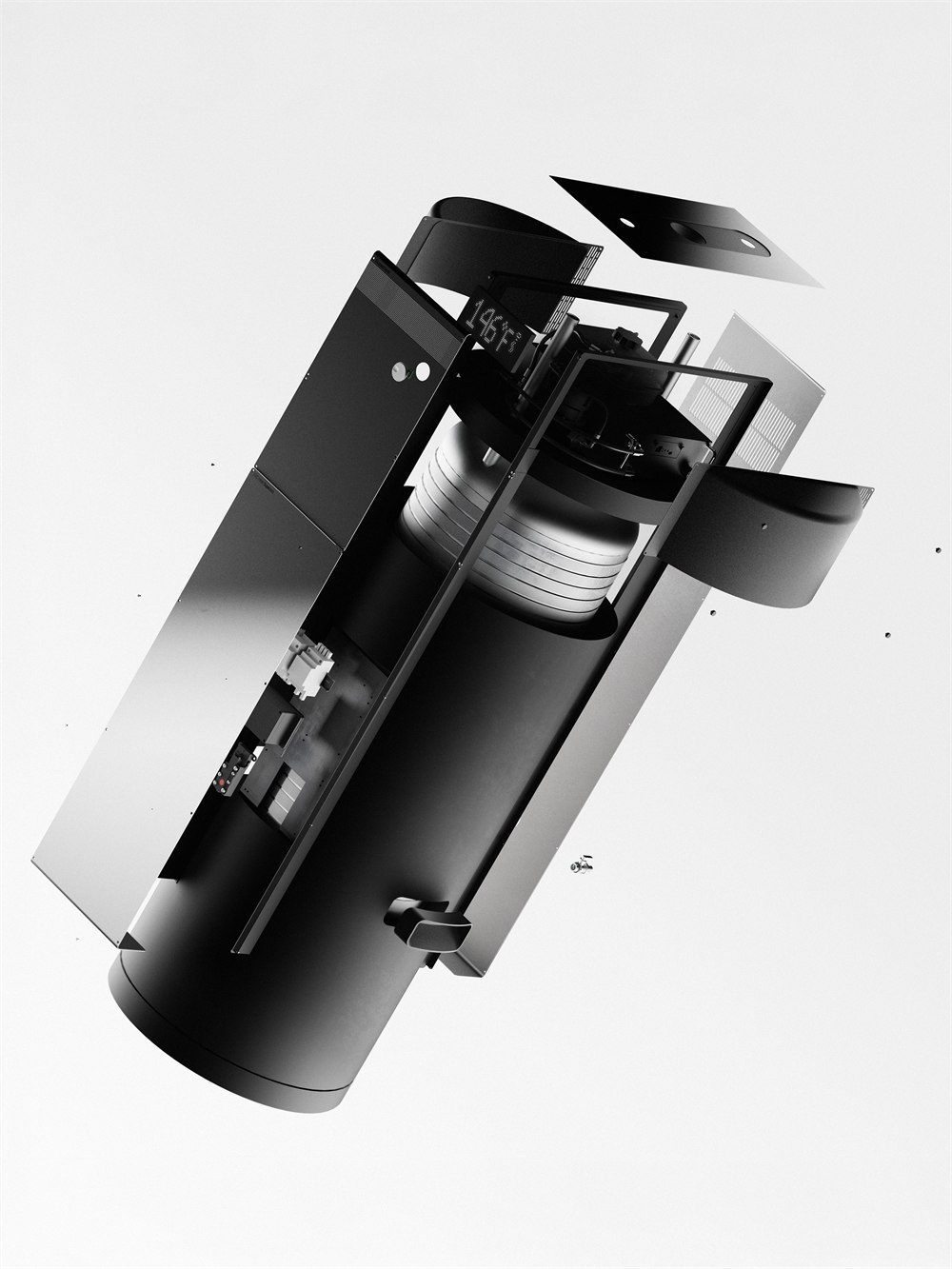
The company describes the H1C as the world’s first computing-powered water heater, and the pitch is not simply that someone wedged a miner next to a tank and called it innovation. The more interesting part is the thermal design. Superheat says the system captures more than 99% of the computational heat and puts it toward household hot water, turning the byproduct that usually makes data equipment sweaty and unpleasant into the whole point of the appliance.
That is the kind of appliance logic that feels like it escaped from a very expensive engineering napkin. A normal electric water heater turns power into heat and stops there. The H1C wants the same basic end result, hot water for showers, dishes, and the mysterious third load of laundry nobody admits to creating, while also producing Bitcoin rewards in the background.
Related posts:
 Handy Heater: A Mini Portable Heater That Attaches To Any Outlet
 This Kerosene Face Heater Will Keep Your Face Nice and Toasty During Your Outdoor Adventures
 There’s a Portable Propane-Heated Hot Tub That Can Be Set Up Practically Anywhere
 This Solar Tube Brings Natural Sunlight Into Dark Rooms Using No Electricity
A Water Heater With A Compute Habit
Superheat says the H1C was designed first as a premium home appliance, which is important because nobody wants a boiler room that sounds like a server rack having a panic attack. The company lists whisper-quiet operation measured at 38.4 dB(A) during water heating, which it compares to a quiet library. That is a good benchmark, because a library is one of the few places where both plumbing and cryptocurrency are generally discouraged from making sudden noises.
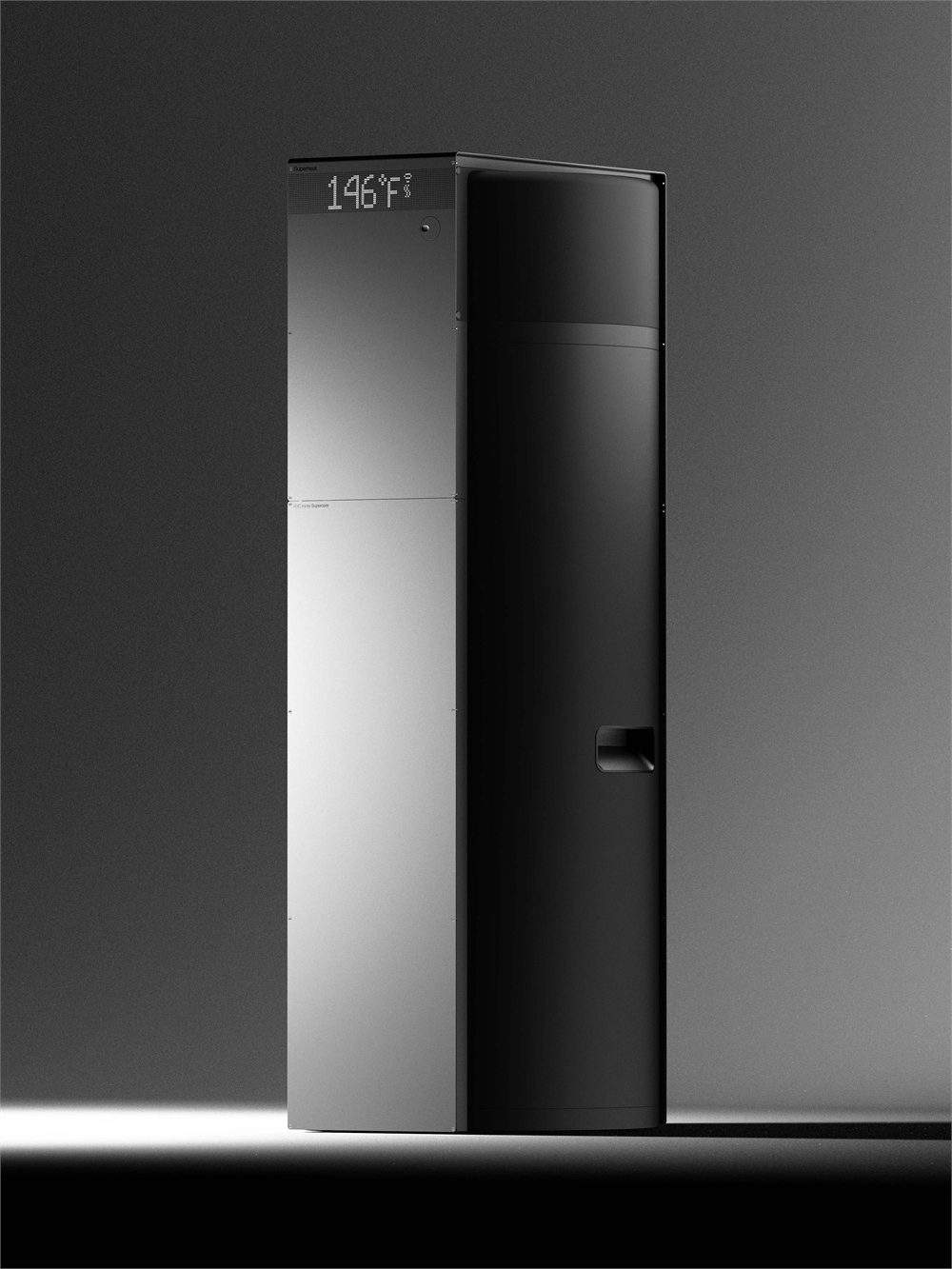
The official product page also frames the H1C as a smart-home system rather than a bare utility appliance. Owners can monitor water temperature, energy use, system performance, and Bitcoin generation through the Superheat app, while larger property owners can use a web console to manage multiple units. That means the appliance has one foot in the basement and one foot in the dashboard economy, which is very modern and faintly threatening to anyone who still has a water heater with a sticker from 2009.
For homeowners, the appeal is obvious enough: if you already need hot water, and if computing heat can be captured efficiently, then the electricity may be able to do two useful jobs instead of one. For hotels, apartments, and commercial properties, Superheat is pitching the same idea at scale, where frequent hot-water demand could make the heat-reuse concept more interesting.
The main things Superheat is emphasizing are:
- Computational heat is captured and redirected for household hot water.
- The H1C is built around ASIC Bitcoin computing hardware and liquid-cooling style thermal management.
- The system is designed for residential electrical and plumbing installation.
- The mobile app tracks water temperature, energy use, system performance, and Bitcoin generation.
- The web console is meant for property managers or commercial users with multiple units.
- The appliance keeps hot-water use familiar, so the weird part happens behind the panel.
That last part matters. The best version of this idea is not a science project that requires you to explain mining difficulty to a plumber while both of you stare into a utility closet. It is an appliance that heats water normally enough that the household does not have to become a tiny infrastructure startup.
What The H1C Claims To Do
Superheat’s public materials give a mix of practical appliance specs and bigger economic claims. As with anything tied to Bitcoin rewards, the actual return depends on market conditions, electricity costs, hot-water use, and whatever the broader crypto universe is doing while you are trying to take a shower like a normal citizen.
| Detail | What Superheat Lists |
|---|---|
| Product type | Computing-powered smart electric water heater |
| Core mechanism | ASIC computing produces heat that is captured for hot water |
| Heat capture claim | More than 99% of computational heat redirected to household water |
| Recovery rate shown | 24 gallons per hour |
| Energy consumption shown | 3.3 kW |
| Noise test claim | 38.4 dB(A) during water heating |
| Listed lifespan | 10 years |
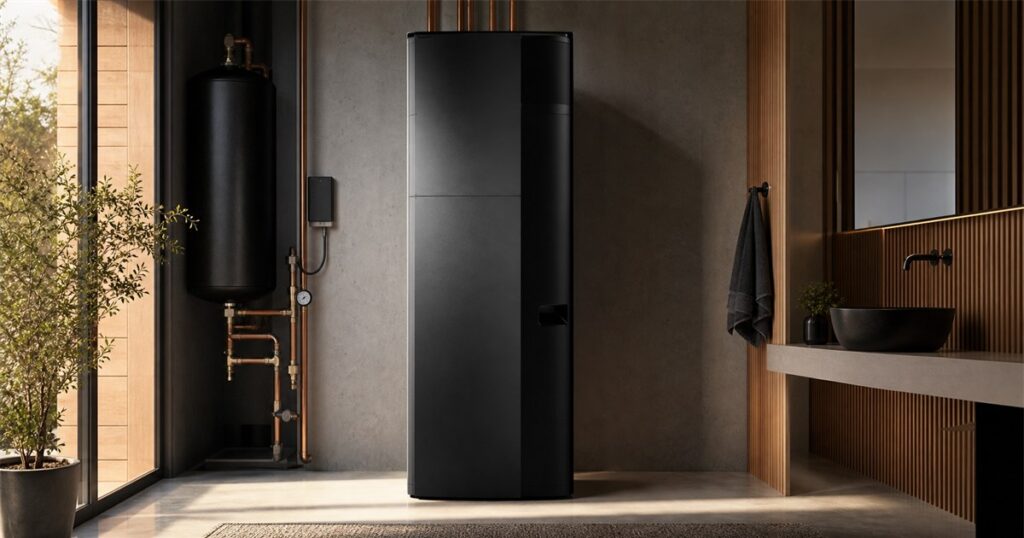
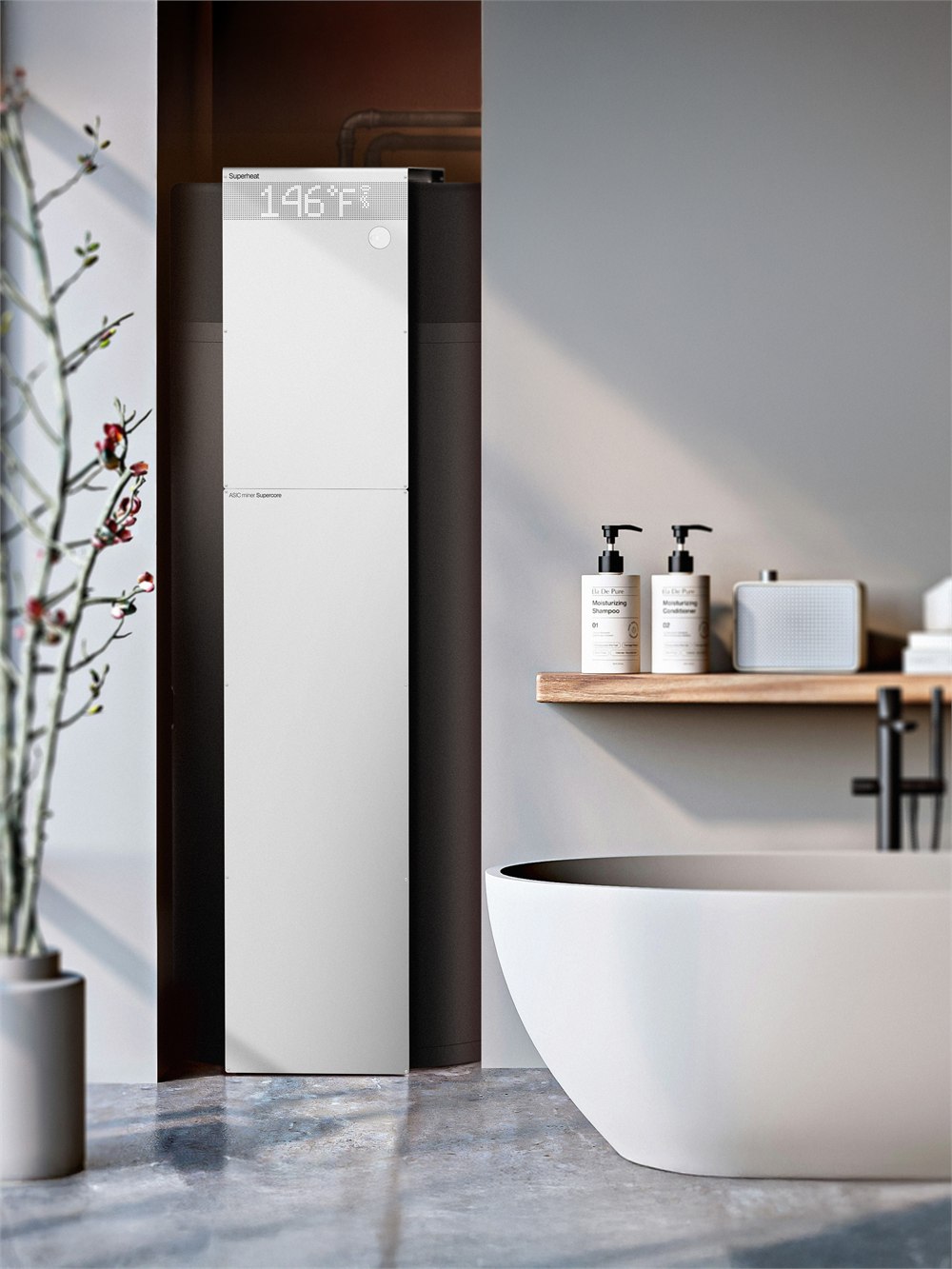
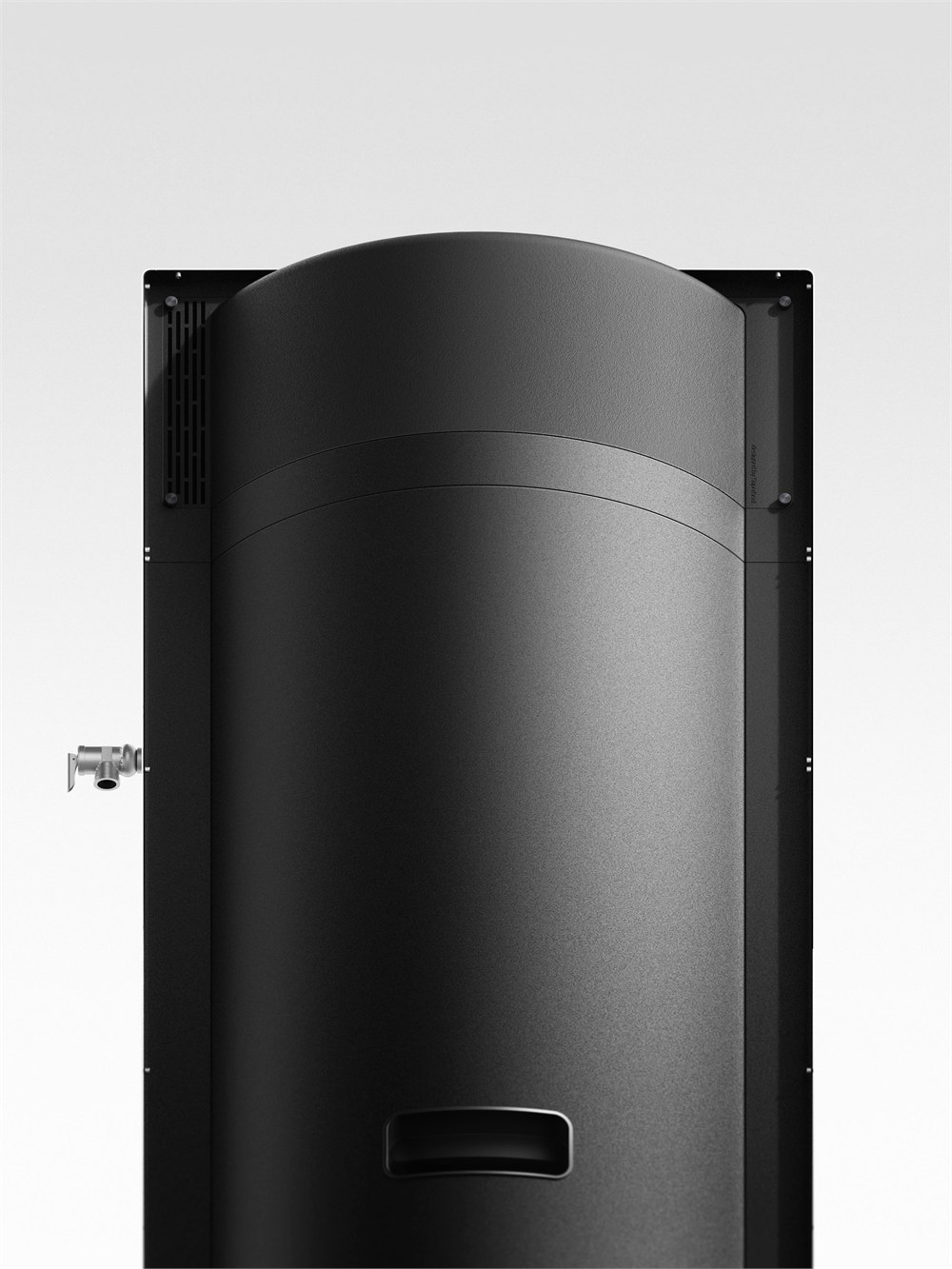
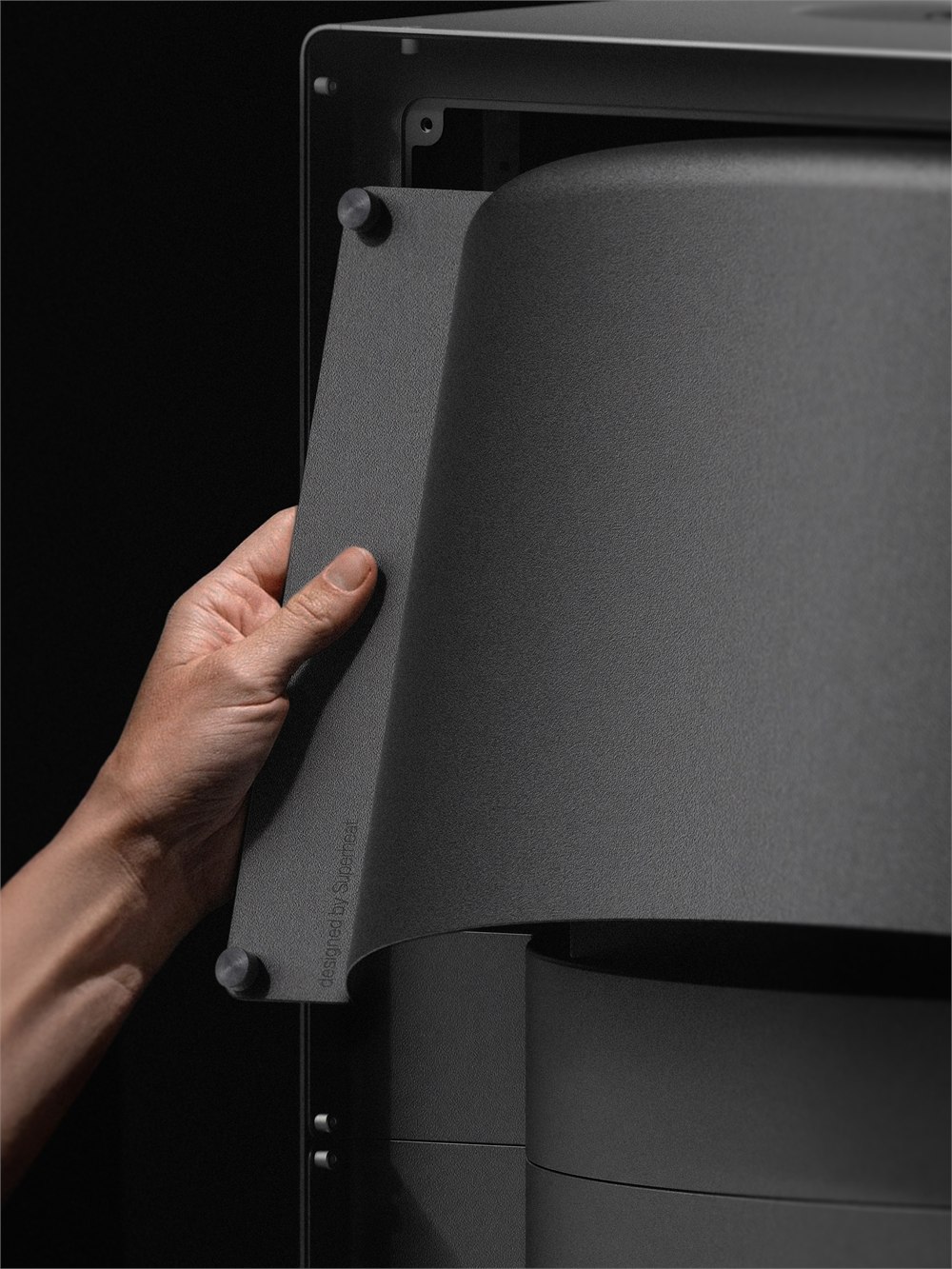
The H1C is also visually unusual in a way that helps its case. It does not look like someone built a water heater in a hurry while losing a bet at a hardware store. The official imagery shows a tall black appliance with a sleek front, a modern panel shape, and a more refined look than the average basement cylinder. It is still a water heater, but it has the posture of a product that knows it might be photographed next to expensive towels.
There are also practical limits worth keeping in mind. This is not a magic box that makes electricity free, and the company is careful in several places to describe earnings as estimates. Bitcoin rewards can vary, local power rates can vary, and real household economics are rarely as tidy as a product page calculator. If your utility bills already read like ransom notes, the H1C is at least asking a genuinely interesting question about whether wasted heat should be treated as waste at all.
That question is where the product gets its OddityMall charm. It is not just another smart appliance with an app because every modern object apparently needs to send notifications. It is a rethink of the electric water heater as a small thermal worker: compute first, heat second, hot shower third, quiet existential confusion fourth.
The App Makes The Basement Less Mysterious
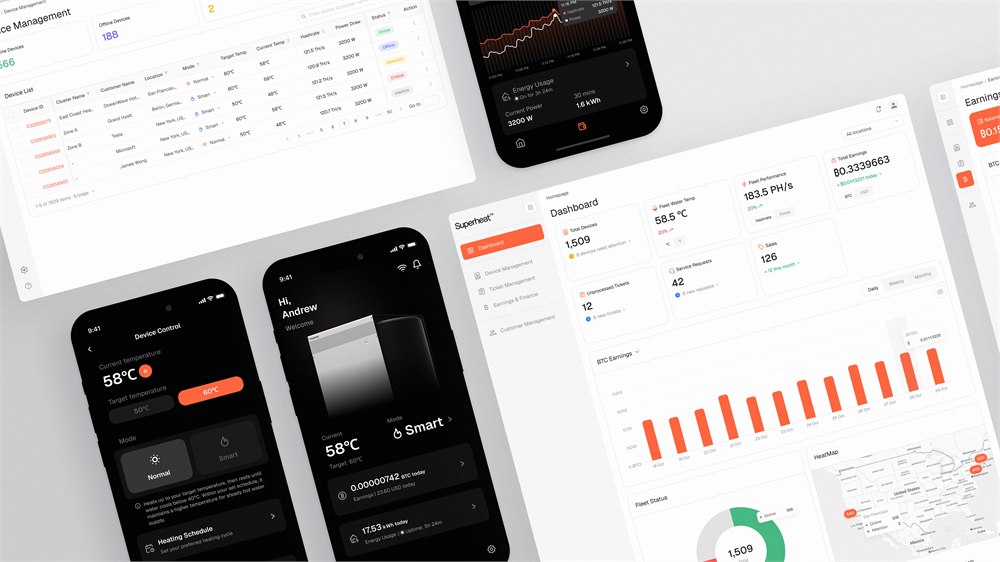
The app side of the system is not the strangest part, but it may be what makes the strangest part livable. Superheat says homeowners can watch water temperature, energy usage, system health, and Bitcoin production in real time. That is helpful if you are the kind of person who wants your water heater to provide metrics, or if you simply enjoy opening an app and learning that your shower has developed a financial subplot.
For commercial users, the web console is described as a fleet management tool. Apartment buildings, hotels, and other properties with steady hot-water demand could potentially make better use of a system like this because demand is more predictable and scale changes the math. Whether that works out in the real world depends on installation, maintenance, electricity pricing, and reward conditions, but the use case is easy to understand: large buildings already need lots of hot water, and lots of hot water means lots of thermal energy moving around.
Superheat also says installation and maintenance are meant to be similar to a standard water heater, with certified technicians handling setup. That is a smart line to draw, because the average homeowner’s interest in Bitcoin mining may be high until the exact second pipe fittings enter the conversation.
Why This Is Weirdly Sensible
The H1C sounds ridiculous until you remember that nearly every computer already creates heat. Data centers spend enormous effort moving that heat away from equipment. Home heating systems spend enormous effort creating heat on purpose. Somewhere between those two facts is a little engineering goblet of forbidden common sense: if a machine is going to make heat anyway, maybe put that heat somewhere useful.
Superheat is not the first group to think about heat reuse from computing, but it is packaging the idea as a consumer appliance with polished industrial design, smart controls, and a preorder path. That makes the concept easier to picture in an actual home, where the important question is not whether the idea is clever in a lab, but whether it can behave like a reliable appliance when someone needs a hot shower before work.
Here are the key product details to know:
- Product: Superheat H1C Bitcoin-mining smart water heater.
- Purpose: heats household water while generating Bitcoin through integrated computing.
- Heat reuse: Superheat says more than 99% of computational heat is captured for hot water.
- Controls: mobile app for homeowners and web console for multi-unit management.
- Noise claim: 38.4 dB(A) during water heating in Superheat’s lab test.
- Availability: Founding Batch preorders are open through Superheat.
- Timing: estimated delivery begins in Q4 2026 for founding customers.
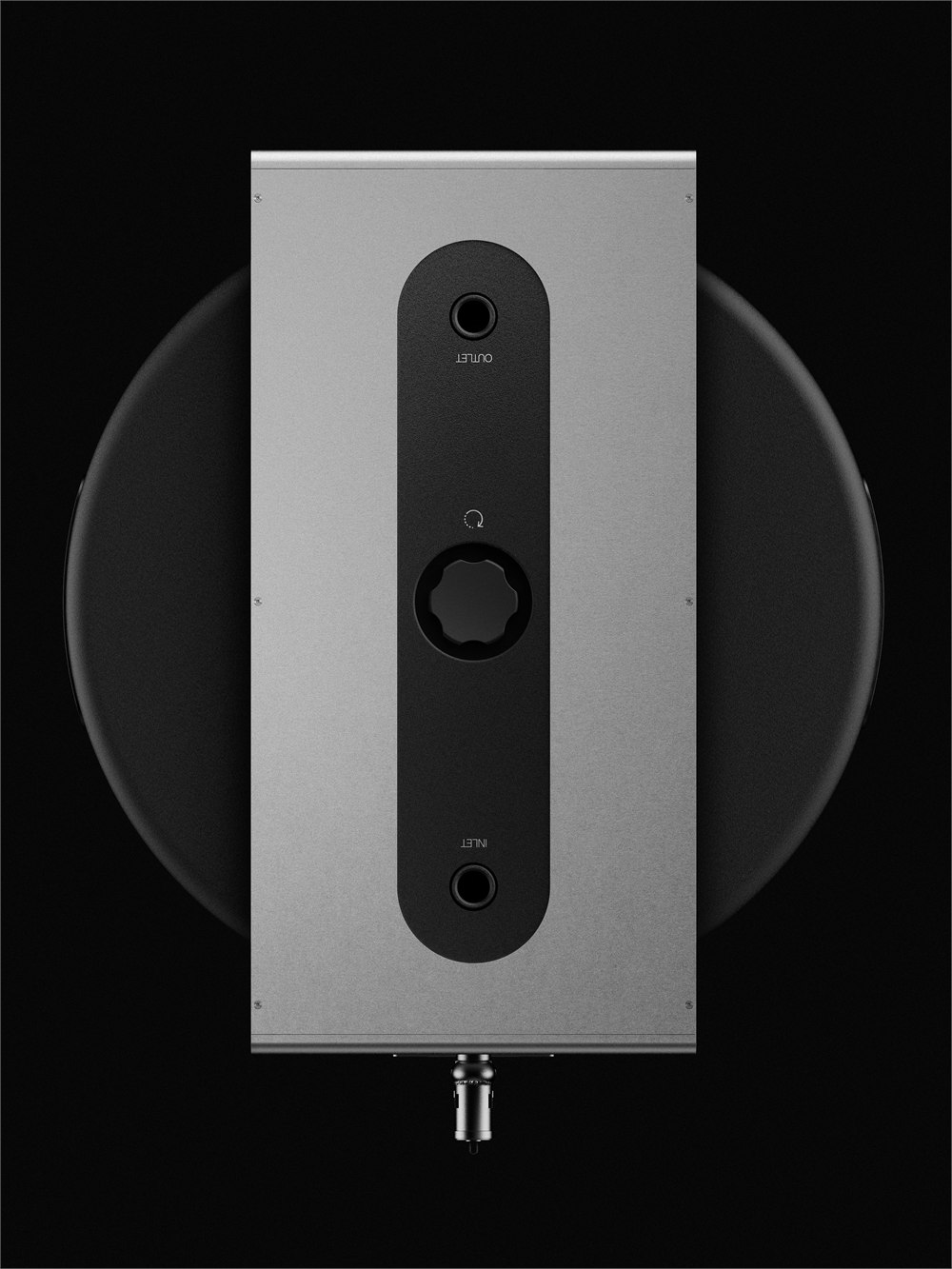
The Superheat H1C Founding Batch is listed at $2,999, with a fully credited $199 reservation for priority production allocation. It is available for preorder from Superheat, with estimated delivery beginning in Q4 2026. The company also notes that savings and Bitcoin earnings are estimates, so treat the financial upside as a variable benefit rather than a guaranteed tiny money fountain attached to your plumbing.
Still, as home appliances go, this one has a fantastic elevator pitch. It heats water, it tries to offset part of the cost, it looks far more sophisticated than the tired metal cylinder lurking in many utility rooms, and it gives your bathroom routine the faint aura of a fintech experiment that somehow learned to respect plumbing codes.
| Pros | Cons |
|---|---|
| Turns computational waste heat into useful household hot water | Actual Bitcoin rewards depend on market and electricity conditions |
| Designed as a polished residential appliance, not a bare mining rig | Preorder product with estimated Q4 2026 delivery timing |
| App monitoring covers temperature, energy use, performance, and rewards | More complex than a conventional electric water heater |
| Quiet-operation claim makes the concept more home-friendly | Installation details still matter for each property |
| Could be especially interesting for buildings with steady hot-water demand | Financial upside should be treated as estimated, not guaranteed |
| Premium industrial design looks unusually refined for a utility appliance | Not a fit for buyers who want the simplest possible water heater |
Where to find This Bitcoin-Mining Water Heater Uses Computing Heat For Hot Water
OddityMall may earn a commission from qualifying purchases at no extra cost to you.
Related posts:
Handy Heater: A Mini Portable Heater That Attaches To Any Outlet
This Kerosene Face Heater Will Keep Your Face Nice and Toasty During Your Outdoor Adventures
There’s a Portable Propane-Heated Hot Tub That Can Be Set Up Practically Anywhere
This Solar Tube Brings Natural Sunlight Into Dark Rooms Using No Electricity