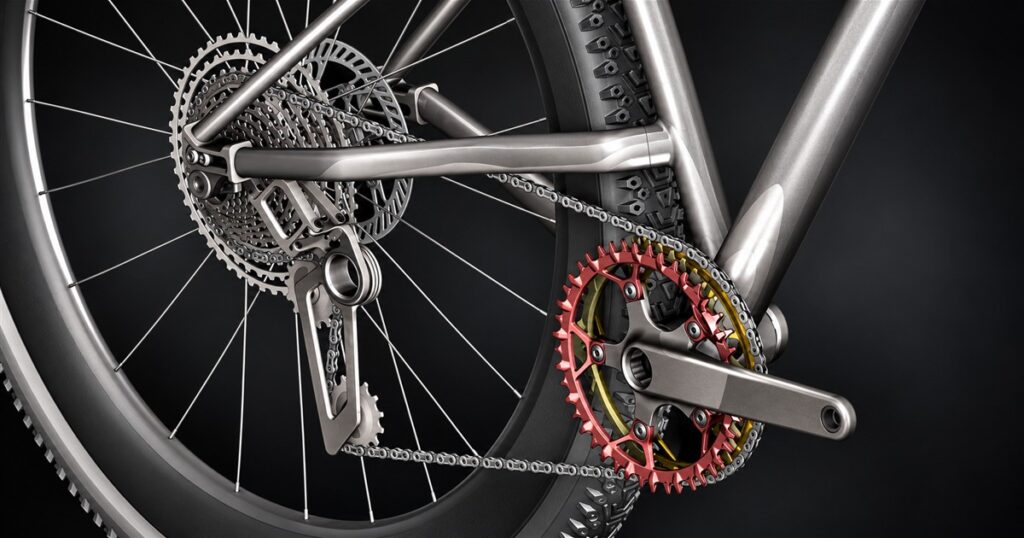
Bicycle people will spend an entire Saturday debating whether their chain is traveling at a slightly upsetting angle. The rest of us simply hear a crunch, apologize to the bicycle, and change gears. Marginal Gain has taken the first approach considerably further with Orient, a self-aligning bicycle crankset that moves the chain between two front chainrings without asking your thumb for permission.
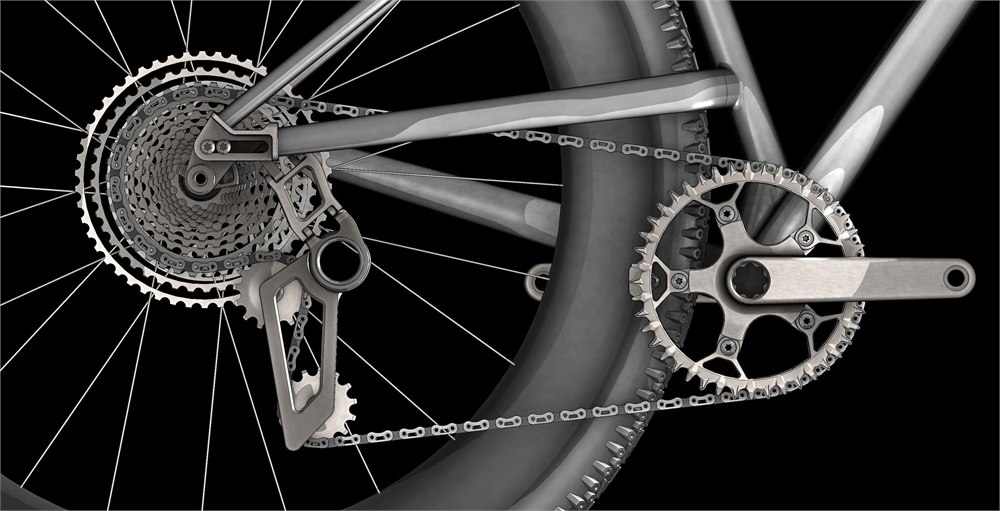
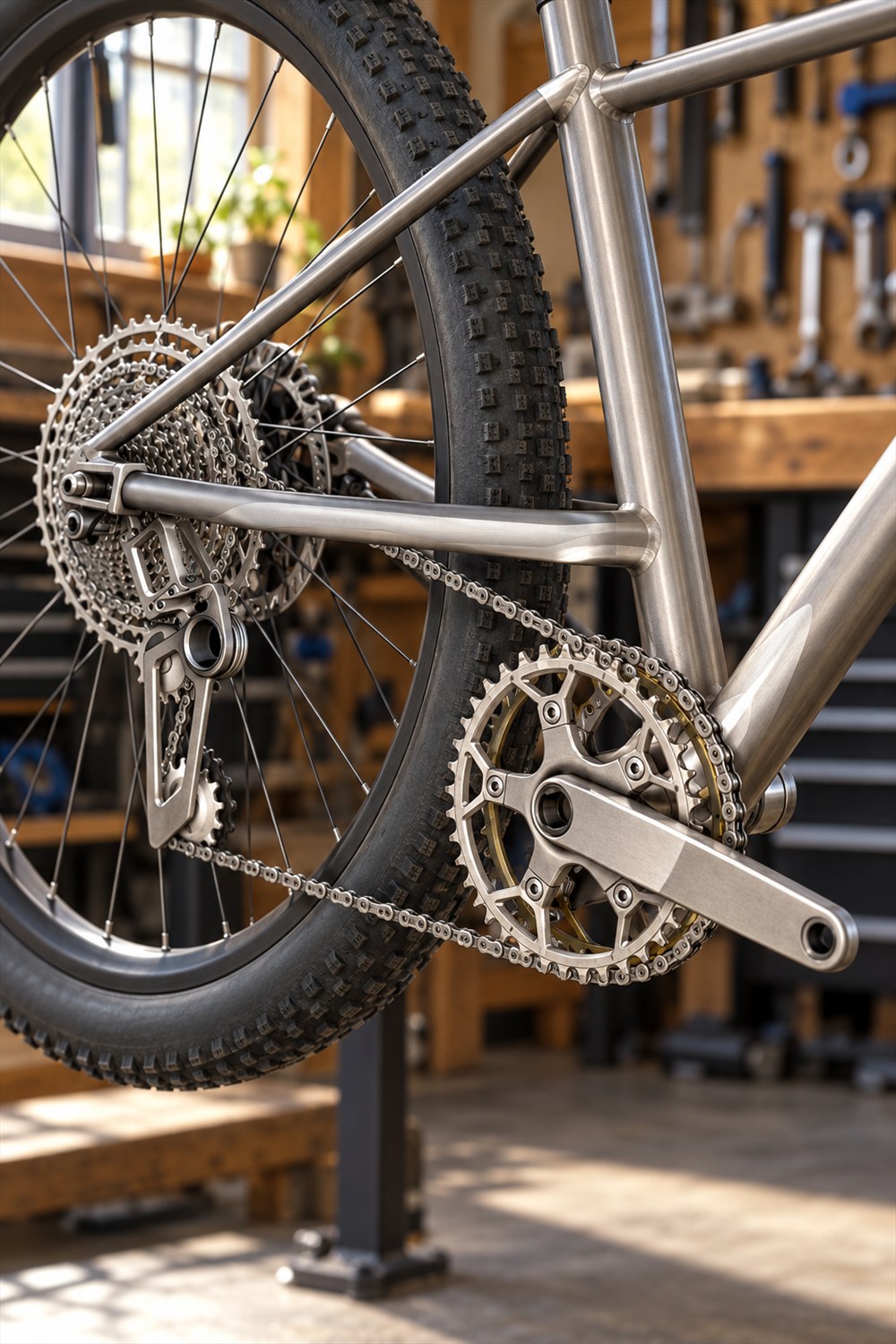
Here is the delightful mechanical twist: those two rings have the same tooth count. They are not there to provide a big gear and a little gear. They give the chain two different paths toward the rear cassette, allowing it to follow a straighter route as you shift. Two rings, one front ratio, and absolutely no need to explain your front-shifting strategy to a skeptical riding buddy.
The project comes from Marginal Gain, founded by cyclist and inventor Andre Szucs, with Blackwater Bicycles collaborating on a compatible titanium frame. It is an emerging drivetrain design, not a universally compatible upgrade you can bolt onto whatever is leaning against your garage wall. That distinction matters almost as much as remembering where you put the tire pump.
Two chainrings doing one unusually specific job
A conventional single-chainring setup keeps the front of the drivetrain simple. You shift at the rear, and the chain angles sideways to reach different cassette cogs. Move toward either end of a broad cassette and that sideways angle becomes more pronounced. Orient aims to reduce that angle by giving the chain an inner and an outer starting position at the crankset.
Use the smaller outer cassette cogs and the chain runs on the outer front ring. Shift toward the larger inner cogs and its lateral movement triggers a transfer onto the inner ring. Reverse your rear shifts and the chain heads back outward. The front assembly responds mechanically to what the chain is already doing, like an extremely specialized traffic officer who only works in circles.


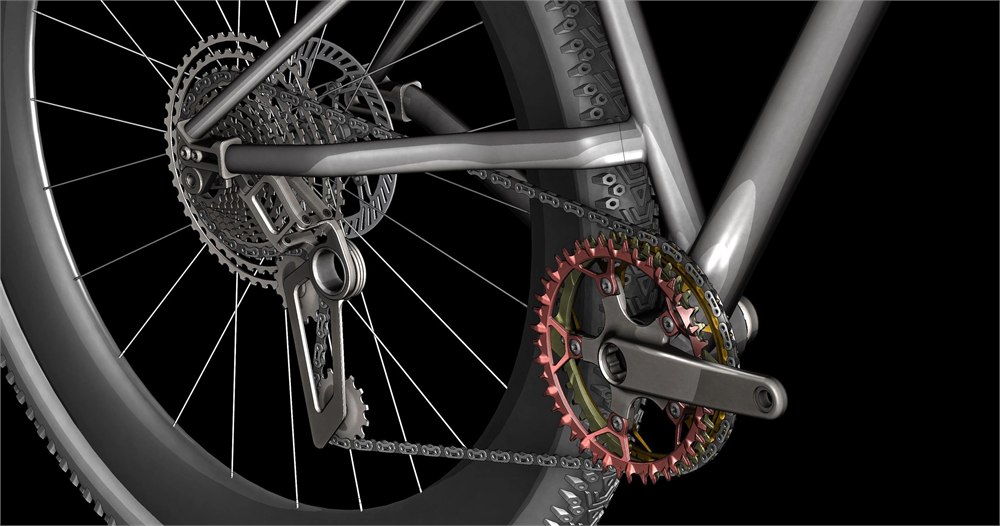
There is no conventional front derailleur pushing the chain across, and the self-aligning front mechanism does not require a battery or electronic controller. That does not mean every possible bicycle built around it is entirely battery-free; the maker also discusses future rear-derailleur configurations with batteries. The clever part here is specifically the mechanical movement between the front rings.
Because both rings have the same number of teeth, moving between them does not add another front gear ratio. Rear shifting still determines the gear you select. Think of it as moving the starting lane of the chain rather than adding another set of gears. It remains a 1x-style riding arrangement despite looking, at first glance, like someone has smuggled a second chainring into the meeting.
The chain drop gets a surprisingly good reference
Most cyclists regard a dropped chain as an invitation to get grease on their fingers at the least convenient moment. Orient deliberately uses controlled movement between rings as part of its operation. The geometry makes that transfer useful instead of treating every sideways departure as a tiny roadside emergency. It is an entertaining reversal of a very familiar bicycle problem.
Marginal Gain says the design should reduce lateral friction and improve chain and chainring life. Those are manufacturer claims, rather than independently established savings presented here. The practical appeal is easy to understand, but there is no honest reason to promise a particular number of extra miles, watts saved, or maintenance-free seasons from the information currently available.
- Automatic front alignment: the chain moves between two equal-tooth-count rings as rear shifting changes its angle.
- No front shift command: the front mechanism uses the chain’s movement instead of a separate rider-operated derailleur.
- Mechanical operation: the self-aligning crankset does not need charging.
- Existing rear components: the maker describes compatibility with rear derailleur and cassette combinations of 10 speeds and above, subject to the complete build.
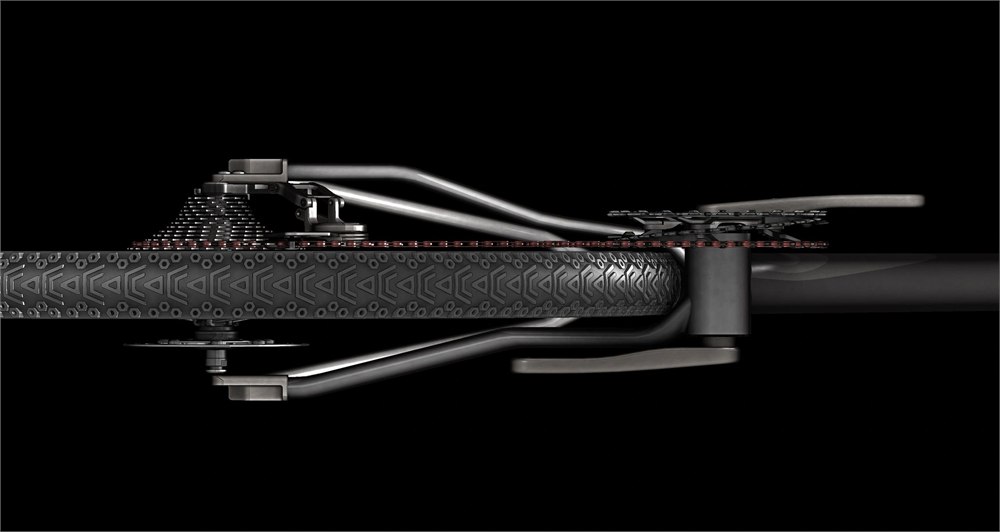
- Dedicated frame clearance: the current design needs additional room around the chainrings.
The company also describes backpedaling tolerance and smooth shifts, including under load. Those are useful things to ask about when evaluating a finished build, particularly if your own riding technique occasionally includes a panicked half-pedal while deciding whether a hill counts as a hill. A development claim and a long-term muddy riding test are different forms of evidence.
The frame is part of the deal
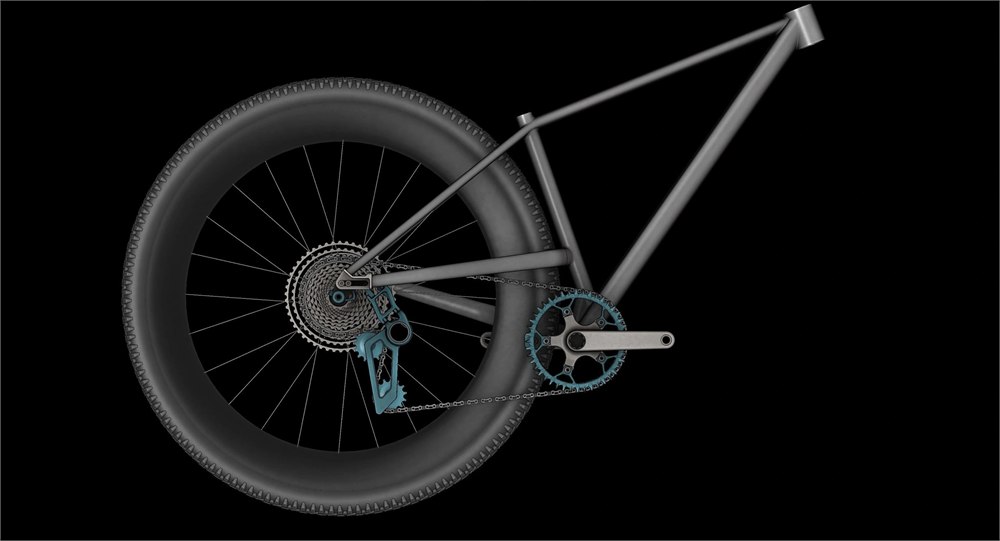
The unusual chainring spacing needs unusual accommodation. Marginal Gain explicitly says the current system cannot simply be installed on a conventional frame. Its answer is an elevated chainstay frame, developed with Blackwater Bicycles, that creates clearance around the drivetrain. In other words, the bike gets a structural rethink because the chain has requested a little personal space.
The manufacturer describes a titanium frame package customized to the rider, with slider dropouts supporting 29er or 32er wheels. It also lists room for tires up to 2.4 inches wide when using DUB Wide crankarms. These are specifications for the proposed compatible arrangement, not a claim that every frame, wheel, crankarm, and tire combination will work together without further checks.
| Detail | What Orient currently describes |
|---|---|
| Front layout | Two chainrings with the same tooth count |
| Purpose | Two chainlines serving different portions of the rear cassette |
| Front actuation | Mechanical response to the chain’s lateral movement |
| Current frame requirement | Additional clearance; dedicated elevated chainstay design |
| Frame collaboration | Blackwater Bicycles titanium frame package |
| Future concepts | Slimmer retrofit version and expanded cassette configurations |
That frame requirement changes who should be watching this project. Someone planning an unusual custom gravel build has a very different decision to make from someone hoping to refresh an existing commuter before Monday. The first person may find the integrated approach fascinating. The second should avoid mentally installing a component that is not yet offered as a confirmed fit for their bicycle.
More gears are a possibility, not an included magic trick
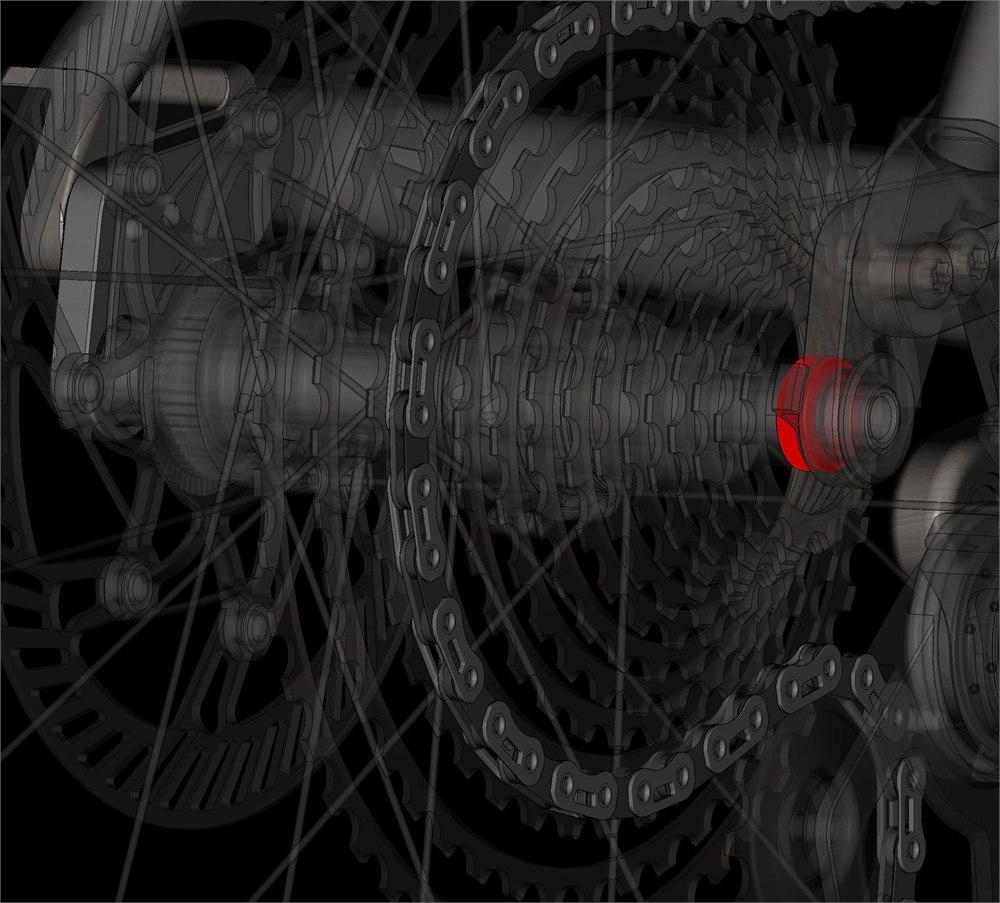
Marginal Gain sees the two-chainline approach as a foundation for future 15- and 16-speed cassette systems. Its website includes proposed configurations and estimated component weights. Those details describe development ambitions; they should not be mistaken for a promise that a complete production drivetrain with every listed component is shipping now.
The manufacturer also discusses a possible version with differently sized chainrings, which would change the front gear ratio as well as the chainline. That is a separate future direction. The version being explained here uses equal-sized rings. Keeping those ideas separate prevents an interesting mechanism from turning into the bicycle equivalent of a restaurant menu where every side dish sounds included.
For mechanically curious riders, the appeal is the rearrangement itself. Orient preserves the straightforward idea of selecting gears at the rear while making the front more responsive to the chain’s position. Whether that tradeoff earns a permanent spot on gravel bikes will depend on finished hardware, compatibility, durability, and how it behaves after the novelty has worn off.
The useful details before you start rebuilding the garage
- Product: Marginal Gain Orient self-aligning bicycle crankset.
- Main feature: automatic mechanical transfer between two same-size front chainrings.
- Intended benefit: reduced chain angles across the rear cassette.
- Current limitation: a specially designed frame is required.
- Frame partner: Blackwater Bicycles, with a titanium elevated chainstay design.
- Availability: announced development and upcoming frame-plus-Orient offering; final package details need confirmation.
At the time of writing, Marginal Gain labels its frame-plus-Orient offering as coming soon. October 13 reporting from New Atlas gives an anticipated price below $3,000 for the initial offering and below $500 for a planned slimmer retrofit crankset. Those are reported targets, not a verified checkout price or a guarantee of what a complete bicycle includes. The maker’s own wording identifies a frame-and-Orient combination, so confirm the contents and timing directly before budgeting for an entire build.
Manufacturer renderings courtesy of Marginal Gain. Orient is an appealingly odd answer to a problem most riders cannot see while pedaling: a chain that wants a less diagonal life. Your legs still have to do the work. At least one part of the bicycle is trying to make its commute more orderly.
| Pros | Cons and considerations |
|---|---|
| Automatically adjusts the front chainline | Current design requires a dedicated frame |
| No battery for the front aligning mechanism | That does not establish the power needs of every future rear drivetrain |
| Retains a single front gear ratio | Two rings do not double the available gear range |
| Targets reduced chain friction and wear | Long-term performance claims remain to be independently established |
| Interesting foundation for custom gravel builds | Availability, final package contents, and pricing need confirmation |
Save this find.
Thank yourself later.
Your next great gift idea. Your someday space. Your collection of wonderfully weird things.
Save to PinterestPick a board. Keep the inspiration.
This Bicycle Crankset Aligns Its Chain Automatically Without a Front Derailleur
Where to find This Bicycle Crankset Aligns Its Chain Automatically Without a Front Derailleur
OddityMall may earn a commission from qualifying purchases at no extra cost to you.