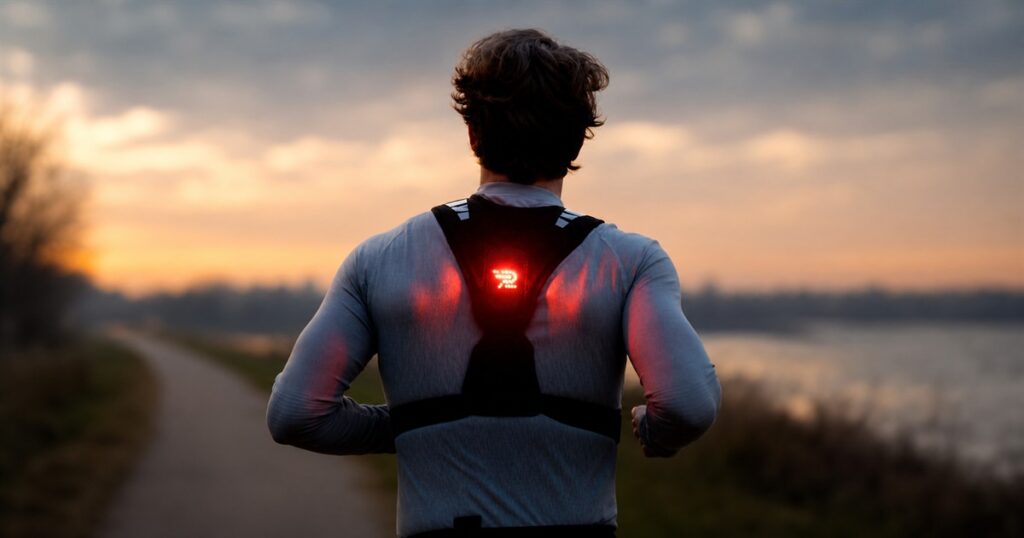
Running alone is supposed to be peaceful, which is hilarious because the average solo run can turn into a full-body podcast about every noise behind you, every suspicious shadow, and whether that one car is simply driving normally or auditioning for a crime documentary.
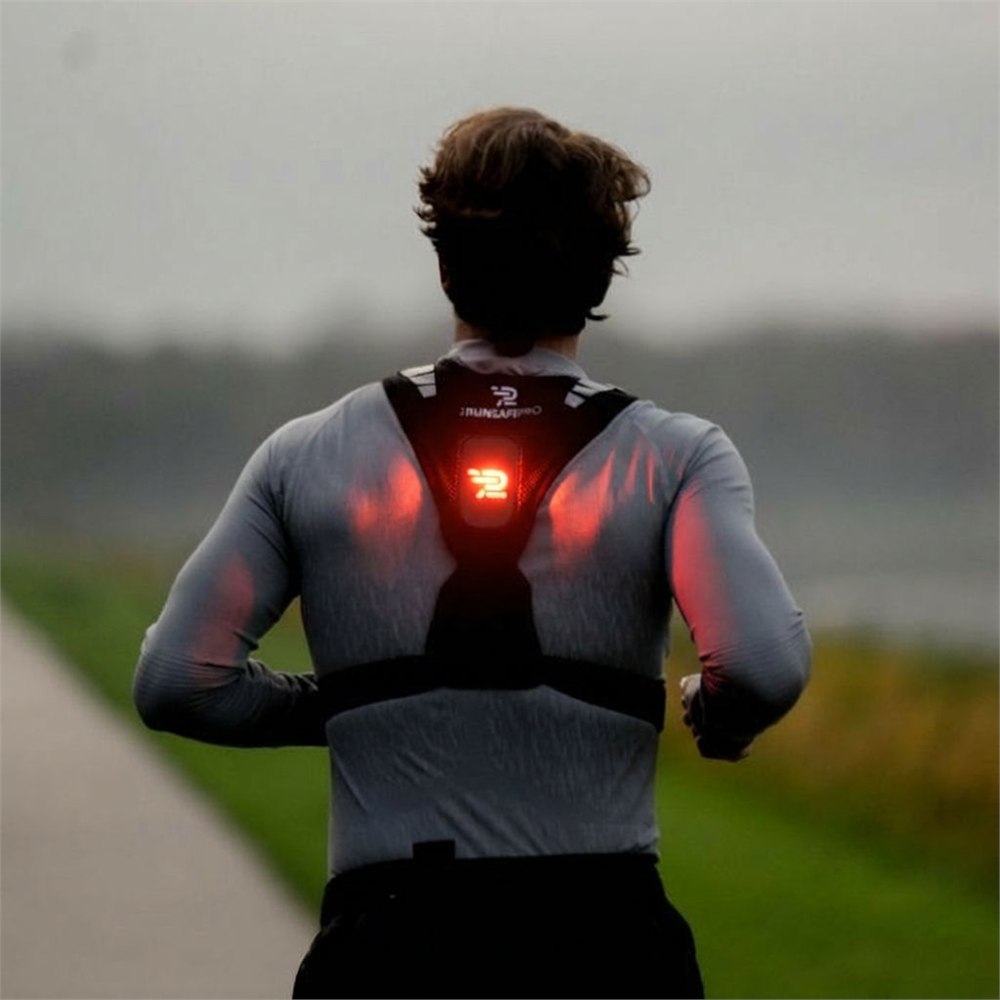
The RunSafePro Smart Running Vest is a connected running safety vest that tries to quiet that little survival narrator without turning you into a neon construction barrel. It combines a rear-facing radar alert system, adaptive 360-degree visibility, GPS panic alerts, and automatic incident detection in one wearable vest for runners, walkers, cyclists, and other outdoor people who enjoy moving around without constantly looking over their shoulder like a startled office chair.
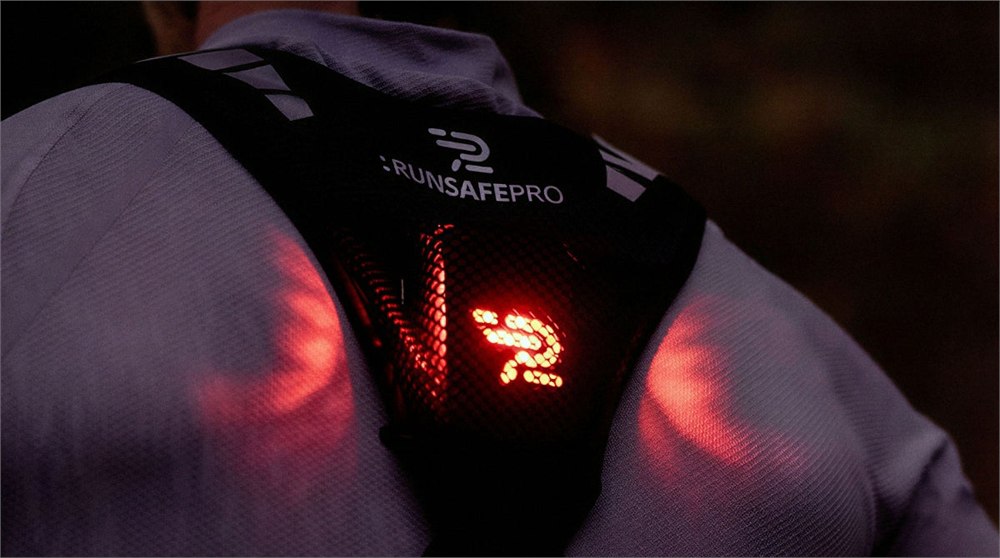
The idea is simple: instead of carrying a separate light, an emergency app, a reflective sash, and the emotional burden of guessing what is approaching from behind, you wear the vest. RunSafePro says the rear radar scans for vehicles and cyclists coming up behind you, then alerts you through vibration or lighting. That means the vest is not just trying to make you visible. It is also trying to give you a tiny digital lookout posted on your back.
That is the part that makes it feel very OddityMall. A normal reflective vest says, “Please see me.” This one says, “I would also like a small traffic-awareness department strapped between my shoulder blades, thank you.”
A Safety Vest With Its Own Back-Seat Driver
The rear radar is the headline feature, because runners already have ears and still somehow spend half the run wondering whether the sound behind them is a bicycle, a delivery van, or a leaf with confidence issues. According to RunSafePro, the vest keeps scanning behind the wearer and can send alerts even when the person is wearing headphones.
Related posts:
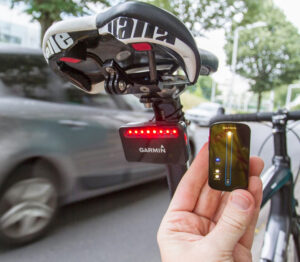


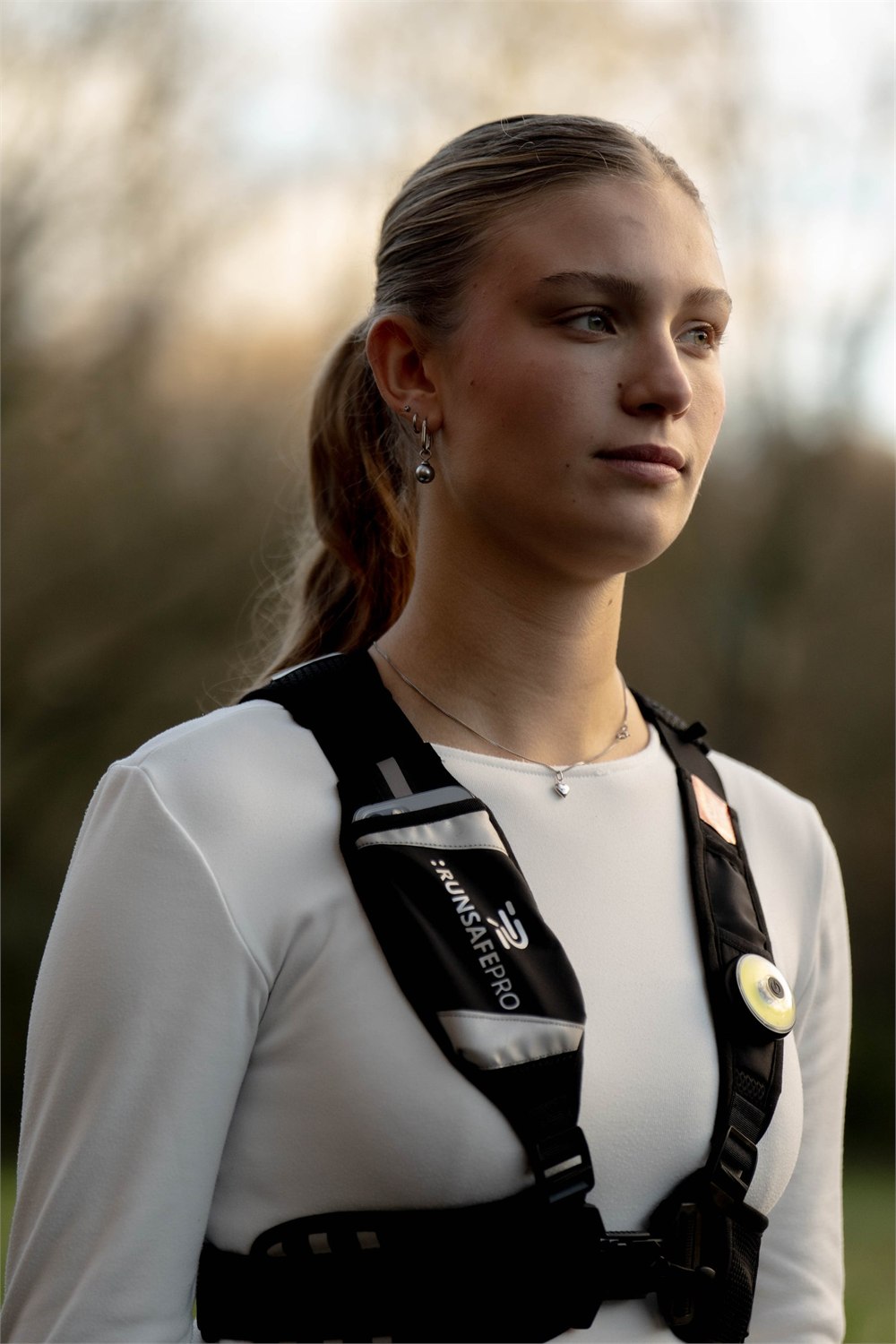
The vest also uses reflective details and a radar-controlled rear light for 360-degree visibility. The light is described as adaptive, adjusting to the environment so drivers, cyclists, and other road users have a better chance of noticing you in low light. It is the wearable version of telling the universe, “I am not a side quest. Please do not clip me with your hatchback.”
RunSafePro says the vest is fully adjustable and designed to fit people roughly 160 cm to 200 cm tall, or about 5 feet 3 inches to 6 feet 7 inches. That is a generous range, covering everyone from compact neighborhood joggers to people who look like they were designed by a basketball recruiter during a thunderstorm.
What It Actually Does
The vest is built around a few practical safety functions, not just a glowing panel and a dream. In everyday use, the biggest promise is that it can help you stay visible and more aware without needing to stop, unlock your phone, open an app, text three people, and then resume jogging after your heart rate has filed for unemployment.
- Rear radar alerts: The vest monitors behind you for approaching cars or cyclists and can warn you with vibrations or integrated lighting.
- GPS panic button: A single press can send a silent GPS alert to primary contacts, while a double press can trigger a louder emergency alarm and notify a wider contact group.
- Automatic incident detection: If movement stops unexpectedly, the vest checks in; if there is no response, it can sound an alarm and send GPS location details to emergency contacts.
- Adaptive visibility: Reflective details and the rear light are meant to help keep the wearer visible from multiple directions in changing outdoor conditions.
- Outdoor-ready build: RunSafePro describes the vest as waterproof and washable once the removable electronics are taken out.
The panic button setup is especially interesting because it gives the vest two moods: quiet “please know where I am” mode and loud “the situation has become deeply unacceptable” mode. The company says the alert can be deactivated from a phone or smartwatch, which is good, because nobody wants a false alarm to become the most dramatic event at the local park since someone tried to train for a marathon while eating a breakfast burrito.
Specs And Compatibility
RunSafePro is not trying to be a completely standalone superhero cape. The company says it works with iOS and Android smartphones, and it can integrate with popular eSIM smartwatches such as Apple Watch, Samsung watches, and Garmin models. For setup, alerts, contacts, and GPS functions, it requires a smartphone or smartwatch with eSIM, though the product page says the core safety features can function during a run without needing to actively use the phone.
| Feature | RunSafePro Details |
|---|---|
| Use cases | Running, walking, cycling, hiking, and outdoor training |
| Alerts | Rear radar, vibration/light notices, GPS panic alerts, emergency contact messaging |
| Visibility | Reflective elements plus adaptive rear lighting |
| Fit range | About 160 cm to 200 cm tall, adjustable for different body types |
| Battery | Rechargeable, listed at 3 to 6 hours of continuous use depending on intensity |
| Care | Waterproof and outdoor-ready, with removable electronics for washing |
| App plan | Optional safety platform support starts from 0.99 euro per month for app services and contacts |
The phone pocket detail matters more than it sounds. RunSafePro says your phone can stay in the built-in pocket while the vest handles its work, which is a good arrangement for anyone who has ever tried to fish a phone out of a bouncing armband and accidentally opened the weather app, a banking notification, and the emotional memory of every bad purchase ever made.
The listed battery life is 3 to 6 hours per charge, depending on usage intensity. That should cover most daily runs, walks, bike rides, and the kind of ambitious weekend route where you pretend you are “just going out for a quick one” and return several neighborhoods later with a new understanding of hamstring mortality.

Who This Vest Is For
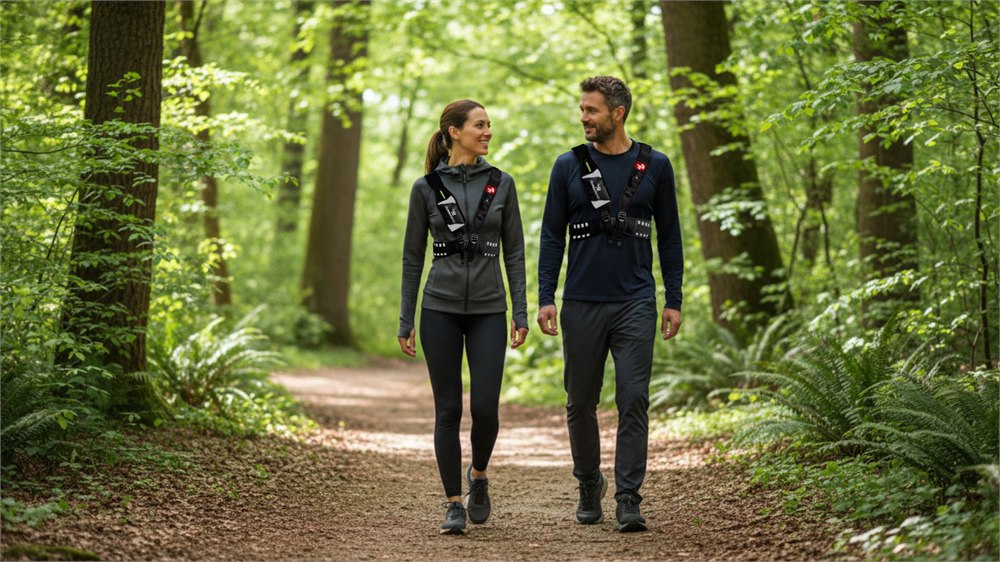
This is not a fashion vest for people who want to look like they are heading to a very athletic nightclub. It is for solo runners, early-morning walkers, commuters on bikes, hikers, and anyone who trains in low-light or mixed-traffic areas and wants more than passive reflectivity. It is also for the household safety committee, also known as the person who asks where you are running, when you will be back, and why your route appears to include a service road named after a drainage ditch.
The best use case is probably the runner who already uses lights or reflective gear but still wants better rear awareness and an emergency-contact workflow that does not depend on fumbling with a phone. It could also make sense for cyclists and walkers, since the company positions it as a multi-activity outdoor safety wearable rather than running-only equipment.

There are practical caveats. It is a crowdfunding product, so timelines and final production details can shift. The connected features depend on compatible phone or smartwatch setup. The app plan is also part of the safety system, so this is not the same purchase math as a basic reflective vest that lives in a drawer forever and only asks to be found under three reusable shopping bags.
Still, the combination is unusual. Rear radar is common enough in cycling accessories, emergency sharing exists in phones and watches, and reflective gear is everywhere, but putting those ideas into an adjustable running vest makes the whole thing feel less like a gadget stack and more like one wearable safety layer.
Key Details Before You Start Running Like A Responsible Adult
RunSafePro is launching through Kickstarter, with the official site pointing buyers toward the campaign. The company lists early-backer pricing at $119 USD or 99 euro, compared with a planned regular price of $175 USD or 149 euro. It also says the app support plan starts from 0.99 euro per month and can support up to 50 emergency contacts.
- Smart running vest with rear radar alerts for approaching vehicles or cyclists
- GPS panic button with silent and loud alert options for emergency contacts
- Automatic incident detection that can check in and escalate if the wearer is unresponsive
- Adaptive rear light and reflective details for 360-degree visibility
- Adjustable fit for roughly 160 cm to 200 cm tall users
- Rechargeable battery listed at 3 to 6 hours per charge
- Waterproof outdoor-ready design with removable electronics for washing
- Available through RunSafePro and Kickstarter during the launch campaign
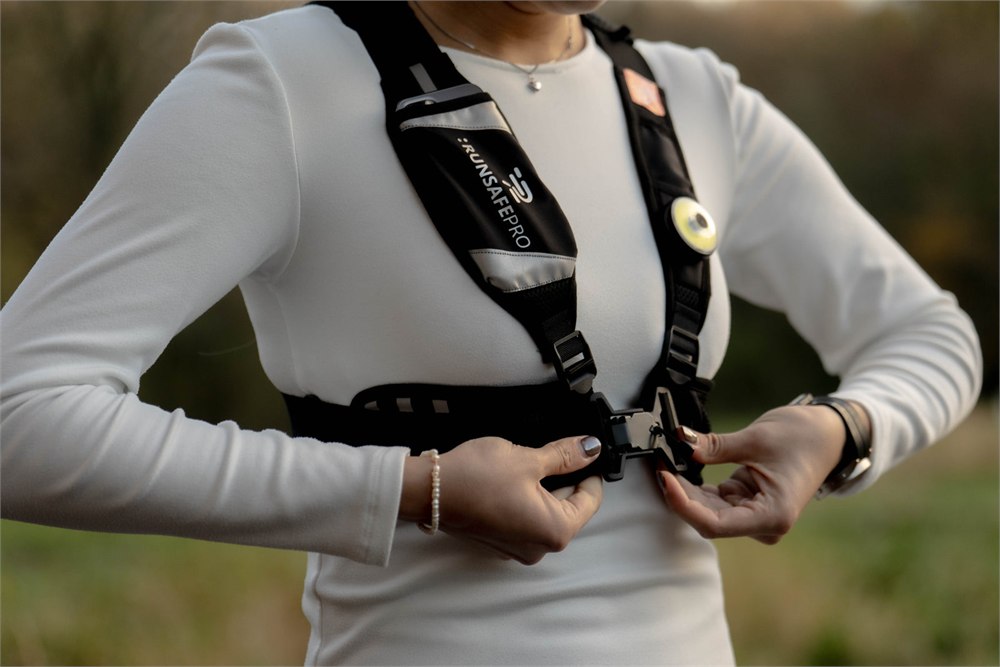
If your current running safety plan is “wear one blinking thing and hope everyone behaves,” the RunSafePro vest is a much more elaborate answer. It is part reflective vest, part panic button, part rear radar lookout, and part wearable reminder that maybe jogging at dawn should not require the alertness of a mall security guard watching six escalators.
| Pros | Cons |
|---|---|
| Combines visibility, radar awareness, GPS alerts, and incident detection in one wearable | Crowdfunding availability means final delivery timing can change |
| Rear radar alerts can help when headphones or road noise make traffic harder to notice | Connected features require compatible phone or smartwatch setup |
| Adaptive lighting and reflective details address low-light running from multiple angles | More expensive than a basic reflective vest or clip-on running light |
| Panic button offers both silent and loud emergency alert behavior | App services add a small ongoing subscription cost |
| Adjustable fit covers a broad height range | Battery life depends on usage intensity and requires recharging |
| Removable electronics make washing more practical | May be more tech than casual daylight walkers need |
Where to find This Smart Running Vest Uses Rear Radar To Warn You About Traffic
OddityMall may earn a commission from qualifying purchases at no extra cost to you.