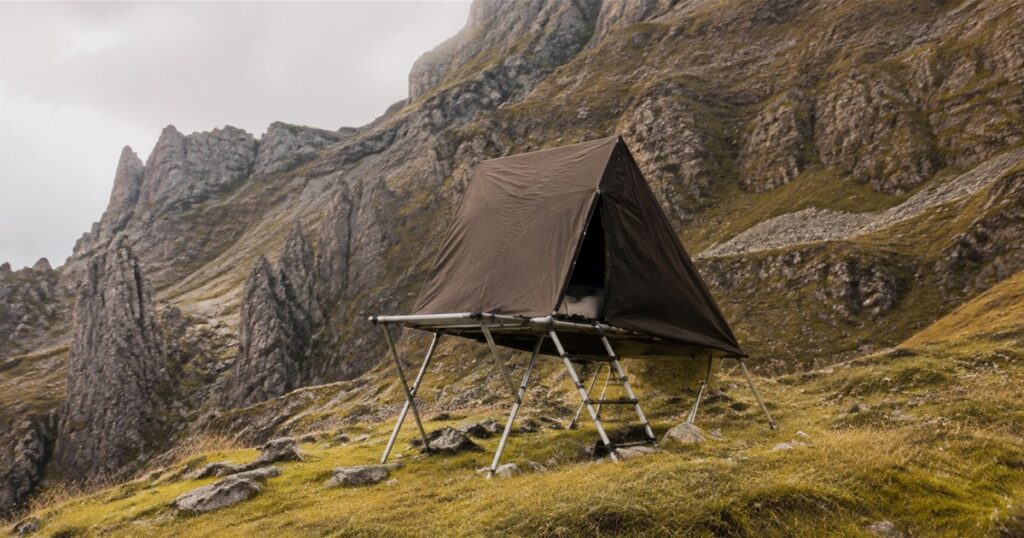
Camping on the ground is one of those ancient human traditions that sounds romantic until your hip discovers a rock with the confidence of a tiny landlord. The Kudhva K1 Portable Elevated Off-Grid Cabin looks at that whole problem, raises itself on spindly adjustable legs, and politely decides the dirt can mind its own business.
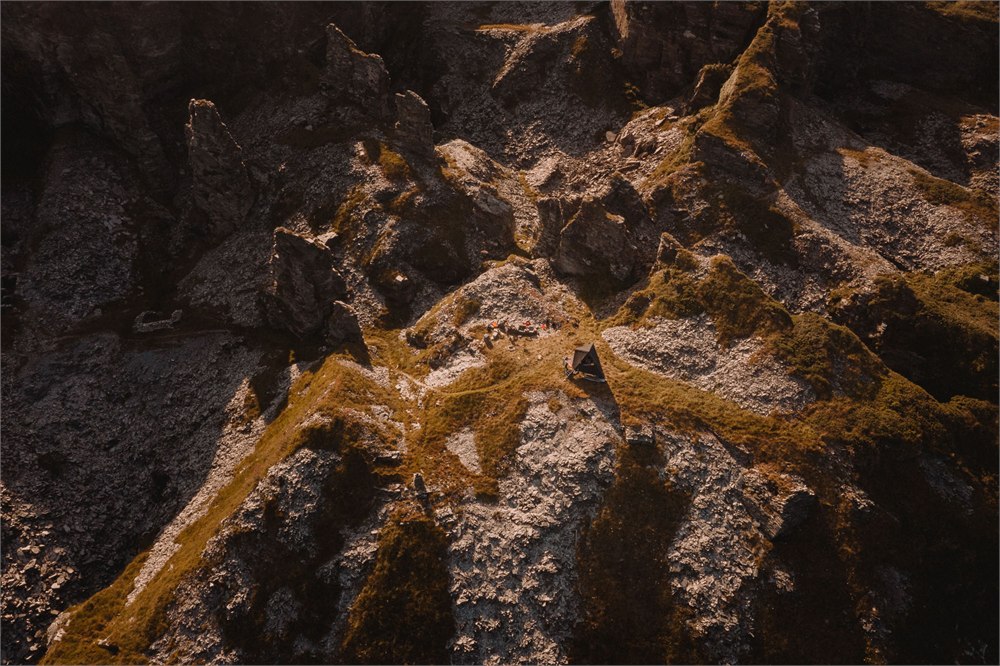
This is not a regular tent pretending to be architecture with a mood board and a zipper. The Kudhva K1, also called Kudhva Kanvas by New British Design, is a portable two-person hideout with the angular stance of a modern micro-cabin and the commitment issues of camping gear. It is designed by architect Ben Huggins for Kudhva, the Cornwall off-grid retreat known for cabins perched above a former slate quarry, and it brings that raised architectural look into a take-away structure you can move between sites.
The basic idea is deliciously odd: a canvas-wrapped shelter sits on an aluminum frame, then stands above uneven ground on adjustable tripod-style legs. Instead of flattening the landscape, pouring a pad, or committing to a foundation like some emotionally available building, the K1 levels itself on slopes, rocks, and other terrain that normally makes tent sleeping feel like a poorly supervised geometry lesson.
New British Design describes the structure as made in the UK from infinitely recyclable aluminum and British Millerain canvas. Yanko Design’s recent coverage adds more detail, noting a heavy-duty Regentex poly-cotton canvas rated at 407 g/m2, plus an elevated deck area reached by integrated ladders. That puts it somewhere between a serious glamping unit, an expedition pod, and a raised backyard clubhouse for adults who own better boots than they have life plans.

A Tent That Refuses To Lie Down
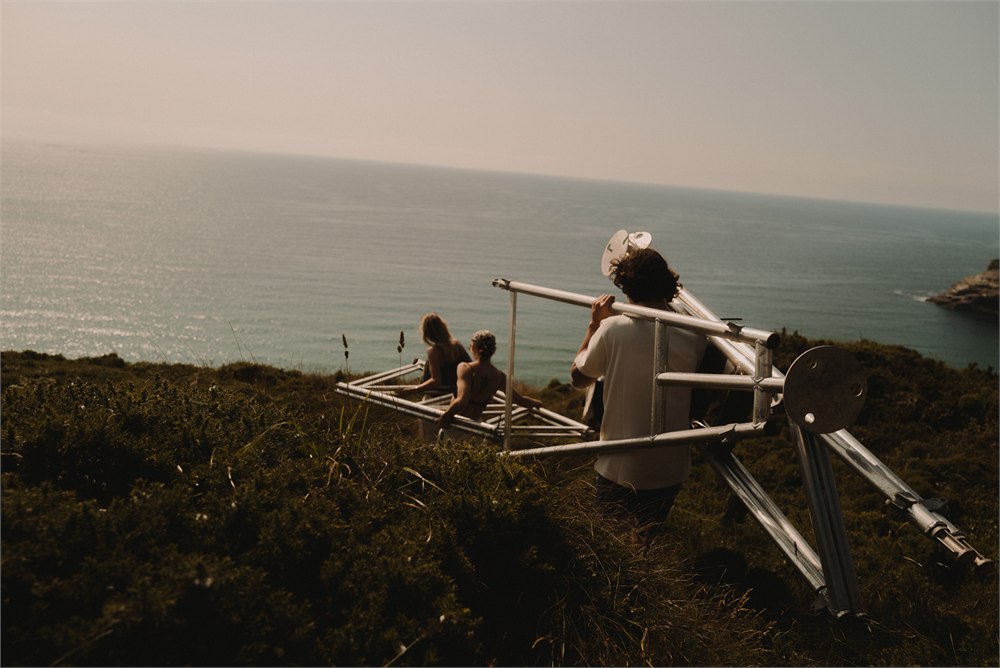
The K1 is meant to sleep two people, which is the exact number of people who can pretend that hauling a 320-kilogram portable cabin into nature is a spontaneous weekend decision. It is portable, but not backpack portable. Think hospitality site, retreat property, festival buildout, or design-loving landowner who wants a shelter that can be assembled, moved, and photographed from every possible angle while still looking like it has a tiny architectural manifesto hidden under the mattress.
Related posts:
 There’s Now an Official Glamping Tent That’s Perfect For Camping Or Music Festivals
 This Log Cabin Tent Has a Giant Screened In Front Porch For a True Luxury Camping Experience
 This Instant Setup Cabin Tent Has Built-In LED Lighting For Lighted Activities At Night
 This Modular Quick Cabin Can Be Setup In Just 2 Hours
According to the product page, the portable nature of the K-Tent structure makes it adaptable for festivals, glamping sites, nature reserves, wellness retreats, and individual outdoor setups. That is a pretty wide range of use cases, all united by the same basic desire: sleeping outside without fully surrendering to the part of outside that contains mud, bugs, and the ancient smell of damp socks.
- Raised, adjustable legs help the cabin sit level on uneven terrain.
- The aluminum frame is designed to be lightweight for its size and recyclable.
- British Millerain canvas gives the shelter a weather-ready fabric shell.
- The two-person sleeping space keeps the interior compact and intentional.
- The structure can be used alone or grouped into a small off-grid camp.
The result is a shelter that has the personality of a cabin but the land manners of a tent. It can arrive, stand confidently above the grass, host two people who packed too many snacks, and then leave without asking the site to remember it forever.
Specs For People Who Measure Their Escapism
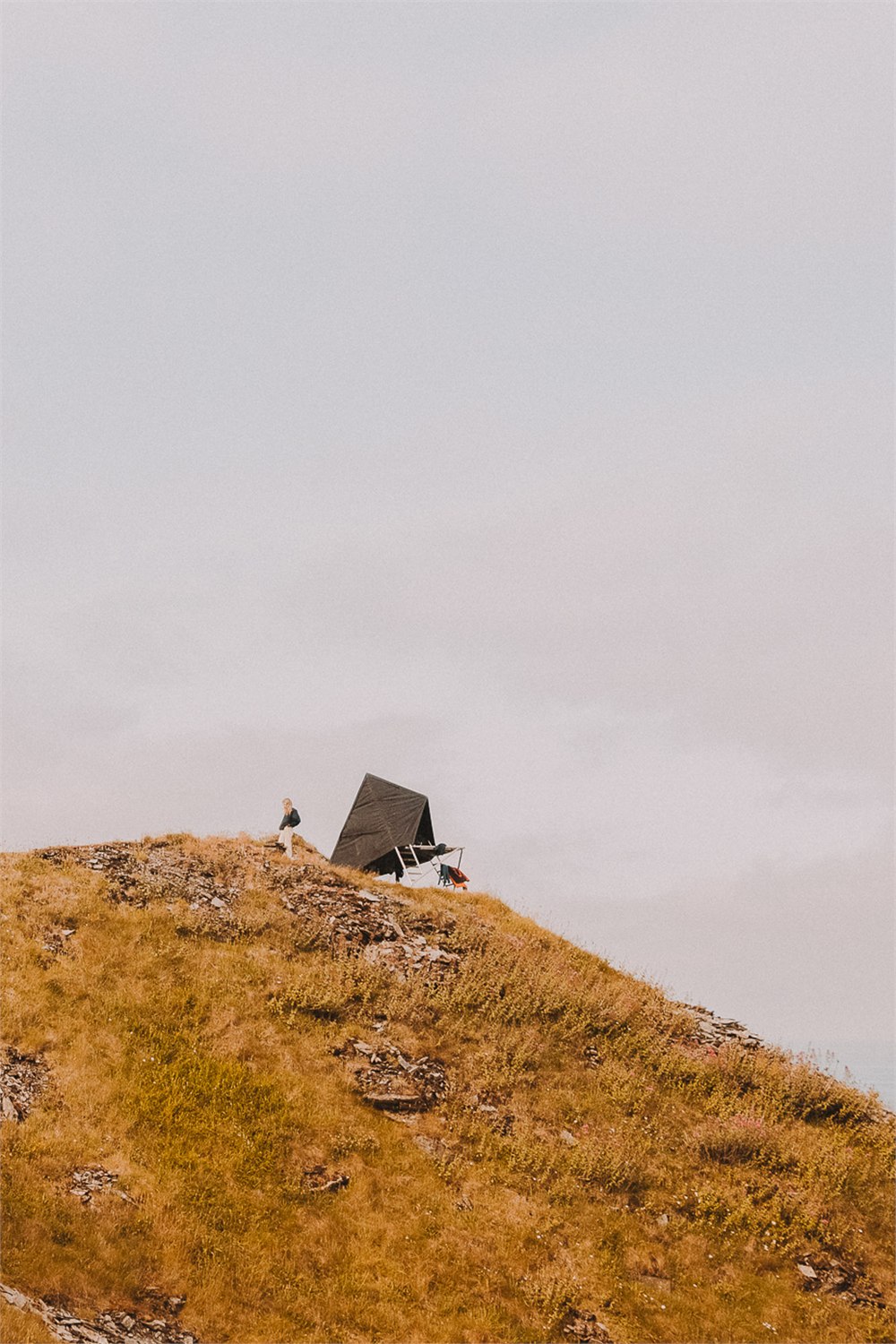
The K1 is not small, which is part of the fun. Yanko Design reports dimensions of 3.6 meters tall, 3.3 meters wide, and 4.9 meters deep. That height is doing real work: the cabin gets its little treehouse feeling without needing an actual tree, which is helpful because trees are notoriously bad at signing purchase agreements.
| Feature | Reported Detail |
|---|---|
| Sleeping capacity | Designed for two people |
| Structure | Recyclable aluminum frame with canvas shell |
| Approximate size | 3.6 m tall, 3.3 m wide, 4.9 m deep |
| Weight | About 320 kg |
| Setup time | About 30 to 45 minutes with two people |
| Wind rating | Reported up to 80 mph |
That 30-to-45-minute setup window is where the K1 becomes especially interesting. It is not the kind of pop-up shelter you fling into the air and then spend three years trying to fold back into a circle. It is more deliberate than that. But compared with building a cabin, installing footings, and entering a lifelong relationship with local permitting paperwork, it is practically a disappearing act.
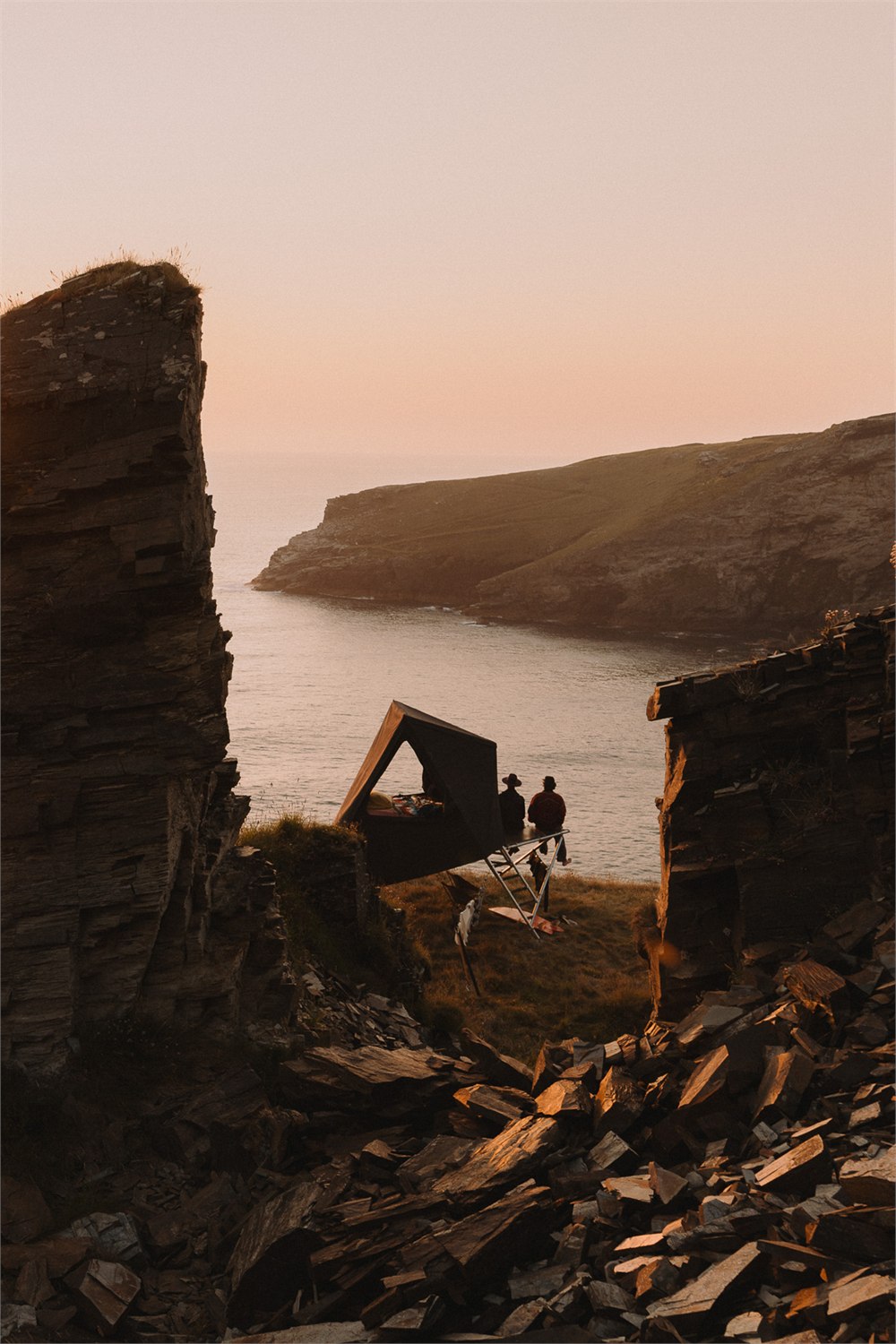
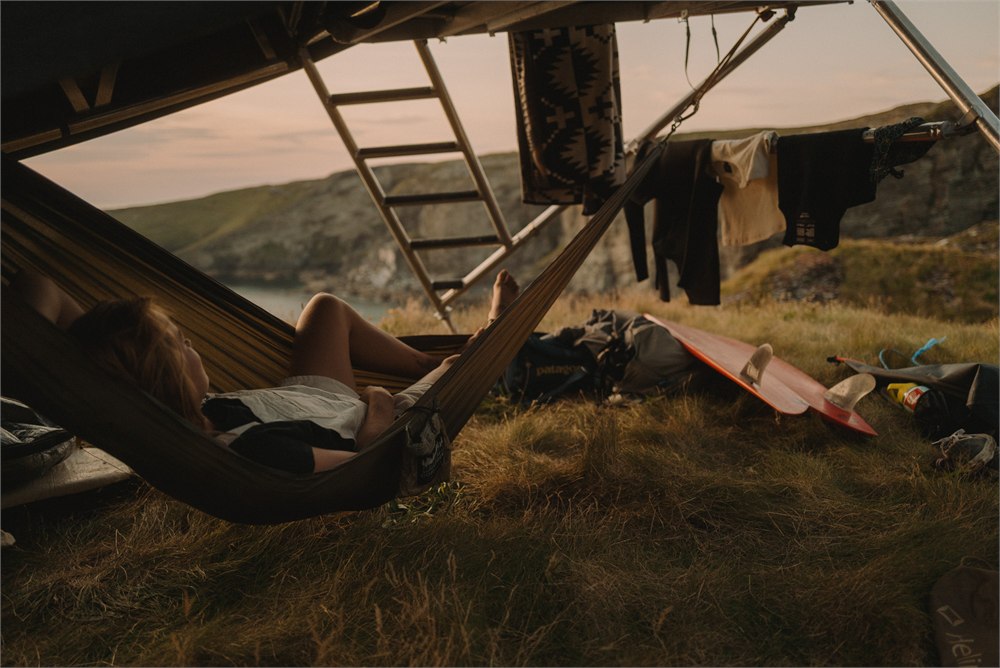
The raised deck and ladder give it a proper arrival moment. There is a small ritual to climbing into your own portable off-grid perch, which is the kind of ridiculous luxury that makes ordinary camping suddenly feel underdressed. You are still outside, but now you are outside with a threshold.
For Glamping Sites, Retreats, And Dramatic Backyard Daydreams
The most obvious buyers are commercial hospitality operators: glamping resorts, retreats, wedding venues, campsites, and outdoor destinations that want a shelter with a strong visual identity. A row of these raised Kudhva structures would immediately look like a tiny village designed by someone who got bored of rectangles and decided sleeping platforms needed more leg day.
But the K1 also makes sense for private landowners who want a guest space without building something permanent. Because the system is designed to sit on uneven ground and leave no trace when moved, it gives owners more flexibility than a fixed tiny cabin. That does not make it effortless, and it definitely does not make it cheap, but it does make it interesting in a category where most products are either normal tents or tiny houses that require a spreadsheet and a very patient county office.
The design language is also doing a lot of the work here. The triangular canvas shell, exposed frame, and raised stance make it look sturdy but strange, like a field shelter that enrolled in architecture school and came back with opinions about negative space. It is rugged enough to make sense outdoors, yet sculptural enough that guests will photograph it before they figure out where to put their shoes.
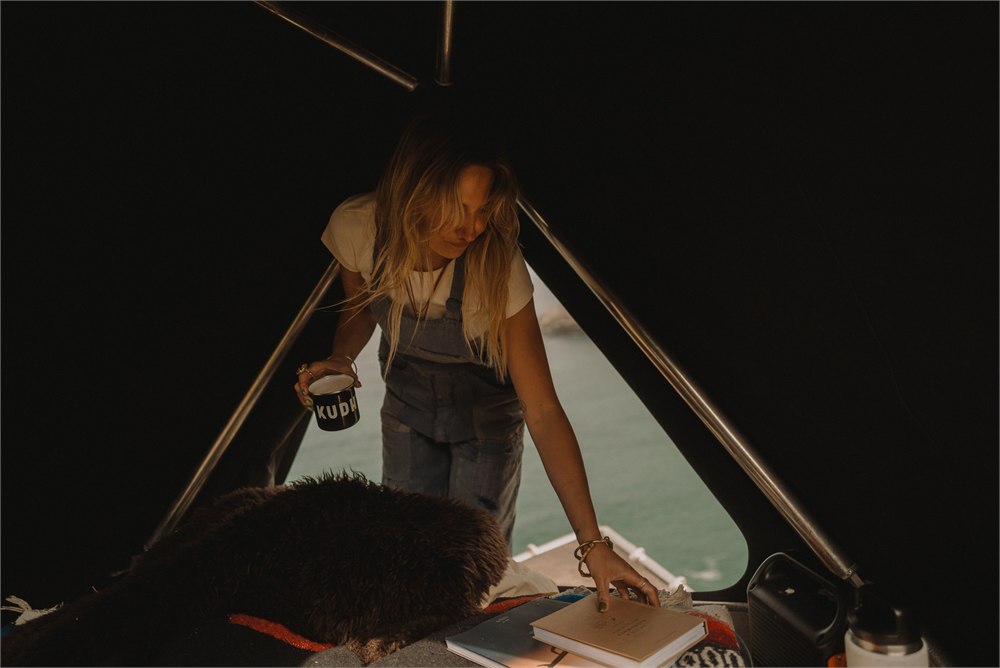
Inside, the appeal is less about cramming in every tiny-house amenity and more about a focused sleeping shelter. That restraint matters. The K1 is not promising a full apartment on stilts. It is promising a memorable place to sleep, look out, and briefly feel like you have outsmarted gravity, mud, and every tent peg you have ever lost in your life.
What To Know Before Your Cabin Starts Walking Away
This is still outdoor lodging hardware, not a magic suitcase house. At about 320 kilograms, moving and assembling it calls for planning, tools, transportation, and the kind of friends who answer texts that begin with, “Quick question, how do you feel about lifting architecture?” It is portable in the relocatable sense, not the toss-it-in-a-hatchback sense.
It also has the practical limits of a compact off-grid shelter. The public product details focus on the structural shell, sleeping space, materials, and setup rather than built-in plumbing, kitchen systems, or electrical packages. That makes it better understood as a highly designed sleeping cabin or glamping unit than a complete tiny home.
- Product: Kudhva K1 / Kudhva Kanvas portable elevated off-grid cabin
- Maker: New British Design for Kudhva
- Capacity: two-person sleeping shelter
- Materials: recyclable aluminum frame and British Millerain canvas
- Best for: glamping sites, retreats, outdoor hospitality, and design-forward private land
- Notable trick: adjustable legs level the cabin on uneven terrain
The Kudhva K1 is listed through New British Design and linked to Kudhva Kanvas availability, with recent coverage placing the price at about $15,500. That number puts it well beyond casual camping gear and into serious design-object territory, but then again, most tents do not stand on legs and look like they are about to be interviewed by an architecture magazine.
For anyone building a glamping property or dreaming about an elevated retreat that can move without permanently scarring the ground, this thing is wonderfully specific. It is not trying to be the cheapest shelter in the woods. It is trying to be the shelter that makes every other tent look like it forgot to evolve.
| Pros | Cons |
|---|---|
| Distinct raised cabin design stands out immediately | Far heavier and more involved than normal camping gear |
| Adjustable legs help on uneven ground | Likely needs careful transport and setup planning |
| Two-person shelter works well for glamping stays | Not a full tiny home with built-in utilities |
| Recyclable aluminum frame and canvas shell | Premium pricing limits casual buyers |
| Can be moved without a permanent foundation | Best suited to sites that can handle a large structure |
Where to find This Portable Elevated Off-Grid Cabin Levels Itself Above Rough Campsites
OddityMall may earn a commission from qualifying purchases at no extra cost to you.
Related posts:
There’s Now an Official Glamping Tent That’s Perfect For Camping Or Music Festivals
This Log Cabin Tent Has a Giant Screened In Front Porch For a True Luxury Camping Experience
This Instant Setup Cabin Tent Has Built-In LED Lighting For Lighted Activities At Night
This Modular Quick Cabin Can Be Setup In Just 2 Hours