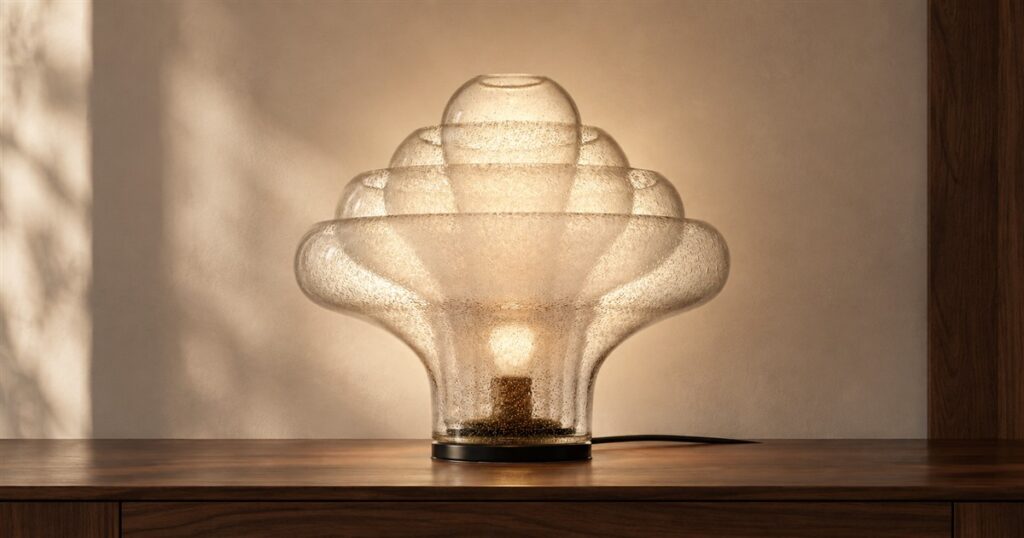
Some lamps illuminate a room. Others make every other object in that room look like it needs to update its résumé. This layered glass table lamp belongs firmly in the second category: a glowing stack of transparent curves that looks halfway between a flower and the visitor center for a very tasteful alien civilization.
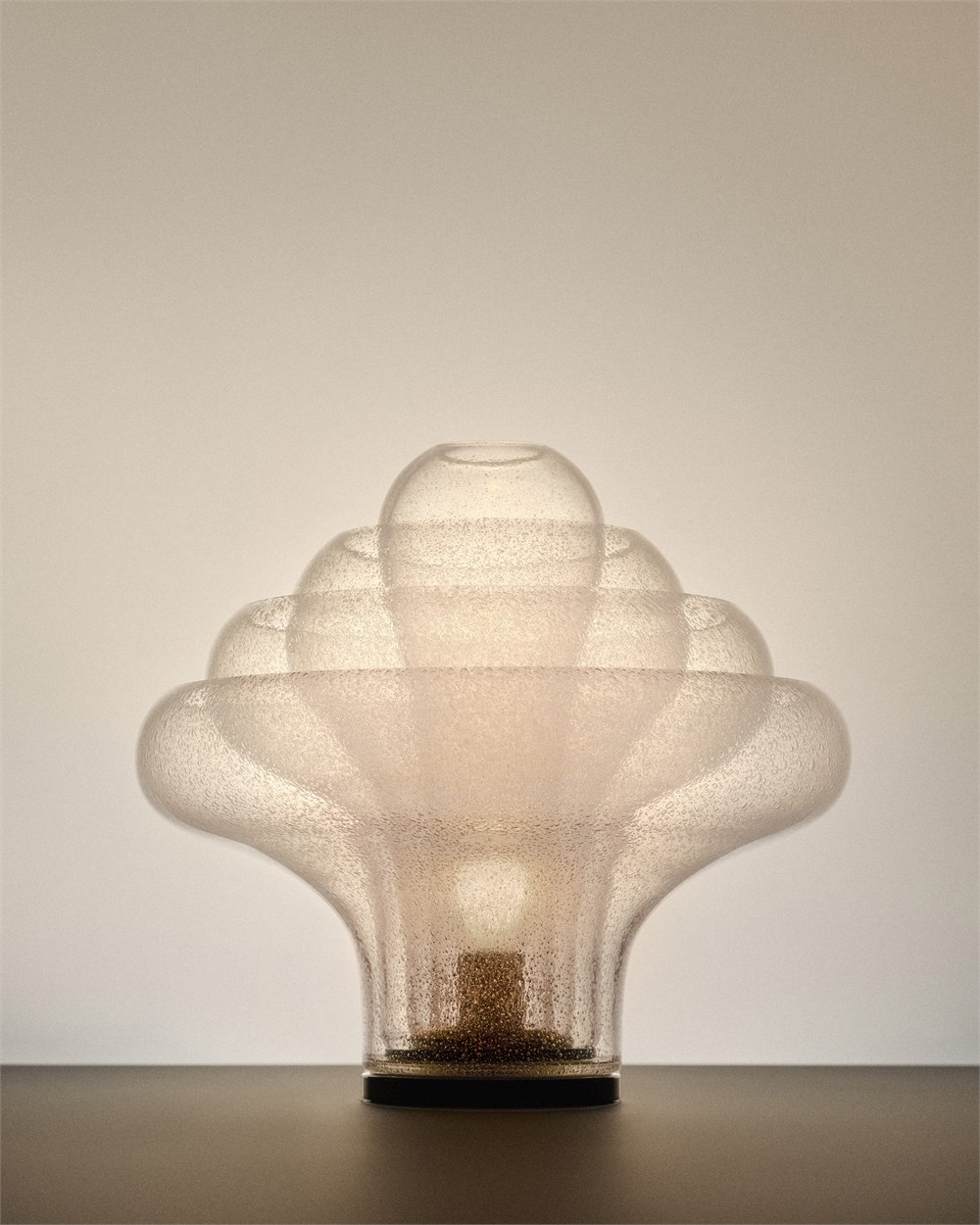
It is the Lotus Table Lamp by Carlo Nason, now reintroduced by GUBI. The design dates to 1969, which means somebody figured out how to make the future look this good while the rest of us were still working through some deeply questionable wallpaper decisions.
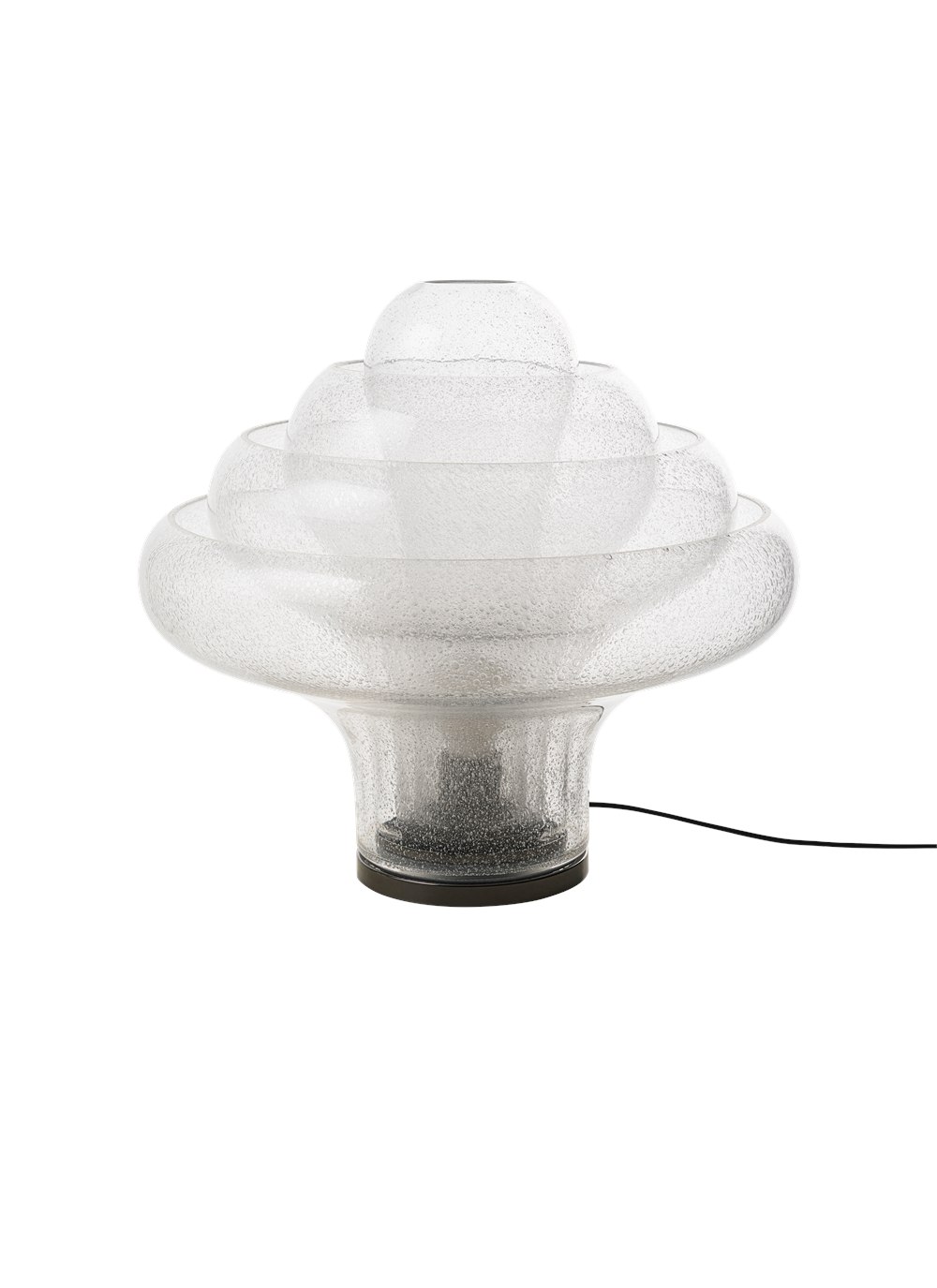
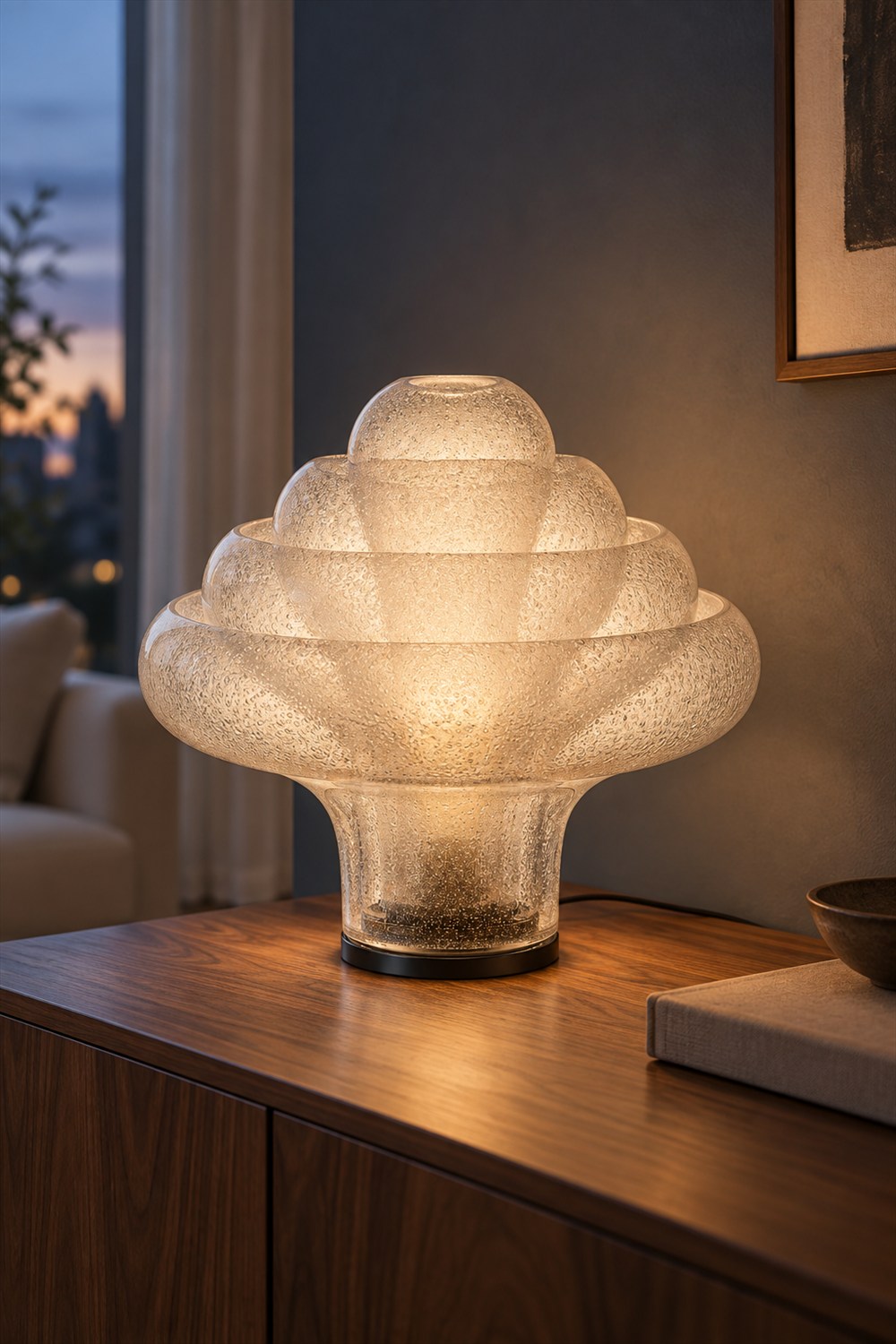
The trick is in the silhouette. A narrow foot opens into a broad, rounded outer shade, with smaller forms rising inside it. Your eye follows each rim inward and upward. There is no fabric drum perched on a stick, no giant exposed bulb auditioning for a restaurant renovation. The glass itself does the visual heavy lifting.
A flower with a very impressive glass budget
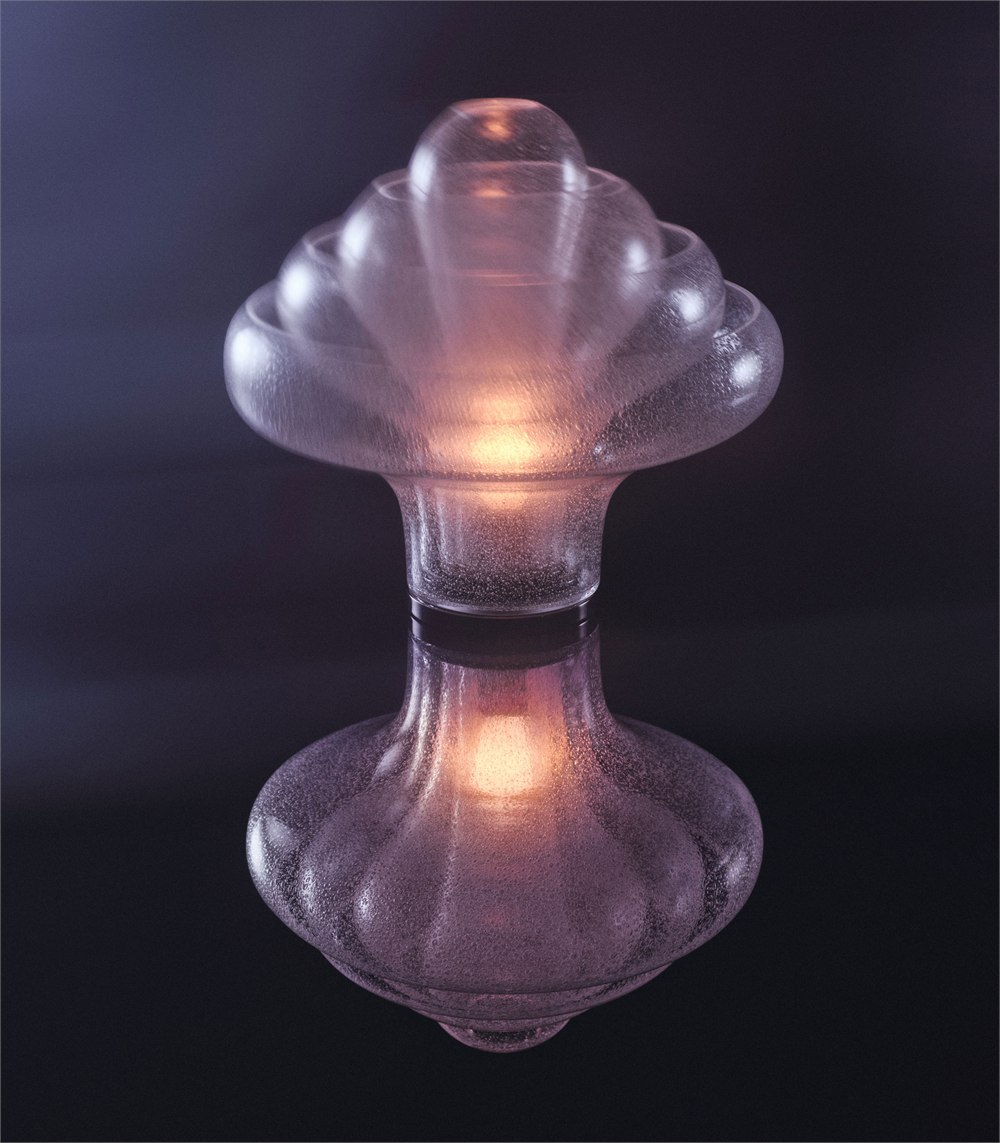
GUBI describes four nested, mouth-blown glass layers. Their overlapping shapes conceal the bulb and diffuse its light into an ambient glow. The current US version pairs Bubble Glass with a Black Chrome base, a restrained little foundation underneath all that sculptural drama.
Calling it floral makes sense, but this is not a literal flower-shaped novelty lamp. There are no molded leaves, painted stems, or petals trying to look freshly picked. The resemblance comes from the way the forms unfold. It suggests a plant through proportion, which is a much more sophisticated party trick than gluing a daisy onto a lampshade.
Related posts:

In the unlit product photograph, the overlapping rims are crisp and the glass has a cool, cloudy appearance. In GUBI’s illuminated photographs, the center glows and the layers become more apparent. That change gives the object something to do visually even when the furniture around it has settled into its usual routine of holding things.
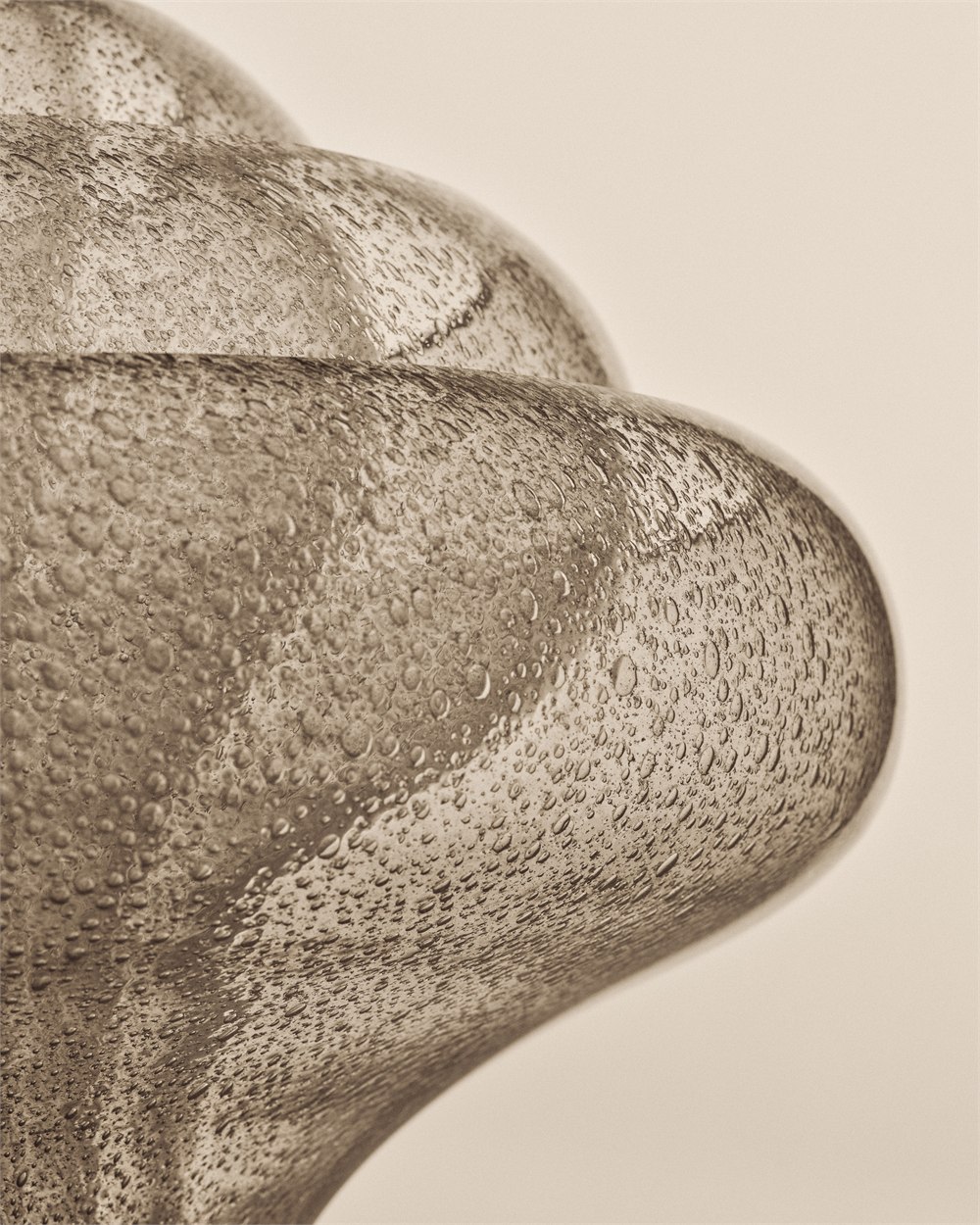
The bubbles are supposed to be there
The glass uses the pulegoso technique, producing a bubbly, semi-opaque texture. GUBI notes that handcrafting introduces variations in thickness, curvature, and the way light passes through each piece. Matching lamps will therefore have individual differences rather than the absolute sameness of two plastic storage bins.
That texture is especially appealing close up. From across the room, you get the outline; move closer and the surface becomes the attraction. It is the decorating equivalent of a good jacket lining: the detail rewards attention without demanding that everyone stop talking so you can explain it.
The practical appeal is easier to understand when you separate the lamp’s jobs. It has a lighting role, a decorative role, and a fairly convincing side career as a reason to clear the mail off your console.
- For atmosphere: the layered shade creates diffused ambient light rather than presenting an exposed bulb.
- For a focal point: give the silhouette a simple background so the overlapping rims remain visible.
- For material lovers: the bubble texture provides interest beyond the lamp’s overall shape.
- For styling: a relatively uncluttered surface lets the glass remain the center of attention.
A little history beneath the glow
The original lamp was known as the LT305. According to GUBI’s account, collectors gave it the Lotus nickname because of its layered form. That is a pleasingly organic way for a product to acquire a name: people looked at it, saw a flower, and did the branding department’s work for free.
Wallpaper’s September 23, 2026 coverage places the reissue in GUBI’s current collection and describes a compact steel structure supporting the individual glass shades. The design’s apparent simplicity depends on those separately made pieces fitting together precisely. A calm-looking object can still be a complicated thing to manufacture.
For anyone comparing it with an ordinary shaded table lamp, these are the main distinctions to keep in mind. The point is the construction and visual effect, rather than a long checklist of electronic tricks.
| Detail | What it means here |
|---|---|
| Designer and original date | Carlo Nason, 1969 |
| Shade arrangement | Four nested glass layers |
| Surface character | Bubbly pulegoso glass |
| Lighting role | Soft ambient illumination |
| Current US finish | Bubble Glass with Black Chrome base |
The history is interesting, but you do not need a design degree to enjoy the result. It is perfectly acceptable to look at a carefully reissued piece of Italian lighting and think, “Excellent. A luminous glass artichoke.” Appreciation has many dialects.
Where would you actually put it?
A console, sideboard, or generously sized side table seems like a natural starting point. Those placements give you somewhere to appreciate the whole shape without making it compete with a keyboard, water bottle, charging cable collection, and the mysterious screw you are afraid to throw away.
Consider the view from your usual seat, too. A sculptural lamp earns its place when you can actually see it. Hiding this one behind a chair would be a bit like buying a painting and displaying it facing the wall because the frame had a nice back.
Because the appeal is ambient lighting, think of it as one part of a room’s lighting arrangement. If your evening involves small print, sewing, or detailed work, choose task lighting for that job separately. A beautiful glow and a practical reading setup can coexist without asking one lamp to become an entire electrical department.
The glass construction also deserves a sensible location. A stable surface away from an enthusiastic dog’s tail or a frequently swung bag is a better home than the edge of a busy passageway. Measure your intended spot and consult the current product specifications before ordering; a photograph alone is a terrible tape measure.
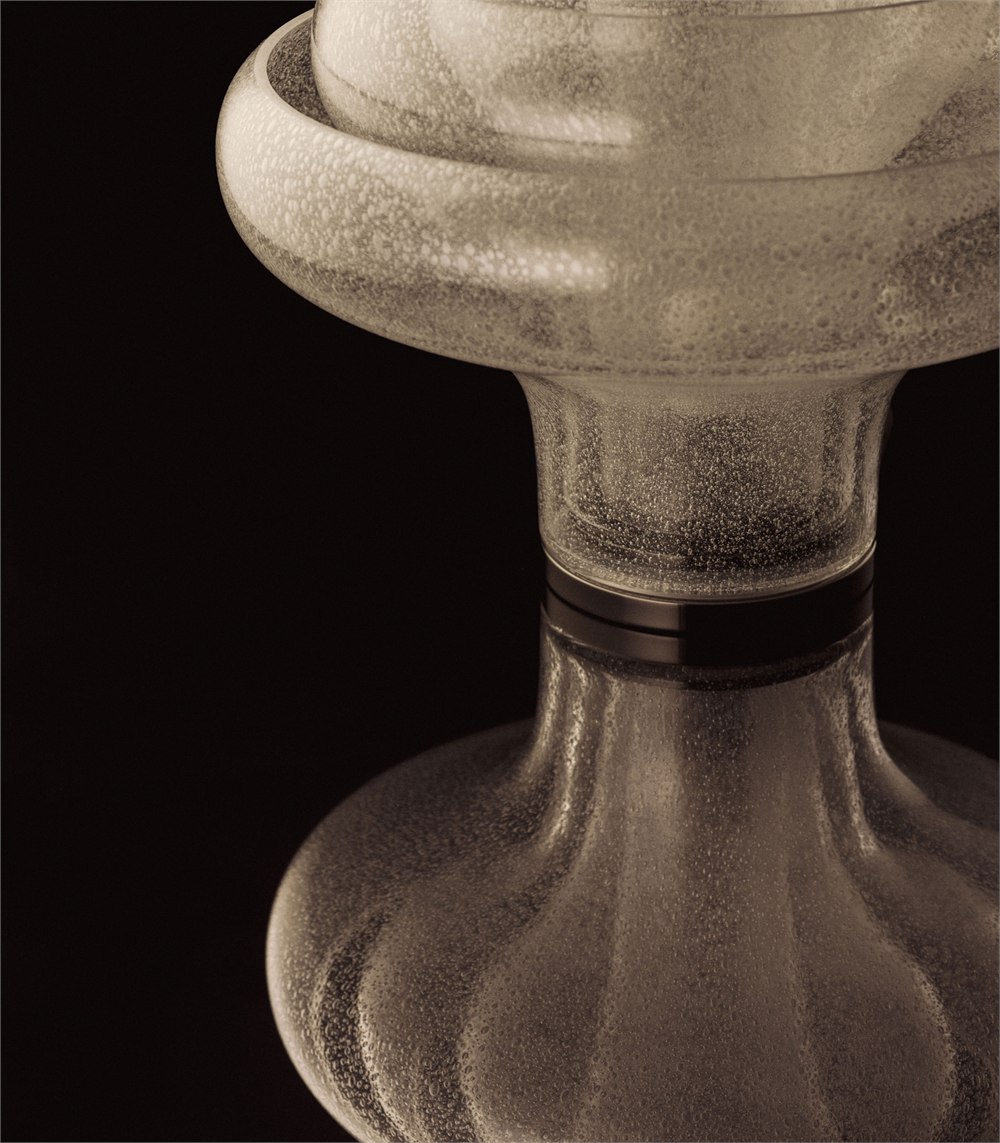
Product photography: GUBI. Additional GUBI press photography via Wallpaper.
The details to remember
- GUBI’s Lotus is a reissue of Carlo Nason’s sculptural table lamp.
- Layered bubble glass gives it its flower-like appearance and diffuse glow.
- The finish shown is Bubble Glass with a Black Chrome base.
- Handmade variation is part of the glass’s character.
- Its strongest role is decorative ambient lighting.
The US GUBI listing currently shows $5,499 excluding VAT and says online availability begins October 20. At the time of writing, the page offers an availability notification rather than an immediate online purchase. Confirm taxes, delivery, electrical specifications, and local availability with GUBI before making plans around it.
That price puts the Lotus firmly in collectible design territory. This is a purchase for somebody who cares deeply about glass, lighting, or a room’s one extraordinary object. For everyone else, it is an excellent reminder that a lamp can still surprise you without needing a password.
| Pros | Cons |
|---|---|
| Distinctive layered silhouette | Luxury-level price |
| Soft ambient glow | Not a substitute for dedicated task lighting |
| Individual handmade glass character | Glass needs careful placement and handling |
| Historical design returned to production | Online availability is scheduled for October 20 |
Save this find.
Thank yourself later.
Your next great gift idea. Your someday space. Your collection of wonderfully weird things.
Save to PinterestPick a board. Keep the inspiration.
This Layered Glass Table Lamp Turns Four Nested Shades Into a Glowing Flower
Where to find This Layered Glass Table Lamp Turns Four Nested Shades Into a Glowing Flower
OddityMall may earn a commission from qualifying purchases at no extra cost to you.