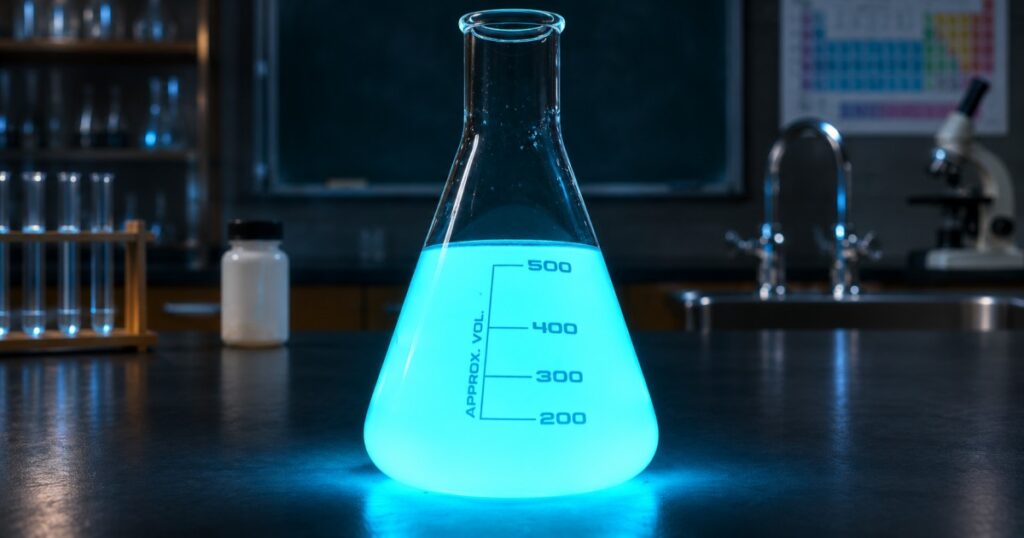
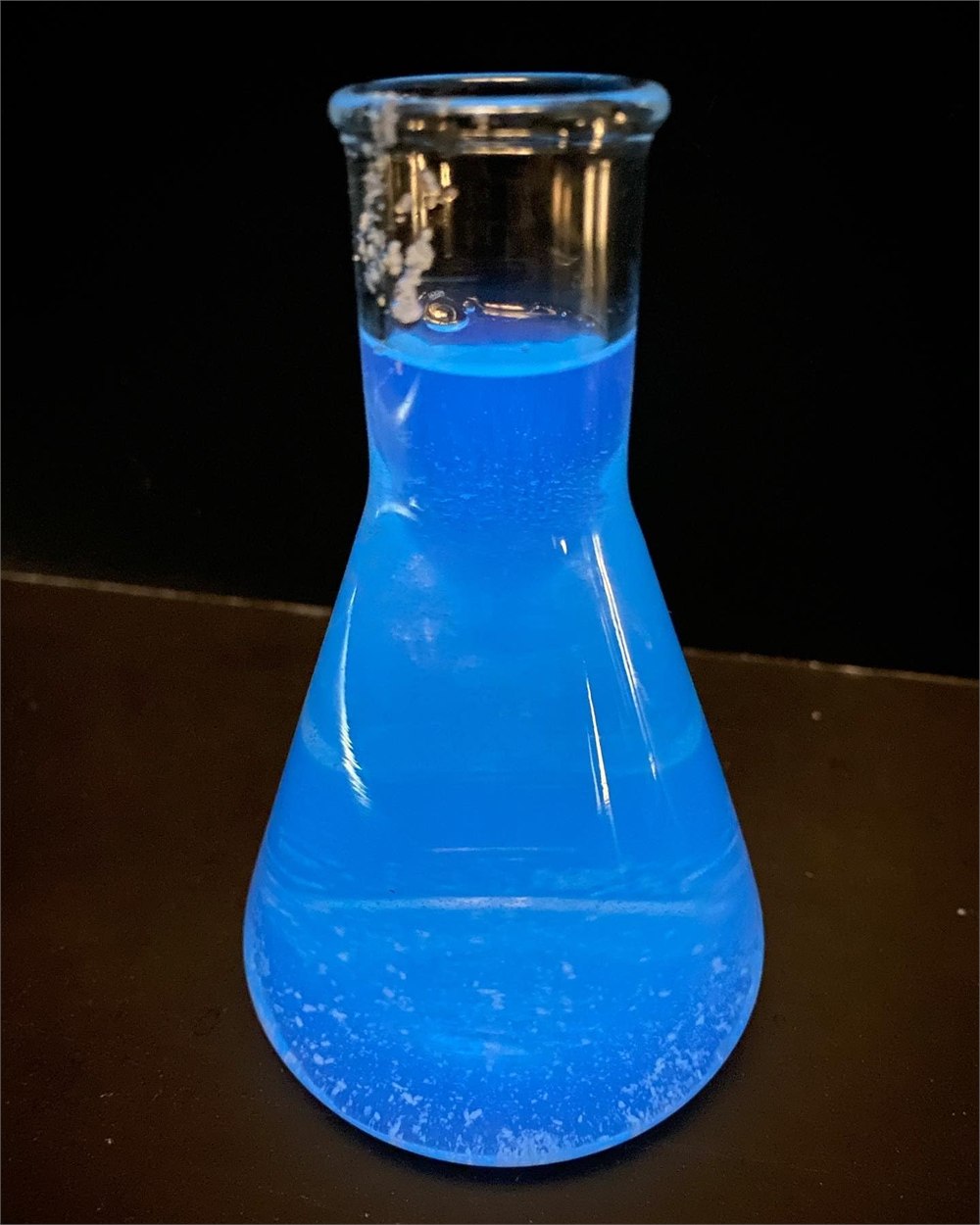
Turn out the lights in a chemistry classroom and a flask usually disappears. With the Innovating Science Instant Light Powder kit, the flask is suddenly the easiest thing in the room to find. The liquid inside gives off blue light. There’s no bulb tucked under the table, and the teacher hasn’t quietly plugged the beaker into the wall. The light is coming from a chemical reaction in the water.
What’s hiding in that little bottle?
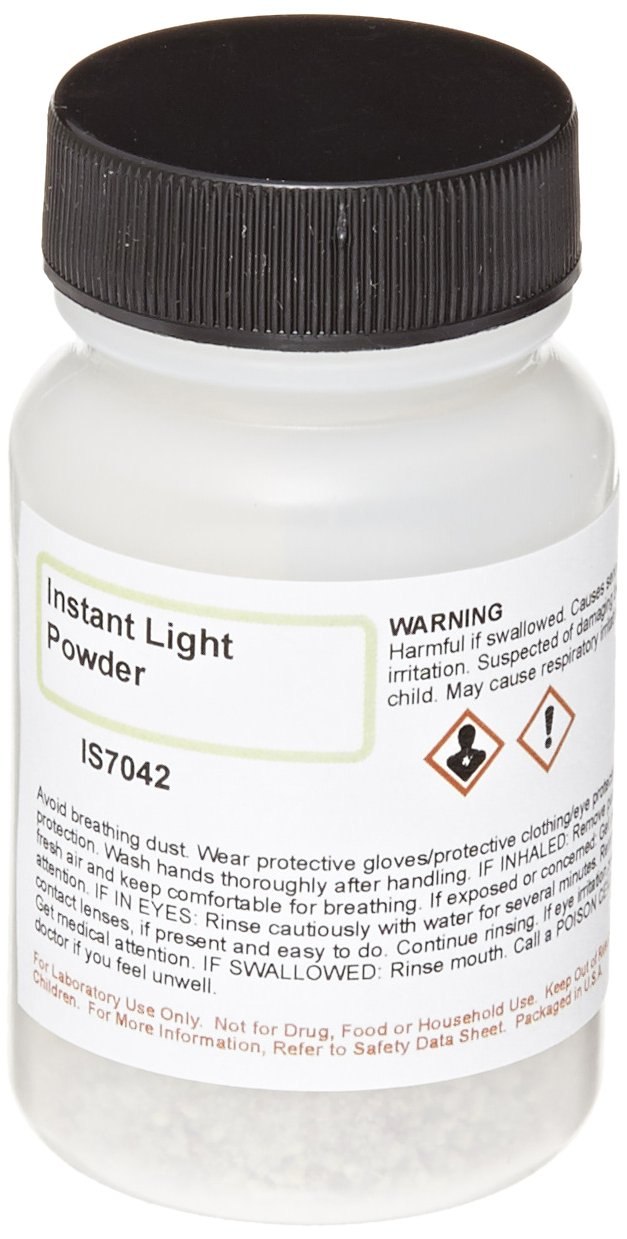
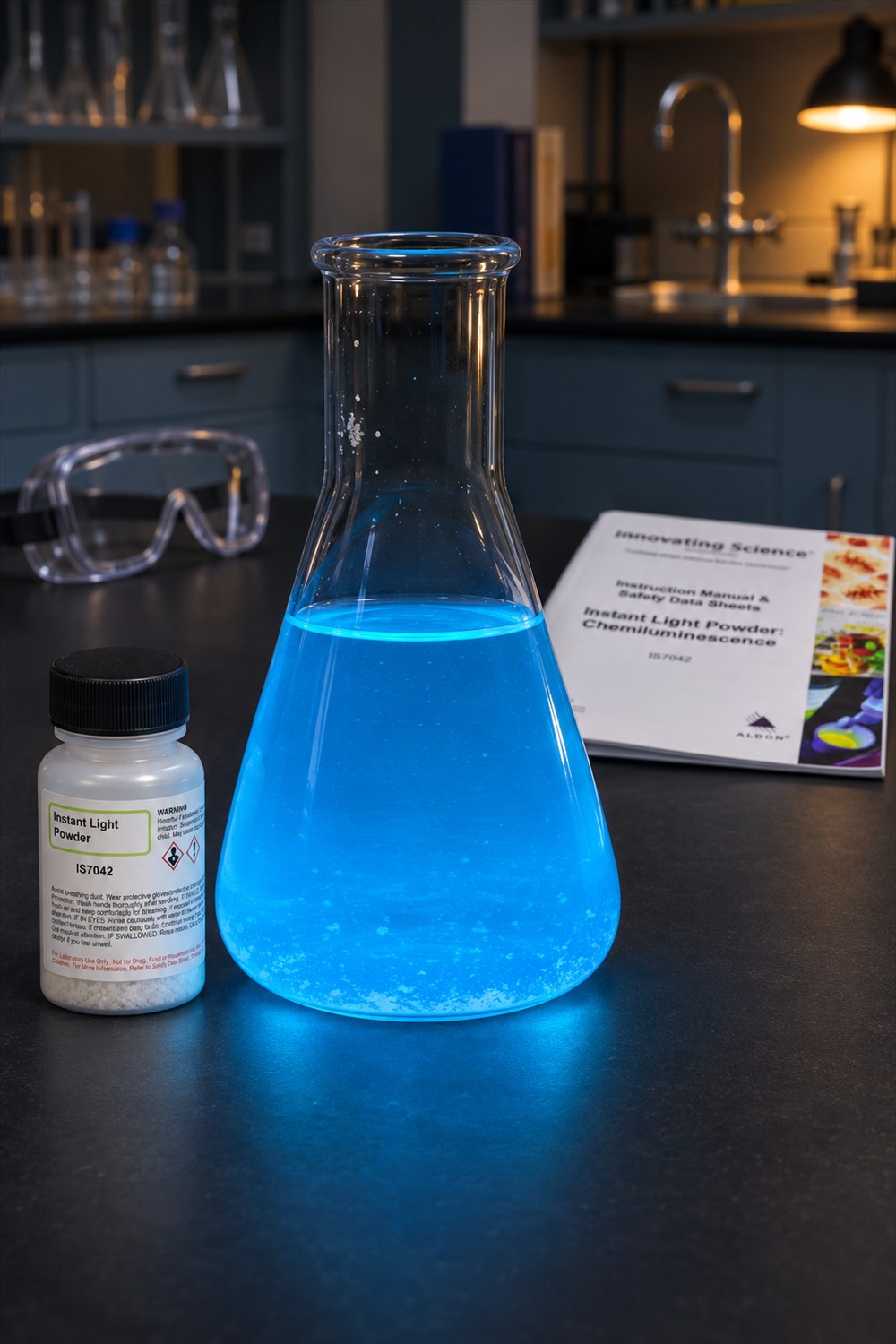
The kit looks modest on the way in. Aldon packages the powder in a small bottle with a black screw cap and supplies an instruction manual and safety data sheets. Put the bottle next to the paperwork and the paperwork looks like the main event. It’s a pretty good disguise for a demonstration whose entire point is to be seen from across a lab bench.
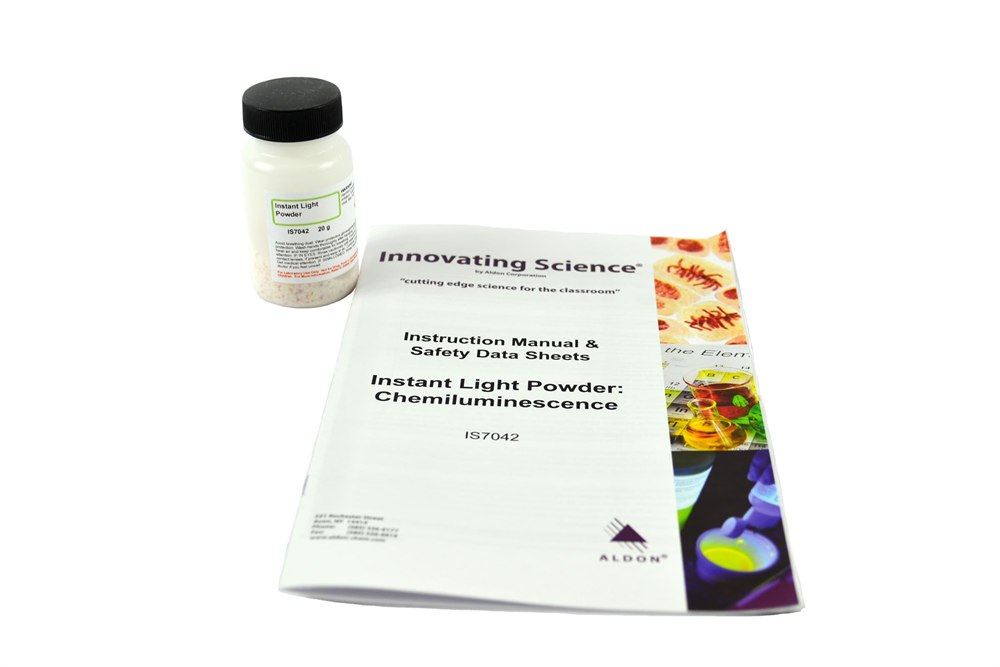
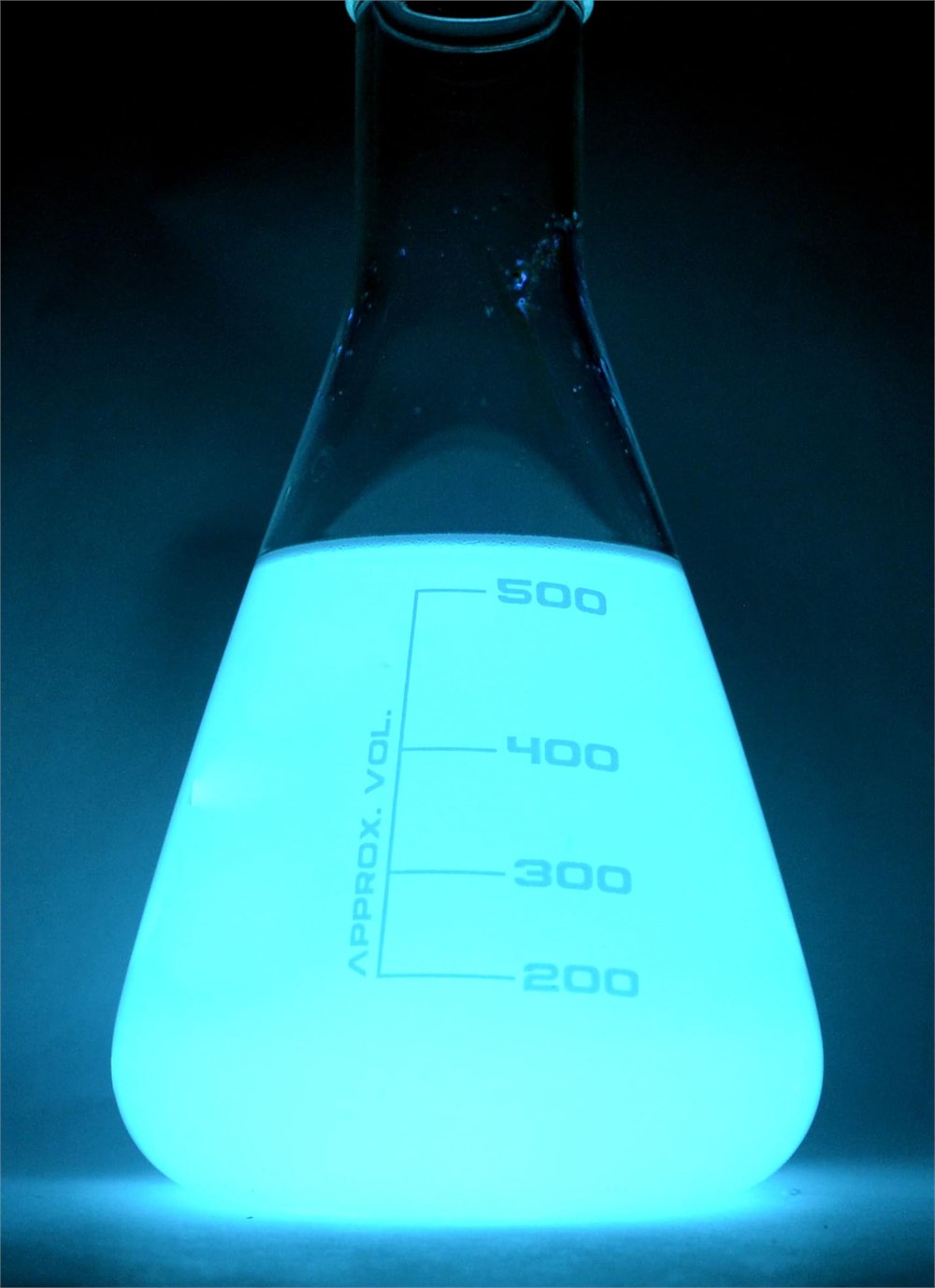
The product is called Instant Light Powder, and the model number is IS7042. That’s handy if you’re shopping for a class: Aldon also sells other chemiluminescence demonstrations. This particular version uses a prepared powder and water. The photo of the glowing flask shows the result; the picture of the bottle and booklet is the one to consult when planning what you’ll need to bring to the bench yourself.
Where the blue comes from
Think about how many familiar ways of lighting a room require something else to do the work. A flashlight needs a battery. A fluorescent poster needs light shining on it. A candle needs a flame. In chemiluminescence, a reaction leaves molecules in an excited state. As they return to a lower energy state, some of that energy leaves as light. Here the visible payoff is blue, all the way down to the wide base of the flask.
That last detail makes a good question for the audience. Is the glass glowing, or is it the liquid? Look at the manufacturer’s photograph: the neck above the liquid stays dark except for light catching its edges. The bright area has a flat upper boundary at the surface of the water. You could explain that with a diagram. The flask has rather kindly drawn one for you.
Related posts:
 This Garden Hose Filter Cleans Out Harsh Chemicals When Filling Up Kids Pools and Water Toys
 This Ingenious Umbrella Flask Lets You Sneak Booze Into Stadiums, Concerts
 This Ankle Monitor Flask Hides a 5-Ounce Party Bottle
 This Santa Stocking Wine Flask Should Be The Only Stocking On Your Fireplace If You Have No Kids
The word “powder” also invites the wrong comparison. Glow-in-the-dark stars on a bedroom ceiling absorb light and give some of it back later. Charging the stars under a lamp makes sense. That isn’t the trick being sold here. Water and the prepared material bring about a chemical change. There’s no need to build a lesson around charging up a bottle in a sunny window.
Give the audience something to look for
It’s tempting to start with a definition long enough to empty the front row. Try holding the vocabulary for a moment. Before the demonstration, ask students what they expect to see when a white powder meets water. Cloudiness? Something settling on the bottom? Then let them describe the actual change in ordinary language. The long word has a much better chance of sticking once everyone knows which surprising thing it names.
- Ask where the light seems to originate: in the glass, beneath it, or throughout the liquid.
- Compare the brightness of the liquid with its reflection on the bench.
- Have one observer describe the color and another sketch the boundary between liquid and air.
- Afterward, ask which observations would still make sense if a hidden lamp had produced the effect.
A useful comparison is one students can make without handling the chemicals themselves. Put three familiar kinds of light on the board and ask the group to identify the energy source. “It glows” turns out to be a perfectly good observation and a spectacularly unhelpful explanation. The distinctions are easier to remember with a blue flask sitting right in front of you.
| Example | Where the light comes from | What to notice |
|---|---|---|
| Battery flashlight | Electrical energy | The light comes from a particular component. |
| Glow-in-the-dark ceiling star | Energy absorbed from earlier illumination | The star can keep shining after the lamp goes out. |
| Instant Light Powder demonstration | A chemical reaction | The liquid itself is the visible source. |
Five demonstrations, with a little planning
Aldon specifies enough material for five demonstrations. For a teacher with multiple sections, that means the last class of the day needn’t settle for a secondhand description from the first. It also gives a science club a reason to repeat a familiar result: the second time around, the audience can watch the details it missed while everyone was busy saying, quite reasonably, “Wait, what?”
Plan around demonstrations, though, rather than assuming five means five complete student stations. There’s one kit and a finite supply of powder. A teacher presenting to a group and a class in which every student expects a personal glowing beaker are two very different shopping lists. The same goes for the glassware: set aside appropriate lab equipment and check the instructions before promising anyone a front-row light show.
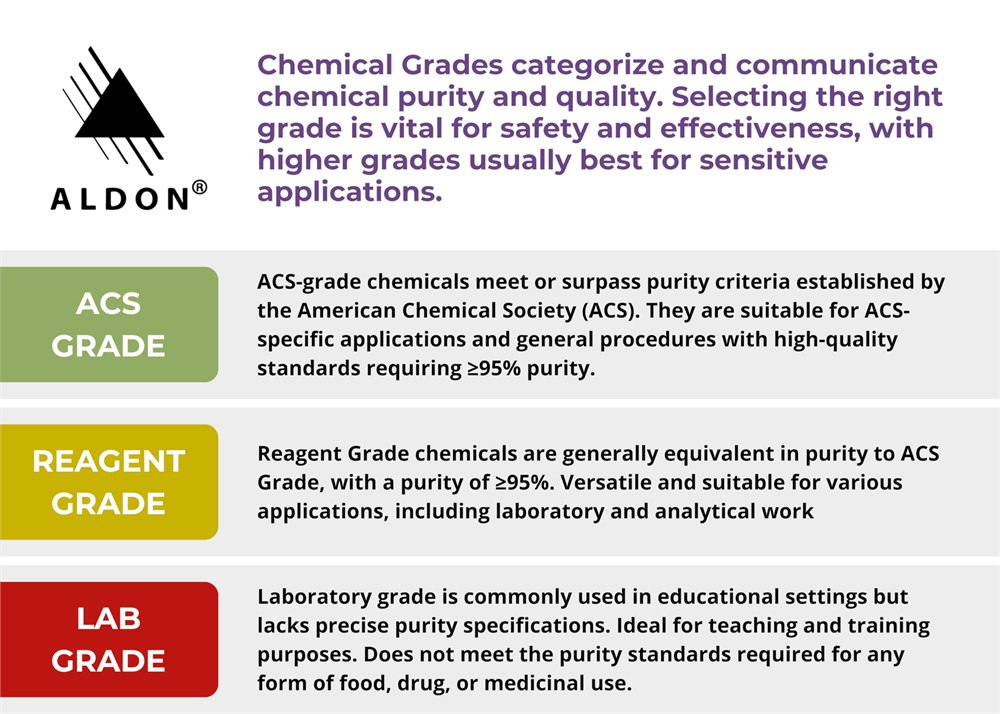
The manufacturer’s chemical-grade guide is a reminder of the audience here. This is an educational laboratory product. A neat reaction doesn’t make the powder a craft pigment, a drink additive, or something to sprinkle into party favors. Keep the bottle and its paperwork together so the next instructor gets the handling information as well as the fun part of the lesson.
The listing specifies ages thirteen and older with adult supervision. Read the supplied safety data sheets and directions for handling, protective equipment and disposal before setting up. Keep enough light to move around the lab safely. A clear sightline and a little contrast are far more useful than a roomful of students trying to find their stools in pitch darkness.
What you get for the price
Amazon listed the single kit at $20.59, sold by The Lab Stockroom. Across five demonstrations that works out to about $4.12 in kit materials per presentation, before tax or any separate supplies. That’s a more useful comparison for a department budget than pricing it against a bag of glow sticks: you’re buying a repeatable lesson for an audience, not a glowing souvenir for each person to take home.
- Product: Innovating Science Instant Light Powder, model IS7042.
- Effect: a blue light produced by a chemical reaction in water.
- Contents: prepared powder, directions and safety documentation.
- Capacity: material for five supervised demonstrations.
- Best setting: a properly equipped educational lab with an adult leading the activity.
| Pros | Cons |
|---|---|
| The light source is visible in the liquid itself. | Bright surroundings can make the effect harder to see. |
| One kit covers several class periods. | The powder supply is consumable. |
| Prepared material keeps the lesson focused on observation. | Lab equipment and adult supervision still need to be arranged. |
Save this find.
Thank yourself later.
Your next great gift idea. Your someday space. Your collection of wonderfully weird things.
Pick a board. Keep the inspiration.
This Instant Light Powder Kit Makes Water Glow Blue
At a glance
Product snapshot
- Listed price
- $20.59Prices and availability can change. Check the seller for current details.
- Where to find it
- Amazon.com
- Category
- Toys
Related posts:
This Garden Hose Filter Cleans Out Harsh Chemicals When Filling Up Kids Pools and Water Toys
This Ingenious Umbrella Flask Lets You Sneak Booze Into Stadiums, Concerts
This Ankle Monitor Flask Hides a 5-Ounce Party Bottle
This Santa Stocking Wine Flask Should Be The Only Stocking On Your Fireplace If You Have No Kids