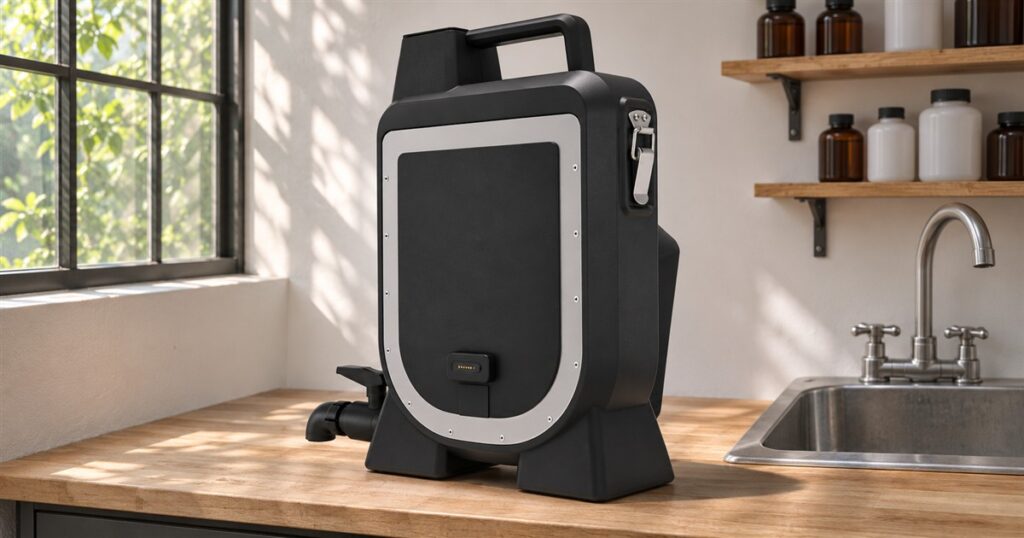
Shooting a movie on film is a lovely way to turn a relaxing afternoon into a logistics department. First comes the camera. Then comes the exposed roll. Then comes the part where your artistic vision sits around waiting to become something you can actually look at. Fränk wants to bring one big chunk of that process onto your own workbench.
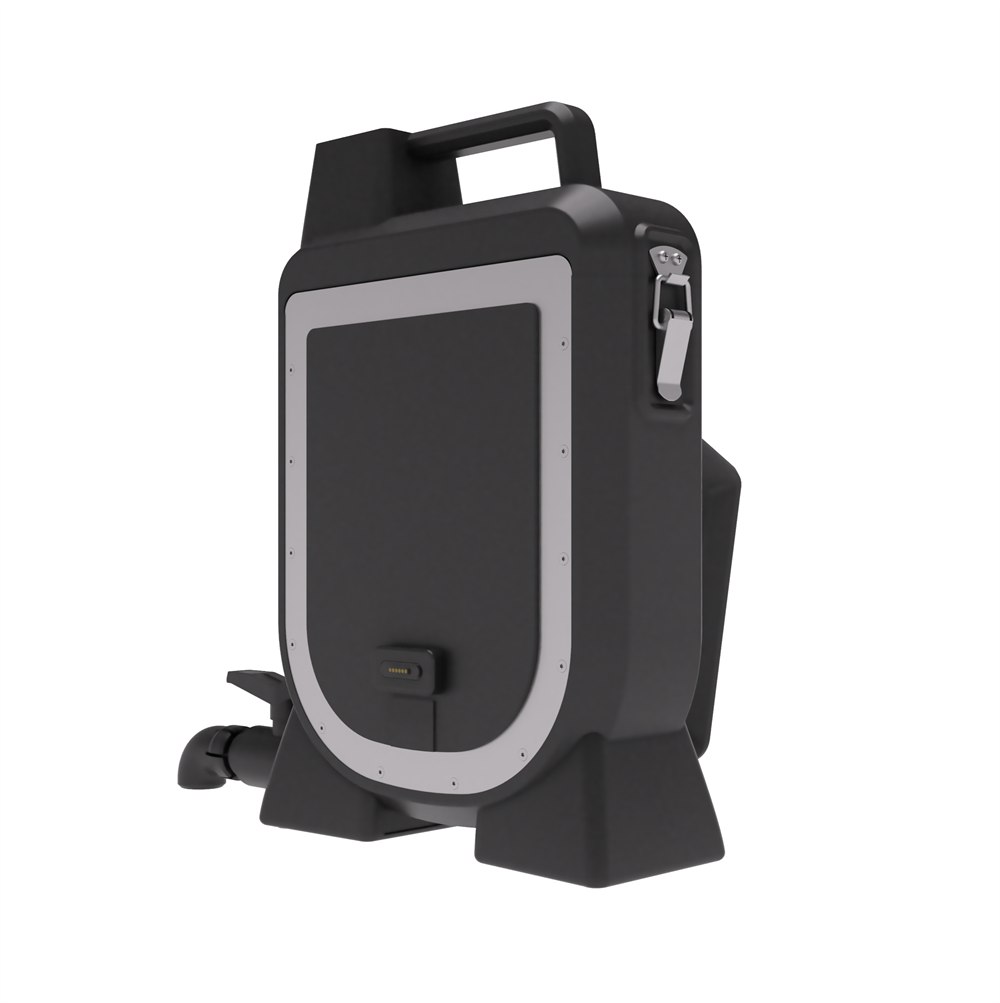
Created by Estonia’s Vintage Visual, Fränk is a semi-automatic home cine film processor for Super 8, Double 8, and 16mm. It handles motorized agitation, timing, and temperature-based adjustments while you handle loading and changing the chemistry. Think of it as a very focused assistant whose entire job description is “please keep this film moving correctly.”
The distinction matters. This isn’t a cartridge toaster that spits out a finished digital movie. You still have a real film-development workflow, with real preparation and cleanup. What Fränk offers is a machine to take over some of the repetitive attention that normally makes that workflow feel like babysitting a science project.
A home film processor with a rotating reel
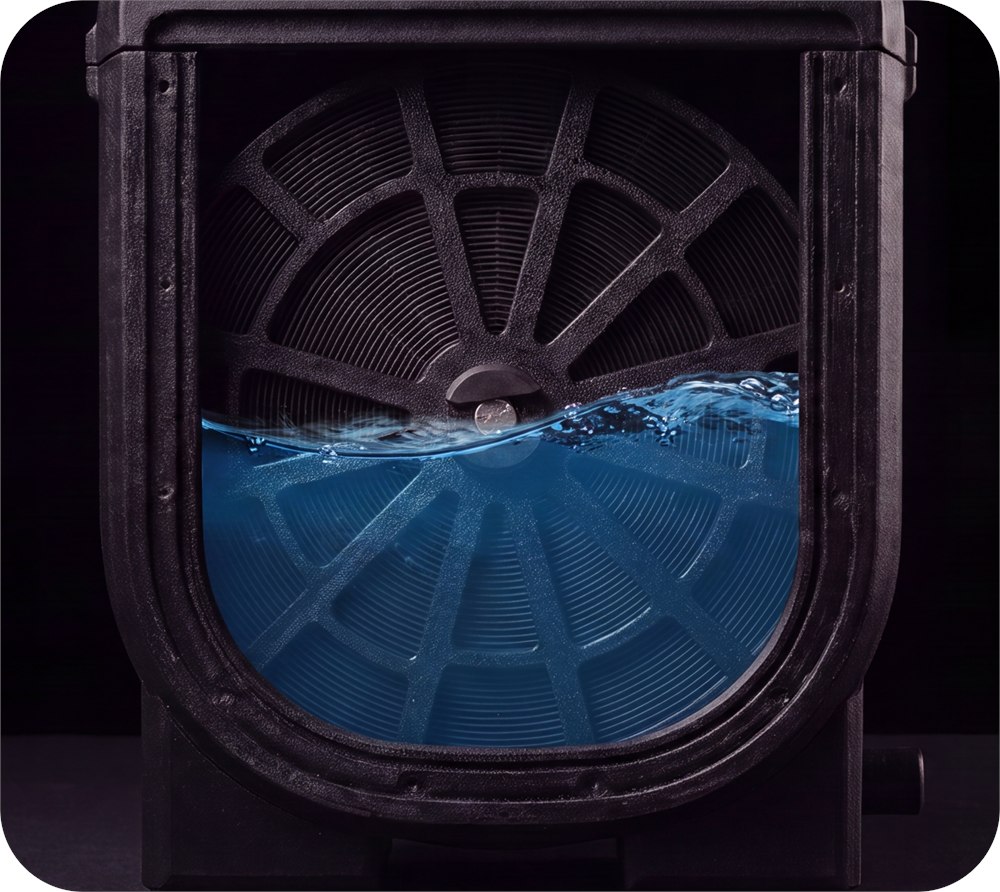
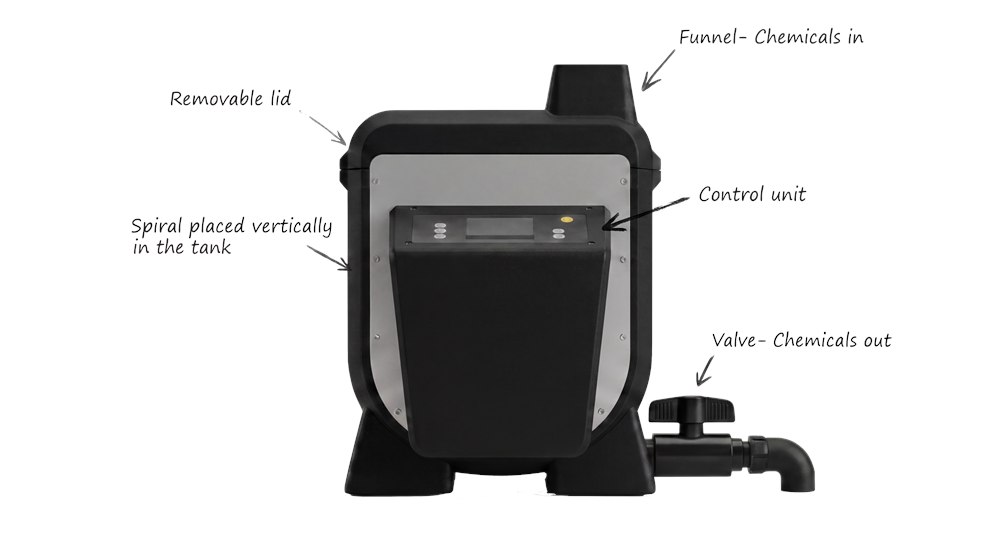
Fränk’s central trick is a vertical double-spiral reel. Instead of asking you to maintain a hand-agitation routine, a motor continuously rotates the reel through the chemistry. The maker’s cutaway illustration shows how only part of the upright reel needs to be submerged at a time.
That arrangement is designed around one litre of chemistry per fill. The reel does the moving, and the liquid gets to stay in its designated workplace. Anyone who has ever lost track of a repetitive task because the doorbell rang will understand the appeal of assigning the repetitive part to a motor.
Related posts:


The maker says its temperature sensor also adjusts development time as the chemistry temperature changes. That is a useful distinction from simply running a fixed countdown. The machine responds to what it measures, rather than assuming every minute happens under identical conditions.
It does not, however, heat cold chemistry for you. You pre-warm your chemistry in a suitable water bath before pouring it in. Temperature compensation is part of the control system; it isn’t a tiny boiler hiding in the box. Your preparation still matters, even if the machine has volunteered to watch the clock.
You still get to be the person with the bottles
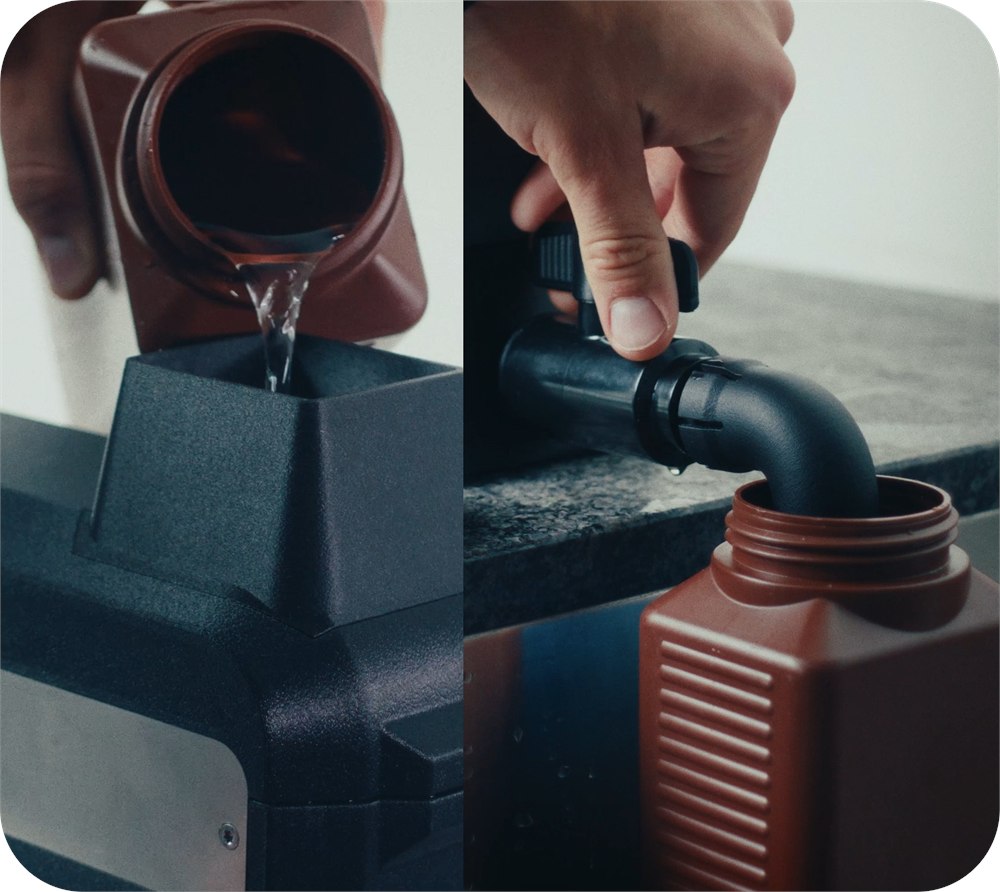
Liquid goes in through a funnel at the top and comes out through a valve at the bottom. The pours and drains remain manual. A built-in alarm tells you when Fränk needs attention, so the routine has a clearer division of labor: it handles the motion and timing between interventions, and you return for the chemistry changes.
That makes this particularly interesting for people who enjoy the hands-on side of film but would happily retire from the position of Human Agitation Mechanism. It preserves the involvement without making every repetitive action your responsibility. There is still enough craft here to feel satisfying, and enough machinery to justify clearing some bench space.
Before planning a spot for it, consider the whole activity around it. You’ll want room to prepare and handle the appropriate chemistry, load film properly, and dry the developed material afterward. A processor is one piece of a workspace, even when it looks compact enough to introduce itself as an appliance.
- Load the film onto Fränk’s own reel before processing.
- Prepare and pre-warm chemistry for the process you intend to run.
- Let the motor and timing system handle agitation and temperature compensation.
- Return when needed to drain and add chemistry manually.
- Allow for drying and a separate scanning or projection workflow afterward.
Three film formats, with a capacity detail worth knowing
Super 8, Double 8, and 16mm are the advertised formats. The reel has two independent 50-foot compartments, giving it up to 100 feet of capacity across both sides. That’s a useful amount of film, but the compartment arrangement deserves more attention than a single large number on a spec sheet.
A standard 100-foot 16mm roll has to be divided into two lengths for loading. If you want it back as one continuous strip afterward, that means splicing the sections together. It is a manageable consideration for the right filmmaker, but it is still a consideration. Your movie may be experimental; your expectations should be fairly specific.
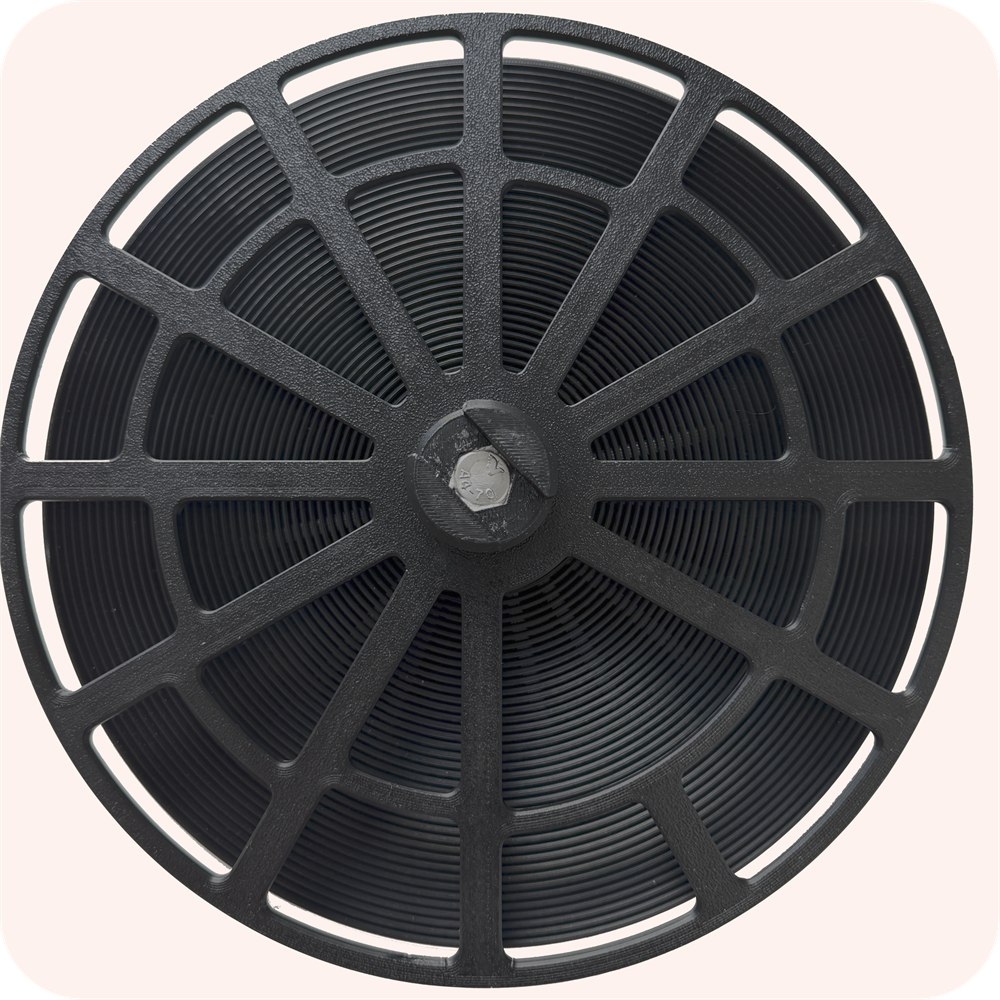
Fränk also uses its own supplied double-spiral reel. Vintage Visual explicitly says Lomo UPB-1A reel compatibility is not part of the launch. Existing equipment owners should check their workflow around that detail instead of assuming every familiar accessory will move straight across.
| Detail | What Vintage Visual lists |
|---|---|
| Film formats | Super 8, Double 8, and 16mm |
| Reel capacity | Two 50-foot compartments, up to 100 feet total |
| Chemistry volume | One litre per fill |
| Motion | Continuous motor-driven agitation |
| Temperature control | Sensor-based time compensation; chemistry needs pre-warming |
| Size and weight | 162 × 370 × 330 mm; 4.8 kg |
Room for people who like adjusting everything
Vintage Visual lists support for C-41, ECN-2, ECP, E-6, and black-and-white processes. As always with film, matching your materials and procedure matters. This isn’t a promise that every bottle on a shelf can be poured into the same program and produce a masterpiece.
For people who want more control, the technical page describes a Wi-Fi connection to a browser interface on a phone or laptop. There, you can build and save custom programs or adjust the defaults step by step. No separate app is required for that interface. The person who already keeps meticulous development notes is probably sitting a little straighter right now.
The listed power setup uses two 18650 lithium-ion cells, with USB-C charging. The planned construction combines injection-moulded plastic with stainless steel plates. At 4.8 kilograms, it is substantial enough to deserve a deliberate home rather than a precarious corner next to a stack of unrelated hobby supplies.
A developing product, in more than one sense
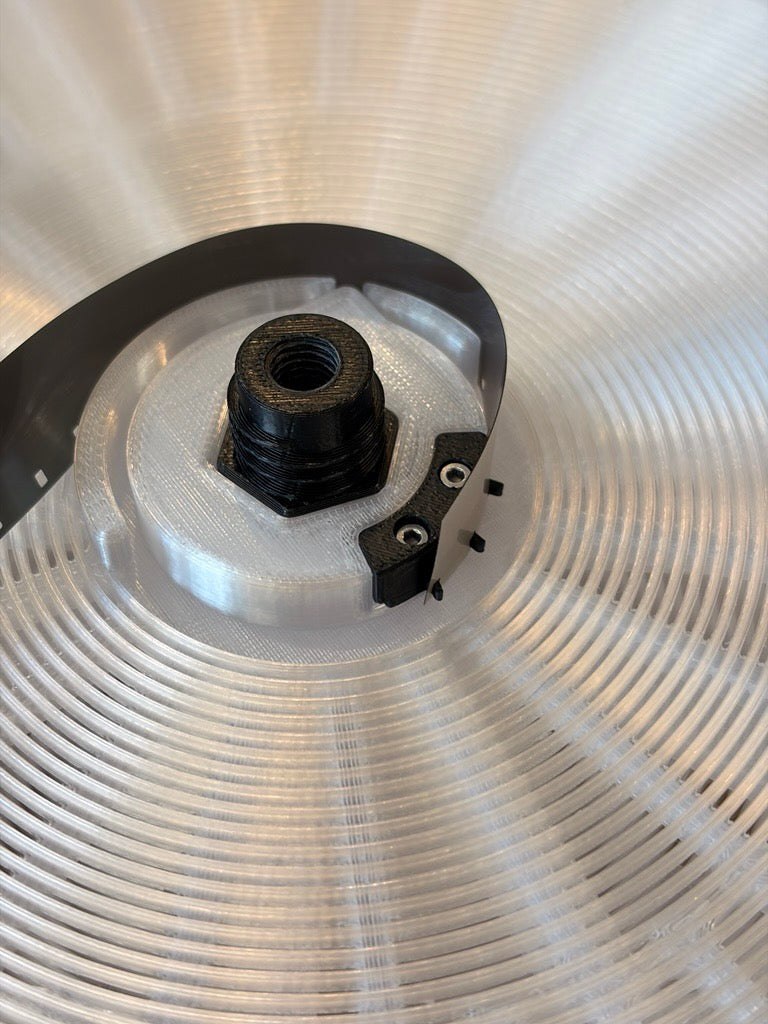
Fränk is still a preorder project. Vintage Visual has shared prototype tests and design changes, including work on reel geometry and the way the door stays secured. The September build diary describes changes prompted by testing, including mechanical latches and refinements intended to improve development consistency.
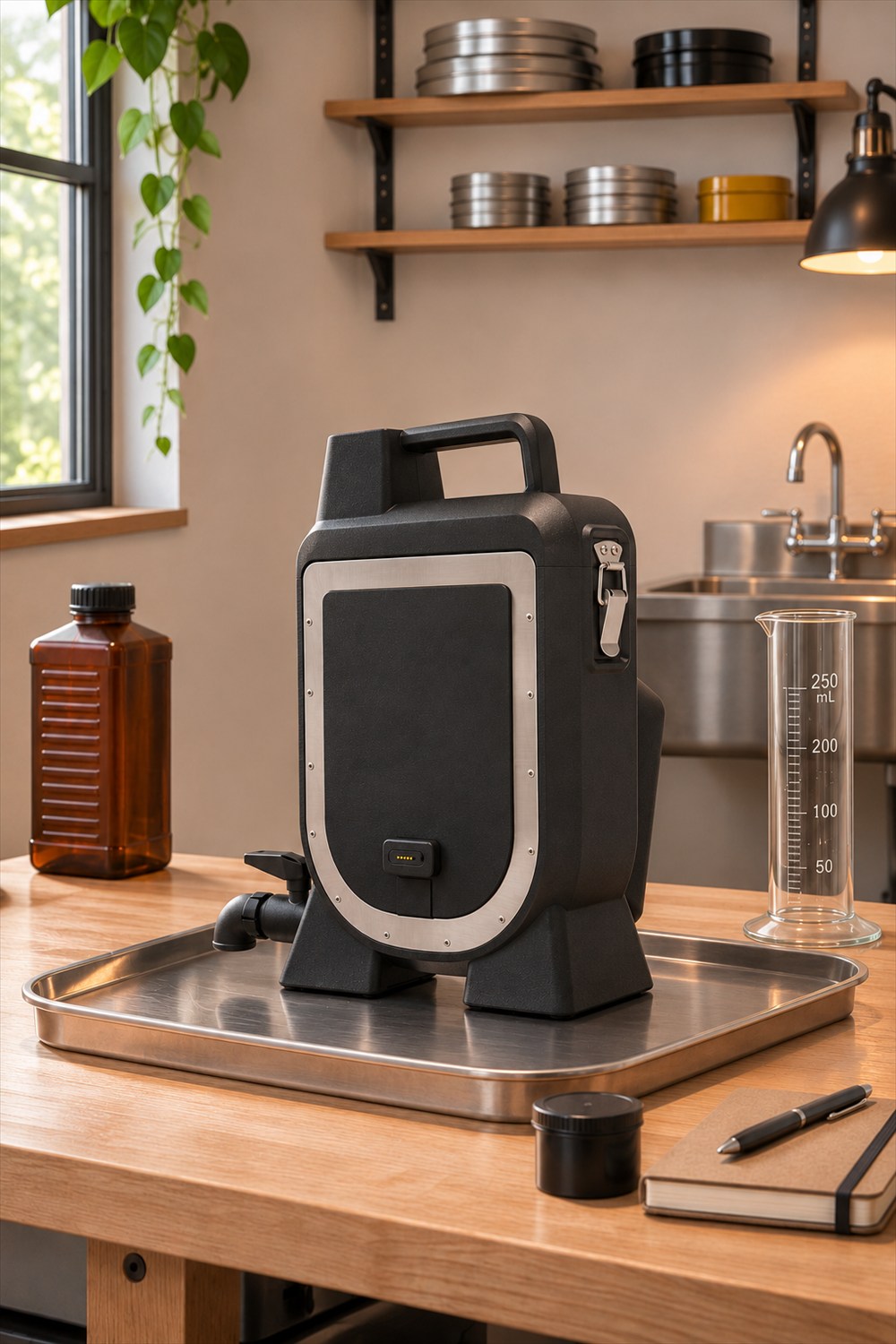
That openness gives prospective buyers something more useful than a mysterious glamour shot. It also means the images span prototypes, explanatory illustrations, and design renders. Treat them as a look at the project as it evolves, rather than proof that a finished production unit is already sitting in someone’s shipping department.
There’s another boundary to keep in mind: Fränk develops film, but it doesn’t scan it. If your goal is to edit or share the footage digitally, you still need a scanning solution or a lab that can do the transfer. Solving the chemical stage does not make the rest of the movie-making process evaporate, however strongly your calendar might wish it would.
The best fit is someone who shoots cine film regularly, wants greater control over home development, and understands the remaining manual steps. A person simply looking for a nostalgic video filter has a much shorter shopping list. For the committed film enthusiast, though, owning the process can be a large part of the attraction.
The useful details before you clear the workbench
- Dedicated cine film processor from Vintage Visual in Estonia.
- Supports Super 8, Double 8, and 16mm on its own included reel.
- Automates continuous agitation and temperature-adjusted timing.
- Requires manual film loading and chemistry changes.
- Uses one litre per fill and supports custom programs through a browser interface.
- Preorder product with delivery targeted for Q2 2027.
Vintage Visual currently lists Fränk at €1,085 for an Indiegogo preorder, against a planned retail price of €1,281. The maker says the funded campaign remains open for preorders, with Q2 2027 as the delivery target. That is a target for a product still moving toward production, rather than an in-stock dispatch date.
The official Fränk page has the current offer and delivery details, while its technical breakdown explains the workflow. Product imagery and development illustrations are courtesy of Vintage Visual. For the right filmmaker, this is an appealing way to bring more of the movie home. Just leave room for the bottles.
| Pros | Cons and considerations |
|---|---|
| Motor handles continuous agitation | Loading and chemistry changes remain manual |
| Temperature-based timing compensation | Does not heat cold chemistry |
| Supports three cine film formats | 100-foot 16mm rolls must be split for loading |
| Custom programs through a browser interface | Still requires film-processing knowledge and preparation |
| Brings development into a home workspace | Scanning is a separate step |
| Purpose-built reel and processor | Preorder delivery is targeted, not immediate |
Save this find.
Thank yourself later.
Your next great gift idea. Your someday space. Your collection of wonderfully weird things.
Save to PinterestPick a board. Keep the inspiration.
This Home Film Processor Develops Super 8 and 16mm With Motorized Agitation
At a glance
Product snapshot
- Listed price
- €1,085 preorder; €1,281 planned retailPrices and availability can change. Check the seller for current details.
- Where to find it
- Vintage Visual
- Category
- Gadgets