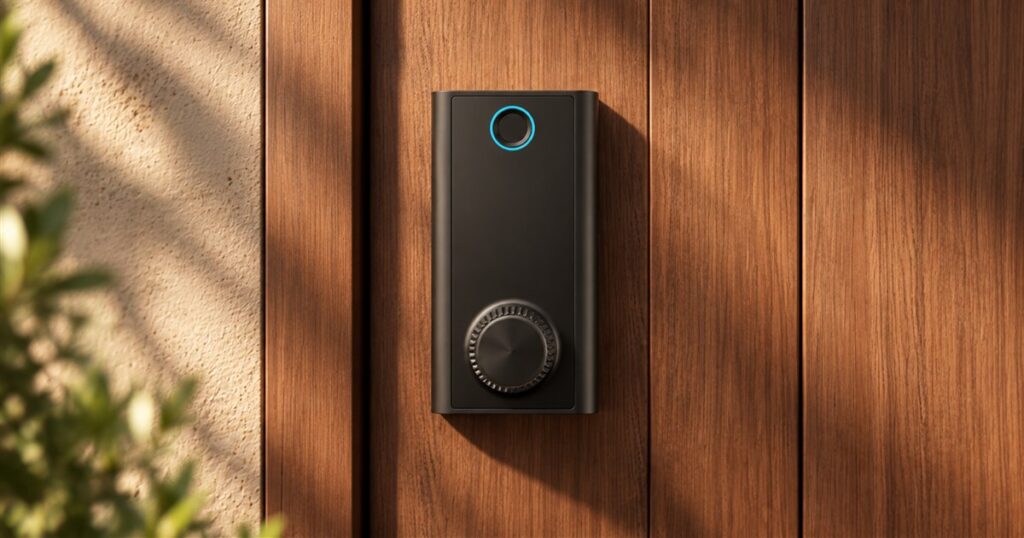
There is a special kind of humiliation reserved for standing outside your own house while a smart gadget decides it needs a nap. You have groceries, a melting pint of ice cream, and absolutely no interest in a battery-themed escape room. Ring’s new smart lock has a rather satisfying answer: give its built-in dial a few turns.
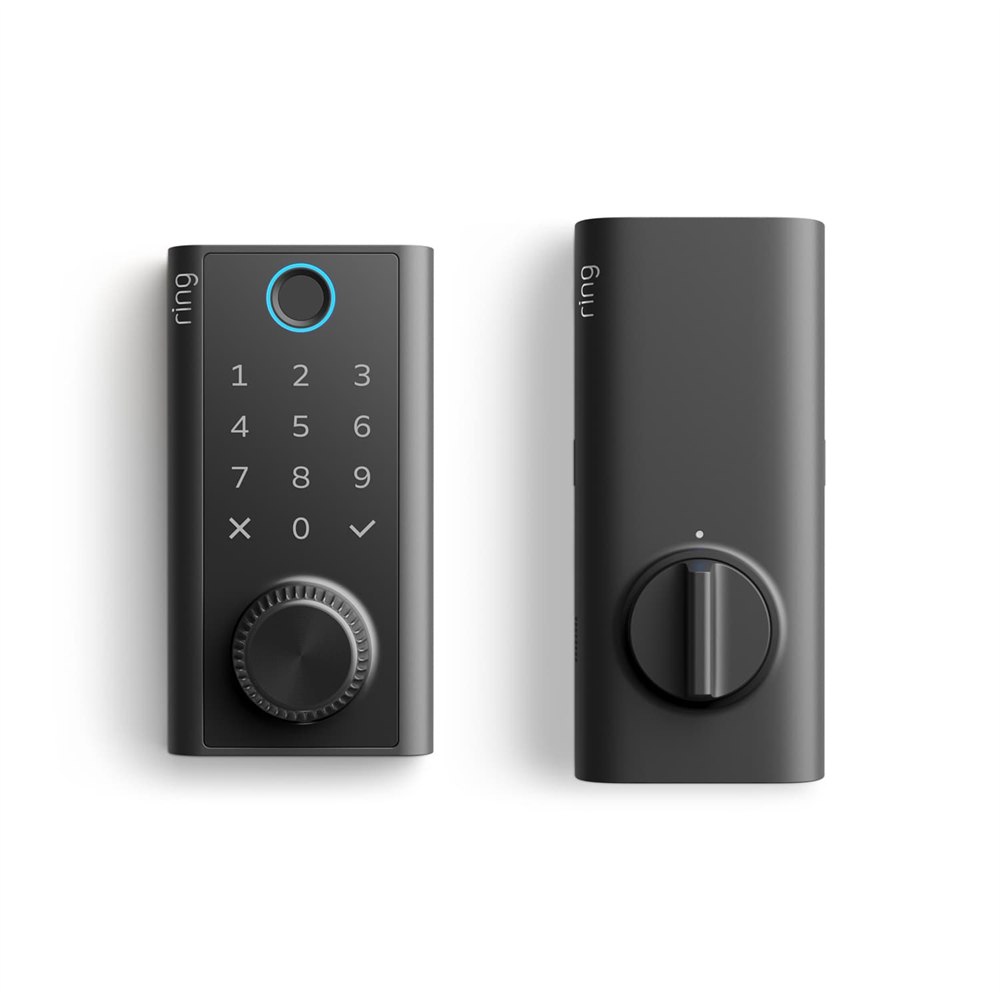
The Ring Smart Lock is an announced keyless door lock with a hand-powered backup. If its battery runs out, Ring says turning the power dial restores enough power to get the lock working again. Your wrist gets a brief assignment. Your ice cream gets a fighting chance.
That dial is the interesting bit. A touchscreen on a door is familiar territory by now, but a door lock that gives you something physical to do when its electronics run out of energy feels wonderfully practical. It brings a little wind-up-radio thinking to the front porch.
Before anyone reaches for a screwdriver, this is a forthcoming product. Ring is taking notification signups, with U.S. availability announced for early 2027. It is something to watch for a future door upgrade, rather than something you can have installed before tonight’s pizza arrives.
A backup you don’t have to remember to pack
The attraction is easy to understand if you have ever put an emergency item somewhere so sensible that you immediately forgot where it was. Spare keys have a remarkable talent for living in the wrong jacket. Emergency supplies are often very well organized inside the house you cannot currently enter.
Related posts:
 DoorJammer Is a Portable Door Lock That Lets You Lock Any Door
 Door Angel Prevents Anyone From Unlocking Your Door, Even If They Have The Key
 Ultimate Garage Door Opener, Ultra-Quiet, Modular, and Smart Phone Capable
 People Are Making Barn Door Baby Gates, Window Shutters, and TV Covers, and They Look Amazing
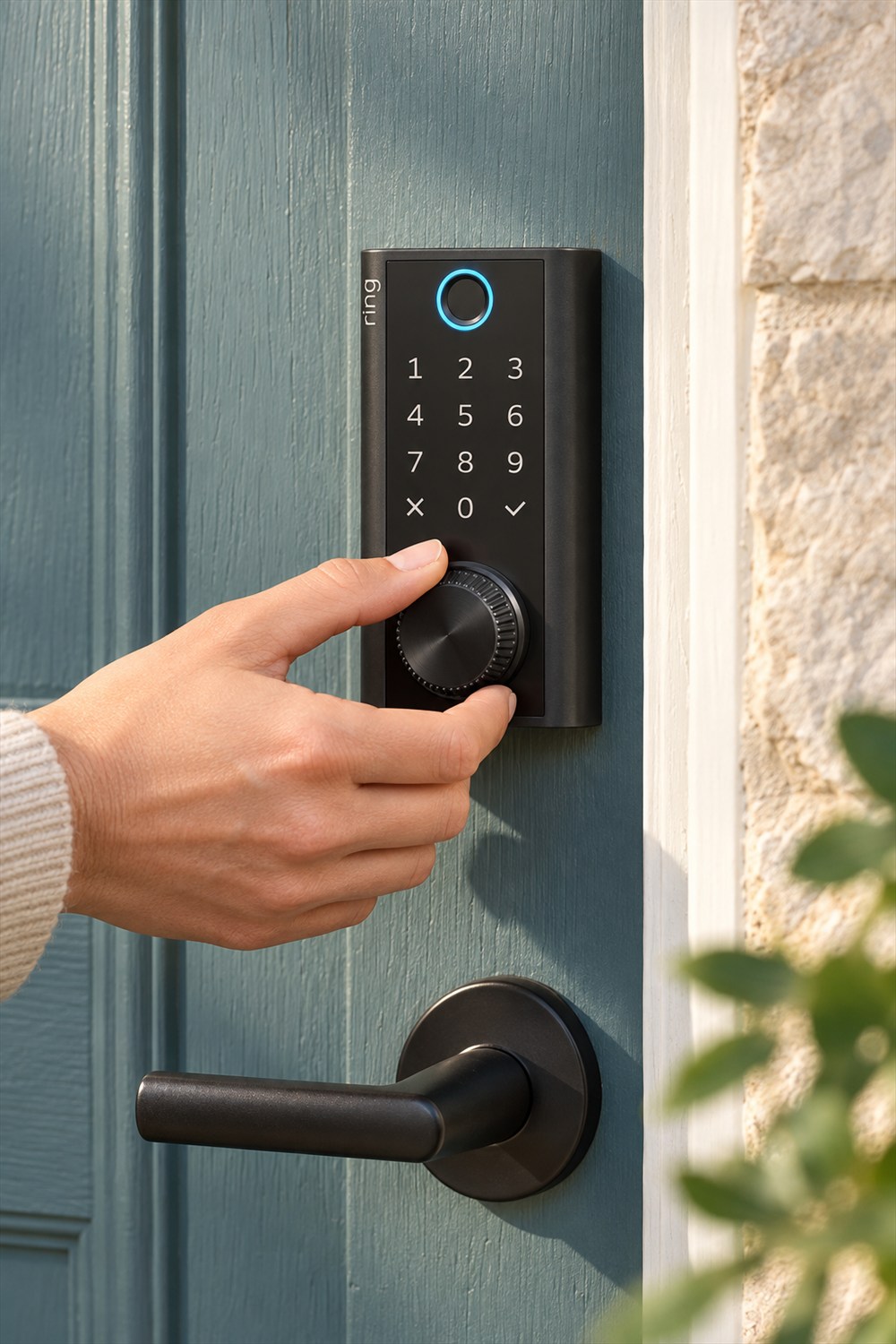
Here, the backup mechanism lives on the lock itself. The large circular dial sits below the keypad, where it is visible and reachable. Ring describes a few turns as sufficient to bring a depleted lock back to life. That is the advertised recovery behavior, not a promise that an occasional twist replaces ordinary battery care forever.
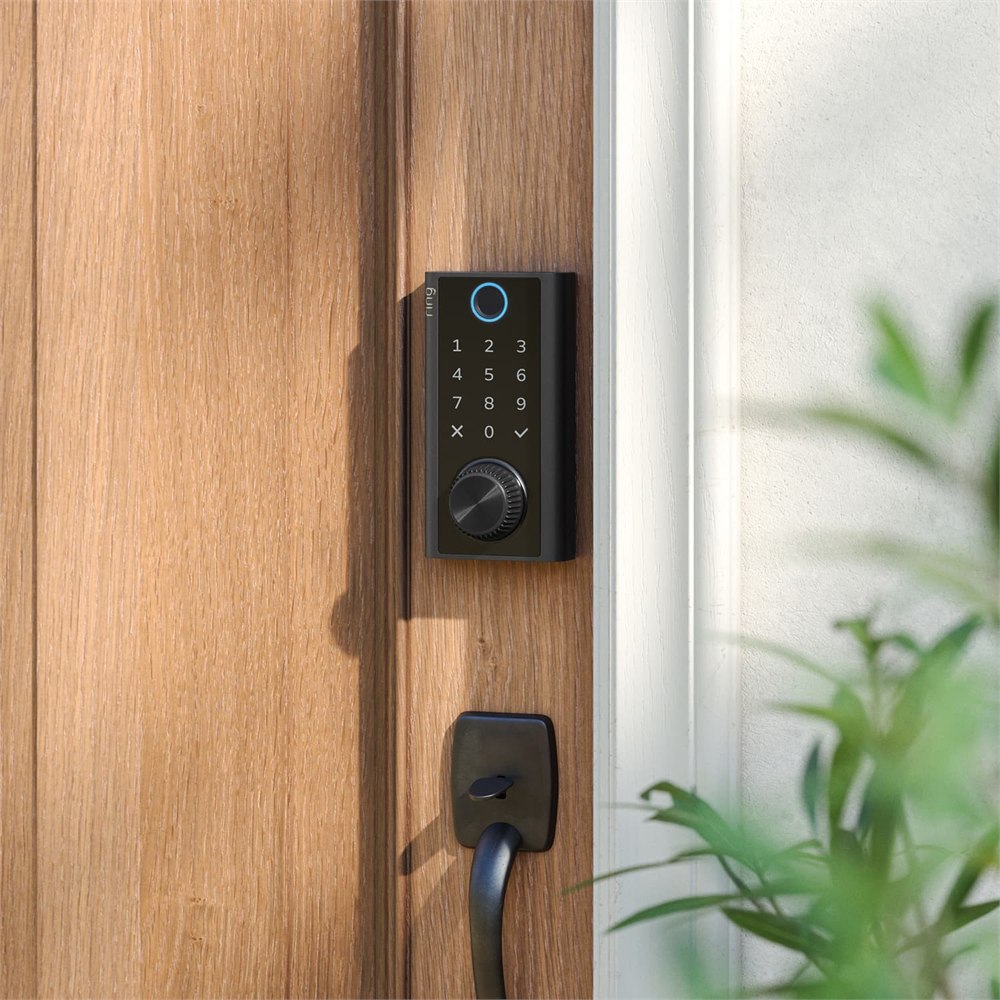
There is also an important distinction between restoring power and granting access. The dial is a way to wake the electronics; it is not presented as a way for any passerby to stroll into your kitchen. The whole point is getting the lock ready to recognize an authorized person again.
We have not tested the turning effort or timed a recovery. Those are the sorts of details that matter when a clever idea becomes an everyday object. A person with sore hands, gloves on, or an awkward reach will want to see the final instructions and real demonstrations before deciding this is their perfect porch companion.
Pick the entrance routine that suits you
Ring advertises four ways to use the lock: a fingerprint reader, a backlit touchscreen keypad, the Ring app, and Alexa. That gives a household choices instead of insisting everyone adopt the same tiny ritual. The person who loves an app and the person who would rather memorize a code can peacefully share a front door.
- Fingerprint access offers an alternative to carrying a physical house key.
- The touchscreen provides a keypad option for entering a code.
- The Ring app brings lock controls into Ring’s existing software.
- Alexa support adds another announced control option.
Choice is especially appealing on a shared door. One person comes home from a run with minimal pockets. Another carries a bag containing three chargers, two notebooks, and a receipt from the previous geological era. A sensible entrance should accommodate both without requiring a household technology summit.
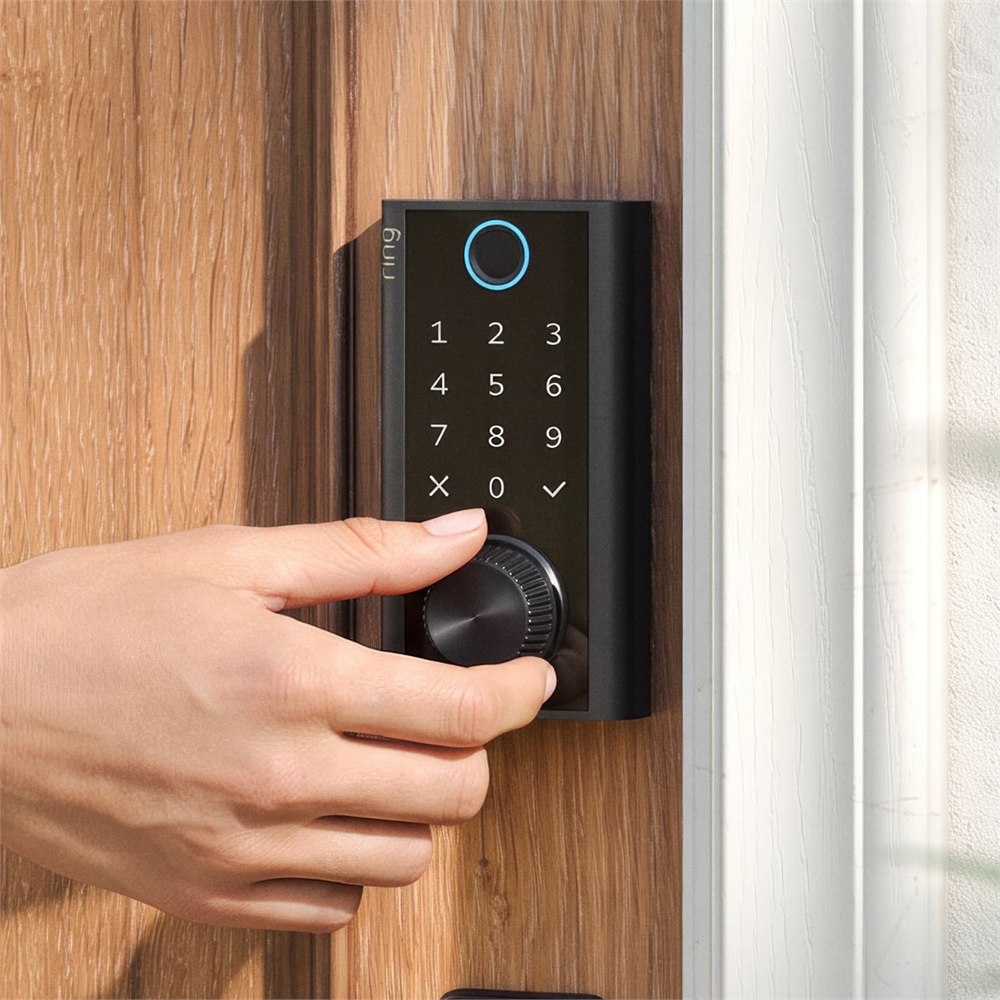
The dial changes the front of the lock
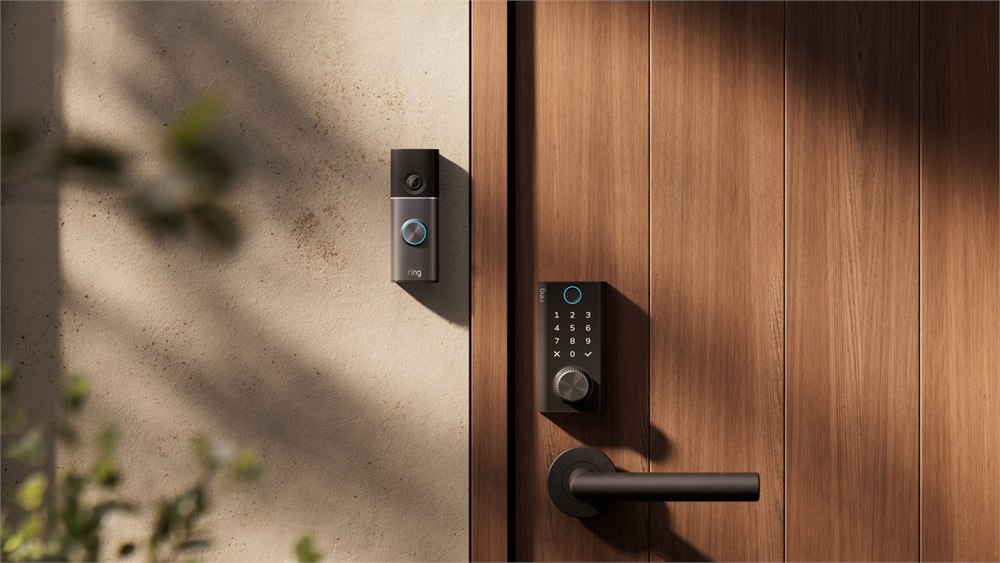
Visually, this is a tall rectangular unit with a circular sensor near the top, a keypad in the middle, and that substantial round dial at the bottom. The manufacturer photos make the layout easy to read. It looks purposeful, almost like a small control panel that has been assigned one extremely specific job.
The interior half has a conventional-looking thumbturn. The exterior power dial is the feature likely to earn questions from visitors, especially visitors who cannot resist touching an interesting knob. You may need to explain that this is your front door, not a boutique audio amplifier.
| Part of the design | What stands out |
|---|---|
| Upper circular sensor | Distinct from the central keypad area |
| Exterior dial | Large, ridged edge for a visible physical control |
| Inside unit | Thumbturn shown in Ring’s product photography |
| Overall shape | Tall rectangular housings rather than a small round cylinder |
Appearance matters here because a lock is not a gadget you tuck into a drawer when guests arrive. It becomes part of the door. Look at the whole entrance, including the handle and any existing doorbell, rather than judging a close-up product photo in isolation.
A connected door still deserves a little homework
The appeal will be strongest for people who already like managing their entrance through Ring. Adding another control to a familiar app can be less of a lifestyle adjustment than introducing an entirely new system, complete with a password you will instantly forget and a notification sound that startles the dog.
Still, an announced lock deserves the same practical questions as any other door hardware. Check the final fit requirements against your actual door. Think about every regular user, not just the household gadget enthusiast. Make sure the available access methods suit the people who will be standing outside in the rain.
The dial addresses a particular problem: running out of battery power. It should not be mistaken for a cure for every possible lock problem, from an ill-fitting door to forgotten access details. Clever backup hardware is useful precisely because it has a clear job. Giving it imaginary superpowers would only make the eventual instruction manual disappointing.
For now, the sensible response is interest rather than a victory parade. The idea has a terrific everyday hook, and the final experience will depend on how comfortably that hook works when you are tired, carrying shopping, and ready to be indoors.
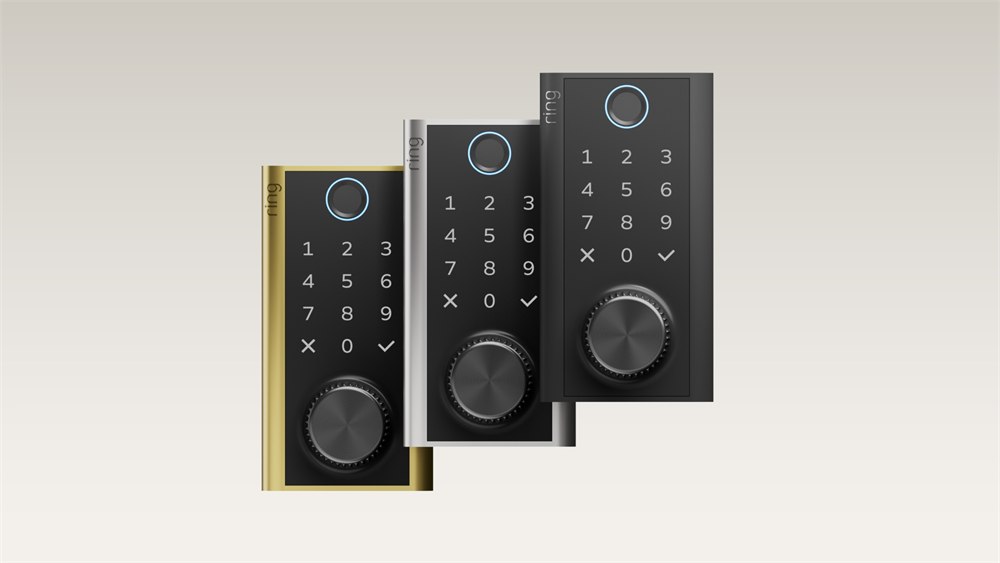
Product photography: Ring and Amazon News.
The details to keep by the door
- Product: Ring Smart Lock, an announced keyless lock.
- Main twist: a built-in power dial for battery-depletion recovery.
- Access options: fingerprint, keypad, Ring app, and Alexa.
- Buying status: notification signup, with U.S. launch planned for early 2027.
- Best reason to follow it: the emergency power source is already on the door.
Ring currently lists the smart lock at $249.99 on its U.S. product page, alongside a notification signup rather than an available purchase. Treat that as the listed launch pricing, with final availability still ahead. If your current lock needs replacing immediately, a future release is not going to get today’s groceries inside.
For everyone else, this is a pleasantly tangible answer to a very modern annoyance. We have spent years making ordinary objects smarter. Giving one of them a knob that helps when the battery quits feels like remembering that humans occasionally need to use their homes.
| Pros | Cons and considerations |
|---|---|
| Built-in hand-powered backup | Turning effort and recovery experience remain untested here |
| Several advertised access methods | Household members still need suitable authorized access |
| Clear physical dial on the exterior | Large rectangular styling may not suit every door |
| Ring app and Alexa support announced | Check final compatibility and setup requirements |
| Promising solution to a depleted battery | Early-2027 launch planned; not currently available to buy |
Save this find.
Thank yourself later.
Your next great gift idea. Your someday space. Your collection of wonderfully weird things.
Save to PinterestPick a board. Keep the inspiration.
This Smart Door Lock Has a Hand-Powered Dial for When the Battery Dies
Where to find This Smart Door Lock Has a Hand-Powered Dial for When the Battery Dies
OddityMall may earn a commission from qualifying purchases at no extra cost to you.
Related posts:
DoorJammer Is a Portable Door Lock That Lets You Lock Any Door
Door Angel Prevents Anyone From Unlocking Your Door, Even If They Have The Key
Ultimate Garage Door Opener, Ultra-Quiet, Modular, and Smart Phone Capable
People Are Making Barn Door Baby Gates, Window Shutters, and TV Covers, and They Look Amazing