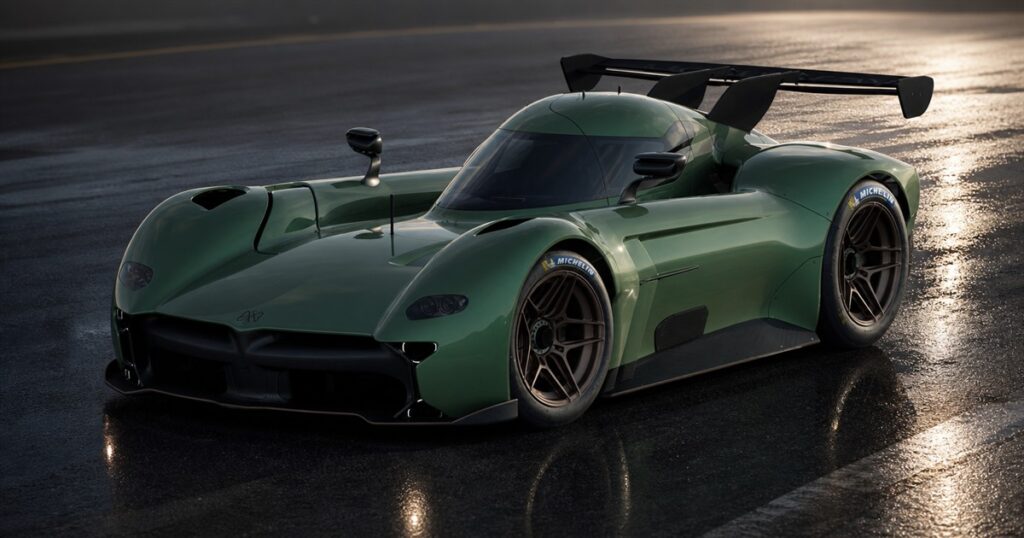
Most cars use downforce the old-fashioned way, by driving very fast and hoping the air behaves like a well-paid intern. The McMurtry Spéirling PURE has looked at that entire arrangement and decided it would rather bring its own weather system.
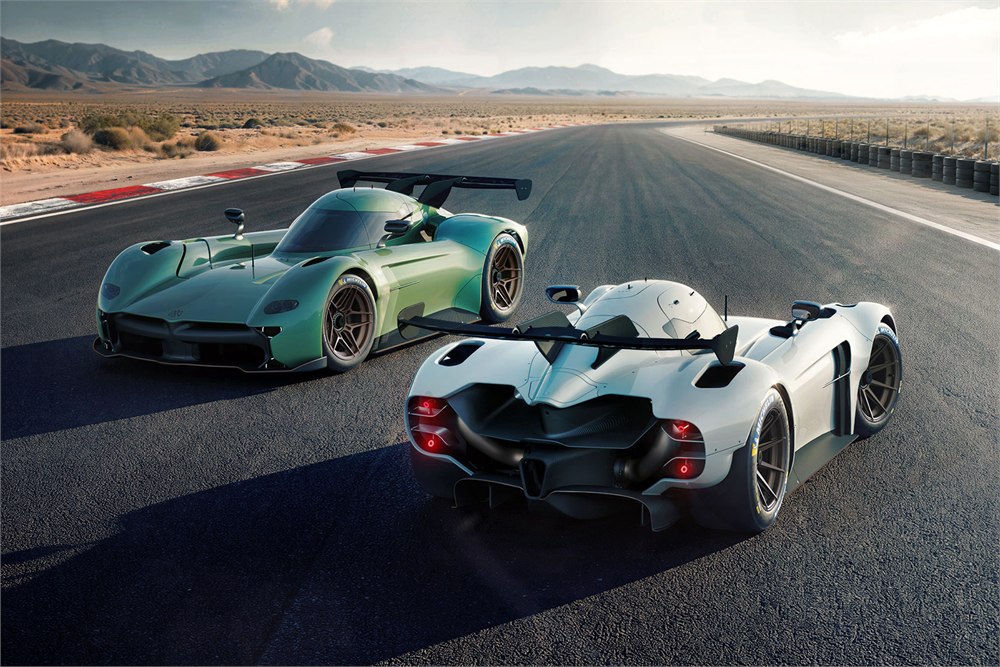
This is the McMurtry Spéirling PURE production fan car, a single-seat electric track machine from McMurtry Automotive that uses a fan-based Downforce-on-Demand system to pull itself toward the pavement even when it is sitting still. It is not a road car, not a commuter EV, and not something you take to the grocery store unless your grocery store has corner workers and a noise limit waiver.
The basic idea sounds like something a child would explain with total confidence after discovering a vacuum cleaner: put huge fans in a tiny car, suck it to the ground, then let it sprint around corners like physics owes it money. Except McMurtry actually built the thing, developed it for years, broke records with its prototypes, and has now revealed the final production form for customers.
McMurtry says the production Spéirling PURE is 95 percent new compared with the prototype models, but it keeps the same wonderfully unreasonable philosophy: small, electric, closed-cockpit, single-seat, and violently committed to grip. It makes 1,000 bhp at the rear wheels from a 100 kWh lithium-ion battery, runs Michelin slicks, and uses twin high-speed fans to generate up to 2,000 kg of downforce from 0 mph.
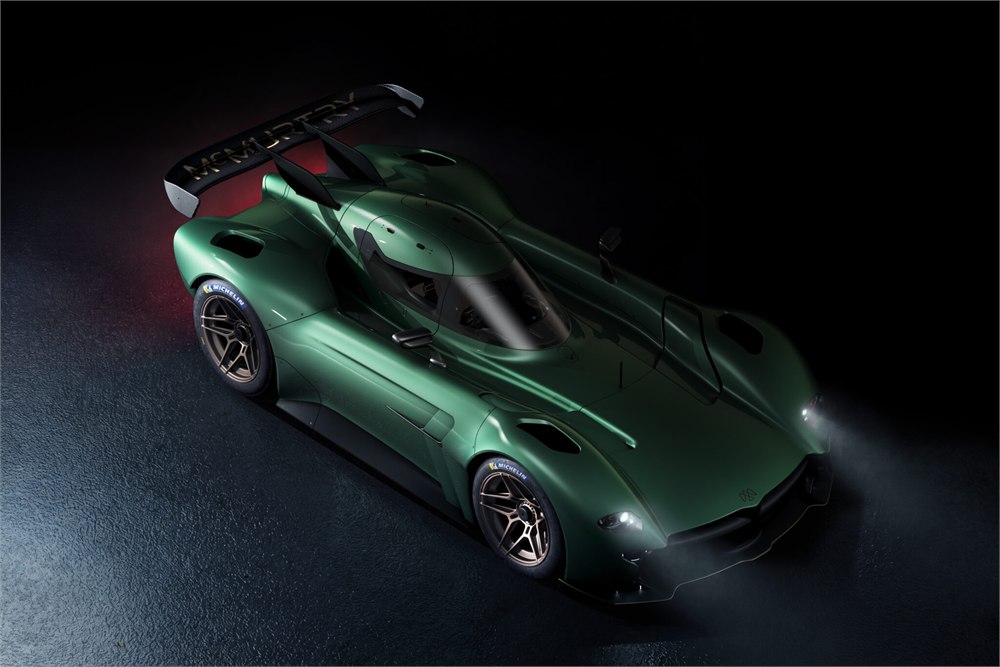
A Tiny Track Car With Its Own Personal Gravity Department
Traditional wings need speed before they become useful. The Spéirling PURE’s party trick is that its fan system creates downforce immediately, because the fans draw air from a sealed region under the chassis and expel it out the rear. McMurtry says the bespoke fans spin at up to 23,000 rpm, which is a deeply funny number to attach to a car that already looks like it escaped from a Le Mans team’s private sketchbook.




That means the car can deliver the sort of grip that usually requires either heroic speed, an actual race team, or a very relaxed relationship with self-preservation. McMurtry lists 3g cornering and 3g braking, plus 0-60 mph in 1.55 seconds with a one-foot rollout. The top speed is listed at 190 mph, which feels almost modest only because the first two numbers are busy melting your eyebrows.
The production version also gets practical upgrades, assuming your definition of practical includes trailer loading a seven-figure electric track car that sounds like a tiny jet appliance. McMurtry moved and improved parts of the fan system, added an onboard air compressor for the downforce skirt system, increased the battery from the 60 kWh prototype pack to 100 kWh, and reworked the cooling, chassis, bodywork, steering, tires, and interior.
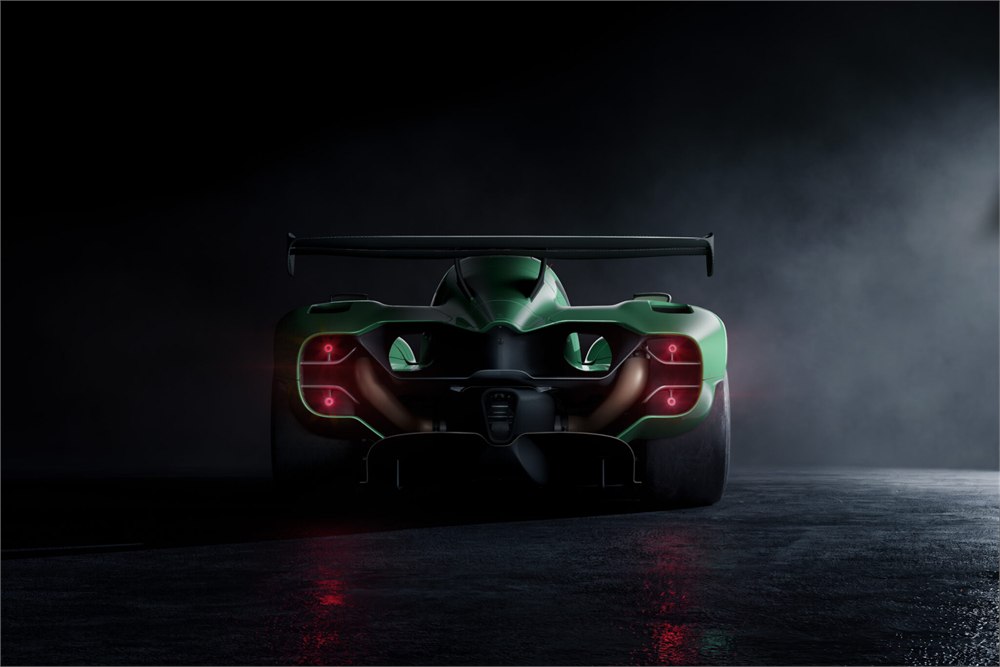
Some of the production improvements are the sort of details that separate a glorious science project from something owners can actually use. The carbon fiber monocoque has more cabin room, the wheelbase has grown from 2.0 meters to 2.2 meters, the door opening is wider, and the car now has headlights plus track-day lighting features like indicators, hazards, brake lights, and main beam flash.
- It is a single-seat, closed-cockpit electric hyper track car, not a street-legal runabout.
- The fan system can create downforce from a standstill instead of waiting for road speed.
- The 100 kWh battery is designed for longer running time than the prototype setup.
- The custom-molded seat, adjustable pedals, and adjustable steering wheel help fit different owners.
- The rear wing includes a boot compartment underneath for a helmet and HANS device.
- Owners can run it with a driver and a competent friend, or use McMurtry’s factory support program.
The Specs Are Not Whispering
There is no delicate way to say this: the Spéirling PURE is built around numbers that make normal sports cars look like they forgot to stretch. Its length is only 3,815 mm, which is shorter than many everyday compact cars, yet it is built to deliver race-car forces through a carbon composite body and rear-wheel-drive twin-motor setup.
| Spec | McMurtry Spéirling PURE production figure |
|---|---|
| Power | 1,000 bhp to the rear wheels |
| 0-60 mph | 1.55 seconds with one-foot rollout |
| Top speed | 190 mph / 305 km/h |
| Downforce | Up to 2,000 kg from 0 mph |
| Battery | 100 kWh lithium-ion pack using Molicel P50B NCA 21700 cells |
| Dimensions | 3,815 mm long, 1,795 mm wide, 1,056 mm tall |
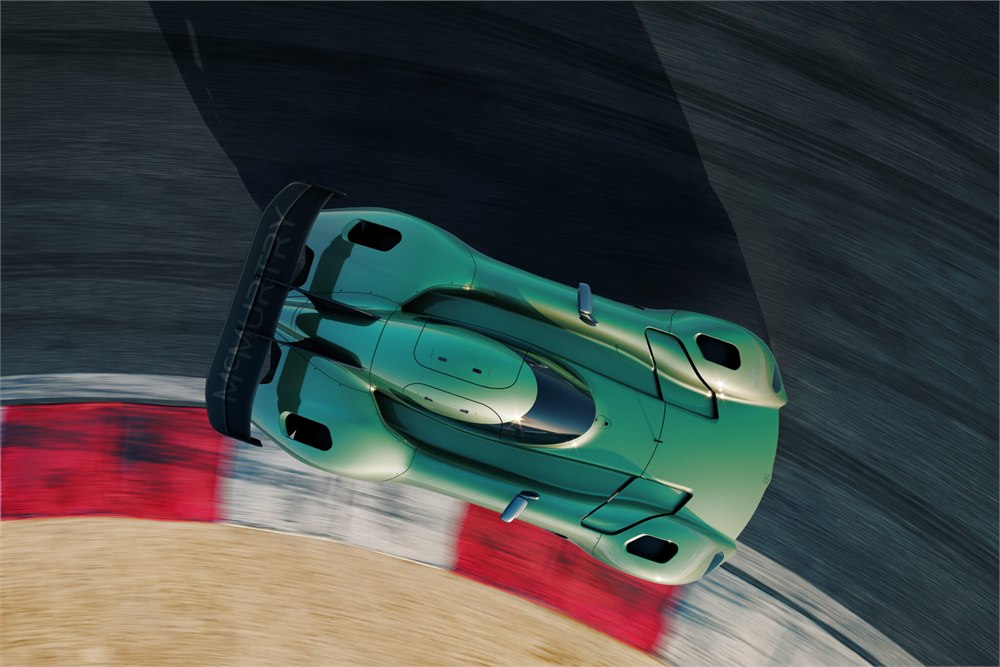
The car’s proportions are part of the joke and part of the genius. McMurtry was founded with a goal of pushing against the industry trend toward heavier, larger performance vehicles, and the Spéirling PURE is still fundamentally tiny even after growing for production. It is small enough to look like a scale model from some angles, then it goes and produces enough downforce to make your neck wonder why it was not consulted.
McMurtry says the car can cover 40 to 50 km at LMP2 race-car pace, with charge time from 20 to 95 percent taking 20 to 60 minutes depending on ambient temperature and charger capacity. For venues without the right charging setup, McMurtry has also developed an optional portable 100 kWh storage powerbank with 120 kW output, which is a very elegant way of saying the car can bring its own electric snack cooler for track days.
More Usable, Somehow Still Ridiculous
The production cabin has been made more refined without pretending this is a luxury coupe. Each seat is custom molded for its owner, much like endurance prototype race cars, and the steering wheel has been designed for high-speed controls, including a fan rev paddle for pit-lane theatrics. A central screen shows information like power, fan settings, state of charge, speed, and temperatures.
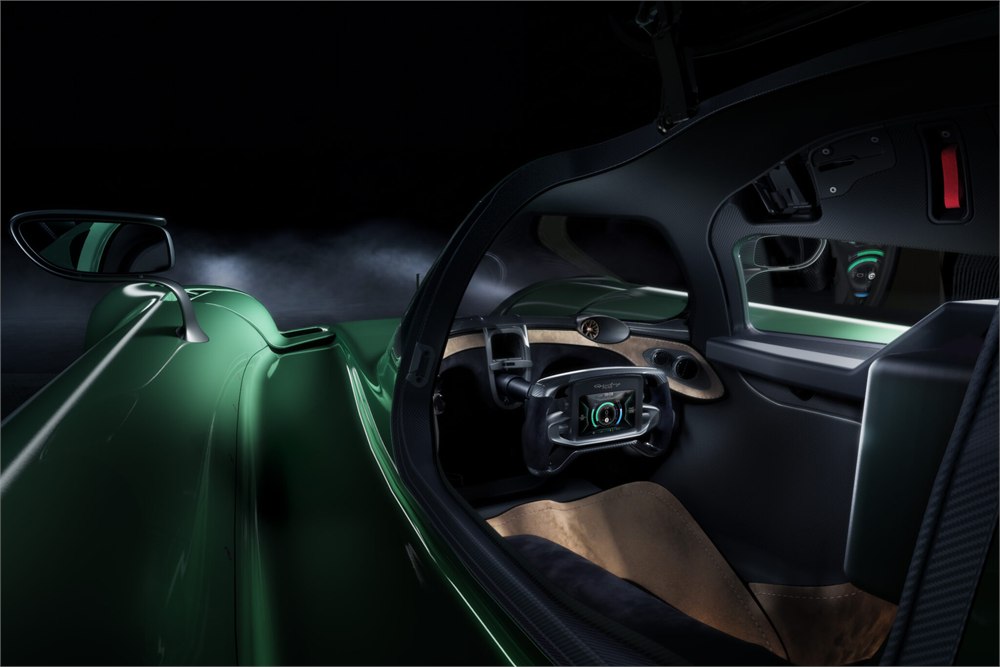
The most charming part is that McMurtry keeps talking about ease of ownership while describing a car with suction skirts, carbon ceramic brakes, twin fans, 3g braking, a custom seat, and a top speed just shy of 200 mph. But in context, that matters. Some extreme track machines require a small village, a laptop priesthood, and a trailer full of spares. McMurtry says the Spéirling PURE can be run at track days or competitive events with just the driver and a competent friend, though factory support is also available.
The customization program also sounds appropriately expensive. Customers can work with an in-house designer on wheel designs, graphics, paint finishes, interior trim, stitching, stripes, and logos. McMurtry says no two cars will be the same, which is ideal because if two people at the same track day both show up in their own fan-powered electric thunder capsules, society will need a moment.
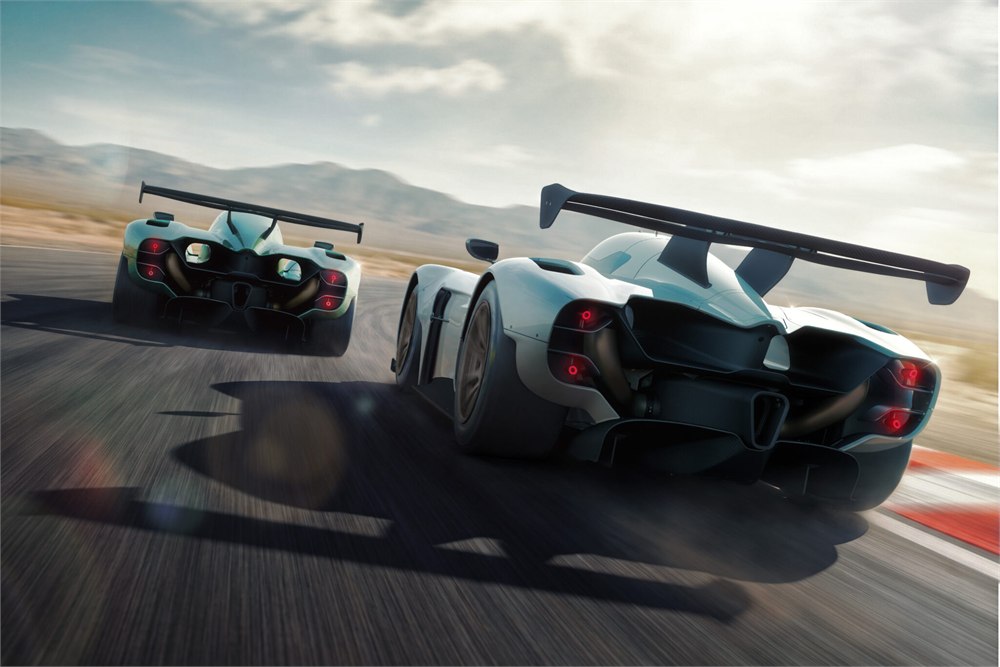
There is history behind the madness too. McMurtry first got global attention in 2022 when a Spéirling prototype set a new Goodwood Festival of Speed Hillclimb record. The prototypes later broke the Top Gear Test Track record and demonstrated the fan system in the most cartoonishly convincing way possible: by becoming the first car to drive upside down. The production Spéirling PURE is not being sold as a circus stunt, but the fact that its family tree includes that sentence is doing a lot of work.
Competition eligibility includes events such as Global Time Attack in the USA and European Time Attack Masters at the Nürburgring, while McMurtry also points owners toward race-inspired non-competitive events like GT1 Sports Club. In other words, this is for people who already know what a track day is and have decided the normal version contains insufficient suction.
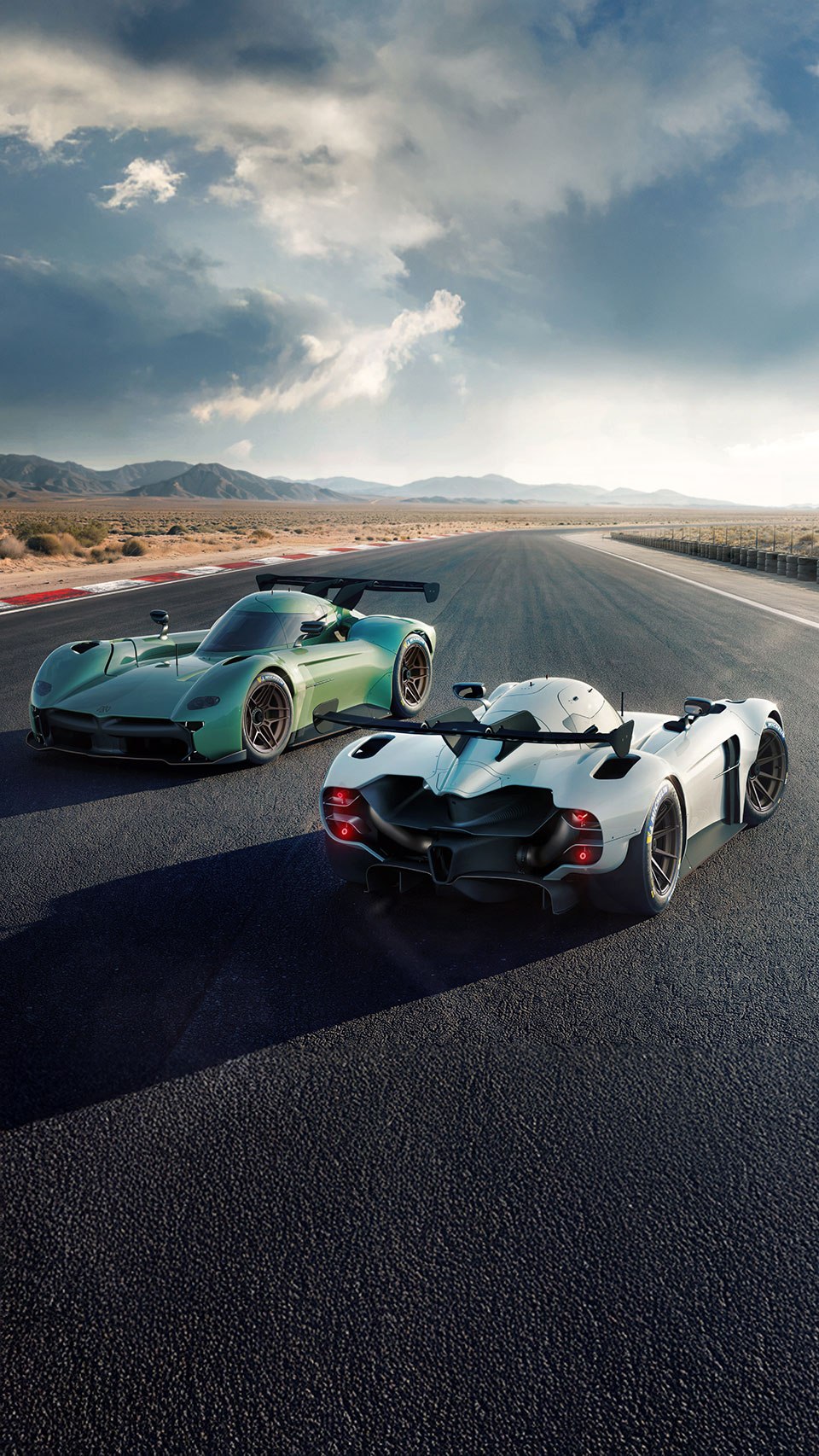
Images courtesy of McMurtry Automotive.
Who This Electric Fan Car Is Actually For
The Spéirling PURE is not a practical purchase in the ordinary sense. It does not solve traffic. It does not make school pickup easier. It does not have a clever cup holder arrangement, unless you count the driver’s helmet compartment as a cup holder for your entire head. But it does solve a much rarer problem: what if you want a personal electric track car that delivers Formula 1-level force without waiting for traditional aerodynamics to wake up?
That makes it a machine for wealthy track-day obsessives, collectors who prefer engineering oddities over garage jewelry, and anyone who hears “fan-based downforce from zero mph” and immediately starts looking for their racing gloves. It is also one of those products that justifies its own existence by being so committed to the bit that the bit becomes real engineering.
- Product: McMurtry Spéirling PURE production fan car
- Maker: McMurtry Automotive in the Cotswolds, England
- Type: Single-seat electric hyper track car
- Core feature: Fan-based Downforce-on-Demand system with up to 2,000 kg of downforce from 0 mph
- Power: 1,000 bhp to the rear wheels
- Performance: 0-60 mph in 1.55 seconds and 190 mph top speed
- Battery: 100 kWh lithium-ion pack
- Availability: Deliveries are listed as beginning later in 2026
McMurtry lists the Spéirling PURE at £995,000, or about $1.3 million, plus local taxes, shipping, and options. It is available through McMurtry Automotive, with customers able to register interest and work through the company’s configuration and owner-support process.
| Pros | Cons |
|---|---|
| Creates downforce from 0 mph instead of relying only on speed | Track-only machine, not a road car |
| Wild 1.55-second 0-60 mph claim | Seven-figure starting price before taxes, shipping, and options |
| Compact, visually unforgettable fan-car design | Single-seat layout limits it to solo driving |
| Production version adds usability, cabin, charging, and service improvements | Requires access to suitable tracks, charging, storage, and support |
| Custom-molded seat and personalization options | Extreme performance will still demand skill and respect |
| Backed by record-setting prototype development | Optional extras and support will likely add significantly to ownership cost |
Where to find This Electric Fan Track Car Sucks Itself To The Pavement
OddityMall may earn a commission from qualifying purchases at no extra cost to you.