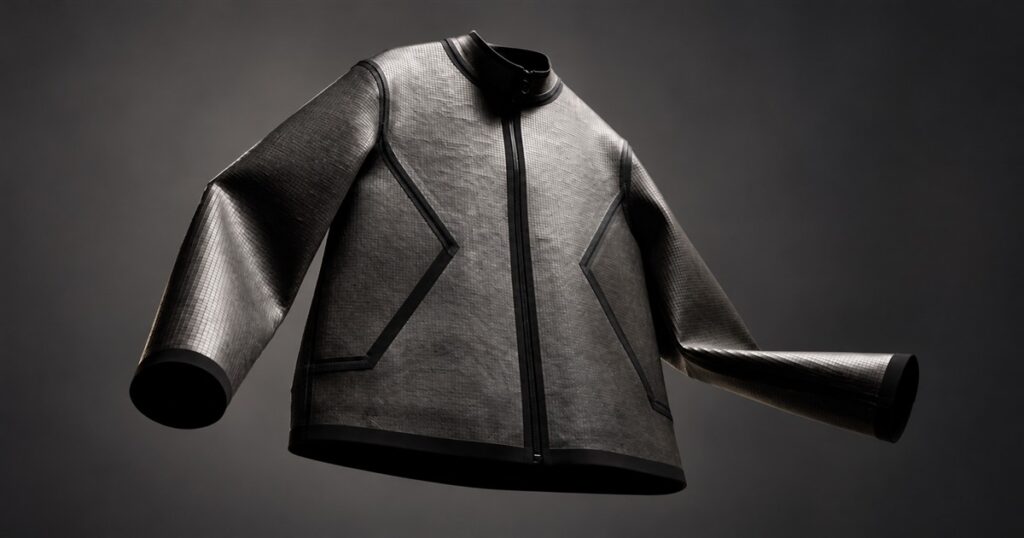
Most people check the weather before choosing a jacket. This one might require a geologist. Vollebak has made a cropped jacket covered in actual slate, giving you the rare opportunity to enter a room dressed like the room’s most expensive building material. Your leather jacket has officially lost the argument about looking tough.
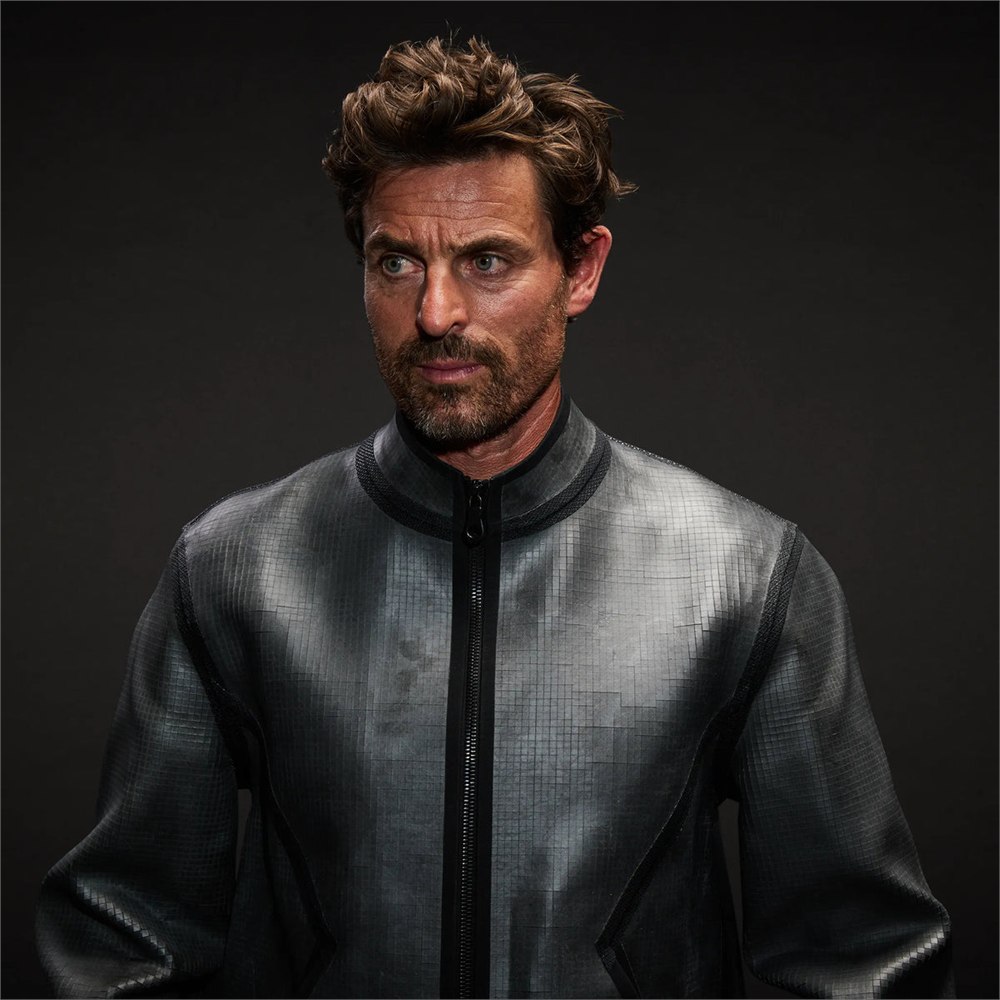
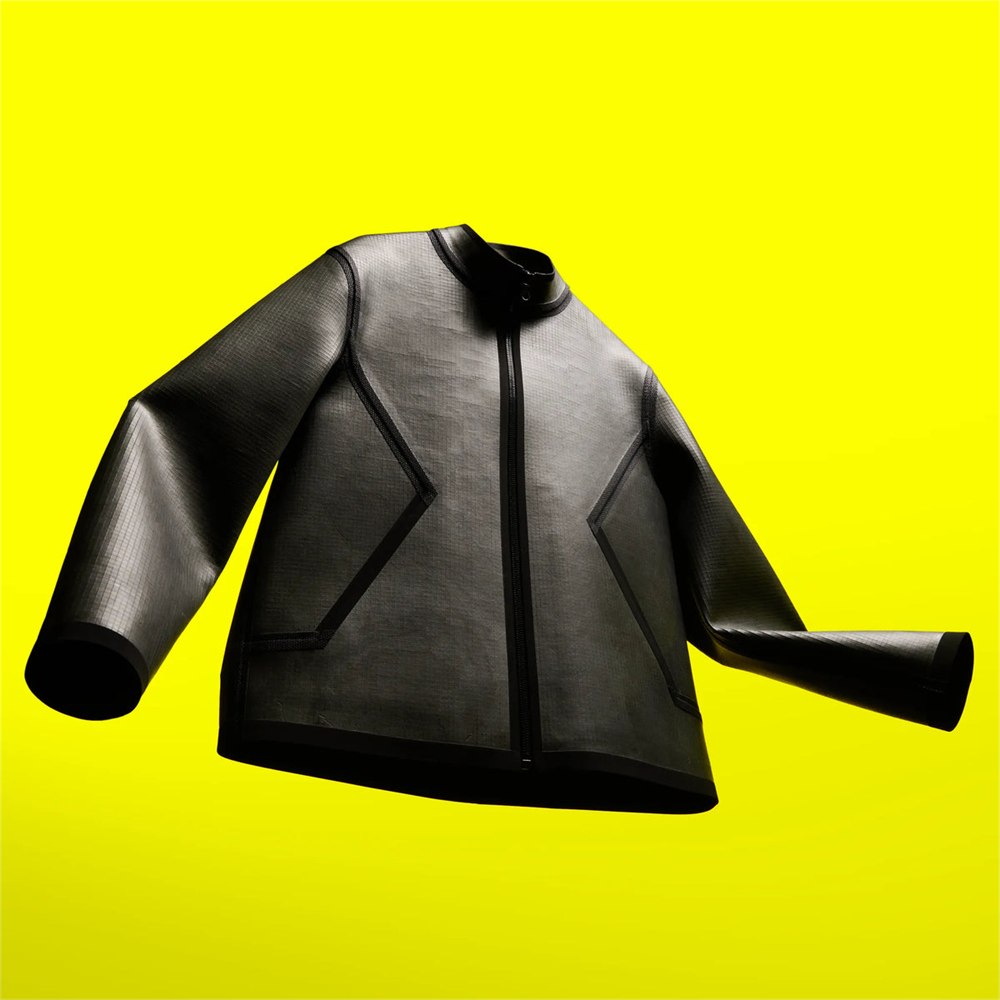
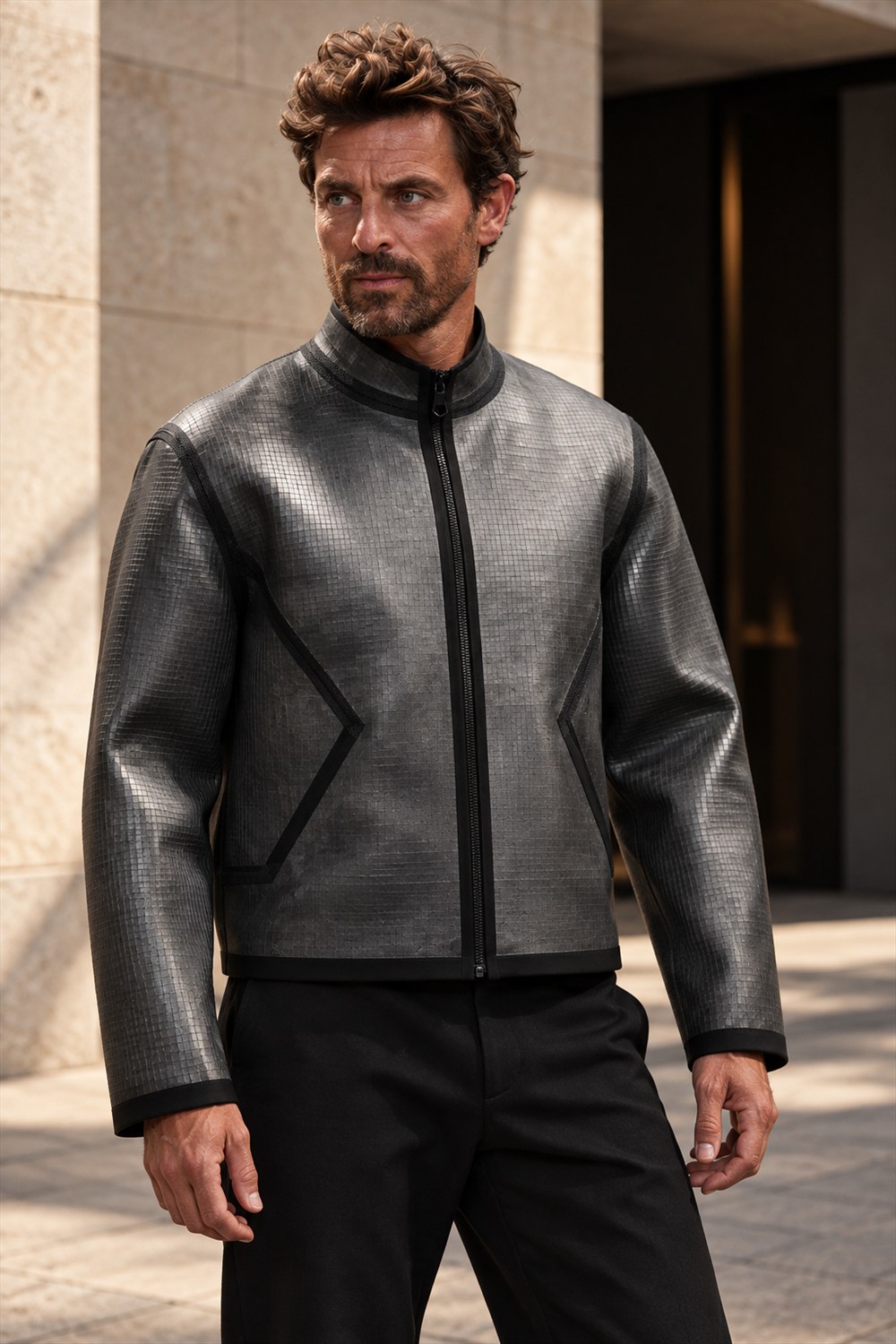
The Vollebak Rock Jacket turns tiny squares of stone into a flexible outer surface by attaching them to neoprene. It has sleeves, a collar, pockets and a front zip, so the familiar jacket parts are all present. The unfamiliar part is the considerable amount of geology involved in getting dressed.
This is a one-off experimental piece, not a new everyday coat collection. Vollebak describes the current version as a proof of concept and openly acknowledges its impracticality. That candor is refreshing. Nobody needs a salesperson insisting that wearable slate is essential for the school run.
A stone jacket that can actually bend
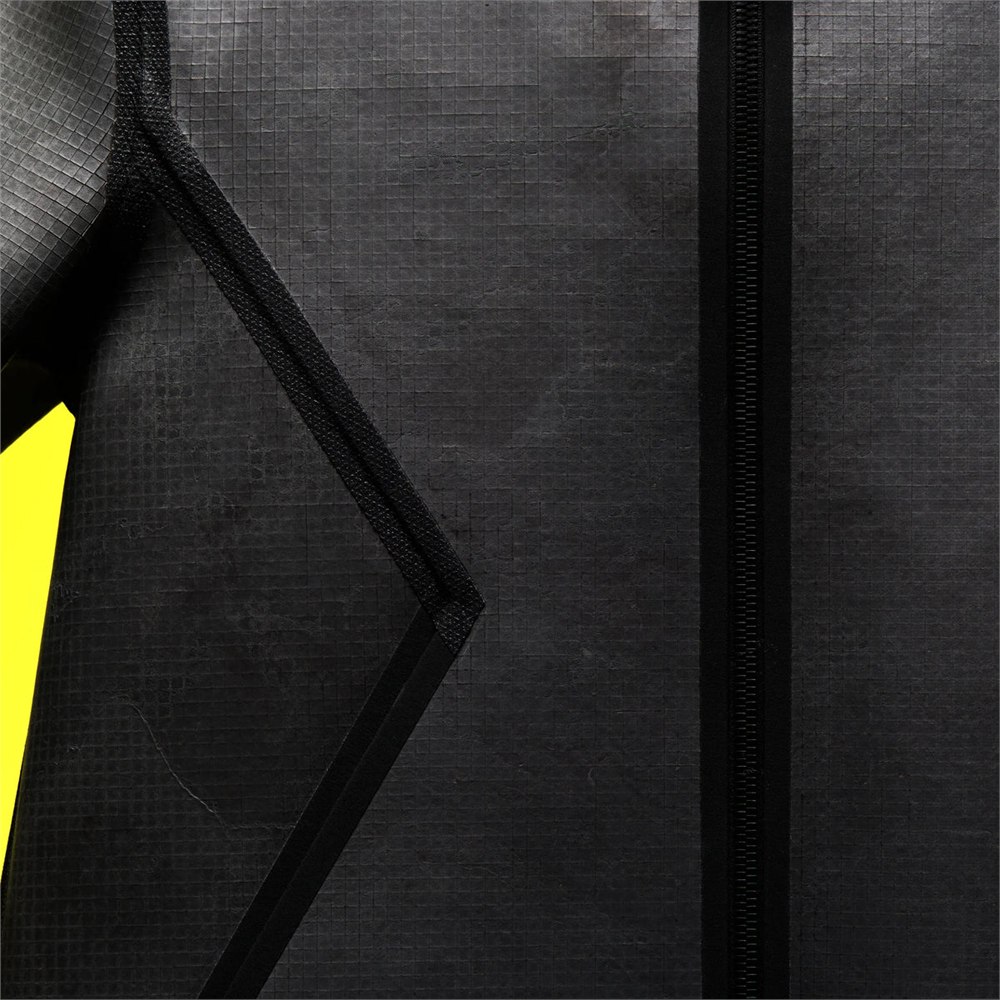
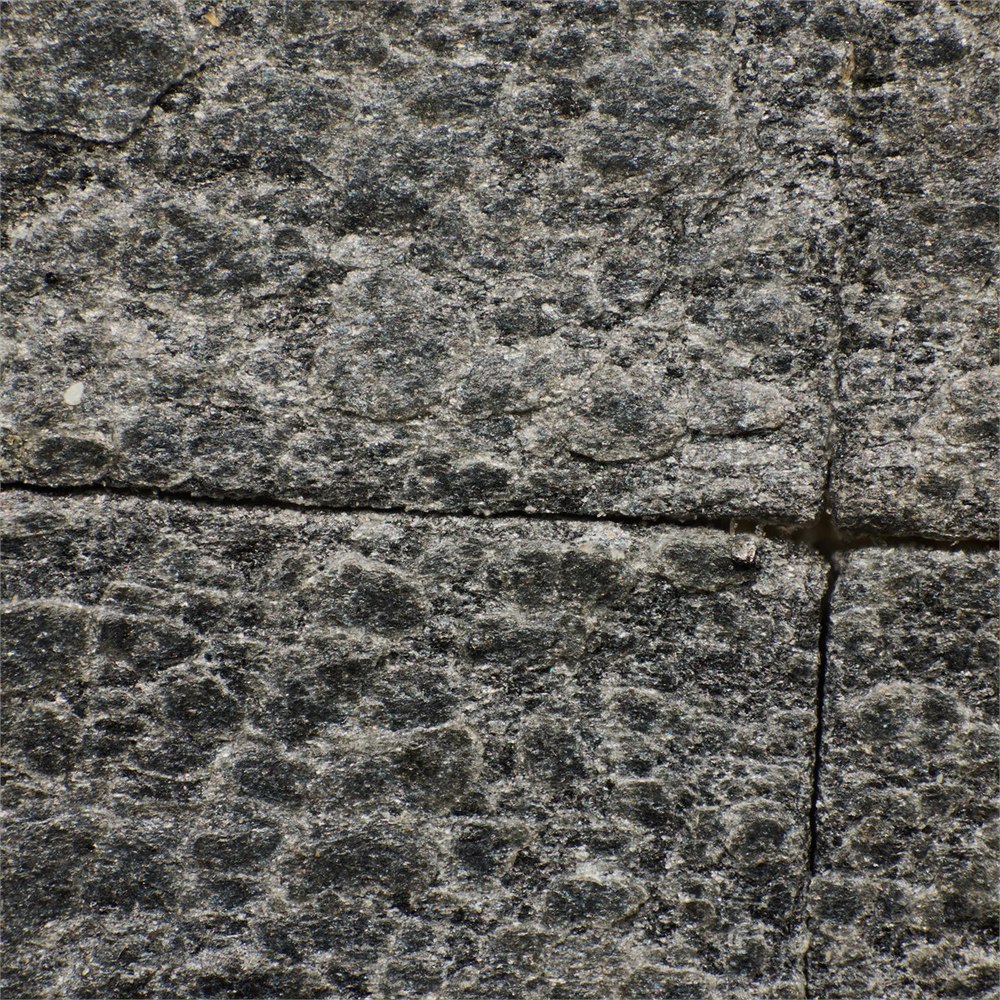
The surface consists of slate tiles measuring 5mm by 5mm, mounted on a neoprene backing. Breaking the stone into little squares lets the material move between those squares, instead of demanding that a solid slab learn how to accommodate an elbow. The stone stays stone; the arrangement does the clever bit.
French designer and material technologist Steven Leprizé developed the material. His work includes WooWood, an elastic marquetry made from small wooden tiles backed with rubber. Applying that approach to slate gives the Rock Jacket its unlikely combination of a hard surface and a body that can twist and turn.
Related posts:
Vollebak originally approached Leprizé about making its experimental Wood Jacket more wearable. He had a slate version of his tiled material to show them instead. Somewhere in that conversation, a wardrobe problem became a mineral problem. This is why interesting people should be allowed to have very strange meetings.
The slate arrives at Leprizé’s workshop in sheets measuring 100cm by 50cm and just 0.5mm thick. Those dimensions describe the starting material, not the finished jacket. Vollebak then cut garment panels from five sheets of the flexible slate material to create this piece.
The grid is doing more than looking futuristic
Look closely and the charcoal surface resolves into a tiny grid. From farther away, light catches the folds in broad silver-gray bands. The effect sits somewhere between a tailored coat and a very ambitious architectural model. It is especially satisfying because the texture is structural, rather than a printed illusion.
The natural contours of the slate also matter. Leprizé had to preserve the sequence of the tiny tiles so that the surface’s ridges and variations carried through to the finished material. Lose a piece and the pattern loses part of its continuity. It is a jigsaw puzzle where the final instruction is to add sleeves.
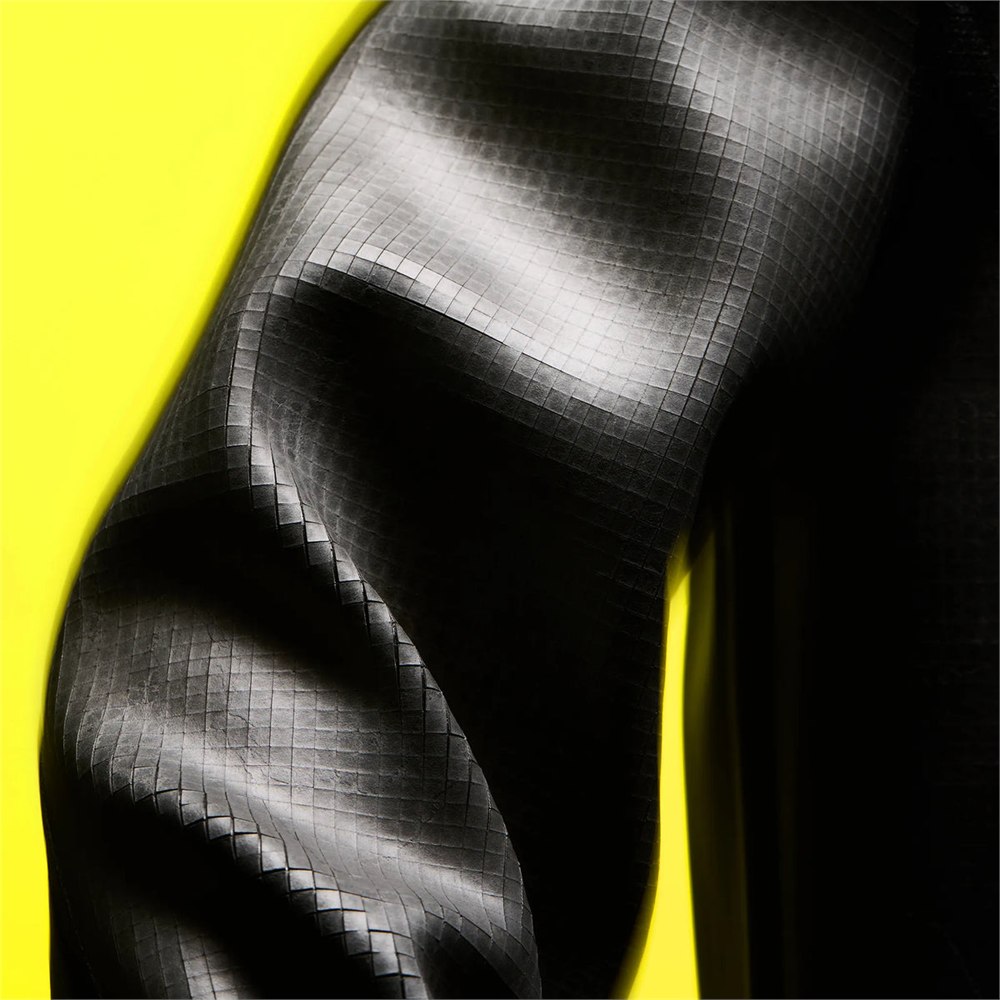
That construction has practical consequences for the shape of the garment. This isn’t fabric that can be gathered, folded sharply or fitted closely without considering the stone on top. Vollebak kept bends, tight turns and moving sections to a minimum, letting the material help determine the silhouette.
- Small slate squares provide the visible stone surface while the neoprene backing allows movement.
- A cropped Harrington shape gives the garment a recognizable jacket outline.
- Visible seam tape joins the construction without stitching through slate tiles.
- Cordura pockets and a front zip keep some reassuringly ordinary clothing features in the mix.
Turning a workshop experiment into clothing
Leprizé’s process involves 50 steps, according to Vollebak’s account, with cutting the stone tiles among the hardest parts. His custom cutting machine was developed for wood, so getting clean results with slate took failed attempts and ruined sheets. It is the sort of project where the scrap bin probably needs its own structural engineer.
The next challenge is making the little tiles stay attached. They are bonded under pressure to thin neoprene using a technique developed with engineers at 3M in Switzerland. A jacket has to tolerate changing shapes; arranging stones on a flat surface is only the beginning of that job.
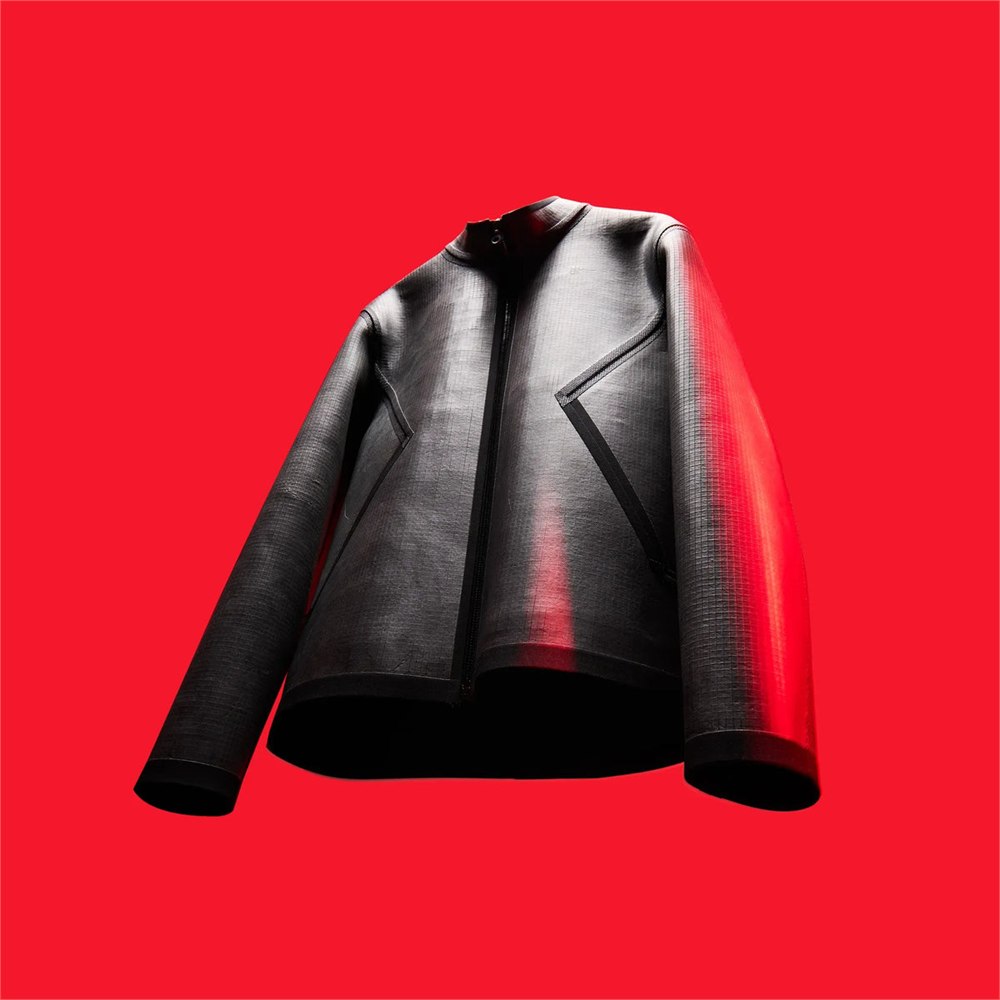
Vollebak chose a minimal cropped Harrington design rather than forcing the material into a complicated cut. The black taped seams are visible, including the angular outlines around the pocket areas. They give the jacket a graphic structure that works with the grid instead of trying to disguise it.
| Detail | What Vollebak describes |
|---|---|
| Outer surface | Actual slate tiles, 5mm square |
| Backing | Thin neoprene supporting the tiles |
| Starting slate sheets | 100cm x 50cm, 0.5mm thick |
| Garment shape | Cropped Harrington jacket |
| Construction details | Taped seams, Cordura pockets and zip |
| Current status | One-off proof of concept |
The result looks surprisingly restrained for something that could reasonably be introduced as formal gravel. There are no giant rock chunks dangling from the shoulders. The drama comes from the fine surface, the deliberate seams and the way reflected light travels across the torso.
Flexible does not mean ready for everything
The important limitation is right there in the design story: the material can move, but its flexibility has limits. Vollebak avoided a tight fit and minimized complicated bends for that reason. A photo of a moving sleeve should not be read as a promise that this behaves like your softest sweatshirt.
Nor does looking armored establish protective performance. The attraction here is experimental tailoring and material craft. Vollebak’s description does not turn this into certified riding equipment or justify treating the slate surface as impact protection. Admire the sci-fi appearance without assigning it a superhero job.
There are also ordinary buying questions that matter more, not less, with an extraordinary garment. Fit, care, repair arrangements and delivery terms deserve a direct conversation with the maker. The public product story concentrates on how the jacket was built, rather than offering the familiar range of ready-to-ship sizes and everyday care promises.
For the person whose closet is also a collection
The strongest appeal is to someone who collects ambitious design or enjoys seeing an unlikely material become a usable object. You can study the surface, follow the seam lines and appreciate how much negotiation happened between the desired jacket and the stone’s willingness to cooperate.
It also makes sense as a conversation piece, although conversation may be difficult to avoid. Wearing it to dinner would probably involve explaining the backing before anyone reached the appetizers. On the bright side, nobody is going to ask whether you bought the same jacket as their cousin.
Vollebak says that better everyday wearability and the ability to scale production are eventual ambitions. Those are future goals, not features already delivered by this version. The current attraction is getting to see the experiment while it is still wonderfully, extravagantly odd.
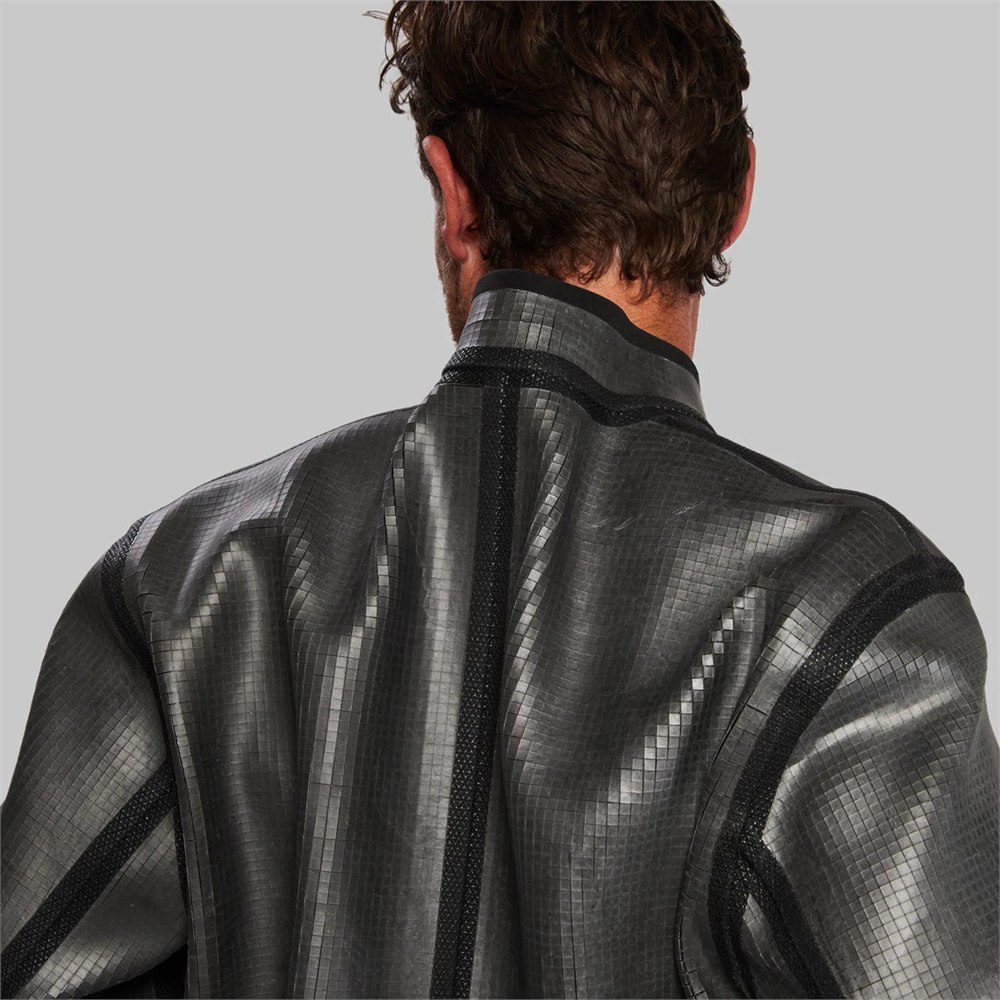
Product photography courtesy of Vollebak.
The rock jacket details at a glance
- Product: Vollebak Rock Jacket, an experimental slate-covered garment.
- Material concept: 5mm square slate tiles bonded to neoprene.
- Design: cropped Harrington silhouette with a collar and front zip.
- Details: visible taped seams and Cordura pockets.
- Availability: a one-off proof of concept, with a bid option on Vollebak’s page.
- Main limitation: the maker does not present this version as practical everyday clothing.
Vollebak lists the Rock Jacket at $50,000 USD on its US product page, which currently offers an option to enter a bid. That is a listed figure for an exceptional one-off, not a promise of routine checkout or immediate shipment. Anyone seriously interested should confirm the sale terms directly with Vollebak.
For the rest of us, it remains an excellent reminder that someone can look at a sheet of slate and see a jacket. Most of us would see a flooring decision and postpone it for six months.
| Pros | Cons |
|---|---|
| Real slate creates a distinctive surface | The current piece is not intended as practical daily clothing |
| Tiled construction allows stone to move | Flexibility and garment shaping remain limited |
| Recognizable jacket features include pockets and a zip | Fit and care details need discussion with the maker |
| Unusual material research in a finished garment | One-off availability and a very high listed price |
Save this find.
Thank yourself later.
Your next great gift idea. Your someday space. Your collection of wonderfully weird things.
Save to PinterestPick a board. Keep the inspiration.
This Slate Rock Jacket Turns Tiny Stone Tiles Into Wearable Outerwear
Where to find This Slate Rock Jacket Turns Tiny Stone Tiles Into Wearable Outerwear
OddityMall may earn a commission from qualifying purchases at no extra cost to you.