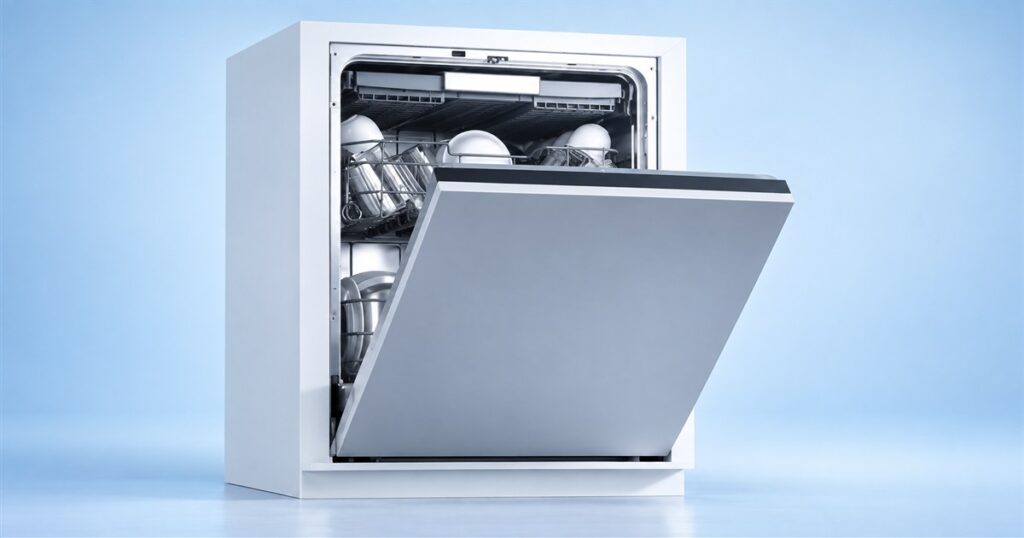
The dishwasher is clean. The dishes are clean. And yet, somehow, nobody in the house is qualified to put them away. Midea’s Tri-GreenApex dishwasher system takes a surprisingly sympathetic position on this domestic standoff: what if the appliance could keep your tableware dry while everyone continues walking past it?
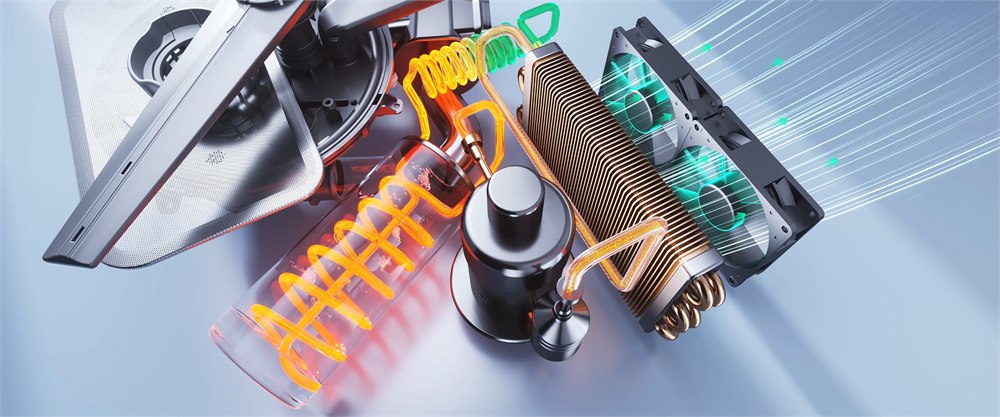
Presented at IFA 2026, the system brings washing, heat-pump drying, and extended dry storage together. Midea says it can keep tableware dry for up to 168 hours. That’s seven days, or approximately the length of time a household can debate whose turn it is before somebody quietly removes one fork.
The interesting part is the attention paid to what happens after washing. A sparkling plate is useful. A sparkling plate you don’t have to towel off before dinner is more useful. A machine designed to look after that plate while you deal with everything else starts to sound like it understands the assignment.
A dishwasher with an after-wash plan
Most kitchen fantasies involve a chef’s range, an enormous island, or a refrigerator that makes your groceries look organized. This one involves being allowed to finish something later. Frankly, that is a much more persuasive luxury than a dedicated drawer for artisanal ice.
Think of dry storage as an extension of the appliance’s job. It doesn’t transfer dishes into your cupboards, make room for the next dirty load, or settle the clean-versus-dirty debate through diplomacy. You still need to unload it. But the concept gives the period between finishing a cycle and emptying the racks some actual engineering attention.
Related posts:
That distinction matters in a busy kitchen. If the next meal has already produced another pan and six mugs, leaving clean dishes in the machine occupies useful space. For someone who works through a clean load slowly, however, the idea may be more appealing. The same feature can feel brilliant or unnecessary depending on how your sink behaves.

The heat pump is doing the heavy lifting
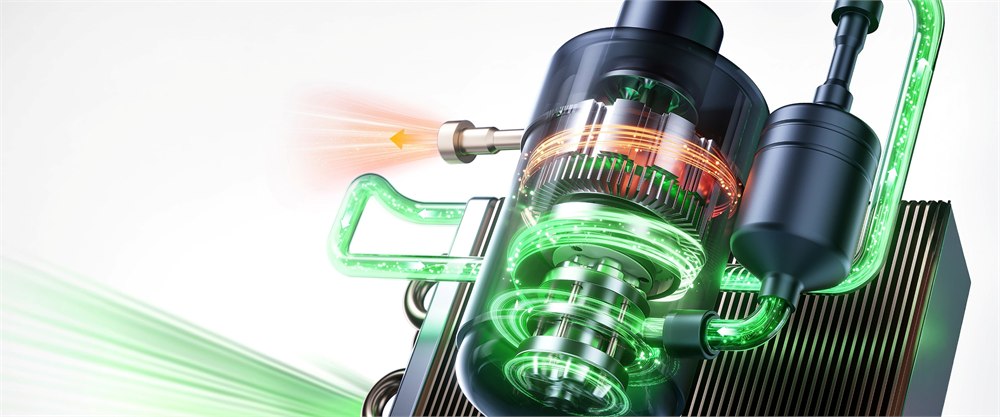
Midea’s GreenApex product page describes a wash system that draws on heat in the surrounding air. It also identifies an R290 refrigerant system and a Stereo Helix heat exchanger. Those are the engineering details behind the headline; they aren’t a promise that the machine operates without electricity.
The company’s launch announcement claims energy consumption around 50 percent below Europe’s top A-rated standard. That comparison is Midea’s stated benchmark, rather than a measurement of what this dishwasher would save in your particular kitchen. Your existing appliance and chosen programs would matter to any real comparison.
For a prospective buyer, the useful question is straightforward: how does the eventual model perform on the cycle you actually use? A large efficiency number is attention-grabbing. The less glamorous specifications, including load capacity and program details, are what help you decide whether it belongs under your countertop.
Some practical questions are worth bringing to a retailer once local models arrive:
- Which wash programs support the extended dry-storage function?
- How much energy does storage use over your usual unloading interval?
- Will your tallest plates, favorite pan, and awkward mugs fit the racks?
- What installation, maintenance, and service arrangements apply locally?
Thirty minutes means drying, not the whole chore
Midea also advertises express drying in 30 minutes. The word to underline mentally is drying. This isn’t a claim that you can load a crusty casserole dish, push a button, and have the entire washing-and-drying routine finished half an hour later.
It is easy for appliance timing claims to blur together when you’re reading them while standing beside a sink full of evidence. Keep the drying stage separate from the total program duration. Otherwise, dinner planning becomes an optimistic spreadsheet with a wet colander at the end.
| Announced feature | What to keep in mind |
|---|---|
| Integrated washing, drying, and storage | Unloading remains a human responsibility |
| 30-minute express drying | Describes drying, not total wash time |
| Up to 168 hours of dry storage | The clean load still occupies the racks |
| Energy-efficiency comparison | Manufacturer claim against an A-rated benchmark |
The storage pitch is especially funny because plenty of us have already been treating the dishwasher as a cupboard. We simply haven’t been calling it a system. We’ve been calling it “I’ll do it after this,” an operating mode with very unpredictable completion times.

Who would actually appreciate this?
The natural audience is someone bothered by the handoff between a completed wash and ready-to-use dishes. Maybe you like running the machine before heading out. Maybe you eat at different times from everyone else. Maybe your most dependable kitchen routine is forgetting that you started a kitchen routine.
For that person, the appeal is less about winning a specification contest and more about making an ordinary transition feel less fussy. The load is done; you’d like the dishes to be ready when you reach for them. It’s a small ambition, but small ambitions are responsible for a remarkable amount of appliance shopping.
On the other hand, a household that unloads immediately may care much more about rack design, noise, and cleaning performance. Extended storage doesn’t automatically make those things better. And anyone planning a renovation should wait for the actual local installation information before giving a cabinetmaker instructions based on a trade-show announcement.
There is also a delightful limit to the whole proposition: the machine can’t be both your full-time clean-dish cupboard and your available dirty-dish destination at once. Eventually, the mugs have to move. Even advanced kitchen technology must negotiate with the basic fact that dinner happens again.

Images: Midea. The manufacturer’s graphics illustrate the system and its advertised functions.
The details before you clear a cabinet
- Product: Midea Tri-GreenApex dishwasher system.
- Core idea: washing, drying, and dry storage in one process.
- Drying claim: an express drying stage of 30 minutes.
- Storage claim: tableware kept dry for up to seven days.
- Positioning: a built-in dishwasher with heat-pump technology.
Midea introduced the system in its September 5 IFA announcement. Pricing and retail timing were not announced there, so there isn’t a confirmed price to put beside this particular proposition yet. Check Midea’s regional offerings for the eventual model and local terms.
For now, it’s an intriguing appliance idea with an unusually relatable hook. The dishwasher has noticed that the hardest part of doing the dishes can be the part after doing the dishes. Your clean forks may finally have an ally.
| Pros | Cons |
|---|---|
| Addresses drying and the wait before unloading | Doesn’t free the racks for another dirty load |
| Heat-pump approach to efficiency | Actual household savings need a model-specific comparison |
| Advertised quick drying option | Thirty minutes isn’t a complete wash-cycle promise |
| Extended dry storage may suit slower unloading | Less useful if you empty every load immediately |
| Clear, practical kitchen concept | Price and retail timing remain unannounced |
Where to find This Heat-Pump Dishwasher Keeps Tableware Dry for Up to Seven Days
OddityMall may earn a commission from qualifying purchases at no extra cost to you.